
Are you fascinated by majestic birds with stunning feathers and vibrant personalities? Look no further than the Wyandotte breed, a true gem among poultry enthusiasts. With its rich history dating back to 19th-century America, this bird has captured the hearts of many with its unique characteristics and charming temperament. But what makes the Wyandotte so special, and how can you bring one into your life? In this comprehensive guide, we’ll delve into the origins, physical traits, and care requirements of the Wyandotte breed, covering everything from its striking plumage to health considerations. Whether you’re a seasoned bird owner or just starting out, our article will provide you with the insider knowledge you need to make an informed decision about bringing home your very own Wyandotte.
History of the Wyandotte Breed
The Wyandotte breed has a rich and fascinating history, dating back to the mid-19th century when it was first developed in the United States. In this section, we’ll take a closer look at its evolution over time.
Origins and Development
The Wyandotte breed has its roots in the United States, specifically in the mid-19th century. At that time, poultry enthusiasts were experimenting with various breeds to create something new and unique. The Cochin, Brahma, and Java breeds were among those used to develop the Wyandotte.
By crossing these birds, breeders aimed to create a dual-purpose chicken: one that excelled both in egg production and meat quality. This was achieved by selecting for desirable traits such as size, feathering, and temperament from each of the parent breeds.
The Cochin brought its impressive size and gentle nature, while the Brahma contributed its strength and hardiness. The Java added a touch of elegance with its striking plumage patterns. By carefully combining these characteristics, breeders created a bird that was both visually stunning and highly productive.
This early development marked the beginning of the Wyandotte’s journey as a distinct breed. Over time, breeders continued to refine their selection process, leading to the various sub-varieties we see today.
Key Breeders and Contributions
One of the most significant factors contributing to the Wyandotte’s unique characteristics is the influence of renowned breeders. Among them stands out Dr. James P. Kendall, who played a pivotal role in shaping the breed’s early development. His innovative approach to breeding and dedication to producing birds with exceptional quality helped establish the foundation for the Wyandotte’s distinctive features.
Dr. Kendall’s work was instrumental in creating the Wyandotte’s striking plumage patterns and vibrant colors. He selectively bred birds with specific traits, such as the “Cochin-like” comb and the “Silkied” feather texture. These contributions are evident in modern-day Wyandottes, which still boast an impressive array of colors and patterns.
Other notable breeders who made significant contributions to the breed’s development include John and Thomas Rollo, and James B. Bailey. Their efforts were crucial in refining the breed’s characteristics, resulting in a bird that is both visually stunning and endearing.
Early Recognition and Standardization
As the Wyandotte breed gained popularity, its distinct characteristics and traits began to set it apart from other bird species. In the late 19th century, poultry associations and clubs started recognizing the Wyandotte as a unique breed worthy of consideration for their standards.
One significant milestone in the early recognition of the Wyandotte was its inclusion in the American Standard of Perfection (ASP) in 1874. This publication, compiled by the American Poultry Association (APA), outlined the breed’s standard characteristics, including its plumage, size, and temperament. The ASP served as a blueprint for breeding programs, ensuring that Wyandottes met specific criteria.
The establishment of breed clubs also played a crucial role in standardizing the care and breeding of Wyandottes. These organizations developed breed-specific guidelines, which helped maintain consistency across breeding programs. For instance, the Wyandotte Breed Club set forth rules regarding plumage quality, feather length, and beak shape.
By following these early standards, breeders were able to refine their breeding stock, resulting in a more consistent and recognizable breed. This emphasis on standardization has contributed significantly to the Wyandotte’s enduring popularity among bird enthusiasts today.
Characteristics of the Wyandotte Breed
The Wyandotte breed is known for its stunning beauty and unique characteristics, which make it a standout among other chicken breeds. In this next part, we’ll explore what makes the Wyandotte so special.
Physical Characteristics
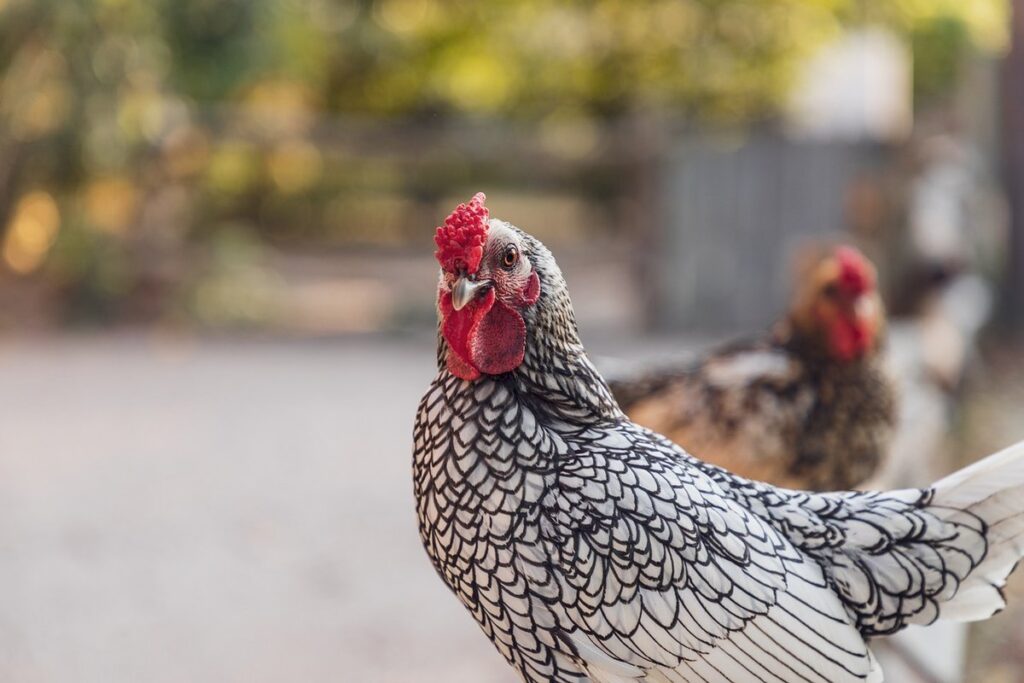
The Wyandotte breed is known for its stunning physical characteristics, which set it apart from other chicken breeds. When it comes to plumage coloration, the Wyandotte boasts a range of vibrant colors, including silver, gold, blue, and white. The feathers are long and flowing, with a subtle sheen that catches the light.
One of the most distinctive features of the Wyandotte breed is its beak shape, which is curved and slightly tapered. This unique beak shape helps the bird forage for food more efficiently. The legs of the Wyandotte are sturdy and well-feathered, with a moderate length that allows for comfortable movement.
In terms of body size, the Wyandotte falls into the medium-heavyweight category, with roosters typically weighing between 7-10 pounds (3-4.5 kg). Hens are slightly smaller, weighing around 6-8 pounds (2.7-3.6 kg). Overall, the Wyandotte’s physical characteristics make it a striking and impressive breed to behold. If you’re considering adding a Wyandotte to your flock, be prepared for admiring glances from visitors!
Temperament and Personality
The Wyandotte breed is known for its charming and affectionate nature. One of the most distinctive characteristics of this bird is its docility. Wyandottes are generally easy-going and gentle, making them an excellent choice for families with children or for inexperienced bird owners. However, some individuals may exhibit a more assertive personality, so it’s essential to understand their temperament and provide the right environment to thrive.
If you’re considering bringing a Wyandotte into your home, be prepared for a loyal companion that will bond strongly with its owner. They are known to mimic human speech and can even learn to whistle or sing simple melodies. To bring out the best in your Wyandotte’s personality, provide plenty of social interaction, exercise, and mental stimulation.
In terms of behavioral traits, Wyandottes tend to be quiet and calm, making them a great choice for apartment dwellers or those who live in close proximity to neighbors. However, as with any bird, it’s crucial to establish clear boundaries and reinforce good behavior from an early age. With patience, consistency, and positive reinforcement, you can develop a strong bond with your Wyandotte and enjoy years of delightful companionship.
Health Considerations
The Wyandotte breed is known for its vibrant plumage and gentle nature, but like all breeds of birds, they are not immune to certain health issues. One of the most common genetic predispositions found in the Wyandotte breed is an increased risk of respiratory problems. This can manifest as breathing difficulties, wheezing, or even respiratory infections.
Other potential health concerns include obesity and heart disease, which can be caused by overfeeding or a lack of exercise. Owners should ensure that their birds are getting regular physical activity through foraging toys and perches that promote movement.
Regular check-ups with a qualified avian veterinarian can help identify any underlying health issues early on. Keep an eye out for symptoms such as lethargy, loss of appetite, or changes in droppings. It’s also essential to maintain good hygiene practices, such as cleaning the bird’s cage and toys regularly, to prevent bacterial infections.
By being aware of these potential health concerns and taking proactive steps to monitor your Wyandotte’s health, you can help ensure they live a happy and healthy life.
Caring for Your Wyandotte
To ensure your Wyandotte thrives, learn how to provide the right diet, exercise, and environment for these beautiful birds. Proper care will keep them happy and healthy.
Housing Requirements
When it comes to housing your Wyandotte bird, providing a suitable environment is crucial for its health and happiness. Wyandottes are large birds that require ample space to fly around and exercise, so you’ll need to set aside a decent-sized aviary or enclosure.
A minimum of 2x3x4 feet (60x90x120 cm) in size is recommended, but larger is always better. This will give your bird room to stretch its wings and engage in natural behaviors like flying and perching. Make sure the enclosure has sturdy walls and a secure roof to prevent escape attempts.
Nesting requirements are also essential for Wyandottes. Female birds need a safe and comfortable place to lay their eggs, so provide a nesting box with adequate ventilation and protection from drafts. The nesting box should be at least 18 inches (45 cm) off the floor and have an entrance hole of about 3-4 inches (7-10 cm) in diameter.
Line the nesting box with soft bedding like wood shavings or sand to make it cozy for your bird. Place the nesting box in a quiet corner of the enclosure, away from direct sunlight and drafts.
Diet and Nutrition
When it comes to feeding your Wyandotte, providing the right nutrients is crucial for maintaining their vibrant plumage and overall health. These birds are known to be energetic and require a balanced diet that includes a mix of grains, fruits, and vegetables.
In terms of dietary needs, Wyandottes require a high-protein diet, especially during breeding season or when they’re molting. A good quality commercial pigeon feed should form the base of their diet, supplemented with fresh vegetables such as carrots, sweet potatoes, and leafy greens like spinach and kale. Fresh fruits like berries, apples, and oranges are also essential for providing essential vitamins and minerals.
Some key nutritional considerations to keep in mind include:
* Calcium-rich foods like crushed eggshells or dark leafy greens to support strong bone development
* Omega-3 fatty acids from sources like flaxseeds or fish oil to promote healthy skin and feathers
* Avoid feeding your Wyandotte avocado, onions, or beans as they can cause digestive issues
Remember, a well-balanced diet will vary depending on the age, sex, and activity level of your bird. Be sure to research specific dietary needs for your Wyandotte’s life stage and adjust their diet accordingly.
Health Checks and Maintenance
Regular health checks and maintenance are crucial to ensure the overall well-being of your Wyandotte bird. As an owner, it’s essential to know what to look for and when to take action.
Start by scheduling regular check-ups with a qualified avian veterinarian every 6-12 months. These visits will help identify any potential health issues early on, such as respiratory problems or feather plucking. During these visits, your vet will also provide guidance on beak trimming, nail care, and other maintenance tasks specific to Wyandottes.
Beak trimming is a critical aspect of maintaining your bird’s health. A long beak can lead to painful eating and discomfort, so it’s recommended to trim the beak every 2-3 months or as needed. To do this safely, use a pair of sharp, dedicated bird beak trimmers, taking care not to cut too much at once.
Nail care is also vital to prevent overgrowth, which can lead to foot problems and other health issues. Trim your Wyandotte’s nails every 4-6 weeks or as needed, using a nail clipper specifically designed for birds. When trimming, be cautious not to cut the quick (the pink part of the nail), as this can be painful for your bird.
By incorporating these maintenance tasks into your daily routine, you’ll help ensure your Wyandotte lives a happy and healthy life.
Breeding and Raising Wyandottes
Whether you’re a seasoned breeder or just starting out, learning how to breed and raise healthy Wyandotte chicks is a crucial step in preserving this beautiful bird’s heritage. This section will guide you through the process.
Selecting a Mate
When selecting a breeding pair or individual Wyandotte for your flock, there are several key considerations to keep in mind. One of the most important is genetic diversity. This means choosing birds with diverse ancestry and bloodlines to reduce the risk of inherited health problems and improve overall fertility.
To achieve this, look for breeders who have imported Wyandottes from other countries or have a wide range of stock available. You can also consider selecting birds from different breeding programs or lines to create unique combinations. For example, you could pair a blue-breasted Wyandotte with a silver-spangled bird to create offspring with interesting color patterns.
Another crucial factor is temperament compatibility. When choosing a breeding pair, make sure they have complementary personalities that won’t clash when they’re together in the same enclosure. Observe their behavior around each other and during interactions with you to gauge their compatibility. If one bird is extremely aggressive or dominant, it may not be suitable for breeding purposes.
By considering genetic diversity and temperament compatibility, you can increase your chances of raising healthy, thriving Wyandottes that make great additions to your flock.
Hatching and Rearing Chicks
When you’re ready to start hatching and rearing chicks, it’s essential to create an optimal environment for them from day one. Wyandotte eggs typically take around 28 days to incubate at a consistent temperature of 99-100°F (37-38°C). Once they start pipping (breaking through the shell), you’ll need to provide ventilation and maintain humidity levels between 50-60%. After hatching, keep the chicks in a brooder with adequate space for movement. Ensure they have access to a shallow dish of water for drinking and a separate dish for food.
For the first few days, it’s crucial to maintain temperatures around 90-95°F (32-35°C). Gradually decrease the temperature by 5-10°F each week as they grow. Monitor their health closely, watching for signs of stress or illness like lethargy, labored breathing, or wet droppings.
To promote healthy growth and development, feed high-quality starter feed ad libitum from day one. Provide a balanced diet that includes essential vitamins and minerals. Avoid placing the brooder in direct sunlight to prevent overheating. With proper care and attention, your Wyandotte chicks will grow into robust young birds, ready for their new home by around 20-24 weeks.
Tips for Successful Breeding Programs
When establishing a breeding program for Wyandottes, it’s essential to focus on maintaining healthy stock and keeping detailed records. Start by selecting birds with excellent physical characteristics, such as vibrant plumage and sturdy builds. A balanced ratio of males to females is also crucial, ensuring that you have enough genetic diversity within your flock.
To maintain healthy stock, prioritize a clean and well-ventilated breeding environment. This includes regular cleaning of enclosures, provision of fresh food and water, and monitoring for signs of illness or disease. Establishing a quarantine area can help prevent the introduction of external pathogens into your main flock.
Record-keeping is also vital to tracking the performance of your breeding program. Keep detailed records of each bird’s pedigree, including its parentage, health status, and reproductive history. This information will help you identify trends in egg production, fertility rates, and offspring quality. By keeping accurate records, you can make informed decisions about which birds to breed next season and adjust your breeding strategy accordingly.
Wyandotte Varieties and Uses
Wyandottes come in a stunning range of colors, from sleek silvers to vibrant golds and blacks. Let’s dive into some of the unique varieties you can expect to find!
Recognized Variations
The Wyandotte breed comes in several recognized varieties, each with its unique characteristics and uses. The American Bantam Association recognizes six varieties of the Wyandotte: Silver-Copper, Golden-Silver, Silver-Penciled, Black-White-Breasted, Blue-Coated-Golden Winged, and Blue-Shaded.
Each variety has distinct features that set it apart from others. For instance, the Silver-Copper Wyandotte has a beautiful iridescent sheen to its feathers, while the Golden-Silver variety boasts a warm golden hue. The Black-White-Breasted Wyandotte is known for its striking black and white plumage.
In poultry shows, breeders often compete in categories based on these varieties. When choosing a specific variety, consider your goal: if you want to show your birds, the Silver-Copper or Golden-Silver might be a good choice due to their striking appearance. If you prefer a more laid-back bird for a backyard flock, the Blue-Coated-Golden Winged variety is known for its friendly and docile nature.
When raising Wyandotte chickens, remember that each variety has its own strengths and weaknesses. For example, some varieties may be better suited to hot or cold climates due to their feathering. Make sure to research the specific needs of your chosen variety to ensure you’re providing the best possible care for your birds.
Keeping Wyandottes for Eggs or Meat
If you’re considering keeping Wyandottes for either egg or meat production, it’s essential to weigh the pros and cons of each option. For egg production, Wyandottes are known for their high fertility rate and ability to lay around 200-220 brown eggs per year. This makes them a popular choice among backyard chicken keepers.
However, if you’re looking to raise Wyandottes specifically for meat, you’ll need to consider the fact that they can take longer to mature than other breeds. It typically takes 18-20 weeks for a Wyandotte rooster to reach maturity, while hens are ready at around 16-18 weeks. This longer growth period may make them less suitable for small-scale or commercial meat production.
That being said, if you’re looking for a high-quality meat bird, the Wyandotte’s rich flavor and tender flesh can be well worth the extra time investment. With proper care and handling, your Wyandottes can provide both delicious eggs and mouth-watering meat – making them a versatile choice for any backyard flock.
Conclusion: The Value of the Wyandotte Breed
In conclusion, the Wyandotte breed has proven itself to be a valuable addition to any backyard flock. Their unique appearance and friendly demeanor make them a joy to keep, and their hardiness ensures they can thrive in a variety of conditions. Whether you’re an experienced bird owner or just starting out, the Wyandotte is definitely worth considering. Not only do they lay eggs consistently throughout the year, but their calm nature also makes them an excellent choice for families with children.
As you’ve learned more about this amazing breed through our blog post, we hope you’ll consider bringing a Wyandotte into your life. With proper care and attention, these birds will reward you with years of companionship and delicious eggs. So why wait? Start exploring local breeders or hatcheries today to find the perfect Wyandotte for you!
Frequently Asked Questions
Can I start a Wyandotte breeding program with just one bird?
While it’s technically possible to start a small-scale breeding program, it’s generally recommended to have multiple birds to ensure genetic diversity and reduce the risk of inherited health issues. A minimum of three to five birds is suggested for a small breeding program.
How do I choose the right Wyandotte variety for my needs?
Consider factors such as egg production, meat quality, or feathering when selecting a Wyandotte variety. Research different breeds within the Wyandotte family and consult with experienced breeders to determine which one best suits your goals and resources.
What are some common health issues I should be aware of in Wyandottes?
Like all chicken breeds, Wyandottes can be susceptible to certain health issues such as respiratory problems, Marek’s disease, and internal parasites. Regular veterinary check-ups, a balanced diet, and proper housing conditions can help minimize the risk of these diseases.
Can I keep Wyandotte chickens for both eggs and meat?
Yes, Wyandottes are well-suited for dual-purpose farming and can provide both high-quality eggs and meat. However, their egg production may decrease if they’re fed a diet that prioritizes meat growth over laying, so consider your goals when planning their nutrition.
How often should I perform health checks on my Wyandotte flock?
Regular health checks are essential to maintaining the well-being of your Wyandotte chickens. Schedule check-ups at least every 6-8 weeks during peak breeding season and more frequently if you notice any signs of illness or stress in your birds.