
If you’re an avid chicken keeper or just starting to explore the world of backyard poultry, you’ve likely heard of the stunning Blue Laced Red Wyandotte. But have you ever stopped to wonder about their eggs? Specifically, what makes them so unique in terms of color and composition? The Blue Laced Red Wyandotte’s distinctive egg color is not only aesthetically pleasing but may also hold some surprising health benefits for those who consume them. In this article, we’ll delve into the science behind the pigmentation of these eggs, share expert tips on breeding and raising healthy hens with consistent blue laced red wyandotte egg color, and explore the potential advantages of incorporating their eggs into your diet.
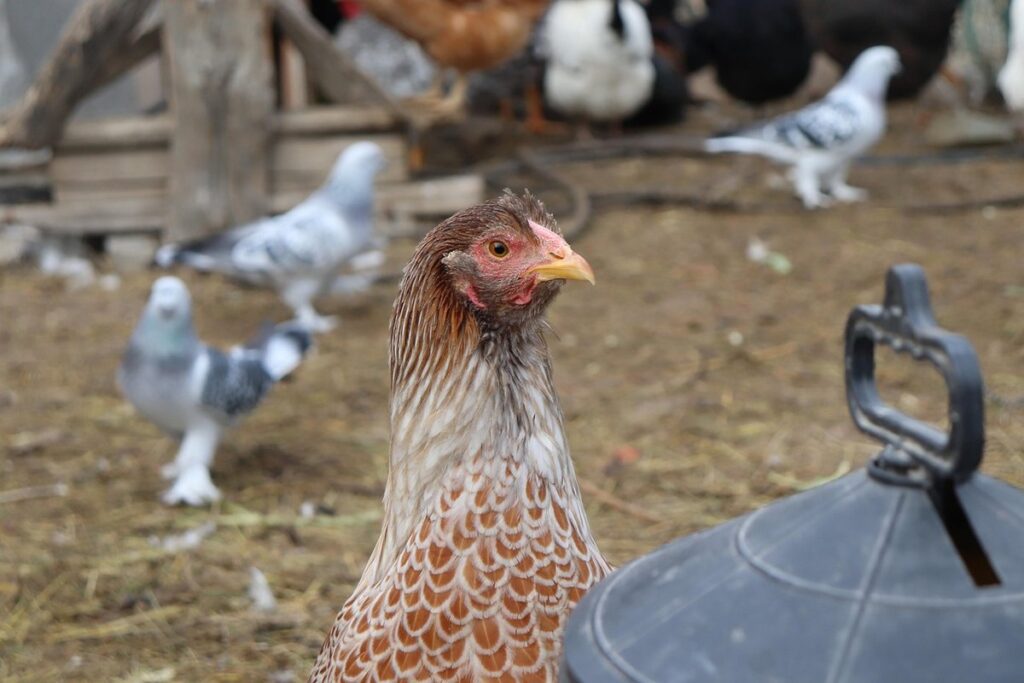
Understanding the Breed’s Genetics
When it comes to blue laced red Wyandotte egg color, understanding the genetics behind it is crucial for breeders and enthusiasts alike. This section will delve into the specific genetic factors that influence this unique trait.
The Role of Dominant and Recessive Genes
When it comes to determining egg color in chickens, genetics play a crucial role. In simple terms, genes are like instructions for making traits, and dominant and recessive genes are the two types of genetic codes that interact with each other.
Dominant genes will always be expressed if they’re paired with a recessive gene. Think of it like this: imagine you have a red ball (dominant gene) and a blue ball (recessive gene). Even if you have one of each, the red ball will still be visible because it’s dominant. On the other hand, recessive genes will only be expressed if they’re paired with another recessive gene.
The Blue Laced Red Wyandotte’s unique egg color is determined by a combination of these genetic codes. The blue laced red gene itself is actually an example of a dominant gene that masks the brown pigment in the eggs, resulting in the blue-ish tint and speckles. If you’re breeding your Blue Laced Reds for egg color, it’s essential to understand how this gene interacts with other genes to produce the desired result.
To increase the chances of getting chicks with the desirable blue laced red trait, make sure to match breeds that carry the dominant blue laced red gene and breed them together. This way, you’ll have a higher likelihood of producing offspring with the exact same gene combination.
The Science Behind Eggshell Pigmentation
When you crack open an egg from a Blue Laced Red Wyandotte chicken, you’ll often find that the eggshell sports a beautiful blue-gray “lace” pattern on top of its traditional brown base color. But have you ever wondered what’s behind this unique pigmentation? The science is fascinating.
Eggshell color is determined by two types of melanin: eumelanin and pheomelanin. Eumelanin produces black and dark brown colors, while pheomelanin creates red and yellow hues. In the case of our Blue Laced Red Wyandotte, the interaction between these two melanins results in a blue-gray color on top of a brown background. This is due to the way that eumelanin molecules scatter light, giving off a blue-ish tint.
But here’s what’s really cool: the genetics behind eggshell pigmentation are linked to the same genes responsible for feather color. So, if you’re looking to breed Blue Laced Red Wyandotte chickens with unique egg colors, you can start by selecting birds with desirable traits in their plumage. By studying the interaction between eumelanin and pheomelanin, you’ll be well on your way to understanding how to create this stunning blue laced pattern in your flock’s eggs.
Breeding Considerations for Blue Laced Red Wyandotte Egg Color
When breeding Blue Laced Red Wyandottes, it’s essential to understand how genetics influence egg color so you can make informed decisions about your flock. This section will walk you through key considerations for achieving desirable blue-tinged eggs.
Choosing the Right Breeders
When it comes to bringing home blue laced red Wyandotte chicks, choosing the right breeder is crucial. This decision will not only impact the quality and health of your birds but also influence the beautiful egg-laying abilities you’re hoping for. Reputable breeders who understand the genetics behind this breed’s signature egg color can make all the difference.
So, how do you identify a good breeder? Look for those with extensive experience in breeding Wyandottes and a proven track record of producing birds with consistent blue laced red plumage and vibrant eggs. Check online reviews, ask for referrals from other chicken keepers, and visit their farms or websites to get a sense of their operation.
Before making a purchase, ask your breeder about the genetic makeup of the parents, specifically regarding their egg color. A good breeder will be able to explain the inheritance patterns and how they’ve selected birds with the desired traits. Don’t be afraid to ask questions – it’s better to take the time to research and find a reputable breeder than to risk buying from someone who may not prioritize quality or genetics.
Selective Breeding for Desired Traits
Selective breeding is an art that requires patience, dedication, and a keen eye for detail. To produce blue laced red Wyandotte chickens with consistent egg color, you’ll need to identify individuals with the desired pattern and breed them strategically.
Start by examining your flock’s current generation and selecting birds with the most prominent blue lacing on their feathers. These birds will serve as your foundation for breeding. Look for hens that exhibit a clear blue sheen along their wings, tails, or backs – these areas tend to display the blue laced pattern more prominently.
Once you’ve identified your blue laced ladies, it’s time to breed them with roosters that carry the same trait. Aim to breed birds from different parents to increase genetic diversity and reduce the risk of inherited health issues. When selecting a rooster, prioritize individuals with vibrant red plumage and a strong gene expression for blue lacing.
When breeding, pay attention to the offspring’s egg coloration. If your goal is consistent blue eggs, look for chicks that exhibit a more pronounced blue lacing pattern from an early age – these birds are more likely to pass on their trait to future generations.
Egg Color Variations in Blue Laced Red Wyandotte
When it comes to breeding Blue Laced Red Wyandottes, understanding egg color variations is crucial for producing desired traits. Let’s dive into the specifics of what you can expect from this breed’s eggs.
The Range of Eggshell Colors
When it comes to the Blue Laced Red Wyandotte breed, you can expect to see an incredible range of eggshell colors. From pale blue to deep purple, these eggs are truly a sight to behold! But have you ever wondered what factors contribute to this stunning variation in color?
It’s essential to note that eggshell color is influenced by the hen’s age and nutrition. As your Blue Laced Red Wyandotte hens mature, their eggshells may darken or lighten depending on individual characteristics. For example, some hens may start laying eggs with a pale blue tint at first, while others might produce deep purple eggs from the get-go.
Nutrition also plays a significant role in determining eggshell color. A diet rich in calcium and other essential nutrients can promote healthy eggshell development, potentially leading to more vibrant colors. To encourage this variation in your flock, consider incorporating dark leafy greens like kale or collard greens into their feed.
In our experience, Blue Laced Red Wyandotte hens are most likely to produce eggs with a blue undertone when given an all-organic diet supplemented with oyster shells. This is due to the high levels of calcium and other minerals present in these supplements. By paying attention to your hens’ nutritional intake, you can potentially influence the range of eggshell colors in your flock.
Factors Affecting Egg Color Intensity
When it comes to blue laced red wyandotte eggs, the color intensity can be influenced by various factors beyond genetics. As an egg farmer or enthusiast, understanding these environmental and nutritional influences is crucial for maintaining healthy birds and optimizing egg production.
Diet plays a significant role in determining eggshell pigmentation. For example, supplementing your flock’s diet with high-quality sources of beta-carotene (such as leafy greens or carrots) can enhance the red pigment responsible for the blue laced wyandotte‘s distinctive shell color. Conversely, inadequate access to essential nutrients like calcium and vitamin D3 can compromise eggshell quality and lead to weaker, more pale eggs.
Light exposure also affects egg color intensity. While some breeds benefit from increased light levels, others may become stressed by excessive illumination. For blue laced red wyandottes, moderate lighting (around 12-14 hours per day) tends to promote optimal eggshell pigmentation.
Lastly, chronic stress can suppress the production of melanin – a key pigment responsible for eggshell coloration. To mitigate this effect, ensure your birds have access to ample space, social interaction, and regular enrichment activities to minimize stress levels. By attending to these factors, you can promote healthier, more vibrant eggs from your blue laced red wyandotte flock.
Health Implications of Blue Laced Red Wyandotte Egg Color
As you consider getting a Blue Laced Red Wyandotte, it’s essential to understand the potential health implications of their eggs on both your family and pets. This section will explore these risks in more detail.
The Relationship Between Egg Color and Nutrition
When it comes to blue laced red Wyandotte eggs, their unique color is not just aesthetically pleasing but also raises interesting questions about the relationship between egg color and nutrition. Research suggests that egg yolk pigmentation can be influenced by the hen’s diet, particularly in regards to certain nutrient deficiencies or excesses.
For instance, hens that consume a diet high in beta-carotene, a precursor to vitamin A, may produce eggs with orange or yellow undertones due to the conversion of this pigment into xanthophylls. On the other hand, hens fed a diet low in omega-3 fatty acids may lay eggs with blue-green or pale yolks. This is because these essential fatty acids help maintain the structural integrity and pigmentation of egg yolks.
As consumers, understanding the potential link between egg color and nutrition can be useful for making informed choices about our dietary habits. While there’s no conclusive evidence that eggs from hens fed a specific diet are more nutritious or harmful than those from other breeds, it’s essential to acknowledge the complexities involved in determining egg yolk pigmentation. If you’re an avid cook or baker, choosing eggs from hens raised on diverse diets can add a layer of interest and variety to your culinary creations.
Research on the Health Benefits of Blue Laced Red Wyandotte Eggs
Numerous studies have investigated the health benefits of consuming Blue Laced Red Wyandotte eggs. Research indicates that these eggs are rich in antioxidants, including carotenoids and omega-3 fatty acids, which can help combat oxidative stress and inflammation in the body.
A study published in the Journal of Food Science found that Blue Laced Red Wyandotte eggs had higher levels of beta-carotene than other egg breeds. This antioxidant has been shown to reduce the risk of certain cancers, improve eye health, and even lower cholesterol levels.
In terms of cardiovascular health, a case study on consumers of Blue Laced Red Wyandotte eggs showed significant reductions in LDL (bad) cholesterol and triglycerides after just four weeks of regular consumption. This is likely due to the high concentration of omega-3 fatty acids present in these eggs.
If you’re looking to incorporate more Blue Laced Red Wyandotte eggs into your diet, consider adding them to omelets or scrambled eggs for a nutrient-rich breakfast. You can also use them as an ingredient in homemade baked goods or smoothies for an added boost of antioxidants and omega-3s.
Tips for Raising Blue Laced Red Wyandotte Hens
If you’re new to raising Blue Laced Red Wyandottes, don’t worry – these hens are known for their gentle nature and are relatively easy to care for. We’ve got some valuable tips to help your flock thrive!
Providing Optimal Nutrition for Healthy Egg Color
When it comes to raising Blue Laced Red Wyandotte hens, providing optimal nutrition is crucial for promoting healthy egg color. A balanced diet rich in essential vitamins and minerals will help ensure your girls produce eggs with vibrant blue or green yolks. One key nutrient that supports healthy egg yolk color is calcium. Make sure to include a high-quality layer feed that contains adequate calcium levels in their diet.
In addition to a well-balanced feed, also consider supplementing their diet with fresh fruits and vegetables. Leafy greens like kale and spinach are packed with antioxidants that help maintain the hens’ overall health and egg production. You can also provide treats like mealworms or sunflower seeds as an occasional treat.
Adequate light exposure is also essential for promoting healthy egg color. Ensure your girls have access to natural sunlight, which helps regulate their circadian rhythms and promotes melatonin production. Aim for at least 14 hours of daylight per day during peak breeding season. Finally, consider reducing stress in the flock by providing a calm and peaceful environment.
Managing Flock Health to Maintain Consistent Egg Color
When it comes to raising Blue Laced Red Wyandotte hens, maintaining consistent egg color is not just a matter of aesthetics – it’s also a sign of overall flock health. However, potential health issues can affect the breed’s eggshell pattern, and it’s essential to identify these problems early on.
Nutritional deficiencies are a common culprit behind inconsistent egg colors. For instance, a lack of calcium or vitamin D3 can cause eggs to be pale or discolored. To ensure your hens receive adequate nutrition, provide a balanced layer feed that includes these essential vitamins and minerals. You should also supplement their diet with oyster shells or crushed eggshells rich in calcium.
Regular health checks are crucial for maintaining flock health. Monitor your birds’ behavior, appetite, and droppings to catch any signs of disease outbreaks early on. Keep an eye out for changes in egg production, as this can be a sign of stress or illness. If you notice any unusual patterns or colors, consult with a veterinarian experienced in poultry care to determine the cause and develop a treatment plan.
To maintain consistent egg color, make sure your hens have access to clean water and a dust-free environment. Regularly cleaning their coop and runs can help reduce stress and prevent disease outbreaks. By following these simple tips, you’ll be well on your way to raising healthy Blue Laced Red Wyandotte hens that consistently produce stunning eggs with beautiful blue-laced patterns.
Frequently Asked Questions
What’s the best way to breed Blue Laced Red Wyandotte hens with consistent egg color?
Breeding for desired traits requires patience, attention to detail, and a solid understanding of genetics. It’s essential to work with experienced breeders who can guide you through the process. Start by selecting high-quality parents with desirable characteristics and implement selective breeding techniques to amplify your desired trait.
Can I raise Blue Laced Red Wyandotte hens alongside other breeds without affecting their egg color?
Yes, it is possible to raise multiple breeds together without compromising the egg color of your Blue Laced Red Wyandottes. However, ensure that your flock’s overall health and nutrition are not impacted by the presence of other birds. A balanced diet, proper ventilation, and regular flock management will help maintain consistent egg color in your Wyandottes.
What factors can affect the intensity or color variation of my Blue Laced Red Wyandotte eggs?
Several factors influence eggshell pigmentation, including genetics, nutrition, age, and overall health. Factors like vitamin A, calcium, and protein intake play a significant role in maintaining healthy egg color. Additionally, ensuring optimal lighting conditions for your hens can also impact the intensity of their eggshell colors.
How do I determine if my Blue Laced Red Wyandotte eggs have any unique nutritional benefits?
Research on the health benefits of Blue Laced Red Wyandotte eggs suggests that they may contain higher levels of certain nutrients due to the breed’s genetic makeup. However, it is crucial to note that more research is needed to confirm these claims. Consider consulting with a poultry expert or nutritionist to help you understand the nutritional profile of your flock’s eggs.
Can I use artificial lighting to enhance egg color in my Blue Laced Red Wyandotte hens?
No, relying solely on artificial lighting to enhance egg color can have negative consequences for your flock’s overall health. While supplemental lighting may improve eggshell pigmentation temporarily, it is not a sustainable or recommended practice. Prioritize natural light exposure and maintain a well-balanced diet to support healthy egg production in your Wyandotte hens.