
Are you an avid chicken keeper or just starting out with backyard eggs? Either way, collecting eggs from your coop can be a delightful experience. However, ensuring that those fresh eggs stay safe and healthy throughout their journey is crucial. From sourcing to storage, there’s more to egg collection than meets the eye. As it turns out, improper handling can compromise not only the quality but also the safety of your precious eggs.
That’s why we’ve put together this comprehensive guide on expert egg collection tips. Inside, you’ll learn how to maintain egg freshness from farm-to-table, expert techniques for storing eggs safely, and essential guidelines for maintaining food safety throughout the process. Whether you’re a seasoned chicken owner or just starting out, our expert advice will help you get the most out of your backyard egg collection while keeping your family safe and happy!
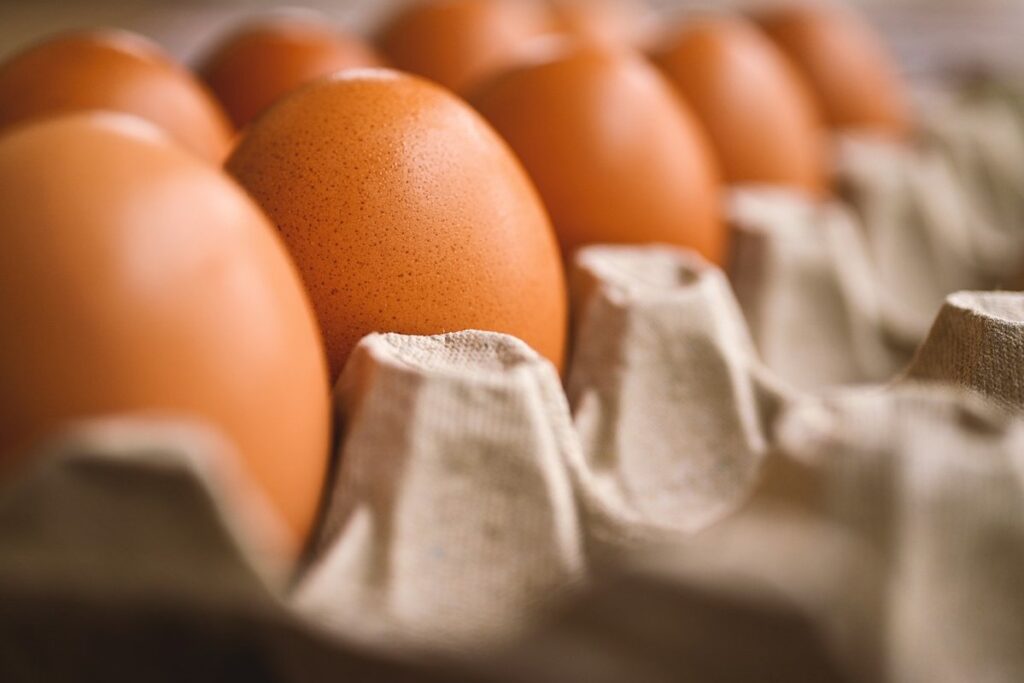
Understanding the Basics of Egg Collection
Let’s get started with the fundamentals: understanding how chickens lay eggs and what you need to know before collecting them safely and efficiently. This section lays out the basics.
What is Egg Collection?
Egg collection refers to the process of gathering eggs from various sources. This can be done through different channels, such as buying them from local farms or markets, or even collecting eggs from your own backyard chicken coop.
If you’re planning to collect eggs from a farm or market, it’s essential to understand that not all eggs are created equal. The quality and safety of the eggs depend on various factors, including the breed of the chicken, their living conditions, and how they’re fed. Look for eggs labeled as “free-range” or “organic” for better nutritional value.
For backyard egg collectors, it’s crucial to maintain a clean and safe environment for your chickens. This includes providing adequate space for them to roam, nutritious food, and regular access to fresh water. You should also learn how to handle the eggs gently to prevent breakage and contamination.
When collecting eggs from your own flock, it’s best to do so frequently to avoid overcrowding and reduce the risk of diseases spreading among the birds.
Importance of Egg Collection for Bakers and Chefs
Egg collection is an essential aspect of baking and cooking that often goes unnoticed. However, for professional bakers and chefs, collecting eggs can have a significant impact on recipes, ingredient sourcing, and culinary creativity.
When it comes to recipes, having control over the egg collection process allows bakers and chefs to ensure they are using high-quality eggs that meet their specific needs. This is particularly important in commercial kitchens where consistency is key. For instance, if you’re baking a batch of meringues for a large order, you want to know that the eggs used will produce the desired texture and flavor.
Moreover, egg collection also influences ingredient sourcing decisions. By collecting eggs from local farms or suppliers, bakers and chefs can reduce their carbon footprint and support sustainable agriculture practices. This not only benefits the environment but also results in fresher and more flavorful eggs.
To implement effective egg collection, consider the following: choose a reputable supplier that provides high-quality eggs, plan your inventory management to ensure a steady supply of fresh eggs, and develop relationships with local farmers to source eggs directly. By prioritizing egg collection, bakers and chefs can elevate their recipes, reduce waste, and showcase their culinary expertise.
Choosing the Right Eggs for Your Needs
When it comes to selecting eggs, knowing what type and quality you need can make all the difference. Let’s dive into the world of egg varieties and explore your options together!
Factors to Consider When Selecting Eggs
When selecting eggs for various applications, it’s essential to consider several key factors that impact their quality and suitability. Let’s start with egg size – smaller eggs are often preferred for baking due to their higher yolk-to-white ratio, while larger eggs work better for boiling or frying.
The breed of the chicken is another crucial aspect. Some breeds, like Leghorns, are prolific layers but may produce less flavorful eggs than heritage breeds like Marans or Barred Rocks. The age of the egg also plays a significant role – fresh eggs typically last longer and taste better due to their higher moisture content.
Storage conditions can significantly affect egg quality as well. Eggs should be stored in a cool, dry place, away from direct sunlight. Make sure to check for any visible cracks or damage before storing them. If you’re buying eggs from a store, look for those with the “Sell By” date still visible – it’s usually a good indicator of freshness.
Lastly, consider what you’ll be using the eggs for and choose accordingly. For example, if you’re planning to make omelets or scrambled eggs, opt for fresher eggs that will retain their moisture and flavor better.
Freshness and Quality Control
When it comes to collecting eggs, ensuring their freshness and quality is crucial. You want to pick up eggs that are not only clean but also safe for consumption. Here’s a simple way to determine if an egg is fresh: the “float test.” Fill a bowl with water and gently place an egg into it. If the egg sinks to the bottom and lies flat, it’s likely fresh. If it stands on its end or even floats to the surface, it might be old.
Another method to assess freshness is to check the egg for any visible cracks or imperfections. Old eggs often develop a strong odor and may have visible blood spots inside. To maintain quality throughout collection, make sure to store your eggs in a cool, dry place away from direct sunlight. It’s also essential to handle eggs carefully to prevent breakage, which can lead to contamination.
To keep eggs fresh for an extended period, consider using an egg carton or storing them in a container with ventilation holes. This will help maintain airflow and reduce the likelihood of moisture buildup. By following these simple tips, you’ll be able to collect high-quality eggs that stay fresh for longer.
Collecting Eggs from Farms and Markets
When collecting eggs from farms and markets, you’ll need to know how to properly select and handle fresh eggs. This section will guide you through that process with expert tips.
Visiting Farms: What to Expect and How to Prepare
Visiting farms can be a fascinating experience, especially if you’re interested in learning more about where your eggs come from. Before you head out, it’s essential to prepare by researching the farm and their practices. Look for information on their website or social media, and consider reaching out with questions beforehand.
When you arrive at the farm, take note of the environment and the hens themselves. Observe how they’re cared for, fed, and housed. This will give you a better understanding of the conditions under which your eggs are produced. You may also have the opportunity to ask questions about their farming practices, such as what breeds of chickens they keep or how often the eggs are collected.
Asking thoughtful questions shows that you value their time and expertise. Some examples might include: What kind of feed do the hens receive? How many hours a day do the chickens spend outside? What measures do you take to ensure egg safety during collection?
By taking an active role in learning about the farm-to-table process, you’ll not only gain a deeper appreciation for your eggs but also support local farmers who prioritize animal welfare and sustainability.
Inspecting Market Eggs for Quality and Authenticity
When purchasing eggs from markets or stores, it’s essential to inspect them carefully for quality and authenticity. The first step is to check the egg carton for any visible signs of damage or tampering. Look for dented or crushed containers, as well as any loose or missing labels.
Next, examine the eggs themselves. Check for cracks, cleanliness, and appearance. Fresh eggs will have a clean, dry texture with no visible dirt or stains. Avoid eggs that are heavily stained, especially if they’re near the air pocket (the small gap between the egg white and shell). This area is prone to contamination.
Also, pay attention to the egg’s handling and storage practices. Check for any visible signs of improper storage, such as eggs stacked on top of each other or exposed to direct sunlight. Ask the vendor about their egg-handling procedures and storage conditions.
To ensure authenticity, look for certification logos like “USDA Organic” or “Pasture-Raised.” These labels indicate that the hens were raised on organic feed, free from antibiotics and hormones. Always inspect the eggs before buying them, as this is your first line of defense against low-quality or adulterated products.
Backyard Egg Collection: Tips for Homeowners
If you’re raising backyard chickens, collecting eggs from your own hens can be a fun and rewarding experience, but it requires some strategy to keep them clean and organized. Here’s how to do it efficiently.
Creating a Backyard Chicken Coop or Run
When setting up a backyard chicken coop or run, there are several essential considerations to keep in mind. First and foremost, space is crucial. Chickens need room to move around, stretch their wings, and exercise, so make sure the coop and run provide ample space for them to do so.
A general rule of thumb is to provide at least 2-4 square feet of space per chicken inside the coop and 8-10 square feet outside in the run. This will give your chickens enough room to roam and prevent over-crowding, which can lead to stress, disease, and even fatalities.
Ventilation is also critical. Chickens produce a significant amount of waste, ammonia, and moisture, which can quickly build up inside the coop. Ensure that your coop has adequate ventilation by installing windows, vents, or mesh panels to keep air circulating. A well-ventilated coop will not only keep your chickens healthy but also reduce odors and pests.
Predator protection is another vital consideration when building a chicken coop or run. Hawks, owls, raccoons, foxes, and coyotes are all potential threats that can attack your flock. To protect them, use hardware cloth or chicken wire with openings of 1 inch or smaller to prevent predators from getting through. You can also add additional protection like roofs, netting, or even electric fencing around the run to create a safe enclosure for your chickens.
Collecting Eggs from Your Own Flock
When collecting eggs from your own backyard flock, it’s essential to prioritize cleanliness, handling, and storage to ensure the health and quality of both you and your birds. Start by approaching your coop with clean hands and clothes to minimize the risk of transferring bacteria or other contaminants.
Gently scoop up any stray droppings or debris before collecting eggs to prevent the spread of disease. Make sure to collect eggs from the nesting box carefully, as they can be fragile and break easily if mishandled. It’s best to handle eggs in a way that minimizes jostling or bumping against each other.
Once you’ve collected your eggs, store them in a cool, dry place away from direct sunlight and heat sources. The ideal storage temperature for eggs is around 40°F (4°C), which will help prolong their shelf life. Be sure to wash your hands after handling the eggs and any surfaces they may have come into contact with.
By following these simple steps, you can ensure a safe and efficient egg collection process that benefits both you and your flock.
Egg Storage and Handling Techniques
When it comes to storing eggs, proper handling is crucial to prevent breakage and contamination. Learn expert-approved methods for collecting, washing, and storing your fresh eggs to keep them clean and safe.
Short-Term vs. Long-Term Storage Strategies
When it comes to egg storage and handling techniques, understanding short-term vs. long-term strategies is crucial for optimal quality preservation. For everyday needs, you’ll want a reliable short-term storage method that keeps eggs fresh for several days. In this case, store them in their original carton or a covered container at the coldest part of your refrigerator (usually around 40°F). This will help maintain humidity and prevent moisture from seeping into the egg whites.
For longer-term preservation, such as during seasonal fluctuations or for preserving heritage breeds, you’ll need a more robust strategy. You can use an air-tight container filled with a layer of paper towels or cloth to absorb any moisture. The key is maintaining a consistent refrigerated temperature below 40°F and keeping the eggs away from direct sunlight.
Consider the storage duration when deciding between short-term (up to 4-5 weeks) and long-term methods. For instance, if you need to store eggs for only a week or two, the refrigerator method will suffice. However, for longer periods, using containers with desiccants like silica gel or calcium chloride can be effective in controlling humidity levels.
Handling Eggs with Care: Best Practices
When collecting eggs from your backyard chickens or purchasing them from a store, it’s essential to handle them with care. This is crucial not only for maintaining their freshness but also for preventing breakage, which can lead to wasted eggs and a frustrating experience.
To gently collect eggs, start by carefully sliding the egg into the carton or container. Make sure to place it in an upright position to prevent any movement that could cause cracking. If you’re handling multiple eggs at once, consider using a carton with individual compartments to separate them and reduce the risk of breakage.
When transporting eggs, keep them in their original carton and store them in a cool, dry place away from direct sunlight. Avoid jostling or tilting the carton, as this can cause the eggs to move around and increase the likelihood of breakage. Additionally, consider using egg trays or boxes with individual cups to further protect the eggs during transportation.
By following these best practices for handling eggs, you’ll be able to collect and store them safely, ensuring their freshness and quality until it’s time to use them in your recipes.
Egg Collection and Food Safety Considerations
When collecting eggs, it’s essential to consider food safety guidelines to ensure you’re handling your eggs safely and reducing the risk of contamination. Let’s go over some key considerations now.
Understanding Risk Factors for Contamination
Contamination during egg collection can be a major concern for farmers and handlers. Understanding the common risk factors involved is essential to ensuring the safety of both people and products.
Handling practices are a crucial factor to consider. Improperly washed hands or contaminated equipment can spread bacteria, leading to contamination. It’s vital to implement strict handwashing protocols, including washing with soap and water for at least 20 seconds before handling eggs.
Equipment cleanliness is also a significant risk factor. Failing to regularly clean and sanitize equipment can lead to the spread of bacteria. Farmers should prioritize regular cleaning schedules, paying attention to high-touch areas such as hatches, conveyors, and egg collection points.
Environmental conditions can also contribute to contamination. Temperature fluctuations, humidity levels, and air circulation can all impact the risk of contamination. Maintaining a clean and dry environment, with adequate ventilation and temperature control, is essential for preventing bacterial growth.
To minimize the risk of contamination, farmers should regularly inspect equipment and facilities, ensuring that all surfaces are clean and free from debris.
Implementing Hygienic Practices in Your Collection Process
As you collect eggs from your flock, it’s essential to maintain a safe and sanitary process to prevent contamination and ensure the quality of your eggs. Personal hygiene is a crucial aspect of this process. Always wash your hands thoroughly with soap and warm water before handling eggs, and make sure to dry them completely to prevent bacterial growth.
Next, focus on maintaining your equipment. Regularly clean and sanitize egg-collecting containers, baskets, and other tools to prevent the spread of bacteria. A mild detergent and a sanitizing solution can be used for this purpose. Don’t forget to rinse everything thoroughly after cleaning to remove any residue.
Storage conditions are also critical in preventing contamination. Store eggs in a cool, dry place, away from direct sunlight and moisture. Use ventilated containers or egg cartons to maintain airflow and prevent moisture buildup. By following these simple steps, you can ensure that your egg collection process is safe, sanitary, and efficient.
Frequently Asked Questions
What if I’m collecting eggs from my own backyard flock, but I notice some are cracked or damaged?
You can still use these eggs for cooking, but they’re not suitable for raw consumption due to the risk of contamination. Crackers or damaged eggs should be used in cooked dishes where heat will kill any bacteria that may have entered through the crack.
How often do I need to clean and disinfect my egg collection tools and equipment?
You should wash your hands before handling eggs, and then sanitize all equipment with soap and hot water. After each use, rinse and dry all tools thoroughly to prevent bacterial growth. Aim to clean and disinfect equipment at least once a week.
What if I accidentally leave eggs outside in the rain or direct sunlight? Can they still be used?
No. Eggs exposed to rain or direct sunlight can become contaminated with bacteria like Salmonella, which can cause food poisoning. If this happens, discard the affected eggs immediately and wash your hands thoroughly afterward.
How do I determine whether an egg is fresh or old?
Check for any visible cracks or damage first. Next, gently roll the egg on a flat surface; if it’s fresh, it should have a smooth, even motion. Older eggs will wobble more due to the air pocket inside.
Can I store my collected eggs in their original cartons from the farm or market?
No, do not reuse cartons that may have come into contact with raw meat or other contaminants. Use your own clean, dry containers and always follow proper storage techniques (e.g., storing eggs pointed end down to prevent rolling).