
Are you thinking of bringing home some feathered friends to your backyard flock? Or perhaps you’re already an experienced chicken keeper looking for ways to optimize the productivity and health of your Rhode Island Reds? Whatever your situation, understanding the unique characteristics of this beloved breed is key to giving them the best possible care. In this article, we’ll delve into the history, physical traits, temperament, and egg-laying abilities that make Rhode Island Reds so popular among backyard chicken keepers. From their rich red plumage to their remarkable adaptability and prolific egg production, we’ll explore what makes these birds stand out from the rest. Whether you’re a seasoned farmer or a beginner looking for expert advice, this guide will help you get the most out of your Rhode Island Red flock.
History and Origins of the Breed
The Rhode Island Red breed has a rich history that dates back to the 1840s, when it was developed on farms in New England. Let’s take a look at how this iconic breed came to be.
Early Development and Purpose
The Rhode Island Red’s story begins in the mid-19th century when farmers were looking for a hardy and prolific layer that could thrive on small farms. To achieve this goal, breeders crossed various strains of chickens to create a bird that would excel at producing eggs. The end result was the Rhode Island Red, known for its striking red plumage and impressive egg-laying abilities.
In those days, farming was all about efficiency and sustainability. Farmers needed a chicken that could provide a steady supply of eggs without requiring too much attention or resources. Breeders aimed to create a bird that would be resistant to disease, withstand harsh weather conditions, and adapt to different environments. The Rhode Island Red’s early development was guided by this practical purpose: to help small farmers meet their egg production needs.
As you’re considering bringing home a Rhode Island Red, remember their history is rooted in hardiness and productivity. This means they’ll thrive on your farm or backyard with minimal fuss, but it also means they may be more inclined to roam and forage if given the chance. Be sure to provide adequate space and supervision to keep them safe and happy.
Influence of Other Breeds on the Rhode Island Red
The Rhode Island Red’s origins are a tale of cross-breeding and experimentation, influenced by various breeds that were brought to the New World. One such breed was the Dominique, a hardy bird from France known for its rich red plumage and robust constitution. Many historians believe that the Dominique’s genetic material played a significant role in shaping the Rhode Island Red’s distinctive appearance.
Another influential breed was the Cochin, an Indian fowl renowned for its impressive size and egg-laying abilities. Breeders in the early 19th century were eager to introduce these desirable traits into their stock, which eventually contributed to the development of the Rhode Island Red. By incorporating the best qualities from both breeds, American farmers created a bird that excelled in several areas: hardiness, fertility, and egg production.
To appreciate the rich history behind this breed, one should consider that early poultry keepers were not limited by strict breed standards; instead, they experimented with various combinations of birds to create more resilient and productive stock.
Physical Characteristics of the Breed
Let’s take a closer look at the physical characteristics that make Rhode Island Reds stand out. Their distinct appearance is just one reason they’re so beloved by backyard flock owners and farmers alike.
Size and Weight
When it comes to the physical characteristics of the Rhode Island Red breed, one of its most notable features is its size and weight. As a medium-sized chicken, this breed is well-suited for small farms and backyards alike.
On average, an adult male Rhode Island Red will weigh between 8-12 pounds (3.6-5.4 kg), with females weighing slightly less at around 7-10 pounds (3.2-4.5 kg). This size range makes them a great choice for small-scale egg production and foraging. Their medium body type is also characterized by a sturdy build, which enables them to withstand the rigors of outdoor living.
One thing to keep in mind when considering the Rhode Island Red’s size and weight is that they can be prone to overeating if not properly managed. To ensure your birds stay healthy and maintain their ideal weight, it’s essential to provide a balanced diet and regular exercise opportunities. This may involve providing access to a secure outdoor run or coop where they can forage and engage in natural behaviors.
Their medium size also makes them an excellent choice for those with limited space, as they require less room to roam compared to larger breeds. However, it’s still crucial to provide sufficient space for your birds to move around comfortably, exercise, and engage in natural behaviors. With proper care and management, the Rhode Island Red is a wonderful breed that can thrive in various settings.
Plumage and Color Variations
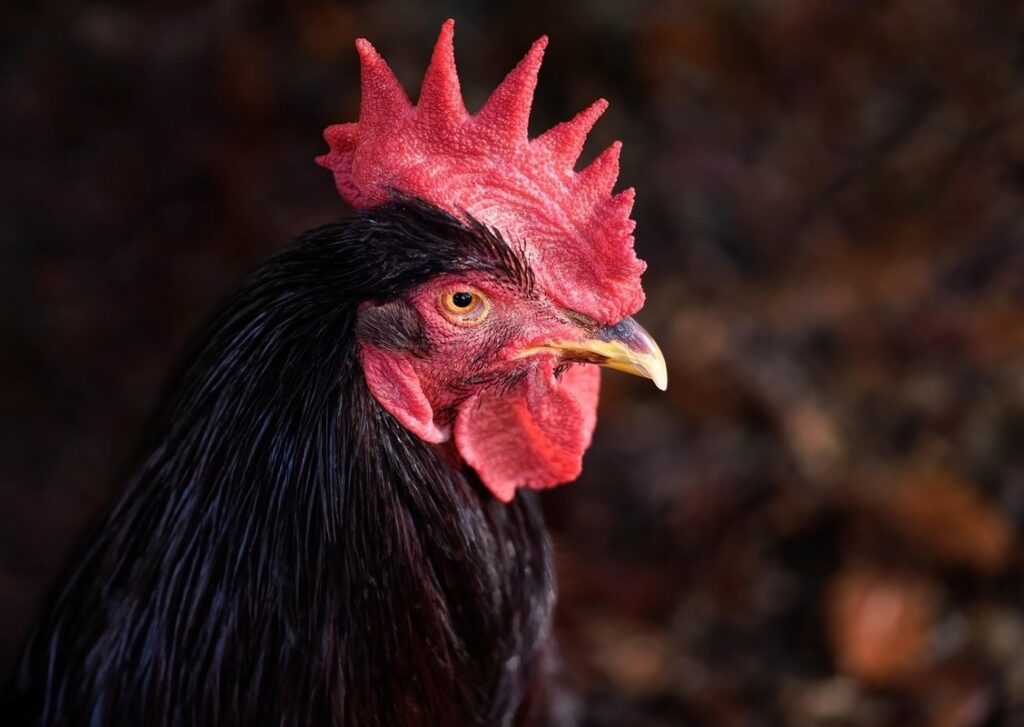
The Rhode Island Red’s plumage is one of its most distinctive and recognizable features. At first glance, you might notice the bird’s signature red-brown feathers that give it a warm, sun-kissed appearance. But did you know that there are actually several variations of this iconic color? The breed comes in a range of shades, from a deep, rich red to a more muted brown.
One of the most notable plumage patterns is the Rhode Island Red’s unique feathering on its neck and breast. These feathers have a beautiful, intricate pattern with subtle shading that gives the bird an air of elegance. As you look closer, you’ll notice that each feather has a distinctive shape and texture, adding depth and visual interest to the overall appearance.
In terms of color variation, some breeders are now experimenting with introducing new shades, such as darker, almost maroon tones. While these variations can add visual interest to the breed, it’s essential to remember that the Rhode Island Red’s signature red-brown feathers are what make it instantly recognizable. Whether you’re a seasoned breeder or just starting out, understanding the nuances of plumage and color variation is crucial for selecting birds with the desired characteristics.
Temperament and Personality Traits
Rhode Island Reds are known for their friendly, outgoing personalities, but each chicken has its own unique temperament and set of traits that make them special. Let’s explore what makes these birds tick.
Docile Nature and Friendliness
The Rhode Island Red’s docile nature and friendliness are just two of the many reasons why this breed has captured the hearts of chicken keepers worldwide. Known for their gentle disposition, they make excellent companions for both children and adults alike. Their calm demeanor allows them to thrive in backyard flocks, where social interaction is abundant.
One of the most distinctive traits of the Rhode Island Red is its ability to form close bonds with humans. They are quick to recognize their owners and will often follow them around the yard, eager for attention and treats. With regular handling and socialization from an early age, these birds can become incredibly tame, allowing children to pick them up and cuddle them.
Their friendly nature also makes them a great choice for first-time chicken keepers. They are relatively easy-going and less likely to fight or stress out in the presence of other birds. However, as with any breed, it’s essential to introduce them to new flock members slowly and under close supervision to prevent any potential conflicts. With proper care and attention, your Rhode Island Red will reward you with years of affectionate companionship.
Intelligence and Trainability
Rhode Island Reds are known for their exceptional intelligence and trainability. They’re often described as “easy-going” and “gentle,” making them a delight to work with. In fact, studies have shown that Rhode Island Reds are one of the top three breeds when it comes to problem-solving skills.
So, how can you tap into this intelligence? Start by establishing trust and building a strong bond with your bird. Spend quality time with them daily, engaging in activities like foraging games or simple tricks. Consistency is key, so set aside dedicated time each day to interact with your Rhode Island Red.
Here are some actionable tips:
* Use positive reinforcement techniques, such as offering treats or praise when they perform a task correctly.
* Be patient and gentle, as Rhode Island Reds can be sensitive to harsh sounds or sudden movements.
* Keep training sessions short and fun to prevent overwhelming them.
* Mix things up by introducing new toys or activities to keep their minds engaged.
By following these tips, you’ll not only strengthen your bond with your Rhode Island Red but also unlock their full potential for learning.
Health and Longevity
Maintaining a Rhode Island Red’s health is crucial for its longevity, so let’s explore some essential tips to keep your bird thriving and happy.
Average Lifespan and Common Health Issues
On average, a Rhode Island Red’s lifespan is around 8-12 years, which is relatively long compared to other breeds. Factors such as nutrition, exercise, and overall health play significant roles in determining their longevity. It’s essential for breeders and owners to prioritize regular check-ups with a veterinarian to monitor the bird’s health.
Common health issues that may affect Rhode Island Reds include obesity, which can lead to various complications like heart disease and diabetes. A balanced diet and regular exercise can help prevent this issue. Regular cleaning of the coop and run is also crucial in maintaining their overall health, as it prevents the buildup of bacteria and other diseases.
Some breeders have reported that their Rhode Island Reds may be prone to certain genetic disorders, such as egg-laying issues or reproductive problems. It’s essential for owners to research reputable breeders who prioritize health testing and breeding healthy birds. By taking preventative measures and staying informed about potential health risks, you can help your Rhode Island Red live a long and healthy life.
Genetic Traits and Susceptibilities
The Rhode Island Red is known for its robust health and longevity, but like all breeds, it’s not immune to certain genetic traits and susceptibilities. As a responsible owner, understanding these characteristics can help you provide the best possible care for your bird.
One of the most notable genetic traits of the Rhode Island Red is its susceptibility to obesity. Due to their love for food and tendency to overeat, many RIRs can become overweight or obese if not managed properly. Regular monitoring of their diet and ensuring they get enough exercise can help mitigate this risk.
Another genetic trait to be aware of is the RIR’s predisposition to certain health issues such as gout and hyperlipidemia. These conditions are often linked to dietary factors, so maintaining a balanced diet that’s rich in fruits, vegetables, and whole grains can help reduce the risk.
By being mindful of these potential health concerns, you can take proactive steps to ensure your Rhode Island Red lives a long and healthy life. Regular check-ups with a veterinarian, along with proper care and attention to their specific needs, will go a long way in maintaining your bird’s overall well-being.
Egg-Laying Abilities
When it comes to egg-laying, Rhode Island Reds are one of the most prolific breeds around, producing a large number of eggs throughout their laying cycle. Let’s take a closer look at what you can expect from these egg-cellent ladies.
Average Daily Egg Production
When it comes to egg-laying abilities, Rhode Island Reds are among the most impressive breeds around. These birds are known for their exceptional production rates, making them a favorite among backyard chicken keepers and commercial farmers alike.
On average, a healthy Rhode Island Red hen will lay around 200-220 eggs per year, which translates to about 5-6 eggs per week. This is quite impressive, especially when compared to other breeds that may only lay half as many. But what’s even more remarkable is their daily egg production – on average, a Rhode Island Red will lay around 1-2 eggs per day.
To give you a better idea of just how prolific these birds are, let’s look at some real-world examples. One study found that a flock of Rhode Island Reds produced an average of 280 eggs per hen in the first year alone. That’s a whopping 14% increase from their expected production rate! With proper care and management, your own Rhode Island Red hens can reach similar levels of productivity. To get started, be sure to provide plenty of fresh feed, clean water, and regular exercise to keep them happy and healthy.
Tips for Maximizing Egg Production
To maximize egg production from your Rhode Island Reds, it’s essential to create an optimal environment that caters to their specific needs. First and foremost, ensure they have access to a balanced diet rich in protein and calcium. Provide a high-quality layer feed as the main staple, supplemented with fresh fruits and vegetables like dark leafy greens, carrots, and apples.
A clean and spacious coop is also crucial for maintaining optimal egg-laying abilities. Ensure there’s enough ventilation to prevent ammonia buildup, which can be detrimental to their health. A minimum of 2-3 square feet per bird is recommended for roaming space within the coop.
Maintain a consistent temperature range between 40°F and 80°F (4°C and 27°C) by installing adequate insulation and ventilation. Regularly collect eggs from the nesting box to prevent egg breakage and encourage continued production. Aim to provide at least 14 hours of daylight for your birds, which can help regulate their internal clock.
By following these guidelines, you’ll be well on your way to creating an optimal environment that supports maximum egg production from your Rhode Island Reds.
Caring for Your Rhode Island Red
To ensure your Rhode Island Red stays happy and healthy, it’s essential to provide proper care, including a balanced diet and regular maintenance of their coop. Regular checks will help prevent health issues.
Housing Requirements and Recommendations
When it comes to housing your Rhode Island Red, providing a suitable coop is crucial for their well-being and health. A minimum coop size of 3-4 square feet per bird is recommended, but more space is always better. Consider a rectangular coop with enough headroom for easy movement, as tall birds can struggle in cramped spaces.
When designing your coop, don’t forget to include adequate ventilation to prevent ammonia buildup from droppings and moisture accumulation. A simple rule of thumb is to provide 1-2 square feet of ventilation space per bird. Consider adding windows or a cupola to increase airflow and natural light. For example, a well-designed coop with proper ventilation can significantly reduce the risk of respiratory problems.
To make the most of your coop’s space, incorporate multi-level perches and roosting bars for exercise and relaxation. This will encourage your Rhode Island Red to move around freely, keeping them active and entertained. By paying attention to housing requirements and design, you’ll be providing a safe and comfortable environment for your beloved bird to thrive in.
Diet and Nutrition Guidelines
When it comes to feeding your Rhode Island Red, providing a balanced diet is crucial for their overall health and well-being. These birds are known to be voracious eaters and can consume up to 20% of their body weight in food each day, so make sure you’re prepared to provide plenty of sustenance.
A good starting point for determining the ideal diet for your Rhode Island Red is to consider their age. Chicks will require a starter feed that’s high in protein (18-20%) and calcium content, while pullets can switch to layer feed once they reach 16 weeks old. As they mature into laying hens, their dietary needs may change slightly.
To ensure you’re meeting your Rhode Island Red’s nutritional requirements, look for feeds that are labeled as ‘complete’ or ‘layer’ feeds. These will contain a balanced mix of vitamins and minerals necessary for egg production and overall health. Supplementing with fruits and vegetables is also a great way to add variety to their diet and provide essential nutrients. Consider offering leafy greens like kale and spinach, as well as fresh fruits such as berries and melons.
Conclusion: Why the Rhode Island Red is an Ideal Choice
So, you’ve learned all about the amazing characteristics of the Rhode Island Red and are wondering if they’re really the right choice for your farm. Let’s summarize why this breed stands out as an ideal option.
Summary of Key Characteristics
The Rhode Island Red has proven itself to be an ideal choice for many backyard chicken keepers due to its unique combination of characteristics. This breed excels at producing high-quality eggs and is known for being friendly, docile, and adaptable.
One key characteristic that sets the Rhode Island Red apart from other breeds is its exceptional egg-laying abilities. On average, a mature female will lay around 200-220 brown eggs per year, making it an excellent choice for families who rely on their backyard flock for a steady supply of fresh eggs. However, it’s essential to note that individual results may vary depending on factors such as nutrition, health, and living conditions.
Beyond its impressive egg-laying abilities, the Rhode Island Red is also prized for its friendly and docile nature. This breed is known for being relatively quiet and gentle, making them an excellent choice for families with children or for those who live in close proximity to their neighbors. They are also highly social birds that thrive on interaction and attention from their human caregivers.
In addition to its temperament, the Rhode Island Red is also relatively easy to care for due to its hardiness and adaptability. They are well-suited to a variety of living conditions and can tolerate temperatures as high as 100°F (38°C) and as low as -20°F (-29°C). With proper care and attention, a Rhode Island Red can live for around 8-10 years in the backyard flock.
Ultimately, the key characteristics that make the Rhode Island Red an ideal choice for many backyard chicken keepers include its exceptional egg-laying abilities, friendly and docile nature, hardiness, and adaptability. If you’re looking to add a new breed to your flock or start your first backyard chicken-keeping adventure, the Rhode Island Red is certainly worth considering.
Frequently Asked Questions
Can Rhode Island Reds be kept as pets, or are they primarily for egg production?
Yes! Rhode Island Reds make wonderful pets due to their docile nature and friendly personalities. They are also prolific layers, producing an average of 200-220 brown eggs per year, making them a great choice for backyard chicken keepers who want both companionship and fresh eggs.
How can I ensure my Rhode Island Red’s egg-laying abilities remain optimal?
To maximize your Rhode Island Red’s egg production, provide a balanced diet rich in protein, calcium, and other essential nutrients. Also, make sure they have adequate space to roam and exercise, as well as access to fresh water and shelter from extreme weather conditions.
What are some common health issues I should be aware of when keeping Rhode Island Reds?
Rhode Island Reds are generally a hardy breed, but they can be susceptible to certain health issues such as obesity, mites, and respiratory problems. Regular veterinary check-ups, proper vaccination, and maintaining good hygiene practices in the coop can help prevent or manage these conditions.
Can I mix Rhode Island Reds with other breeds in my backyard flock?
Yes! Rhode Island Reds are known for their adaptability and can thrive in a mixed-breed flock. However, it’s essential to introduce them slowly and under close supervision to ensure a harmonious integration and avoid any potential conflicts or territorial behaviors.
How long do Rhode Island Reds typically live, and what’s the average lifespan of this breed?
The average lifespan of a Rhode Island Red is around 8-10 years, although some individuals have been known to live up to 12 years with proper care and management. Factors such as diet, health conditions, and exposure to diseases can all impact their overall lifespan.