
When you crack open an egg to cook your breakfast, have you ever noticed a cloudy or chalky coating on the shell? That’s the natural bloom on eggs, a protective layer that prevents moisture and bacteria from entering. But sometimes, this bloom can be a problem if it’s not removed properly, affecting the appearance and quality of the egg. Effective egg washing is crucial to maintain the freshness and safety of eggs, but it requires a delicate balance between removal and preservation. In this article, we’ll explore the benefits and risks of removing bloom on eggs, as well as best practices for efficient and safe egg washing techniques. By understanding how to wash eggs properly, you can help ensure that your eggs are clean, fresh, and ready for consumption.
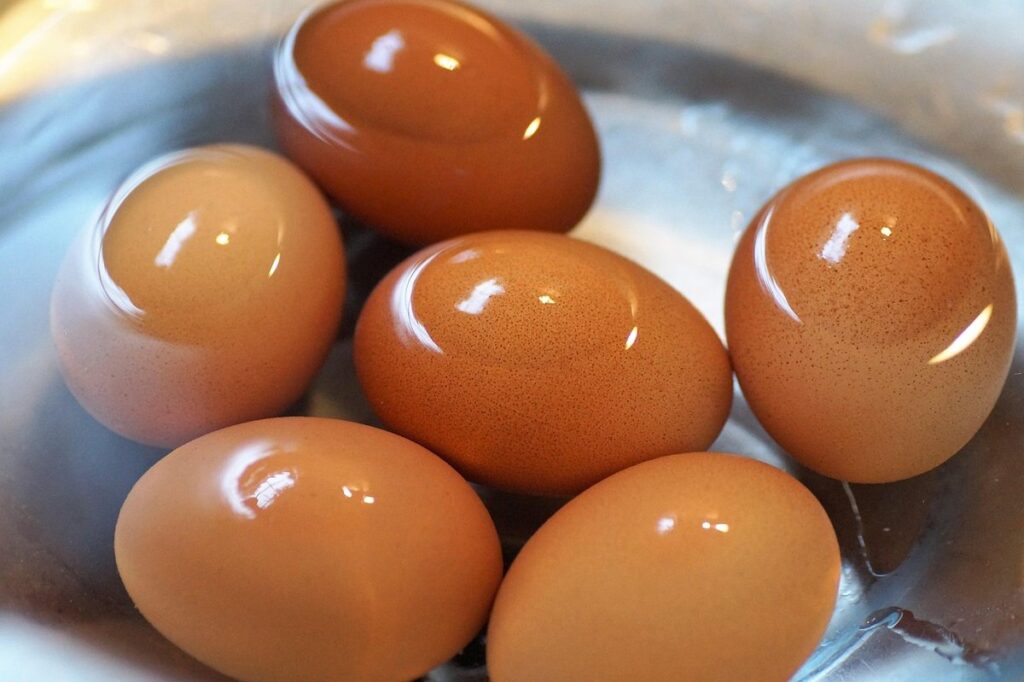
What is Egg Bloom?
So, you’ve heard of egg bloom but aren’t entirely sure what it means – let’s dive into the details and explore its importance when it comes to washing eggs.
Definition and Causes of Egg Bloom
Egg bloom refers to the natural waxy coating on eggs that helps protect them from drying out and prevents bacteria from entering the egg. This protective layer is made up of proteins and moisture, which work together to keep the egg safe and fresh. The primary cause of egg bloom is the cuticle, also known as the “bloom,” that forms on the surface of the eggshell.
The role of proteins in forming this coating is crucial. Certain proteins, such as ovotransferrin, play a significant part in creating this waxy layer. When eggs are laid, these proteins secrete a natural barrier that prevents moisture loss and shields the egg from external contaminants. However, washing eggs can strip away this protective layer, leaving them more susceptible to bacterial contamination.
Excessive moisture is also a contributing factor to the formation of egg bloom. High humidity levels during storage or transportation can cause eggs to absorb excess moisture, leading to an increased risk of bacterial growth and spoilage. By understanding the causes of egg bloom, you can take steps to preserve this natural coating and keep your eggs fresh for longer.
Types of Egg Bloom and Their Effects on Washability
There are several types of egg bloom, each with its own unique characteristics and effects on washability. The most common types of egg bloom include: Porous Bloom, Membrane Bloom, and Cuticle Bloom.
Porous Bloom occurs when the tiny pores on the surface of the eggshell become clogged with a waxy substance, making it difficult to clean the eggs. This type of bloom can be challenging to remove, especially if not addressed promptly.
Membrane Bloom is caused by the drying out or cracking of the eggshell membranes, which can lead to a rough, sticky surface that’s hard to wash. When washed, eggs with membrane bloom may require extra attention to ensure all residue is removed.
Cuticle Bloom, also known as the “bloom” on the surface of the egg, is a natural, waxy layer that helps protect the eggshell from moisture loss. While it can make washing more difficult, cuticle bloom is generally considered harmless and easy to clean with mild soap and water.
It’s essential to note that eggs with bloom may require specialized cleaning methods or equipment to maintain washability and prevent any potential damage to the eggshell membranes.
Benefits of Washing Eggs with Bloom
Washing eggs with bloom not only helps remove dirt and bacteria, but it also has numerous benefits for your family’s health. Let’s explore what makes it so valuable in this section.
Why Remove Egg Bloom?
Removing egg bloom may seem counterintuitive when trying to preserve eggs, but it’s actually an essential step for achieving optimal results. When you remove the natural protective layer of bloom, you’re allowing the washing process to penetrate deeper into the pores of the shell. This improved washing efficiency makes it easier to remove dirt and debris that can harbor bacteria and other contaminants.
In fact, research has shown that eggs with intact bloom are more susceptible to contamination than those without. By removing the bloom, you’re reducing the risk of contamination and creating a cleaner surface for subsequent washes. Additionally, removing the bloom helps prevent moisture from seeping into the egg through the pores, which can lead to spoilage and a shorter shelf life.
To effectively remove egg bloom, gently scrub the eggs with a mild detergent under cold running water. Rinse thoroughly and dry immediately to prevent bacterial growth. This simple step sets the stage for successful washing and storage of your eggs. By taking control of this initial step, you’ll be better equipped to handle subsequent washes and ensure the longevity of your fresh eggs.
How to Remove Egg Bloom Effectively
Removing egg bloom can be a bit tricky, but don’t worry, we’ve got you covered. To effectively remove egg bloom, start by filling a bowl with cold water and adding 1-2 tablespoons of white vinegar or lemon juice. Gently submerge the eggs into the solution and let them soak for about 5-10 minutes. This will help loosen the protein-based coating.
After soaking, carefully lift the eggs out of the solution and use a soft-bristled brush to gently scrub away any remaining bloom. Make sure to clean around the air pocket at the large end of the egg, as this is where the bloom tends to accumulate.
If some areas still appear stubborn, you can try using a mild soap or detergent specifically designed for cleaning eggs. Be cautious not to use too much pressure or harsh chemicals, as these can damage the eggshell. For particularly tough cases, you can repeat the soaking and scrubbing process one more time before rinsing the eggs thoroughly with cold water.
The Risks of Not Washing Eggs with Bloom
Washing eggs can be a delicate matter, and neglecting to remove bloom completely can lead to a range of issues, including contamination and reduced shelf life.
Contamination and Sanitation Issues
Not washing eggs with bloom can lead to contamination from various sources. Bacteria like Salmonella and E. coli can enter the egg through cracks or pores on the shell. These microorganisms thrive in moist environments, making unwashed eggs more susceptible to contamination.
Dirt and other substances can also adhere to the surface of uncleaned eggs, creating an ideal breeding ground for bacteria. This is particularly concerning if you’re planning to store your eggs for an extended period. Even a small amount of dirt or debris can compromise the quality and safety of the eggs.
In addition to these risks, not washing eggs with bloom can also lead to contamination from other sources like feathers, feces, and other particles that may have accumulated on the eggs during collection. To avoid these issues, it’s essential to gently rinse your eggs under cold running water, ensuring that you clean off any visible dirt or debris.
Economic Implications of Poor Egg Handling Practices
Poor egg handling practices can have far-reaching economic implications for both farmers and consumers. One of the most significant consequences is increased waste due to cracked or damaged eggs. When eggs are not handled properly, they are more likely to be dropped or subjected to extreme temperatures, leading to a higher rate of breakage. This results in wasted product, reduced revenue, and increased costs for replacement and disposal.
Furthermore, poor handling can also lead to reduced egg quality, affecting their shelf life and overall market value. When eggs are exposed to temperature fluctuations or humidity extremes, the risk of bacterial contamination increases, making them unsuitable for consumption. This, in turn, can lead to costly recalls, damage to a farm’s reputation, and loss of customer trust.
To mitigate these risks, it is essential for farmers to adopt proper egg handling practices, including gentle handling, consistent temperature control, and adequate storage facilities. By prioritizing egg safety and quality, farmers can minimize waste, reduce losses, and maintain a strong market presence.
The Science Behind Egg Washing and Bloom
Let’s dive into the fascinating world of egg washing and bloom, where science meets art to keep your eggs fresh for longer. We’ll explore why egg washing is crucial in preventing moisture buildup on eggshells.
Biochemistry of Egg Proteins and Moisture
Egg proteins and moisture are intricately linked to form egg bloom. The primary protein responsible for this phenomenon is ovotransferrin, also known as ovotransferrin. This glycoprotein plays a crucial role in maintaining the egg’s natural barrier against bacteria and other external agents.
When an egg is laid, the air sac within the shell membrane expands, pushing the cuticle layer towards the outside surface. As the cuticle interacts with moisture from the environment, ovotransferrin reacts to form a complex network of protein-moisture interactions. This process creates a protective film on the egg’s surface, known as bloom.
The biochemistry behind this interaction is fascinating. Ovotransferrin binds to calcium ions present in the cuticle layer, forming a stable protein-calcium complex. As moisture enters the system, it reacts with ovotransferrin and the calcium-protein complex, generating a hydrated gel-like structure on the egg’s surface.
This reaction is reversible, meaning that as the environment becomes dry, the bloom will dissipate. However, regular exposure to humidity can reinforce the bloom, creating an effective barrier against external contaminants. By understanding this process, you can appreciate the importance of maintaining a suitable environment for eggs to develop and maintain their natural protective coating.
Physical Properties of Eggshells and Their Impact on Washability
The physical properties of eggshells play a significant role in determining their washability. One crucial property is porosity, which refers to the number of tiny pores on the surface of the shell. Eggs with high porosity are more prone to water absorption and staining, making them more challenging to clean.
On average, an eggshell has around 15,000-20,000 pores per square inch. While some degree of porosity is necessary for gas exchange between the air cell and the egg contents, excessive porosity can compromise washability. Research suggests that eggs with higher porosity are also more susceptible to bacterial contamination.
Another critical aspect of eggshell physical properties is density. Eggs with lower density tend to have a softer shell, which can lead to cracks during washing or handling. According to the USDA, a typical large egg has a shell density of around 0.5-1.2 grams per cubic centimeter. A more dense shell offers better protection against water penetration and bacterial invasion.
Lastly, surface roughness is another factor influencing washability. Eggshells with a smooth surface tend to be easier to clean than those with a textured or pockmarked appearance. This is because smoother surfaces have fewer areas for dirt and bacteria to accumulate, making it simpler to remove contaminants during washing.
Best Practices for Washing Eggs with Bloom
When washing eggs with bloom, it’s essential to handle them carefully and follow some simple guidelines to prevent damage and maintain quality. Follow these best practices to ensure you’re cleaning your eggs properly.
Equipment and Supplies Needed for Efficient Egg Washing
When it comes to washing eggs with bloom efficiently, having the right equipment and supplies is essential. To get started, you’ll need a sturdy egg washer that can handle the demand of washing large quantities of eggs. Look for a washer with adjustable water temperature control, as this will allow you to optimize the wash process for different types of eggs.
In addition to an egg washer, you’ll also need a sanitizer specifically designed for use on eggs. Chlorine-based sanitizers are effective against bacteria and other microorganisms that can contaminate eggs. However, be sure to follow the manufacturer’s instructions carefully to avoid over-sanitizing your eggs.
Cleaning agents like mild soap or detergent can also come in handy when washing eggs with bloom. These products help remove dirt and debris from the eggshells without leaving any residue behind. Make sure to rinse your eggs thoroughly after using a cleaning agent, as any leftover residue can affect their quality.
Remember to change your cleaning supplies frequently to prevent cross-contamination and maintain optimal cleanliness. Regularly inspect your equipment for signs of wear and tear, replacing them as needed to ensure efficient egg washing processes.
Tips for Maintaining Cleanliness and Preventing Re-Bloom
To maintain cleanliness and prevent re-bloom, it’s essential to establish a regular washing schedule. Wash your eggs every 7-10 days, or as needed, depending on the level of soiling. This frequency helps remove dirt, dust, and bacteria that can accumulate on the eggshells.
Proper storage techniques are also crucial in preventing re-bloom. Store your clean eggs in a cool, dry place, such as a pantry or cupboard. Avoid storing them near windows, doors, or areas with high humidity, as these conditions can promote bacterial growth.
When washing and storing eggs, always maintain good hygiene practices. Wash your hands before handling the eggs, and use a clean, sanitized equipment for washing and drying. Store the eggs in egg cartons or trays to prevent damage and keep them organized. Regularly check on the storage area to ensure it remains dry and free from pests.
By following these tips, you can maintain cleanliness and prevent re-bloom, ensuring your eggs remain fresh and safe to consume.
Conclusion: Balancing Bloom Removal with Egg Quality
Now that you’ve learned how to wash eggs without causing damage, let’s talk about balancing bloom removal with egg quality – a crucial step in maintaining healthy eggs.
Summary of Key Points
In conclusion, it’s essential to strike a balance between removing bloom from eggs and maintaining their quality. This delicate balance can be achieved by understanding the causes of bloom, selecting the right washing methods, and implementing effective sanitizing techniques.
To recap, we’ve discussed the importance of preserving egg quality while minimizing bloom removal. This involves being aware of water temperature, using gentle agitation, and avoiding harsh chemicals. Furthermore, it’s crucial to monitor pH levels and maintain optimal storage conditions.
In practice, this means adjusting washing parameters based on specific egg types or producer requirements. For example, soft-washing techniques can be effective for delicate eggs while still removing bloom. Conversely, mechanical washers might be more suitable for bulk egg processing. Ultimately, finding the right balance requires a combination of technical expertise and hands-on experience.
By applying these principles, you’ll be able to optimize your egg washing process, minimize bloom removal while preserving quality. Remember, it’s all about striking that perfect equilibrium – too little bloom removal can lead to contamination risks, but over-removal compromises egg quality.
Final Thoughts on Egg Washing and Bloom
As you’ve made it to the end of our discussion on egg washing and bloom, it’s essential to reflect on the significance of this process. Maintaining clean eggs is crucial for both consumers and producers alike. A balanced approach to bloom removal can make all the difference between having healthy, marketable eggs and those that are rendered unsellable.
It’s clear that a one-size-fits-all solution won’t work in this situation. The best approach will depend on your specific production methods, climate, and the breed of birds you’re working with. By taking the time to understand these factors and adjusting your egg washing routine accordingly, you can ensure a consistent supply of clean eggs.
Regular monitoring of your flock’s health, living conditions, and environmental factors is also vital in preventing excessive bloom buildup. Consider implementing measures such as dust control systems or improved ventilation to minimize the risk of bacterial contamination.
By striking a balance between bloom removal and egg quality, producers can enjoy increased profitability and reduced waste.
Frequently Asked Questions
Can I use hot water to wash eggs with bloom?
Yes, you can use hot water when washing eggs with bloom, but be cautious not to exceed a temperature of 100°F (38°C) to avoid damaging the eggshell or causing the proteins to denature. Hot water can help dissolve and remove the waxy coating more effectively.
How often should I wash eggs if they have a thick bloom?
If you notice a thick or stubborn bloom on your eggs, it’s recommended to wash them every 7-10 days to maintain cleanliness and prevent bacterial growth. However, if you’re storing eggs at room temperature (around 70°F/21°C), you may need to wash them more frequently.
Can I use vinegar as an alternative to egg washes?
While vinegar can help break down the bloom and sanitize the eggs, it’s not a recommended substitute for proper egg washing. Vinegar can leave behind residues that affect the taste and quality of the eggs, so stick to using a mild detergent specifically designed for washing eggs.
What are some common mistakes people make when removing egg bloom?
One common mistake is using too much water or applying excessive pressure, which can strip away the natural cuticle and compromise the eggshell’s integrity. Another mistake is not rinsing the eggs thoroughly after washing, leading to residual cleaning agents affecting the taste or quality of the eggs.
Can I reuse my egg-washing equipment if it’s been sanitized properly?
If you’ve taken proper steps to sanitize your egg-washing equipment between uses (e.g., using a mild detergent and hot water), it can be reused without compromising the cleanliness or safety of the eggs. However, always inspect your equipment for signs of wear or damage before each use, as these can compromise sanitation standards.