
Are you tired of worrying about your chickens’ health and safety at night? Do you struggle with finding ways to light their coop without breaking the bank or harming the environment? Look no further! Solar chicken coop lighting is here to save the day. Not only does it provide a sustainable solution for powering your flock’s nighttime needs, but it also helps reduce energy costs and carbon footprint.
In this article, we’ll take you through the process of installing solar lights in your chicken coop. From selecting the right type of light to positioning them for maximum efficiency, we’ve got you covered. We’ll also explore the benefits of solar lighting for your chickens, including improved egg production, reduced stress levels, and enhanced overall health. So whether you’re a seasoned chicken keeper or just starting out, keep reading to learn how to give your flock the best possible care with solar-powered coop lights.
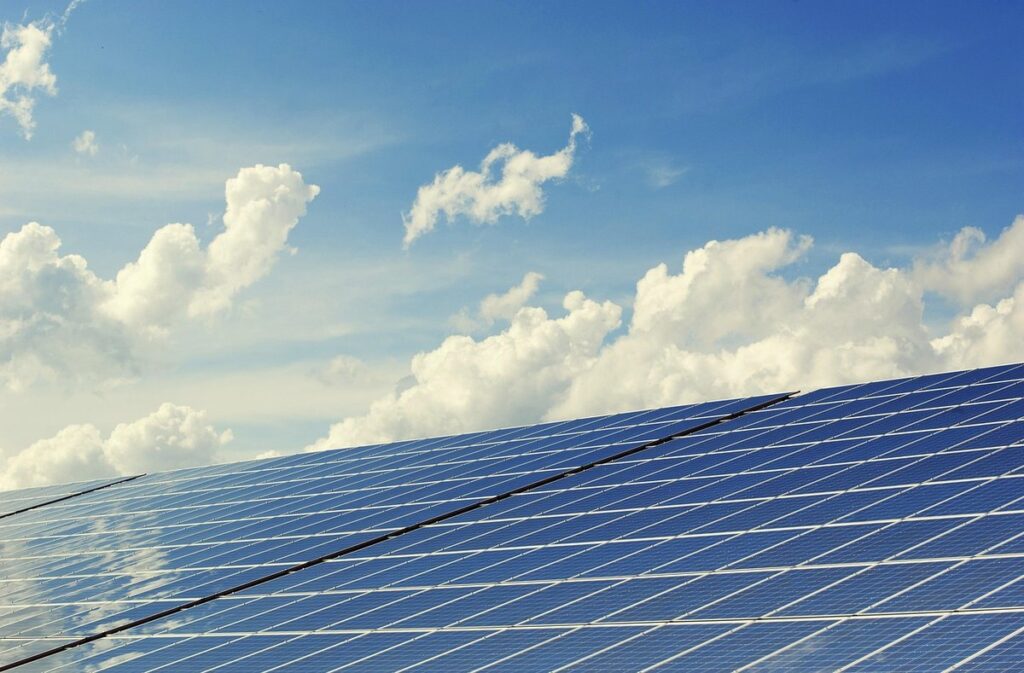
Introduction to Solar Chicken Coop Lighting
Let’s get started on exploring the benefits and best practices of using solar power for your chicken coop lighting. We’ll cover the basics first, so you’re ready to take the leap.
Benefits of Solar Lighting for Your Flock
Using solar lighting for your chicken coop is not only eco-friendly but also offers numerous benefits that can enhance the health and productivity of your flock. For one, solar lights are incredibly energy-efficient, harnessing natural sunlight to power your coop’s lighting needs. This means you won’t have to worry about excessive electricity bills or the environmental impact of carbon emissions.
Another significant advantage is cost-effectiveness. Solar lights eliminate the need for batteries or generators, making them a more budget-friendly option in the long run. Plus, many solar light systems come with built-in sensors that automatically adjust brightness levels based on daylight hours, ensuring your flock gets the right amount of light without wasting energy.
By installing solar lighting in your chicken coop, you can also reduce your reliance on artificial light sources, which can sometimes stress out your birds. This is particularly important during seasonal changes when natural daylight hours are limited. With solar lights, you can provide your flock with a consistent and healthy environment that promotes optimal growth and production.
Common Challenges with Traditional Lighting Options
Traditional lighting methods for chicken coops often come with a range of limitations that can leave you worried about the safety and well-being of your flock. One of the biggest concerns is high electricity bills. Electric lights can be expensive to run, especially if you have a large coop or live in an area where energy costs are high. In fact, according to the US Department of Energy, lighting accounts for around 12% of a typical household’s energy consumption.
Another issue with traditional lighting methods is the potential fire hazard. Incandescent bulbs can get hot, and when exposed to moisture, they can be a serious fire risk. And let’s not forget about the maintenance involved in changing light bulbs – it can be time-consuming and inconvenient.
These limitations have led many chicken keepers to explore alternative options, such as solar lighting for their coops. Solar-powered lights offer a reliable, energy-efficient, and safe way to illuminate your coop, eliminating the need for costly electricity bills and reducing the risk of fire hazards.
Understanding Solar Panel Technology
Let’s dive into the basics of solar panel technology, which will allow you to harness the power of sunlight and illuminate your chicken coop safely and efficiently. This simple yet effective tech is easier than you think!
How Solar Panels Convert Light into Energy
Solar panels convert sunlight into electrical energy through a process called photovoltaics (PV). This involves the use of semiconducting materials that release electrons when exposed to light. The sun’s rays hit the panel, exciting these electrons and causing them to flow through the material.
This flow of electrons creates an electric current, which is then collected by metal conductors on the surface of the panel. The current is sent to an inverter, where it’s converted from DC power to AC power – the type used in homes and businesses.
The efficiency of solar panels depends on various factors, including temperature, light intensity, and panel quality. High-quality panels can achieve efficiencies of up to 22%. Even small amounts of sunlight are enough to generate energy; for instance, a cloudy day still produces around 10-15% of the power of a sunny one.
When choosing solar panels for your chicken coop lighting, look for high-efficiency options and consider factors like panel size, type, and material. Regular maintenance is essential to ensure optimal performance and extend the lifespan of your panels.
Factors Affecting Solar Panel Efficiency
When it comes to powering your solar chicken coop lighting system, understanding the factors that affect solar panel efficiency is crucial. After all, you want to make sure you’re getting the most out of your panels and generating enough electricity for your coop’s needs.
The quality of your solar panels plays a significant role in their efficiency. High-quality panels with a higher wattage rating will generally perform better than lower-quality ones. Look for panels with a high efficiency rate, typically above 18%, to ensure you’re getting the most energy-generating potential.
Proper installation and exposure to sunlight are also vital for optimal performance. Ensure your solar panels are installed at an angle that allows them to receive direct sunlight throughout the day. A general rule of thumb is to install panels between 30° and 40° latitude, depending on your location. Additionally, keep in mind that shading from trees or buildings can significantly reduce efficiency.
By considering these factors, you can maximize your solar panel’s potential and enjoy a reliable and efficient lighting system for your chicken coop.
Choosing the Right Solar Lighting System for Your Coop
When selecting a solar lighting system for your coop, consider factors such as energy efficiency and durability to ensure it meets your flock’s needs. This will help you make an informed decision.
Types of Solar Lighting Systems Available
When it comes to choosing a solar lighting system for your coop, you’ll want to consider various options that cater to different needs and preferences. There are three primary types of solar lighting systems available: LED, CFL, and halogen.
LED solar lights are energy-efficient, long-lasting, and highly cost-effective. They emit minimal heat and can withstand harsh weather conditions, making them an excellent choice for outdoor applications like coop lighting. With a lifespan of up to 50,000 hours, LEDs require less maintenance compared to other options. For instance, you can use LED solar lights with a motion sensor feature to detect movement within the coop, ensuring that your chickens are safe and secure.
CFL (Compact Fluorescent Lamp) solar lights offer a more traditional lighting approach. They use a gas-filled tube that produces light when an electric current is applied. While CFLs are less expensive upfront, they have a shorter lifespan than LEDs and may not be as durable in extreme temperatures. However, if you’re looking for a budget-friendly option with decent performance, CFL solar lights can still provide reliable lighting.
Halogen solar lights use a tungsten filament that’s heated to produce light. They tend to be less energy-efficient compared to LED and CFL options but are often more affordable upfront. However, their lifespan is significantly shorter than LEDs, requiring more frequent replacements. Consider halogen solar lights if you’re on a tight budget or have limited space for battery storage.
When selecting a solar lighting system, it’s essential to consider your coop’s specific needs, such as the size of the area, local climate conditions, and your budget constraints. By weighing these factors against the characteristics of each type of solar light, you can make an informed decision that meets your requirements while providing optimal safety and visibility for your flock.
Key Considerations When Selecting a Solar Lighting System
When selecting a solar lighting system for your coop, there are several key considerations to keep in mind. First and foremost, consider the power output of the system. A higher wattage is often better, but it also means you’ll need more space on your coop’s roof for the panels. For example, if you have a relatively small coop with limited roof space, a 10-watt solar panel may be sufficient.
However, if you have a larger coop or want to power multiple lights, you may need something like a 20-30 watt system. Also, make sure to check the battery capacity of the system. A higher amp-hour (Ah) rating means more storage for nighttime use and potential power outages. For instance, a 12V, 7 Ah battery will provide about 8 hours of light on a single charge.
Durability is also crucial when choosing a solar lighting system. Look for systems with high-quality components that can withstand the elements. Check the product’s IP rating (Ingress Protection) to ensure it can handle rain and snow. A good IP rating should be at least IP67, which means it can withstand temporary submersion in water.
Installing and Maintaining Your Solar Chicken Coop Lighting System
Now that you have your solar chicken coop lighting system up and running, it’s time to dive into the important details of installation and maintenance. This section will walk you through those crucial steps.
Step-by-Step Installation Guide
When it’s time to install your solar chicken coop lighting system, follow these steps carefully to ensure a seamless and efficient setup. Begin by unpacking all the components, including the solar panels, lights, charge controller, and wiring.
To secure the solar panels, choose a spot with optimal sunlight exposure, ideally facing south or west to maximize energy absorption. Use sturdy mounts or clamps to attach the panels to the coop’s roof, ensuring they are level and stable. Make sure not to obstruct any ventilation openings or compromise the structural integrity of the coop.
Next, connect the solar panels to the charge controller using the provided wiring. This device regulates the flow of electricity from the panels to the lights, preventing overcharging and damage. When connecting wires, use wire nuts or connectors to secure them firmly, and ensure all connections are tight and secure.
Finally, install the lights inside the coop, following the manufacturer’s instructions for placement and positioning. Test the system by turning on the lights during daylight hours and checking if they illuminate as expected.
Tips for Extending the Life of Your Solar Lighting System
To get the most out of your solar lighting system for your chicken coop, it’s essential to maintain and extend its life. One of the simplest ways to do this is by keeping the panels clean. Dirt and debris can reduce the amount of sunlight that reaches the cells, which in turn affects the battery’s ability to charge properly. Take a soft-bristled brush or cloth to gently sweep away any dirt or cobwebs from the panels at least once a month.
Another crucial aspect of maintenance is replacing batteries as needed. Most solar lighting systems come with rechargeable batteries that can be replaced every 1-2 years, depending on usage and quality. Keep an eye out for signs of battery degradation such as reduced light output or slower charging times. You’ll want to replace your batteries before they stop working altogether to avoid any potential power outages in your coop.
Regular inspections are also key in extending the life of your solar lighting system. Check all connections, wiring, and panels for any signs of wear or damage. A damaged panel can be costly to repair or even replaced entirely. By staying on top of maintenance tasks, you’ll ensure that your solar lighting system continues to provide reliable light for your flock year-round.
Troubleshooting Common Issues with Solar Chicken Coop Lighting
Don’t worry if your solar chicken coop lighting isn’t working as expected – we’ve got you covered! In this section, we’ll tackle common issues and provide solutions to get your coops illuminated in no time.
Identifying and Resolving Common Problems
When using solar chicken coop lighting, you may encounter common issues that can impact the effectiveness of the system. Low light output is a frequent problem, often caused by inadequate charging during daylight hours. This can be due to factors such as insufficient sunlight exposure or a low-capacity battery.
Another issue you might face is faulty connections within the system. These connections are crucial for ensuring power flows smoothly from the solar panel to the lighting unit. Corrosion, worn-out terminals, or loose connections can all compromise this flow of electricity, resulting in underperforming lights.
To resolve low light output issues, ensure that your solar panels receive sufficient sunlight and consider upgrading to a more efficient battery if needed. Regularly inspect the system’s wiring for signs of damage or wear. Cleaning corroded terminals and tightening loose connections will also help rectify faulty connections. By addressing these common problems promptly, you can maintain optimal lighting levels within your chicken coop, ensuring the health and well-being of your flock.
Preventative Maintenance for a Smooth-Operating System
Regular cleaning and maintenance are essential to ensure that your solar chicken coop lighting system operates smoothly and efficiently. Start by checking the solar panels for dust buildup and debris, as this can significantly reduce their energy-generating capacity. Use a soft-bristled brush or a damp cloth to gently remove any dirt or grime.
In addition to cleaning the solar panels, inspect the lights themselves for any signs of wear or damage. Make sure all connections are secure and not corroded. Also, check the battery’s condition by looking for any visible signs of aging, such as swelling or leakage. If you notice any issues, replace the battery immediately.
It’s also a good idea to perform a routine check on the system’s wiring and connections every few months. This can help prevent short circuits and other electrical problems that may arise from loose connections or frayed wires. By following these simple maintenance tips, you can help extend the lifespan of your solar chicken coop lighting system and ensure it continues to provide reliable illumination for years to come.
Conclusion: Maximizing the Benefits of Solar Chicken Coop Lighting
Now that you’ve set up your solar chicken coop lighting system, let’s review how to get the most out of it for years to come.
Recap of Key Takeaways
In conclusion to our exploration of solar chicken coop lighting, let’s recap the key takeaways that will help you maximize its benefits. By incorporating this sustainable and eco-friendly lighting solution into your backyard flock’s routine, you’ll be providing them with a safe and healthy environment.
You now know how to choose the right solar-powered lights for your chicken coop, considering factors such as brightness, battery life, and durability. You’ve also learned about the importance of proper installation, ensuring that your solar lights receive optimal sunlight exposure. This will not only save you money on energy bills but also give you peace of mind knowing that your flock is well cared for.
Additionally, we discussed how solar chicken coop lighting can help prevent health issues in your birds, such as respiratory problems caused by dust and debris. With the right lighting, you’ll be able to monitor their activity levels and detect any potential issues early on. By following these simple steps and investing in a reliable solar-powered lighting system, you’ll be well on your way to creating a happy and healthy flock.
Final Thoughts and Recommendations
As you consider implementing solar chicken coop lighting systems, it’s essential to keep a few key points in mind. For small backyard coops, start by assessing the size of the coop and the number of chickens. Solar panels can be added to existing coops or integrated into new designs, making them a versatile solution for any home.
For larger commercial farms, consider scaling up solar panel arrays to meet energy demands while minimizing costs. This might involve investing in more robust storage batteries and monitoring systems to ensure consistent lighting and optimal chicken health.
Regardless of the setup, it’s crucial to choose high-quality solar panels that are designed specifically for outdoor use. Look for products with durable coatings, weather-resistant seals, and sufficient wattage output to meet your coop’s needs.
Incorporating solar chicken coop lighting not only provides a sustainable energy source but also enhances animal welfare by mimicking natural daylight patterns. By considering these factors and planning thoughtfully, you can create an efficient and humane lighting system that benefits both chickens and the environment.
Frequently Asked Questions
Can I use solar chicken coop lighting for my large flock or is it suitable only for small coops?
Solar chicken coop lighting can be used for both small and large flocks, depending on the system’s capacity to handle the increased energy demand. When selecting a system, consider the number of lights needed and choose one that suits your coop’s size and lighting requirements.
How do I ensure the solar panels are positioned correctly for optimal performance?
Proper positioning of solar panels is crucial for maximum efficiency. Ensure they face south or southwest to receive direct sunlight, and maintain a 30-degree angle to allow snow and debris to slide off easily. Consider installing a tilt mount or adjusting the panel’s orientation seasonally.
What happens if my solar chicken coop lighting system fails during winter months when sunlight is scarce?
Solar lighting systems can still function during winter, but their performance may be reduced due to limited sunlight. Consider investing in battery backup systems or supplemental lighting sources to maintain a consistent light level. Regular maintenance and testing can also help identify potential issues before they cause problems.
Can I integrate solar chicken coop lighting with my existing coop design or do I need to make significant modifications?
Solar lighting systems can often be integrated into existing coops, especially if the design allows for easy installation of panels and lights. Consider consulting a professional installer who can assess your coop’s layout and recommend suitable modifications or additional features.
What are some common maintenance tasks I should perform regularly to ensure my solar chicken coop lighting system operates efficiently?
Regular cleaning of solar panels, checking for blockages or debris, and inspecting connections and wiring are essential maintenance tasks. Schedule annual inspections to identify potential issues before they become major problems, and replace batteries or components as needed to maintain optimal performance.