
If you’re a fan of small but mighty chickens, then you’ll adore the charming Bantam Cochin. These adorable birds have captured the hearts of many with their compact size, fluffy feathers, and loving personalities. But did you know that beyond their endearing nature, Bantams are also prized for their rich history, unique characteristics, and versatility in breeding, showing, and raising? Whether you’re a seasoned poultry enthusiast or just starting to explore the world of backyard chickens, understanding the ins and outs of these lovable birds is essential. In this article, we’ll delve into the fascinating realm of Bantam Cochins, covering their origins, history, health considerations, temperament, and expert tips on breeding, raising, and showing them – so you can bring home your very own charming companion!
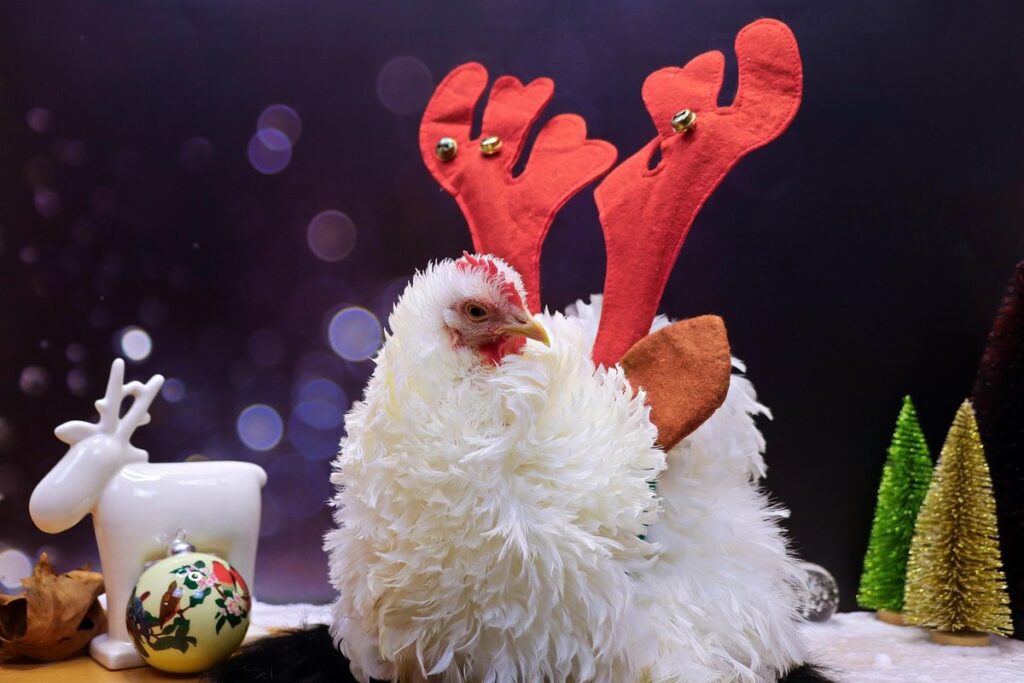
Introduction to Bantam Cochins
Welcome to our introduction to bantam cochins, where we’ll explore the unique characteristics and charms of these delightful small chickens. Let’s dive into what makes them so special!
Origin and History
The bantam cochin’s ancestry is deeply rooted in the rich history of poultry breeding. Its story begins with its larger counterpart, the cochin chicken, which originated in Asia over 300 years ago. This majestic breed was highly valued for its unique appearance and impressive size, with some males reaching up to 17 pounds.
However, as poultry enthusiasts began experimenting with smaller versions of their beloved breeds, the bantam cochin started taking shape. By selectively breeding the larger cochins down to size, breeders were able to create a miniature version that still retained the original’s signature characteristics.
Through careful selection and cross-breeding, the bantam cochin emerged as a distinct breed in its own right. Its compact size, fluffy plumage, and sweet temperament quickly won over the hearts of many poultry enthusiasts. Today, the bantam cochin remains a popular choice among backyard chicken keepers and breeders alike, cherished for its gentle nature and adorable appearance.
Interestingly, the term “bantam” itself refers to chickens that originated from the island of Bali in Indonesia, which was known for producing miniature versions of various breeds. This etymological connection highlights the bantam cochin’s Asian heritage and adds to its allure as a unique and exotic breed.
Physical Characteristics
Bantam cochins are one of the smallest but most charming breeds in the world of chickens. On average, they weigh around 1-2 pounds and stand about 10 inches tall, making them an ideal choice for small backyards or even urban spaces.
When it comes to their physical characteristics, bantam cochins have a few distinctive features that set them apart from other breeds. Their beak shape is slightly curved, which is typical of cochins but not as pronounced as in larger cochin varieties. Their earlobe type is another unique feature – bantam cochins often have no earlobes or very small ones.
Their feathers are what truly make bantams stand out, however. They come in a stunning array of colors and patterns, including white, black, buff, and even gold. But it’s not just their color that’s impressive – the unique texture of their feathers also makes them quite remarkable. Imagine soft, fluffy coats with intricate patterns woven throughout; that’s what you get with bantam cochins.
These adorable birds are sure to capture your heart with their tiny size and big personality. With proper care and attention, they can thrive in even the smallest environments, making them a perfect choice for backyard farmers or seasoned breeders alike.
Temperament and Personality
When it comes to bantam cochin temperament, one of the most appealing aspects is their gentle and affectionate nature. They make wonderful pets for families and experienced breeders alike.
Friendly and Affectionate Nature
Bantam cochins are renowned for their gentle and affectionate nature, making them an excellent choice as pets. They thrive on human interaction and will often seek out attention from family members. Many owners report that their bantam cochin follows them around the house, content to be close by.
When interacting with people, bantam cochins are known for their friendly demeanor. They can become quite tame and will often perch on a person’s shoulder or arm, happy to receive pets and scratches behind the ears. However, it’s essential to socialize your bantam cochin from an early age to ensure they develop good manners around people.
In households with other animals, bantam cochins generally get along well with other birds, but may require some time to adjust to the presence of dogs or cats. With proper introduction and supervision, they can live harmoniously alongside other pets. Children in the household will adore their bantam cochin’s affectionate nature, and the bird will likely form a strong bond with them.
If you’re considering bringing a bantam cochin into your home, be prepared for a constant companion that will bring joy and laughter to your family.
Trainability and Socialization
When it comes to bantam cochins, their temperament and personality are shaped by early socialization. These birds thrive on interaction and affection, making them highly trainable with the right approach. Socialization is key in helping your bantam cochin become confident and friendly.
To start, handle your bantam chicks from an early age to get them accustomed to human touch. Gently pick them up, cradle them, and talk soothingly to help them associate humans with comfort. As they grow, gradually introduce them to new environments, people, and animals to broaden their social circle.
One essential tip is to establish a daily routine that includes playtime, handling, and interaction. This helps your bantam cochin understand what’s expected of them and develops trust between you and the bird. For example, set aside 15 minutes each day for gentle handling, offering treats or toys to keep them engaged.
By investing time in socialization and training, you’ll raise a friendly, outgoing bantam cochin that’s eager to please. With patience and consistency, these birds can become loving companions and even participate in simple agility training or tricks.
Health Considerations
When it comes to owning a bantam Cochin, there are several health considerations you’ll want to be aware of before bringing one home. Regular check-ups and proper care can help prevent common issues in these adorable birds.
Common Health Issues
Bantam cochins are prone to several common health issues that can affect their quality of life. One major concern is feather picking, a behavior where birds excessively pluck their own feathers due to stress, boredom, or nutritional deficiencies. To identify this issue early, look for signs such as bald patches, skin irritation, and restlessness in the bird.
Respiratory problems are another common health issue affecting bantam cochins. These can be caused by genetics, environment, or poor ventilation in their coop. Keep an eye out for symptoms like wheezing, coughing, and labored breathing. To prevent respiratory issues, ensure proper airflow in your coop and maintain a clean living space.
Obesity is also a concern among bantam cochins due to overfeeding and lack of exercise. Monitor your bird’s weight by feeling their keel (breastbone), which should be easily felt when the bird is not molting or carrying eggs. Limit treats and ensure they have enough space for regular activity. Regular health checks can help identify potential issues early, allowing you to take preventative measures and address problems before they become severe.
Nutritional Requirements
When it comes to providing optimal care for your bantam cochin, understanding their nutritional requirements is crucial. As a responsible owner, you want to ensure that your feathered friend receives the right balance of nutrients to maintain good health and prevent potential issues.
A balanced diet for bantam cochins should include a mix of high-quality protein sources such as crickets, mealworms, and commercial pellets specifically formulated for chickens. It’s essential to provide adequate calcium to support strong bone growth, especially during the rapid growth phase in young birds. You can supplement their diet with crushed eggshells or dark leafy greens like kale.
Considerations should also be made for the bantam cochin’s size and activity level. Due to their compact build, they require slightly less food than larger breeds but still need enough calories to maintain energy levels. A good rule of thumb is to provide 1/4 cup of feed per pound of body weight daily. Also, ensure fresh water is always available to prevent dehydration.
Provide a shallow dish for bathing and dust baths to promote natural preening and pest control. Fresh fruits like berries and melons can be offered as treats but in moderation due to their high sugar content.
Breeding and Raising Bantams
Whether you’re a seasoned breeder or just starting out, raising bantam Cochins can be a fun and rewarding experience for any poultry enthusiast. This section will guide you through the process of breeding and raising these lovable birds.
Choosing a Breeder
When selecting a breeder for your bantam cochin, it’s essential to prioritize the health and well-being of their birds. A reputable breeder will not only provide you with healthy chicks but also share knowledge about caring for them.
Before purchasing from a breeder, research their reputation online by checking reviews, ratings, and testimonials from previous customers. Look for breeders who are registered with national or local associations, as this indicates they have adhered to certain standards. Ask about the breeder’s experience with bantam cochin specifically and if they prioritize genetic diversity in their breeding program.
Also, ask about the health clearances of the parent birds, such as being free from common bantam diseases like respiratory problems or Marek’s disease. Reputable breeders will be transparent about any potential health issues and provide you with documentation to support this information. You can also visit the breeder in person to observe their living conditions and see how they treat their birds. By doing your due diligence, you’ll increase the chances of getting a healthy bantam cochin that will thrive under your care.
Caring for Baby Chicks
When it comes to caring for baby chicks, especially bantam cochin chicks, their early days are crucial for their development and health. It’s essential to provide them with a safe, comfortable, and clean environment from the moment they hatch.
Newly hatched chicks require a brooder to regulate temperature and maintain humidity levels. A good brooder should have adequate ventilation to prevent ammonia buildup from droppings. Keep the brooder at 90-100°F (32-38°C) for the first few days, then gradually reduce it by 5°F (3°C) every day until they’re around a week old.
Nutrition is also vital during this critical period. Offer starter feed specifically formulated for chicks, and have fresh water available at all times. A shallow dish or a chick waterer with multiple nipples can help prevent drowning.
Maintain excellent hygiene by cleaning the brooder regularly to prevent disease. Disinfect everything with a 1:10 bleach solution before adding new bedding material. Change bedding completely every week to keep the environment clean and free from bacteria.
Showing and Exhibiting Bantams
When it comes to showing your bantam Cochins, proper presentation and handling are key to making a great impression on judges. This includes everything from coop cleanliness to bird grooming techniques.
Rules and Regulations
When participating in bantam shows and exhibitions, it’s essential to familiarize yourself with the rules and regulations governing these events. Each poultry association or competition may have its unique set of guidelines, so be sure to review them thoroughly before entering.
For example, the American Bantam Association (ABA) has specific standards for feather condition, leg quality, and overall appearance. The National Poultry Show (NPS) also has strict rules regarding breed identification, movement, and posture. Ignoring these regulations can result in your bird being disqualified or penalized.
To avoid any issues, study the association’s guidelines carefully and make sure you understand what’s expected of you. During preparation, pay close attention to every detail – from beak shape and size to comb condition and plumage quality. It’s also crucial to ensure that your bird is in top physical condition, as this will directly impact its performance at the show.
Remember, following the rules not only helps maintain a fair competition but also showcases your bird’s true potential.
Tips for Successful Showing
When preparing your bantam Cochin for a show, it’s essential to focus on grooming, handling, and presentation. A well-groomed bird will not only make a great impression but also showcase the breed’s unique characteristics.
Start by thoroughly cleaning and oiling your Cochin’s beak, making sure to remove any dirt or debris that may be hiding their natural shine. Use a soft-bristled brush to gently detangle their feathers, paying extra attention to the fluffy feathering on their legs and wings. A clean and well-groomed bird will make a much more favorable impression than one with matted or dirty feathers.
In addition to grooming, practice handling your Cochin to help them become comfortable with being picked up and handled by judges. This can be achieved by regularly lifting and holding your birds, as well as gently working on their wings and legs.
Conclusion and Final Thoughts
As you’ve reached the end of this article on bantam cochins, it’s essential to summarize your newfound knowledge and consider how you can apply it to your life. By now, you should have a solid understanding of these charming birds’ characteristics, temperaments, and needs. Whether you’re an experienced poultry keeper or just starting out, the bantam cochin is an excellent choice for its gentle nature and attractive appearance.
When deciding whether to bring a bantam cochin into your flock, remember that their calm demeanor makes them an ideal companion bird. If you have young children or other pets in the household, they’ll appreciate the cochin’s friendly and docile behavior. By carefully considering their requirements and characteristics, you can create a harmonious and enjoyable environment for both yourself and your bantam cochin.
Frequently Asked Questions
How can I identify a true Bantam Cochin, and what are the key characteristics to look for?
To confirm that you have a genuine Bantam Cochin, inspect its overall appearance and size. True Bantams typically weigh between 1-4 pounds (0.5-2 kg) and measure around 10-13 inches (25-33 cm) in height. They should also display the distinctive Cochin features such as a large, fluffy comb, feathered shanks, and a gentle demeanor.
What are some common health issues I should be aware of when raising Bantam Cochins?
Bantam Cochins can be prone to certain health issues like bumblefoot, respiratory problems, and obesity due to their compact size. Keep an eye on your birds’ overall health, provide regular veterinary check-ups, maintain a clean coop, and ensure they have adequate space for exercise.
How do I introduce new Bantams to my existing flock, especially if I’m showing them together?
When introducing new Bantam Cochins to your show team or existing flock, follow gradual integration steps. Start by separating the birds in separate runs or areas, allowing them to become familiar with each other’s scents and sounds without direct contact.
Can I keep a single Bantam Cochin as a companion pet, and what are its socialization needs?
While Bantams can thrive as solo pets, they still require regular social interaction and handling. Spend time with your bird daily, engage in play activities, and provide opportunities for exercise to maintain their physical and mental health.
What are some essential tools or equipment I should have when breeding and raising Bantam Cochins?
To ensure a successful breeding program or raise healthy Bantams, consider investing in a good quality incubator, heat lamp, brooder, feeding troughs, nesting boxes, and adequate fencing for the coop. Regular maintenance of these items will help keep your birds happy and thriving.