
Are you ready to shake things up in your backyard flock? If you’re a chicken enthusiast or farmer looking for a unique addition, you’re in luck. Bantam poultry breeds are a world of excitement and charm, waiting to be discovered. These diminutive birds pack a punch with their big personalities and fascinating history. But what sets bantams apart from other chicken breeds? For starters, they come in an incredible range of sizes, varieties, and temperaments – perfect for small farms or backyards where space is limited.
In this article, we’ll delve into the world of bantam poultry breeds, exploring their distinctive characteristics, care requirements, and captivating history. Whether you’re looking to add some personality to your flock or simply want to learn more about these charming birds, we’ve got you covered. By the end of this read, you’ll be well on your way to becoming a bantam expert, ready to make informed decisions when selecting the perfect feathered friend for your homestead.
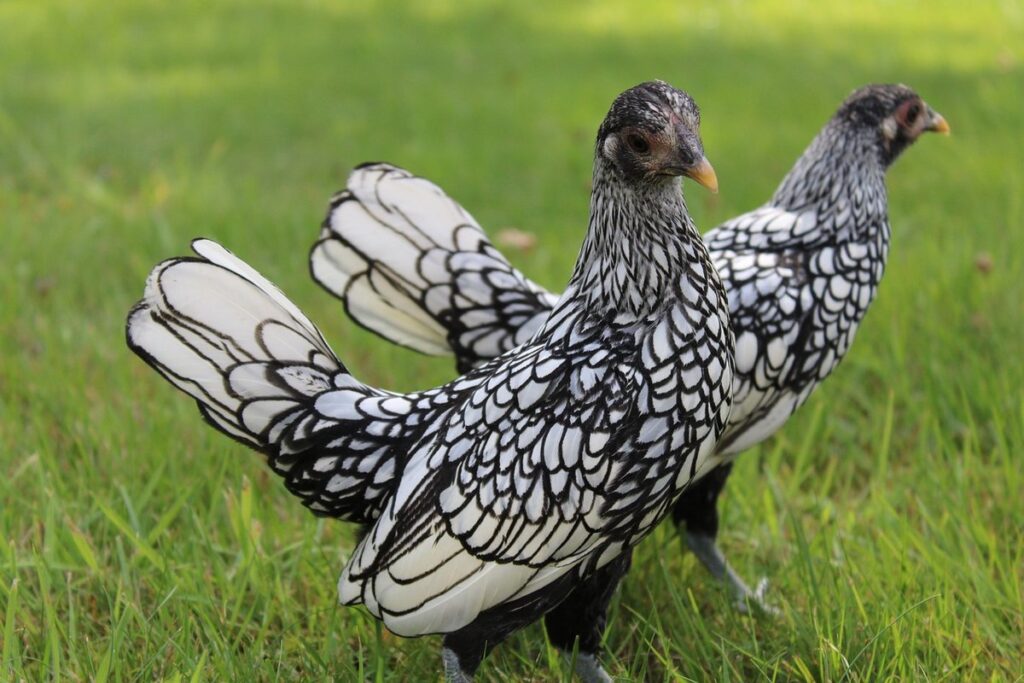
What are Bantam Poultry Breeds?
So you want to know more about bantams, and what makes them so special? Let’s start by exploring the fascinating world of these miniature poultry breeds.
Origin and History of Bantams
The origin and history of bantam poultry breeds is steeped in tradition and rich cultural heritage. Bantams have their roots in Southeast Asia, where they were first domesticated from wild jungle fowl thousands of years ago. These early birds were prized for their small size, hardiness, and vibrant plumage, making them a staple in many Asian cultures.
As trade routes expanded, bantams made their way to Europe, where they quickly gained popularity among farmers and backyard keepers. The Europeans selectively bred the bantams for specific traits, such as size, color, and feather quality, resulting in the diverse range of breeds we know today.
Interestingly, many modern bantam breeds still retain characteristics from their Asian ancestors. For instance, some breeds like the Japanese Silkies and Malays have retained their original wild-type behavior, making them entertaining to keep. By understanding the history of bantams, you’ll appreciate the unique qualities that make each breed special. Whether you’re a seasoned breeder or just starting out, knowing the origins of these birds will help you better understand their needs and personalities.
Key Characteristics of Bantams
Bantam poultry breeds are easily recognizable due to their distinct physical characteristics. One of the most notable features is their size – bantams are smaller than standard chickens, with many varieties weighing in at under 2 pounds. Despite their compact stature, they come in a wide range of shapes and sizes, from the diminutive Silkie Bantam to the robust Old English Game Fowl.
In addition to their size, bantams are also prized for their stunning plumage. Many breeds showcase vibrant colors and intricate patterns on their feathers, making them a delight to behold. The Polish Bantam, with its flowing crest and bearded face, is a popular choice among breeders due to its elegant appearance.
Other key characteristics of bantams include their beak shape and structure. Some breeds have short, stubby beaks, while others boast long, pointed ones. The beak shape can also affect the bird’s ability to forage for food, so it’s essential to choose a breed that suits your lifestyle and needs.
When selecting a bantam breed, consider what you want from your birds – do you need them for egg-laying or show purposes? Choose a breed that fits your requirements and enjoy their unique characteristics.
Types of Bantam Poultry Breeds
There are over 50 recognized bantam poultry breeds, each with its unique characteristics and charm. Let’s take a closer look at some of the most popular varieties.
Small Comb Bantams
Small comb bantams are a unique and charming group of breeds. They’re easily recognizable by their short, compact bodies and small combs, which can range from a tiny pea comb to a button comb. This distinct physical characteristic sets them apart from other bantam breeds.
One of the standout features of small comb bantams is their friendly and outgoing nature. They make excellent pets for backyard chicken keepers, as they’re social, curious, and love human interaction. However, this also means that they require regular attention and care to prevent boredom and stress. Make sure to provide them with a stimulating environment by offering plenty of toys, perches, and scratching posts.
In terms of feeding, small comb bantams have relatively low nutritional needs compared to larger breeds. They thrive on high-quality layer feed or a balanced diet that includes fruits, vegetables, and grains. It’s essential to provide fresh water at all times and ensure that their coop is clean and well-ventilated to prevent health issues.
Some popular small comb bantam breeds include the Dutch Bantam, Japanese Bantam, and Mille Fleur Bantam. Each has its unique characteristics, but they share a common trait – they’re perfect for those who want a compact, low-maintenance pet that’s bursting with personality.
Frizzled Bantams
Frizzled bantams are a unique and eye-catching addition to any backyard flock. One of their most distinctive characteristics is their feathers, which have a “frizzled” or “fuzzy” appearance due to the way they curl under at the tip. This is caused by a genetic mutation that affects the structure of the feather shaft, resulting in a soft, wavy texture.
As beautiful as frizzled bantams are, there are some potential health concerns to be aware of. Frizzling can make it more difficult for the bird’s feathers to protect against cold weather and wet conditions, so they may require extra care during harsh winter months or periods of high humidity. Additionally, frizzled feathers can trap moisture close to the skin, potentially leading to skin infections if not properly maintained.
To keep your frizzled bantam happy and healthy, make sure to provide a dry, draft-free environment and take steps to prevent wetting their feathers as much as possible. Regular cleaning of the coop and run will also help reduce the risk of disease transmission. With proper care and attention, these charming birds can thrive in your flock and add a touch of whimsy to your backyard poultry endeavors.
Bearded Bantams
Bearded Bantams are one of the most distinctive and endearing breeds within the world of bantam poultry. These small birds are characterized by their impressive facial hair, which can range from short, wispy tufts to long, flowing beards that cascade down their chin.
The significance of this facial hair is not just aesthetic – it also plays a crucial role in the bird’s health and well-being. In many breeds, the beard serves as a vital layer of protection against the elements, helping to shield the face from wind, rain, and cold temperatures. It can also help to trap moisture and warm air next to the skin, keeping the bird comfortable even in harsh weather conditions.
If you’re considering bringing a Bearded Bantam into your flock, be prepared for their unique needs. These birds require regular maintenance of their facial hair, which should be trimmed regularly to prevent matting and tangling. They also appreciate a diet rich in omega-3 fatty acids to keep their feathers healthy and shiny.
In terms of temperament, Bearded Bantams are known for their friendly, docile nature – making them an excellent choice for families with children or for experienced poultry enthusiasts looking to add some personality to their flock.
Choosing a Bantam Breed for Your Flock
With so many fascinating bantam breeds to choose from, deciding which ones to bring into your flock can be a daunting task. Let’s break down some key factors to consider when making your selection.
Factors to Consider When Selecting a Bantam Breed
When selecting a bantam breed for your flock, there are several key factors to consider. First and foremost, think about the climate where you live. Some bantam breeds are well-suited to hot climates, while others prefer cooler temperatures. For example, the Japanese Bantam is heat-tolerant and does well in warm weather, but the Sebright is more suited to temperate climates.
Another important consideration is egg production. If you’re looking for a breed that will provide a steady supply of eggs, look for breeds like the Polish or the Belgian Bearded d’Anvers, which are known for their high egg-laying abilities. On the other hand, if you’re more interested in the ornamental qualities of your bantams, you may prefer a breed with lower egg production, such as the Sultan.
Temperament is also an important factor to consider when choosing a bantam breed. Some breeds are known for their friendly and docile nature, while others can be more skittish or aggressive. Researching different breeds and reading reviews from other owners can give you a good idea of what to expect.
Ultimately, the best bantam breed for your flock will depend on your specific needs and preferences. By considering factors like climate suitability, egg production, and temperament, you can make an informed decision and choose a breed that will thrive in your care.
Compatibility with Other Poultry Breeds
When it comes to introducing bantams to your existing flock, it’s essential to consider their compatibility with other poultry breeds. Generally, bantams are social birds and can thrive in mixed flocks, but some breeds may require more attention than others.
For example, Silkies and Polish Bantams are known for their friendly and docile nature, making them an excellent choice for beginners or households with small children. They tend to get along well with larger breeds like Orpingtons and Plymouth Rock chickens, which can provide protection and a sense of security.
However, some bantam breeds may have a more assertive personality, such as the Japanese Bantam or the Belgian Bearded d’Anvers. In these cases, it’s crucial to introduce them slowly and under close supervision to ensure they don’t dominate or bully larger birds.
A good rule of thumb is to start with similar-sized birds and gradually introduce smaller breeds to avoid any potential conflicts. With careful planning and attention to individual personalities, you can create a harmonious and thriving flock that includes bantams and other poultry breeds.
Care and Management of Bantams
When it comes to keeping bantam poultry, proper care and management are crucial for their health and well-being. In this next part, we’ll cover essential tips for caring for your feathered friends.
Housing Requirements for Bantams
When it comes to providing suitable housing for bantams, it’s essential to consider their unique needs. These small birds require a lot of space per bird, as they are naturally active and love to roam. A good rule of thumb is to provide at least 2-3 square feet of floor space per bantam, with additional room for a roosting bar or perch.
Proper ventilation is also crucial in bantam housing. This means providing adequate airflow through the coop, ideally by using windows, vents, or screened areas. This will not only keep your birds cool and comfortable but also help to prevent ammonia buildup from their droppings.
When it comes to protecting your bantams from predators, a sturdy coop is essential. Make sure the coop has secure doors, walls, and floors that can withstand potential threats like raccoons, foxes, or hawks. Consider adding additional features such as hardware cloth or chicken wire around the run to prevent escape and predator entry.
It’s also crucial to consider the bantams’ love of foraging when designing their enclosure. Providing a secure area where they can scratch and peck without escaping will keep them happy and stimulated, while also making it easier for you to collect eggs from your flock.
Nutrition and Health Considerations for Bantams
When it comes to caring for bantam breeds, nutrition and health are crucial aspects to consider. Unlike larger chicken breeds, bantams have unique dietary requirements due to their smaller size and high metabolism. For example, they need more protein-rich foods to maintain their energy levels, which can be challenging to achieve through commercial feed alone.
A well-balanced diet for bantam breeds should include a mix of grains, proteins, and fresh fruits and vegetables. Supplementing with mealworms or sunflower seeds can provide essential nutrients. However, it’s essential to avoid overfeeding, as bantams are prone to obesity.
Some potential health issues in bantams include respiratory problems due to their compact chest size, and leg and joint issues from excessive movement. Regular check-ups with a veterinarian experienced in poultry care will help identify any underlying health concerns early on.
In addition to diet and regular veterinary checks, maintaining a clean living environment is vital for bantam health. This includes removing droppings daily, providing adequate ventilation, and ensuring access to fresh water at all times.
Fun Facts about Bantam Poultry Breeds
Bantam poultry breeds are full of surprises, and we’re excited to share some fun facts that will make you love these tiny birds even more. Get ready to be delighted by their unique characteristics!
Unique Traits and Characteristics of Bantams
Bantam breeds are known for their compact size and endearing personalities. One of the most distinctive traits of bantams is their small stature, with many varieties weighing in at just a few pounds. Despite their tiny size, bantams are surprisingly hardy and can thrive in a variety of environments.
Some bantam breeds are also prized for their unique characteristics, such as the Silkie’s fluffy, feathered legs or the Polish’s crested head. These unusual features not only make bantams visually striking but also require special care to maintain their health and appearance.
When selecting a bantam breed, it’s essential to consider its specific needs and requirements. For example, some bantams are more prone to frostbite due to their thin feathers, so they may need extra protection in cold climates. On the other hand, others may require regular grooming to prevent matting of their distinctive feathers.
By understanding and catering to a bantam’s unique characteristics, you can create a happy and healthy home for these charming birds.
Cultural Significance of Bantams in Different Countries
Bantam poultry breeds have been an integral part of various cultures around the world for centuries. In some countries, these small but mighty birds are revered for their unique characteristics and contributions to the community.
In Japan, Bantams are considered a symbol of good luck and prosperity. They’re often kept as pets and displayed at traditional festivals like the Cherry Blossom Festival. On the other hand, in India, Bantam chickens are prized for their ability to thrive in small spaces and are used for egg production on rural farms.
In Europe, particularly in the UK and France, Bantams have been bred for centuries for their striking appearance and lively personalities. They’re often shown at poultry exhibitions and admired for their unique characteristics.
Interestingly, in some African countries like Ghana and Nigeria, Bantam chickens are considered a vital source of protein and income for local farmers. By raising these hardy birds, families can earn a steady income and enjoy the benefits of fresh eggs and meat.
In many cultures, Bantams are cherished not just for their usefulness but also for their charm and beauty.
Frequently Asked Questions
Can I mix bantam breeds with other chicken breeds in the same flock?
Yes, bantams can be mixed with other chicken breeds, but it’s essential to consider their size difference and potential for bullying or stress. Start by introducing them slowly under close supervision, ensuring both species have adequate space and resources.
How do I ensure my bantam chickens receive proper nutrition and stay healthy?
Nutrition and health are crucial for bantams. Provide a balanced diet rich in protein, calcium, and vitamins, and consider supplementing with probiotics or oyster shells to support digestive health. Regularly inspect your birds’ coop and run for signs of disease or parasites.
What’s the average lifespan of a bantam chicken breed?
Bantam chickens can live up to 10-15 years in optimal conditions. Factors such as diet, health, and living environment greatly impact their longevity. Consider factors like nutrition, stress levels, and access to healthcare when planning for your flock’s long-term care.
Can I keep bantams indoors or do they require outdoor space?
Bantams are adaptable to both indoor and outdoor environments, but they need regular exercise and adequate ventilation. If keeping them indoors, ensure their coop is well-ventilated, spacious, and equipped with perches and dust baths for relaxation.
How do I select the right bantam breed for my backyard flock?
Consider your climate, space constraints, noise tolerance, and desired egg-laying or ornamental qualities when choosing a bantam breed. Consult reputable sources, visit breeder websites, and attend poultry shows to gain hands-on experience with different breeds before making an informed decision.
Can I raise bantams in colder climates?
Yes, many bantam breeds are hardy enough for cold climates, but it’s crucial to provide extra care during harsh winters. Ensure their coop is insulated, protected from wind and moisture, and equipped with adequate bedding to keep them warm and dry.