
If you’re looking to add some charm and personality to your backyard flock, look no further than the adorable Bantam Cochin chicken. This beloved breed has been delighting chicken enthusiasts for centuries with its gentle nature and stunning good looks. But beyond its charming appearance, the Bantam Cochin is a valuable addition to any small farm or homestead, providing eggs, entertainment, and companionship in equal measure.
In this article, we’ll delve into the fascinating world of Bantam Cochins, exploring their origins, temperament, and care requirements. We’ll also provide expert guidance on breeding and showing guidelines, helping you to become a confident and knowledgeable owner of this special breed. Whether you’re a seasoned chicken keeper or just starting out, our comprehensive guide will give you everything you need to know to make the most of your Bantam Cochin’s unique qualities.
History and Origin
The bantam cochin chicken has a rich history that spans centuries, originating from the Asian continent where its ancestors were prized for their unique characteristics. Let’s dive into how this breed came to be.
Origins of the Breed
The bantam cochin chicken breed has a rich and fascinating history that spans centuries. Its origins can be traced back to Asia, where it is believed to have originated from the larger Cochin breed. The exact timing of its emergence as a distinct breed is unknown, but it’s thought to date back to around 1500 BC.
The Cochin breed itself is an ancient one, originating in Southeast Asia and brought to Europe by Portuguese traders. Over time, breeders began to selectively breed smaller versions of the Cochin, resulting in the bantam cochin we know today. This process likely occurred in both Asia and Europe, with different strains developing unique characteristics.
One of the earliest recorded mentions of a miniature chicken is found in ancient Chinese texts, where they were described as “Lil’ Chicks”. European breeders also experimented with crossing their Cochin stock with smaller breeds, creating an even smaller bird. This combination resulted in the friendly and endearing bantam cochin we love today.
Early Development and Recognition
The early development and recognition of the Bantam Cochin chicken breed is a fascinating story that showcases the dedication and passion of poultry enthusiasts. As early as the 17th century, European breeders began selecting and breeding smaller versions of the popular Cochin chicken, resulting in the Bantam Cochin we know today.
These pioneering breeders were often hobbyists who experimented with various combinations of breeds to create unique characteristics. Through careful selection and crossbreeding, they achieved the distinctive miniature size, gentle temperament, and stunning plumage that defines the Bantam Cochin.
In 1874, the British Poultry Club officially recognized the Bantam Cochin as a distinct breed, marking a significant milestone in its development. This recognition paved the way for the breed’s growth in popularity, both among backyard enthusiasts and commercial breeders.
Early poultry organizations, such as the American Poultry Association (APA), soon followed suit, incorporating the Bantam Cochin into their breed standards. As more breeders became involved, the breed continued to evolve, with a focus on preserving its unique traits while improving its overall quality.
Influential Factors on the Breed’s Evolution
The bantam cochin’s evolution is a testament to human ingenuity and selective breeding. Geographical isolation played a significant role in shaping this breed. In the early 20th century, British poultry enthusiasts were instrumental in developing the bantam cochin. They isolated small groups of birds from larger breeds, allowing for unique characteristics to emerge.
Selective breeding was another crucial factor that contributed to the development of the bantam cochin. Breeders targeted specific traits such as feather quality, egg production, and temperament. For instance, breeders sought to create birds with soft, fluffy plumage and a calm demeanor.
The result of these efforts is a compact, charming bird that has captured the hearts of many poultry enthusiasts. To understand the influence of geographical isolation on the bantam cochin’s development, consider this: had these early breeders not isolated their flocks, it’s likely that the breed would have been lost to larger breeds.
Selective breeding techniques can be applied to other projects, helping hobbyists create unique and desirable traits in their own bird populations.
Physical Characteristics
When it comes to the Bantam Cochin, its physical characteristics are truly one-of-a-kind. Let’s take a closer look at what makes this little chicken so uniquely adorable and charming.
Size and Weight Variations
When it comes to bantam cochin chickens, size and weight variations are an essential aspect of their physical characteristics. As a breeder or enthusiast, you might be wondering what to expect from this breed.
The bantam cochin chicken is a dwarf variety that originated in Asia and Europe. On average, they weigh between 1.5-2 pounds (0.7-0.9 kg) and reach a height of about 10 inches (25 cm). Despite their compact size, they are known for their beautiful plumage and gentle nature.
In contrast to the bantam variety, standard cochin chickens are larger and heavier, weighing between 4-6 pounds (1.8-2.7 kg) and reaching a height of up to 22 inches (56 cm). If you’re considering keeping cochin chickens as pets or for egg-laying purposes, it’s essential to decide whether you prefer the smaller bantam variety or the larger standard version.
When choosing between these size variations, consider your available space and the level of care you can provide. Dwarf breeds like bantams require less food and space, making them ideal for small backyards or urban areas.
Plumage and Coloration Patterns
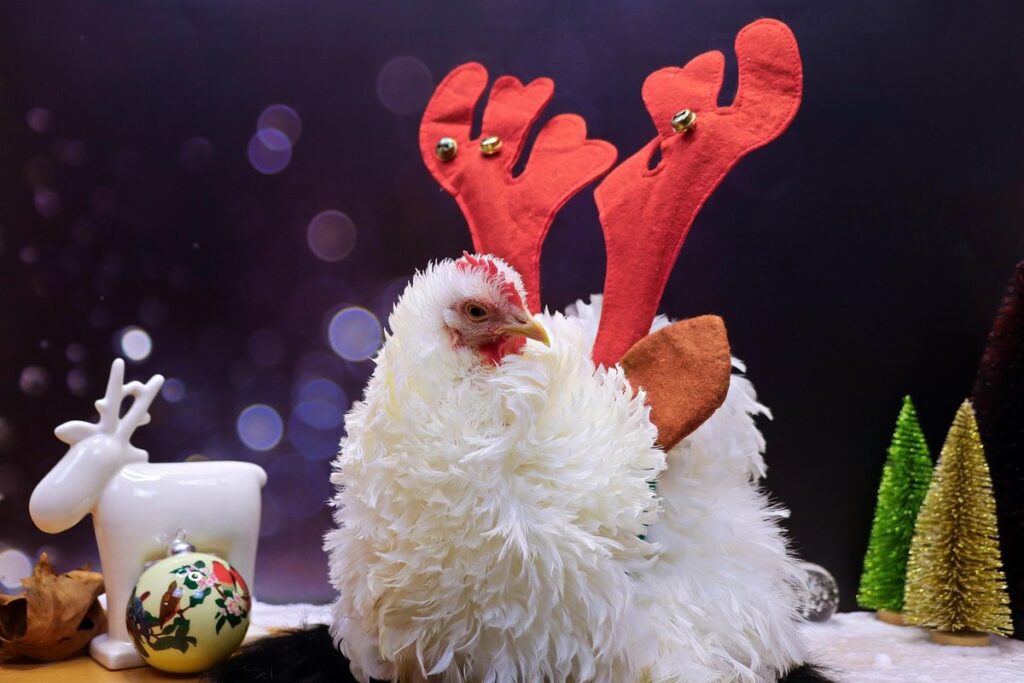
One of the most distinctive and attractive features of the Bantam Cochin is its wide range of plumage patterns and color combinations. The breed comes in a variety of colors, including Partridge, Buff, White, Black, and Blue, which can be either solid or have intricate markings.
In terms of pattern, you’ll often find the Cochin’s feathers displaying beautiful lacework, with delicate edges and borders that add depth to their appearance. One popular pattern is the “Lace” pattern, where a delicate netting-like texture covers the bird’s body. The “Mottled” pattern, on the other hand, features irregular markings of contrasting colors that create a striking visual effect.
It’s worth noting that some Bantam Cochin varieties have a tendency to fade or darken with age, so it’s essential to be aware of this when selecting chicks. For example, a Buff-colored bird may appear more golden in youth but deepen to a richer brown as it matures.
Body Type and Conformation
The Bantam Cochin chicken is known for its distinctive and endearing physical characteristics. One of the most notable features of this breed is its compact build and rounded shape. The adult roosters weigh around 1-2 pounds, while hens typically tip the scales at about 1.5-3 pounds. This compactness makes them a popular choice for backyard flocks where space is limited.
Their rounded body shape is not just aesthetically pleasing; it also serves a practical purpose. The Bantam Cochin’s compact frame allows them to thrive in smaller spaces, making them an excellent option for urban or suburban backyards. Additionally, their sturdy build and gentle nature make them suitable for families with children who want to involve kids in chicken-keeping.
When selecting a Bantam Cochin, look for a balanced body shape, with a rounded breast and well-defined tail feathers. A well-rounded abdomen and strong legs are also essential indicators of a healthy bird.
Temperament and Personality
When it comes to bantam cochins, their temperament and personality are often described as calm, gentle, and affectionate, making them wonderful companions for families. Let’s dive into what makes these little birds so lovable!
Bantam Cochin Temperament Traits
The Bantam Cochin Temperament: A Gentle Companion for Your Backyard
When it comes to temperament, the Bantam Cochin truly stands out from other breeds. These small but mighty chickens are known for their friendly and docile nature, making them a joy to have around. They adore human interaction and will often seek you out for attention and affection.
One of the most notable traits of the Bantam Cochin is their gentle disposition. They’re not flighty or nervous like some other breeds, but instead, they’re calm and laid-back. This makes them an excellent choice for families with children or for those who want a low-maintenance pet that’s easy to care for.
In terms of interaction, the Bantam Cochin is incredibly social. They love to follow you around the yard, exploring their surroundings and making friends with any other animals they meet. With regular handling and attention from an early age, they’ll become confident and trusting companions who will happily perch on your lap or snuggle up next to you.
If you’re considering bringing a Bantam Cochin into your family, remember that consistency and patience are key. Start by introducing them to their new surroundings gradually, allowing them to get used to the sights and sounds of their new home. With time and care, they’ll become an integral part of your flock – and a beloved member of your household.
Socialization and Training Requirements
Socializing bantam cochin chickens is crucial to ensure they become well-adjusted pets. From an early age, expose them to various environments, people, and other animals to help build confidence and reduce anxiety. Start by introducing them to family members and friends, allowing them to explore their surroundings freely.
To further socialize your bantam cochin, consider enrolling them in a poultry-friendly socialization program or hosting a “chicken playdate” with other birds. This will enable them to interact with different breeds and learn essential skills like communication and sharing space.
Training also plays a significant role in shaping your bantam cochin’s personality. Establish clear boundaries and reward good behavior, such as gentle handling and responding to commands. Utilize positive reinforcement techniques, like offering treats or praise, when they exhibit desired traits.
Remember that consistency is key; maintain regular interaction with your bird to foster trust and understanding. This will ultimately lead to a well-adjusted pet that’s more comfortable in new environments and better equipped to handle unexpected situations.
Potential Health Issues and Precautions
As you consider bringing a bantam Cochin into your family, it’s essential to be aware of potential health issues that may arise. This breed is prone to respiratory problems due to their flat faces and compact bodies, which can lead to difficulty breathing. In addition, bantam Cochins are also susceptible to obesity, which can exacerbate existing health conditions.
To mitigate these risks, make sure to provide your bantam Cochin with a spacious living area where they can move around comfortably. Regular exercise, such as short walks or playtime in a securely fenced yard, is crucial for maintaining their physical health.
Keep an eye on your bird’s diet and ensure it’s well-balanced and nutrient-rich. A high-quality feed specifically formulated for small breeds should be the main staple of their diet, supplemented with fresh fruits and vegetables daily. Regular veterinary check-ups will also help detect any potential issues early on, allowing you to take prompt action.
It’s also crucial to recognize signs of respiratory distress or obesity in your bantam Cochin, such as labored breathing, lethargy, or visible fat buildup around the neck and joints. Addressing these concerns promptly can make a significant difference in their quality of life.
Care and Management
When it comes to caring for your bantam cochin chickens, there are a few things to keep in mind to ensure they stay healthy and happy. Regular grooming is key to their overall well-being.
Dietary Needs and Recommendations
When it comes to providing an optimal diet for your bantam Cochin chickens, there are several key nutritional requirements and feeding schedules to keep in mind. Bantam Cochin chickens are small, friendly birds that require a balanced diet to stay healthy and thrive.
In terms of nutritional requirements, bantam Cochins need a high-quality layer feed that is rich in protein (around 16-18%) and calcium (around 3-4%). They also require access to fresh fruits and vegetables daily, which should make up about 10% of their diet. Some great options include leafy greens like kale and spinach, as well as berries like strawberries and blueberries.
A good rule of thumb is to provide your bantam Cochins with a layer feed that’s formulated specifically for small breeds or pullets. You can also supplement with oyster shells to ensure they’re getting enough calcium. In terms of feeding schedules, it’s best to provide 1/4 to 1/2 cup of feed per bird daily, depending on their age and size.
It’s also essential to provide fresh water at all times, and to make sure your birds have access to grit and oyster shells as needed. By following these guidelines and providing a balanced diet, you can help keep your bantam Cochin chickens happy, healthy, and thriving.
Housing and Environmental Considerations
When it comes to housing and environmental considerations for Bantam Cochin chickens, there are several key factors to keep in mind. Firstly, these birds require a spacious enclosure that allows them to move around freely. A good rule of thumb is to provide at least 2-3 square feet per bird inside the coop, with adequate space outside for scratching and exercising.
Ventilation is also crucial for Bantam Cochins, as they are prone to respiratory issues in damp environments. Ensure your coop has proper airflow by installing windows or vents that allow fresh air to circulate. You can also add a layer of bedding like straw or wood shavings to absorb moisture and reduce odors.
In terms of outdoor space, consider providing a fenced area for the chickens to roam freely during the day. A minimum size of 10×10 feet is recommended, but larger areas are always better. Don’t forget to include shelter from the elements, such as a coop or pergola with a roof.
Health Checks and Regular Maintenance
Regular health checks and maintenance tasks are crucial to ensure the well-being of your bantam cochin chickens. These birds are prone to certain health issues, such as respiratory problems, obesity, and feather pecking, which can be prevented or managed with proper care.
Begin by establishing a routine for monitoring your flock’s health. Check their living conditions daily, making sure they have access to clean water, fresh food, and adequate ventilation. Clean their coop regularly, removing soiled bedding material and replacing it with new, dry litter. This will help prevent the buildup of bacteria and parasites that can cause respiratory issues.
Keep a close eye on your birds’ appetite, droppings, and behavior. Consult with a veterinarian if you notice any unusual changes or symptoms. Regular health checks can also help detect potential problems early on, allowing for prompt treatment and minimizing the risk of complications. For example, weighing your birds regularly can help identify cases of obesity, which is more common in bantam cochin chickens due to their compact size and voracious appetites.
Breeding and Showing
When it comes to bantam Cochin chickens, breeding and showing is a fascinating world that requires attention to detail and a passion for these adorable birds. In this section, we’ll delve into the specifics of breeding and showcasing your Bantams.
Breeding Programs and Best Practices
When it comes to breeding bantam Cochins, responsible practices are essential for maintaining the integrity of this beloved breed. A fundamental principle of responsible breeding is selecting for desirable traits while ensuring genetic diversity.
To start, identify and purchase chickens from reputable breeders who have a proven track record of producing high-quality birds. Look for individuals that exhibit excellent temperament, conformation, and egg-laying abilities. When evaluating potential breeding stock, consider the following criteria: feather quality, color intensity, beak shape, and leg length.
Maintaining genetic diversity is crucial to prevent inbreeding and related health issues. Aim to breed from at least three different lines of bantam Cochins to minimize the risk of inherited disorders. Additionally, rotate your breeding stock regularly to avoid selecting for a narrow range of traits.
When introducing new birds to your flock, be sure to quarantine them separately before integrating them into your main group. This helps prevent the spread of disease and ensures the health and well-being of your entire flock. By adhering to these best practices, you’ll be able to breed healthy, robust bantam Cochins that excel in both form and function.
Show Requirements and Regulations
When showing bantam Cochin chickens, it’s essential to familiarize yourself with the breed standards and judging criteria set by major poultry associations. The American Bantam Association (ABA) and the American Poultry Association (APA) are two prominent organizations that govern the show ring for bantam Cochin chickens.
To ensure your birds meet the required standards, study the ABA’s breed standard for bantam Cochins, which outlines the ideal characteristics for this breed. Key factors to focus on include:
* Size: Bantam Cochins should weigh between 1-2 pounds and measure no more than 11 inches in length.
* Feathering: The breed is known for its fluffy, soft feathers, which should be evenly distributed across the body.
* Plumage: Cochins can come in a variety of colors, including solid, parti-colored, and mottled. Make sure to verify the specific color standard required for your show.
Judges will evaluate your birds based on these breed standards, so it’s crucial to understand what they’re looking for. If you’re new to showing bantam Cochins, consider consulting with experienced breeders or taking a poultry judging course to get familiar with the show ring and its requirements.
Tips for Successful Showing
When preparing your Bantam Cochin for a show, it’s essential to pay attention to grooming, handling, and presentation techniques. These small but mighty chickens are known for their gentle nature, which can sometimes make them appear less impressive in the ring. To stand out, you’ll want to focus on showcasing their unique characteristics.
Start by carefully examining your bird’s plumage, paying close attention to any tangles or mats that may have formed during molting. Use a wide-tooth comb to gently detangle and style their feathers, working from head to tail to maintain evenness and symmetry. Be sure to pay extra attention to the wings and tail feathers, as these can easily become ruffled.
When it comes to handling your Bantam Cochin, remember that less is often more. Gently grasp the bird by the legs or under the wings, taking care not to startle them with sudden movements. As you hold them, gently stretch out their wings and tail feathers to ensure they’re properly fluffed and even. Practice makes perfect, so be sure to work on your handling skills well before the show date.
Remember, presentation is just as important as physical appearance. Choose a clean, sturdy cage or carrier that will safely transport your bird without causing stress or discomfort. Keep in mind that you’ll want to present your Bantam Cochin in an upright position, with their head held high and their wings stretched out evenly on either side of the body.
By paying close attention to grooming, handling, and presentation techniques, you can help showcase your Bantam Cochin’s unique characteristics and give them the best chance at impressing judges.
Frequently Asked Questions
Can I keep Bantam Cochins as pets if I live in an apartment?
Yes, Bantam Cochins can make great pets for apartment dwellers due to their calm nature and relatively small space requirements. However, it’s essential to ensure you have a suitable coop with adequate ventilation and sufficient room for your birds to stretch their wings.
What are the key factors to consider when breeding Bantam Cochins?
When breeding Bantam Cochins, focus on maintaining a healthy stock, ensuring genetic diversity, and following best practices for fertility management. It’s also crucial to research local regulations regarding chicken breeding and obtain necessary permits before starting your program.
How can I provide the best environment for my Bantam Cochin flock?
To create an optimal environment for your Bantam Cochin flock, ensure they have a spacious coop with adequate ventilation, protection from predators, and access to fresh water and nutritious food. Also, consider providing enrichment activities and social interaction to promote mental and physical well-being.
What are some common health issues I should watch out for in my Bantam Cochins?
Common health issues affecting Bantam Cochins include respiratory problems, mites, and internal parasites. Regular health checks, proper hygiene, and a balanced diet can help prevent or mitigate these conditions. Consult with a veterinarian experienced in poultry care to develop a comprehensive health plan.
Can I show my Bantam Cochin at local exhibitions if I don’t have extensive experience?
Yes, you can participate in showing your Bantam Cochin at local exhibitions even without extensive experience. Focus on understanding breed standards and familiarize yourself with the exhibition rules and regulations. With proper guidance and practice, you’ll be well-prepared to showcase your bird’s unique qualities.