
Are you thinking of bringing some charming Pekin bantams into your life? Whether you’re an experienced poultry enthusiast or just starting out, these small but mighty birds are definitely worth considering. Not only do they make great pets due to their gentle nature and affectionate personalities, but they can also thrive in backyard flocks with proper care.
In this article, we’ll delve into the world of Pekin bantams, covering their fascinating history, key health considerations, and expert tips on how to provide optimal care. You’ll learn everything from their unique characteristics to fun facts about these lovable birds. By the end of this guide, you’ll be equipped with the knowledge needed to decide if Pekin bantams are right for you, whether as a solo pet or part of a larger flock.
History and Origin of Pekin Bantams
These charming birds have a rich history that spans centuries, originating from China where they were prized for their unique appearance and friendly nature. Let’s take a closer look at how they came to be.
Early Development and Breeding
The early history of Pekin bantams dates back to ancient China, where these small, fluffy birds were highly prized for their unique appearance and gentle nature. According to historical records, the breed was first developed in the southern province of Guangdong, where they were bred specifically for their compact size and hardiness.
In the early 20th century, European poultry enthusiasts discovered the Pekin bantam and were immediately drawn to their charming personalities and diminutive stature. However, at this time, the breed was not yet recognized as a distinct type, and early breeders faced significant challenges in developing a consistent strain.
Initially, breeding goals focused on creating birds with the perfect balance of size, temperament, and appearance. Breeders experimented with crossing different lines to achieve the desired characteristics, but it wasn’t until the 1920s that the Pekin bantam began to take shape as we know it today.
Interestingly, some early breeders used the Chinese Silkie as a foundation stock, which contributed to the development of the breed’s characteristic fluffy feathers and small size.
Introduction to Pekin Bantam Characteristics
When it comes to identifying a Pekin Bantam, their physical characteristics are some of the most distinctive features that set them apart from other breeds. These tiny birds typically weigh between 1-2 pounds and stand about 6-8 inches tall, making them one of the smallest chicken breeds around.
Their plumage is another key identifier, with a wide range of colors to choose from, including white, black, buff, and blue. Pekin Bantams have a unique feathering pattern that gives them a compact appearance. Their beak shape is also quite short and broad, which can sometimes be mistaken for being hooked.
In terms of body type, Pekin Bantams are known for their sturdy build and well-rounded physique. They carry themselves with confidence, often strutting around with an air of self-importance. When it comes to temperament, Pekin Bantams are known to be friendly, social birds that get along surprisingly well with other pets in the household.
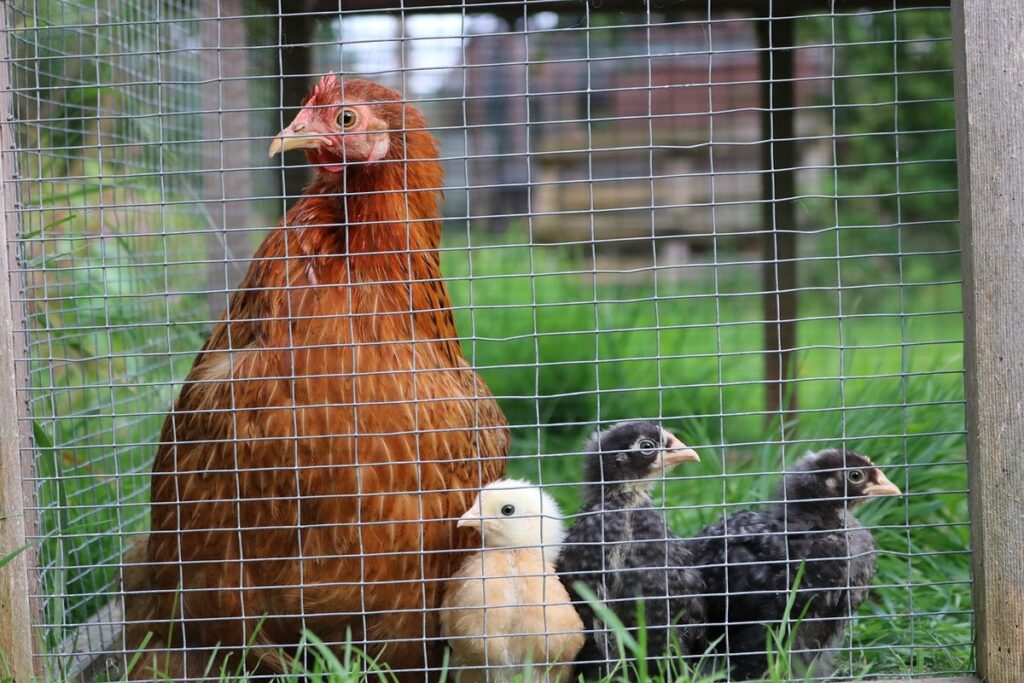
One key behavior to note is their strong broodiness – many females will go to great lengths to protect and nurture their eggs, making them excellent mothers. With proper care and attention, a healthy adult Pekin Bantam can live up to 8-10 years or more, so it’s essential to consider this when deciding whether to bring one home as a pet.
Health Considerations for Pekin Bantams
When keeping Pekin Bantams as pets, it’s essential to be aware of their specific health needs and potential issues that can arise. We’ll explore these important considerations in detail here.
Common Health Issues in Pekins
Pekin bantams are generally a hardy and robust breed, but like all birds, they can be prone to certain health issues. One of the most common problems affecting Pekins is obesity, which can lead to a range of other conditions such as diabetes and heart disease. This is often caused by overfeeding or inadequate exercise, so it’s essential to monitor your bird’s food intake and ensure they have plenty of space to move around.
Another common issue in Pekin bantams is feather problems, including roup (a fungal infection that causes matted and discolored feathers) and wet disease. These conditions are often caused by poor hygiene or a dirty environment, so regular cleaning of the coop and run is crucial. If you notice any signs of illness, such as matted feathers or discharge from the eyes or nostrils, seek veterinary advice immediately.
Egg-laying disorders can also be a problem in Pekin hens, particularly those that are over-producing eggs. Symptoms may include pale or cracked shells, reduced egg production, and lethargy. To prevent this, ensure your birds have a balanced diet and adequate calcium intake, and don’t overbreed them – two to three eggs per week is a good target for most hens.
Nutrition and Diet Requirements
When it comes to keeping your Pekin bantams healthy and thriving, providing them with the right nutrition is crucial. A balanced diet that meets their specific needs can help prevent a range of health issues, from malnutrition to diseases.
First and foremost, it’s essential to provide high-quality commercial feed that’s specifically formulated for small breeds like Pekin bantams. Look for feeds that contain around 16-18% protein, as this will support muscle growth and maintenance. However, don’t overfeed your birds – a general rule of thumb is to offer about 1/4 cup of feed per bird per day.
In addition to commercial feed, you can also supplement with fresh fruits and vegetables daily. Dark leafy greens like kale and spinach are rich in vitamins A and E, while carrots provide essential fiber. Fresh water should always be available, so ensure that your birds’ water container is clean and filled at all times.
Care and Management of Pekin Bantams
To keep your Pekin bantams happy and healthy, it’s essential to understand their specific care requirements, which can differ from larger chicken breeds. We’ll cover these key considerations in this section.
Housing and Environmental Considerations
When it comes to housing and managing your Pekin bantams, there are several key considerations to keep in mind. First and foremost, these tiny birds require adequate space to move around and stretch their wings. A good rule of thumb is to provide at least 2-3 square feet of floor space per bird inside the coop, with additional space for nesting boxes and roosting bars.
Proper ventilation is also crucial to prevent ammonia buildup from droppings and keep your birds healthy. Make sure your coop has adequate airflow by installing windows or vents that allow for cross-ventilation. Temperature control is another important aspect of housing Pekin bantams. These birds are sensitive to extreme temperatures, so it’s essential to provide insulation, bedding, and shading to maintain a comfortable temperature range between 40°F and 80°F (4°C and 27°C).
In terms of environmental factors, Pekin bantams require moderate light exposure to stay healthy. Avoid placing their coop in direct sunlight, as this can cause overheating and eye damage. Additionally, be mindful of potential disease transmission by keeping your coop clean, disinfecting regularly, and providing a balanced diet that includes essential nutrients for immune system support.
Handling and Socialization Techniques
When it comes to handling and socializing Pekin bantams, gentle techniques are essential. These birds are known for their affectionate nature, but they can also be sensitive and skittish if not handled carefully. To start, get to know your bird’s personality and temperament. Observe how it reacts to different situations and environments.
When introducing a new Pekin bantam to the flock or household, do it gradually. Start by keeping them in separate enclosures or aviaries for a few days before allowing them to interact freely. This allows both birds to become familiar with each other’s presence, scents, and sounds without feeling overwhelmed. You can also try placing them in close proximity but allowing them to explore each other at their own pace.
Stress levels should be managed by creating a calm environment for your Pekin bantams. Provide plenty of space, a balanced diet, and regular exercise opportunities. Avoid sudden movements or loud noises around the birds, as these can cause unnecessary stress. By being patient, gentle, and attentive to your bird’s needs, you’ll help build trust and strengthen your bond with your Pekin bantam.
Breeding and Showing Pekin Bantams
If you’re interested in breeding and showing your Pekin Bantams, this is where you’ll learn the essential tips and techniques to get started. Let’s dive into the world of showing these adorable birds!
Principles of Selective Breeding
When it comes to selective breeding in Pekin bantams, understanding the principles behind this process is crucial for producing a high-quality flock. The first step in selective breeding is identifying the desired traits you want to emphasize in your birds. This can include factors like feather quality, egg-laying ability, temperament, and physical characteristics such as beak shape or plumage color.
To maintain breed purity, it’s essential to keep accurate records of your birds’ lineage and genetic makeup. This involves tracking the ancestry of each individual bird, including its parents, grandparents, and other relatives. By doing so, you can identify potential inbreeding and make informed decisions about which birds to breed together.
Genetics play a significant role in shaping the characteristics of your Pekin bantams. Each trait is controlled by multiple genes, some of which may be dominant while others are recessive. Understanding these genetic interactions will help you predict the likelihood of desirable traits being passed down from one generation to the next.
Tips for Successful Show Birds
When it comes to showing Pekin bantams, preparation is key. Start by familiarizing yourself with the breed standard, which emphasizes a well-proportioned, compact body and a gentle disposition.
To ensure your bird meets these requirements, focus on grooming techniques that enhance its appearance while maintaining its health. This includes regular cleaning of the beak, nails, and ears, as well as keeping the plumage in good condition through regular dust baths or preening.
Practice handling your Pekin bantam to help it become comfortable with being restrained, which is essential for a show bird. Train it to stand calmly on its perch or in a carrier, allowing you to easily move it between exhibitions.
Attend local shows and observe the judging process to gain insight into what judges look for in a winning Pekin bantam. This will help you refine your selection criteria and focus on breeding birds that excel in these areas.
By following these steps, you’ll be well-prepared to showcase your Pekin bantams at their best.
Fun Facts About Pekin Bantams
You’re probably curious to learn more about these charming birds, so let’s dive into some fun facts about Pekin Bantams that will make you love them even more.
Unique Characteristics and Quirks
Pekin bantams are known for their endearing and amusing personalities. One of the most notable quirks about these little birds is their playful nature. They have a tendency to “play-fight” with their owners, often nipping at their fingers or toes in a friendly manner. This behavior can be quite entertaining, but it’s essential to establish clear boundaries and teach them what is considered acceptable playtime.
Pekin bantams are highly social birds that thrive on interaction. They love to be around people and other animals, making them an excellent addition to families with children or other pets. However, this also means they can become quite demanding if left alone for extended periods without stimulation. To keep your Pekin happy and engaged, make sure to provide plenty of toys and activities that challenge their minds and bodies.
In the wild, Pekin bantams are known to be fiercely loyal to their flock, often standing guard to protect their group from predators. While they may not exhibit this level of loyalty in a domestic setting, they still have a strong instinct to follow and respond to their owners’ commands. With patience, consistency, and positive reinforcement, you can develop a strong bond with your Pekin bantam, making them an enjoyable and entertaining companion.
Cultural Significance and Symbolism
Pekin bantams have been cherished for centuries, and their appeal transcends geographical boundaries. Let’s delve into the cultural significance and symbolism surrounding these adorable birds.
In ancient China, where Pekin bantams originated, they were highly valued as a food source and ornamental bird. The Chinese considered them a symbol of prosperity and good luck, often gifting them to friends and family during special occasions. This perception has been carried forward through the centuries, with many cultures adopting similar associations.
In some parts of Asia, Pekin bantams are believed to ward off evil spirits and bring balance to one’s life. In Europe, they’re often seen as a representation of elegance and refinement. For instance, during the Victorian era, Pekin bantams were a staple at high-society gatherings, with their owners showcasing them as prized possessions.
To appreciate the cultural significance of Pekin bantams, consider these tips:
* Learn about your bird’s heritage: Understanding its origins can help you better connect with its symbolism.
* Be respectful of cultural differences: If you plan to show or breed your Pekin bantam, research local customs and traditions surrounding their display.
* Admire the beauty of diversity: Appreciate how different cultures have interpreted and celebrated these birds in unique ways.
Conclusion: Why You Should Consider Raising Pekin Bantams
If you’ve made it this far into our exploration of Pekin bantams, chances are you’re already sold on their charms. But let’s recap why these little birds have captured the hearts of many a poultry enthusiast. For one, their compact size and gentle nature make them an ideal choice for backyard flocks or even urban homesteads. Plus, with proper care, Pekin bantams can thrive in smaller spaces, producing a steady supply of fresh eggs throughout the year.
Not to mention, their friendly and docile personalities have earned them a spot on many family farms and hobbyist operations. By raising Pekin bantams, you’ll not only gain a loyal companion but also contribute to a more sustainable food system.
Frequently Asked Questions
What’s the ideal living space for a Pekin bantam flock, considering their active nature?
Pekin bantams are energetic birds that require plenty of space to roam around. For a small flock, provide at least 2-3 square feet per bird inside the coop and expandable outdoor enclosures or runs. Ensure the enclosure is escape-proof, predator-proof, and well-ventilated with adequate protection from harsh weather conditions.
How do I introduce Pekin bantams to an existing backyard flock, minimizing stress on both new and established birds?
When introducing Pekin bantams to a larger flock, it’s essential to acclimate them gradually. Start by keeping the new birds in a separate enclosure for a few days before releasing them into the main area. Monitor their behavior closely and ensure that they have access to food, water, and shelter.
What are some common mistakes beginners make when caring for Pekin bantams, and how can I avoid them?
Common pitfalls include inadequate ventilation, poor nutrition, and insufficient space. Ensure your coop has adequate airflow, feed a balanced diet rich in protein, and provide enough space for the birds to move around comfortably.
Can Pekin bantams be raised indoors as pets if I don’t have an outdoor flock?
Yes! With proper care and attention to their needs, Pekin bantams can thrive as indoor pets. Provide a spacious coop or enclosure with adequate ventilation, a balanced diet, and plenty of attention and interaction. They will make wonderful companions.
How often should I clean the coop and run to keep my Pekin bantam flock healthy?
Regular cleaning is crucial for maintaining your Pekin bantams’ health. Clean the coop at least every two weeks, removing soiled bedding and replacing it with fresh material. Disinfect all surfaces with a non-toxic cleaner, and ensure the birds have access to clean water and food at all times.