
When it comes to raising healthy and productive poultry, selecting the right feed is one of the most critical decisions you’ll make. But with so many options available, how do you know which feed is best for your birds? The nutritional requirements of poultry are complex, and getting it wrong can lead to a range of problems, from reduced egg production to increased disease susceptibility. In this article, we’ll explore the importance of choosing the right feed for your poultry, including specialty feeds tailored to specific needs, sustainable options that benefit both you and the environment, and expert advice on how to ensure optimal health and performance. Whether you’re a seasoned farmer or just starting out, we’ll help you make informed decisions about feeding your flock.
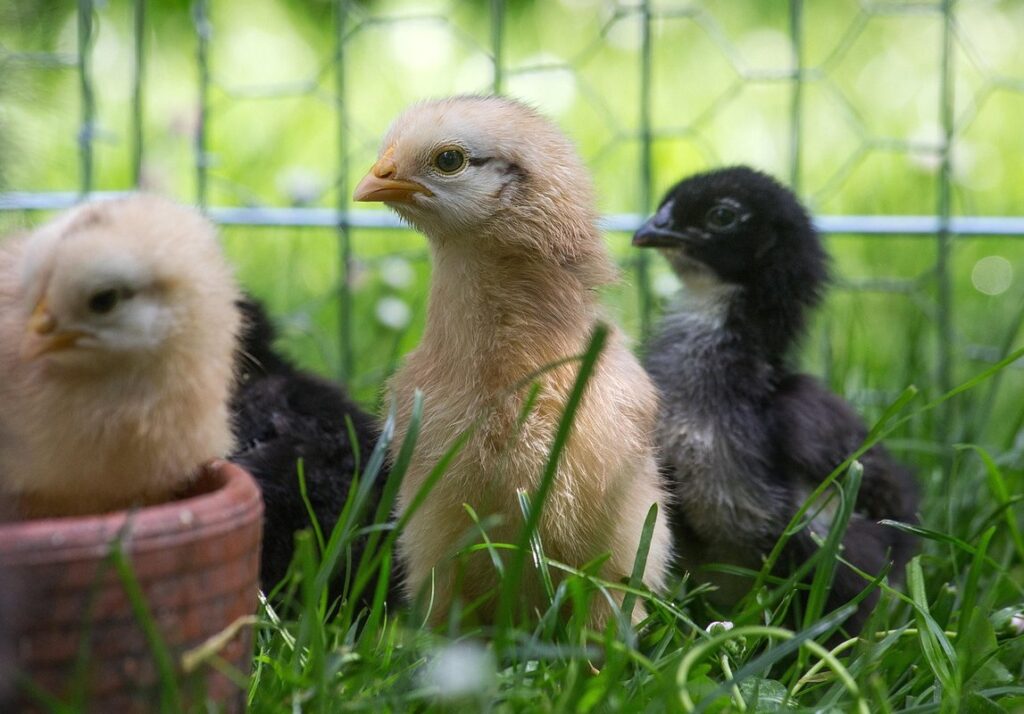
Understanding the Importance of Poultry Feed
When it comes to raising healthy and thriving poultry, providing high-quality feed is crucial. In this next part, we’ll explore why a good diet is essential for your birds’ growth and well-being.
Types of Feeds Available: Conventional vs. Specialty
When it comes to choosing the right feed for your poultry, you’re likely to come across two main types: conventional and specialty feeds. Conventional feeds are the most widely available type of feed and can be found at most agricultural supply stores or online. They are formulated to meet the basic nutritional needs of chickens and other poultry, providing a balanced mix of protein, energy, and essential vitamins and minerals.
However, if you’re looking for a more tailored approach to feeding your flock, specialty feeds may be the better option. These feeds cater to specific dietary requirements, such as organic, non-GMO, or nutrient-rich formulas designed to promote optimal health and egg production. For instance, some specialty feeds are formulated with enhanced levels of omega-3 fatty acids to boost egg yolk quality or probiotics to support gut health.
When deciding between conventional and specialty feeds, consider the specific needs of your flock, as well as any regional regulations or preferences. You may also want to consult with a veterinarian or poultry expert to determine the best feed for your operation. By choosing the right feed for your birds, you can ensure they receive the nutrients they need to thrive.
Factors to Consider When Selecting a Feed
When selecting a feed for your poultry flock, there are several key factors to consider. First and foremost, it’s essential to ensure that the feed meets the nutritional requirements of your birds. This includes considering factors such as protein content, energy density, and essential micronutrients like vitamins and minerals.
In addition to nutritional requirements, you’ll also want to think about the price point of the feed. While it may be tempting to opt for the cheapest option, remember that feeding your flock is one of the biggest expenses associated with poultry farming. A higher-quality feed may cost more upfront, but it can lead to better health outcomes and increased productivity in the long run.
Another crucial factor to consider is availability. Can you source the feed locally or will you need to rely on external suppliers? What are the logistics like for transporting the feed to your farm?
Ultimately, finding a balance between these competing factors requires careful planning and research. Take the time to evaluate different options and consult with experts if necessary. By doing so, you can make an informed decision that meets the needs of your flock while also ensuring the long-term sustainability of your poultry operation.
Nutritional Requirements of Poultry Feeds
When it comes to feeding your poultry, understanding their nutritional needs is crucial for optimal health and productivity. This section will break down the essential requirements for a balanced diet.
Protein Content: What You Need to Know
When it comes to poultry feeds, protein is a crucial component that plays a significant role in ensuring the overall health and well-being of birds. Adequate protein intake is essential for maintaining muscle mass, promoting growth, and supporting immune function.
Protein content can vary depending on the type of protein source used in feed formulation. For example, soybean meal is a common and cost-effective protein source that provides about 40% protein concentration. On the other hand, fishmeal is a high-protein ingredient (about 65%) derived from fish processing by-products, which is often used as a supplement to enhance protein quality.
The choice of protein source can impact bird health in various ways. For instance, some birds may experience allergic reactions or sensitivities to certain proteins, such as soybean meal. Conversely, others may benefit from the added omega-3 fatty acids present in fishmeal. As a result, it’s essential for poultry producers to carefully select and balance protein sources in their feeds to meet specific nutritional needs of their flock.
When selecting protein sources, consider the following factors: protein concentration, digestibility, and nutrient profile. Always consult with a nutritionist or veterinarian to determine the optimal protein content and type suitable for your birds’ specific needs.
Energy Levels: How to Balance Your Feed
When it comes to poultry feed, energy levels play a crucial role in determining the overall health and performance of your birds. Energy is essential for growth, maintenance, and production in poultry, whether you’re raising them for meat or eggs.
The primary source of energy in poultry feed is carbohydrates, followed by proteins and fats. However, it’s not just about providing enough energy; it’s also about balancing it correctly to meet the specific needs of your birds at different stages of growth. A balanced energy level ensures that your poultry are growing efficiently, producing well, or maintaining their weight.
To balance energy levels in poultry feed, consider the following factors:
• Age and stage: Poultry have different energy requirements as they grow from chicks to laying hens or broilers.
• Breed: Different breeds require varying amounts of energy depending on their growth rate, egg production, or meat yield.
• Production level: Birds that are high-producing (e.g., laying hens) need more energy than those with lower production levels.
To determine the optimal energy balance for your poultry feed, consult a qualified nutritionist or use reliable feeding guides specific to your region and bird species.
Specialty Feeds for Poultry Health
When it comes to keeping your flock healthy, you’ll want to consider specialty feeds that cater to their specific needs. These tailored formulas can be a game-changer for poultry health.
Probiotics and Prebiotics: Supporting Gut Health
Maintaining a healthy gut microbiome is crucial for optimal poultry health. Probiotics and prebiotics play a vital role in supporting this delicate balance. Probiotics are live microorganisms that, when administered in adequate amounts, confer a health benefit on the host. They help populate the gut with beneficial bacteria, aiding digestion, immune function, and overall well-being.
Prebiotics, on the other hand, serve as food for probiotics, promoting their growth and activity. By feeding beneficial bacteria, prebiotics enhance the production of short-chain fatty acids, which have anti-inflammatory properties. This synergy between probiotics and prebiotics creates an environment that fosters a thriving gut microbiome.
When selecting a specialty feed that incorporates probiotics or prebiotics, consider the specific needs of your flock. Choose products that contain strains specifically designed for poultry health, such as Bacillus subtilis or Lactobacillus acidophilus. Consult with a veterinarian or nutritionist to determine the best approach for your operation. By harnessing the power of probiotics and prebiotics, you can take proactive steps toward maintaining a healthy gut microbiome in your birds.
Incorporating these beneficial microbes into your poultry feed can lead to improved feed efficiency, reduced mortality rates, and enhanced growth performance.
Omega-3 Enriched Feeds: Improving Egg Quality
When it comes to improving egg quality, omega-3 enriched feeds have become an increasingly popular solution. These specialized feeds work by providing poultry with essential fatty acids that are not readily available in their traditional diet. Omega-3s, particularly EPA and DHA, play a crucial role in maintaining the overall health of birds.
Research has shown that laying hens fed with omega-3 enriched feeds produce eggs with improved nutritional profiles. These eggs have higher levels of conjugated linoleic acid (CLA), which is known for its anti-inflammatory properties. Additionally, omega-3s enhance the yolk’s yellow color and increase the egg’s overall nutritional content.
Farmers who incorporate omega-3 enriched feeds into their poultry operations report significant improvements in egg quality. For instance, a study by a major agricultural research institution found that hens fed with omega-3 supplements produced eggs with higher levels of omega-3s than those without. To reap these benefits, it’s essential to choose high-quality omega-3 enriched feeds from reputable manufacturers and follow the recommended feeding protocols. By doing so, you can significantly enhance your flock’s overall health and egg quality.
Sustainable and Organic Feed Options
As you consider what to feed your poultry, it’s essential to think about sustainable and organic options that benefit both their health and the environment. We’ll explore some great choices for eco-friendly feed.
The Benefits of Locally Sourced Feed
When it comes to choosing feed for your poultry, sourcing it locally can have a significant impact on your operation’s sustainability and bottom line. One of the primary advantages of locally sourced feed is the reduction of transportation costs. By purchasing feed from nearby farms or suppliers, you eliminate the need for lengthy transportations that eat into your profit margins.
Supporting local farmers is another key benefit of opting for locally sourced feed. Not only are you directly contributing to the local economy, but you’re also helping to build stronger relationships within your community. Consider this: when you source feed from a nearby farm, you can establish direct communication with the farmer, allowing for more control over the production process and ensuring that your poultry receive the highest-quality feed possible.
In fact, studies have shown that transportation costs can account for up to 30% of the total cost of feed. By sourcing locally, you can not only reduce this expense but also promote a healthier and more sustainable food system in your community.
How to Choose an Organic Feed for Your Poultry
When selecting an organic feed for your poultry, it’s essential to consider their nutritional needs while promoting sustainable agriculture practices. Start by identifying the nutrient-rich ingredients you want to prioritize in the feed, such as omega-3 fatty acids from flaxseeds or vitamins E and C from fruits and vegetables.
Consider consulting with a veterinarian or poultry expert to determine the ideal nutrient profile for your birds based on factors like breed, age, and production level. Some key nutrients to look for in an organic feed include:
• Protein sources: whole grains, legumes, or animal-derived ingredients
• Energy sources: whole grains, fruits, or vegetables
• Vitamins and minerals: essential for growth, reproduction, and immune function
When evaluating the quality of an organic feed, examine the ingredient list and look for certifications like USDA Organic or Non-GMO Project Verified. These labels ensure that the feed meets rigorous standards for environmental sustainability, animal welfare, and human health.
Ultimately, your goal is to find a balanced, nutrient-rich feed that supports the health and well-being of your poultry while promoting eco-friendly farming practices. By doing your research and choosing a reputable organic feed supplier, you can make an informed decision that aligns with your values and priorities.
Feeding Strategies for Different Life Stages
As you raise chickens, it’s essential to know how their dietary needs change throughout different life stages – from chicks to mature hens. Here, we’ll break down feeding strategies for each stage of growth.
Brooder Feed Formulations: What You Need to Know
When it comes to raising broiler chicks, providing them with the right feed formulation is crucial for their growth and development. These young birds have specific nutritional requirements that must be met to ensure they reach their full potential.
Broiler chicks need a diet rich in protein to support muscle growth and development. The recommended protein level for starter feeds is around 20-22%, with a balanced amino acid profile that includes all essential amino acids like lysine, methionine, and tryptophan. In addition to protein, broilers also require adequate amounts of energy from complex carbohydrates like corn and soybean meal.
When formulating your brooder feed, it’s essential to consider the age and weight range of the chicks. For example, starter feeds typically contain 1-2% calcium for bone growth, while grower feeds may have higher levels (up to 3%) as the birds mature. Also, don’t forget to include essential vitamins and minerals like vitamin A, D, E, and K, along with phosphorus and potassium.
To give you a rough idea, here’s an example of a typical brooder feed formulation:
* Protein: 20-22%
* Energy: 2800-3000 kcal/kg
* Calcium: 1-2%
* Phosphorus: 0.8-1.2%
* Vitamin A: 4000 IU/kg
Remember to consult with a veterinarian or poultry nutritionist to determine the best feed formulation for your specific operation and flock needs.
Layer Feed Management: Tips for Optimizing Performance
As layer hens reach maturity, their nutritional needs change significantly. Unlike broiler chickens, which grow rapidly and require high-energy feed to support muscle growth, layers prioritize egg production over body weight gain. Meeting their unique feeding challenges requires careful consideration of nutrient composition, intake levels, and management strategies.
To optimize layer performance, it’s essential to maintain a consistent level of calcium and phosphorus in the feed, as these minerals are crucial for eggshell formation. A balanced ratio of 1:1 or 2:1 (Ca:P) is generally recommended. Additionally, layers benefit from high-quality protein sources, such as soybean meal, which support strong eggshell production and overall health.
Monitor your flock’s performance closely to adjust feed intake levels as needed. Typically, layers require around 100-120 grams of feed per day per hen, depending on their breed and age. Overfeeding can lead to fat deposition, while underfeeding may result in decreased egg production. Regularly assess your layer feed‘s formulation to ensure it meets the changing needs of your flock throughout their productive life cycle.
Common Feeding Mistakes to Avoid
Feeding mistakes can significantly impact your flock’s health and performance, so it’s crucial to avoid these common errors that many poultry keepers make unintentionally. Let’s take a look at some of them together!
Overfeeding: A Leading Cause of Poultry Health Issues
Overfeeding poultry can lead to a host of health issues that negatively impact productivity and profitability. When birds consume more calories than they need, it puts excessive strain on their digestive system, increasing the risk of obesity-related problems such as lameness and reduced egg production.
Monitoring feed intake is crucial in preventing overfeeding. To do this effectively, consider implementing a system where feeders are installed with measuring devices that track consumption accurately. This allows you to adjust feeding schedules accordingly, ensuring birds receive only what they need.
Another key aspect of monitoring feed intake is regular weighing of the birds themselves. By tracking weight gain or loss over time, you can identify potential issues early on and make necessary adjustments. For example, if birds are gaining weight too quickly, it may indicate that they’re receiving more food than they require.
It’s also essential to consider factors such as age, breed, and environmental conditions when determining the right amount of feed for your flock. This will help you strike a balance between providing enough nutrition and avoiding overfeeding.
Underfeeding: How It Can Impact Performance
When it comes to feeding poultry, underfeeding is a common mistake that can have serious consequences on their performance. If you’re not providing enough nutrients for your birds, they may struggle to reach their full growth potential. Reduced growth rates are just one of the issues that can arise from underfeeding. For example, a study found that broiler chickens fed below 1.5% of their body weight in feed per day had significantly slower growth rates compared to those fed at the optimal level.
Underfeeding can also impact egg production in laying hens. When your birds aren’t getting enough nutrients, they may lay fewer eggs or have lower quality eggs. In fact, research has shown that even a 10% reduction in feed intake can lead to a significant decrease in egg production. To avoid these issues, make sure to monitor your poultry’s feed intake and adjust their rations accordingly. You should also consider the breed, age, and activity level of your birds when determining their nutritional needs. By providing the right amount of feed for your poultry, you can help them reach their full potential and maintain optimal health.
Conclusion: Making Informed Feed Choices for Your Flock
In conclusion, making informed feed choices for your flock is crucial for their overall health and productivity. By considering factors such as nutritional content, palatability, and cost-effectiveness, you can provide your birds with the best possible diet. For example, if you’re raising chickens for eggs, look for feeds that are high in calcium to support strong eggshell production.
On the other hand, if you’re breeding or showing poultry, a feed rich in protein will be more suitable. Additionally, don’t forget to rotate your flock’s feed every few weeks to prevent boredom and maintain their interest in eating. By being mindful of these details, you’ll be making informed choices that benefit both your birds and your bottom line. This attention to detail will pay off in the long run with a healthier, more productive flock.
Frequently Asked Questions
What’s the ideal age for introducing probiotics to my poultry flock?
Probiotics can be introduced at any stage of life, but it’s essential to start early, ideally from day-old chicks. This allows the beneficial bacteria to establish a strong gut microbiome and support overall health. Consult with your veterinarian or feed supplier to determine the best approach for your specific flock.
Can I mix and match different types of feeds, such as organic and conventional?
Yes, but it’s crucial to follow a gradual transition plan to avoid digestive upset in your birds. Start by mixing 10-20% of the new feed with the existing feed and gradually increase the proportion over 7-10 days. Monitor your flock’s health and adjust the transition period as needed.
How do I ensure my poultry are getting enough protein from their feed?
A general rule of thumb is to provide at least 16-18% protein for egg-laying hens and 14-16% for meat birds. However, this can vary depending on factors like breed, age, and production level. Consult with a poultry nutritionist or your feed supplier to determine the optimal protein levels for your specific flock.
What are some common signs of overfeeding in my poultry flock?
Overfeeding can lead to a range of issues, including obesity, reduced egg production, and increased susceptibility to disease. Look out for signs like slow growth rates, excessive droppings, and decreased mobility. Adjust their feed intake accordingly, and consider implementing a weighing program to monitor individual bird weights.
Can I store poultry feed in bulk to save money, or does it affect quality?
Yes, storing poultry feed in bulk can be an effective way to save money. However, ensure the feed is stored in a dry, cool location with minimal exposure to sunlight and moisture. Use airtight containers or bags, and regularly inspect the feed for signs of spoilage before feeding it to your birds.