
Managing chicken manure can be a challenge many backyard farmers face. Not only does it create unpleasant odors, but it also generates significant waste if not handled properly. A well-designed compost bin for chicken manure is an essential tool in addressing these issues. By using such a system, you’ll not only reduce waste and minimize odors but also produce a valuable fertilizer for your garden.
In this article, we’ll explore the importance of selecting the right compost bin for your needs, discussing key features to look out for when choosing one that suits your backyard farm. Whether you’re just starting out or looking to optimize your current setup, understanding how to properly manage chicken manure is crucial for maintaining a healthy and productive garden ecosystem.
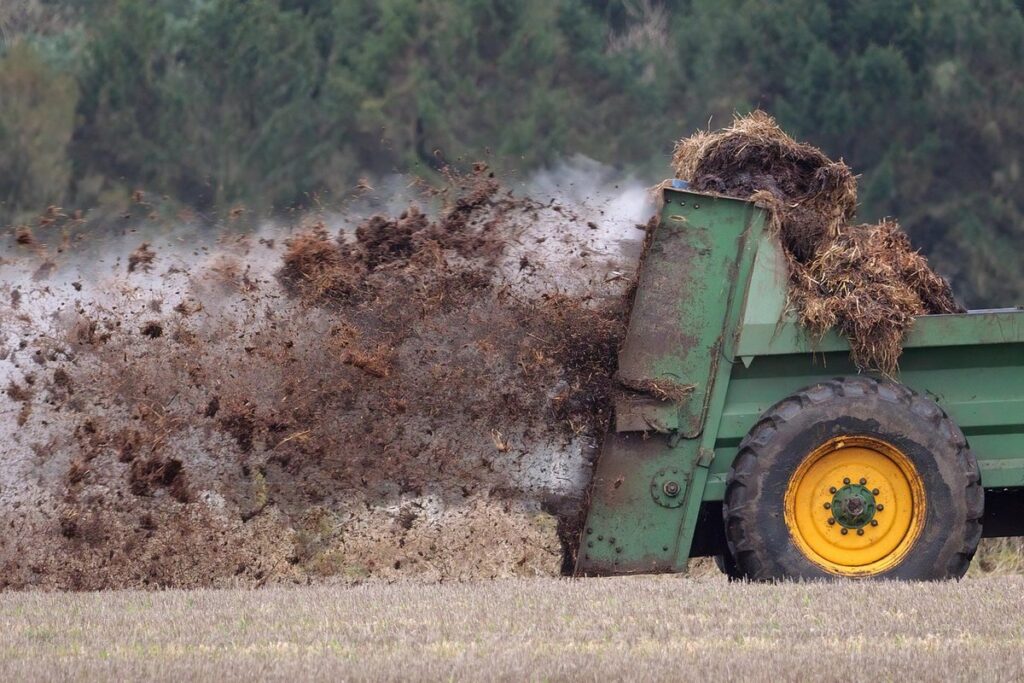
Importance of Managing Chicken Manure
Proper management of chicken manure is crucial for maintaining a healthy and hygienic coop, as well as reducing waste disposal issues. Let’s explore its importance in more detail.
Benefits of Composting Chicken Manure
Composting chicken manure is a game-changer for both farmers and backyard chicken keepers. By turning this waste into a valuable fertilizer, you can reduce odors associated with the manure, which can be overwhelming, especially in small spaces. For instance, if you’re raising chickens in your backyard, you know how pungent their droppings can be. Composting them eliminates the strong smell and creates a nutrient-rich compost that’s perfect for fertilizing your garden or lawn.
Composting chicken manure also saves you money on waste management costs. When you compost, you’re reducing the amount of waste that needs to be disposed of, which means lower disposal fees. Plus, the fertilizer you create is free! According to the USDA, composted manure can contain up to 10 times more nutrients than synthetic fertilizers.
By incorporating composting into your chicken-keeping routine, you’ll not only save money but also reduce your environmental impact. Composting reduces greenhouse gas emissions and minimizes waste sent to landfills. With a little bit of planning and effort, you can turn what was once a waste product into a valuable resource that benefits both your garden and the environment.
Common Challenges with Chicken Manure Composting
Composting chicken manure can be a challenge due to its unique characteristics. One common issue is moisture control – chicken manure is high in water content, which can lead to anaerobic conditions and unpleasant odors if not managed properly. To avoid this, it’s essential to balance the moisture levels by mixing in dry materials like straw or sawdust.
Pest management is another concern when composting chicken manure. Rodents, flies, and other pests are attracted to the rich nutrients in chicken waste. To keep these critters at bay, make sure to add a thick layer of carbon-rich materials on top of the pile, and consider using physical barriers like wire mesh or hardware cloth.
Maintaining the right C:N ratio is also crucial when composting chicken manure. This requires balancing the nitrogen-rich chicken waste with sufficient amounts of carbon-rich materials like leaves, grass clippings, or shredded paper. Aim for a mix that’s roughly 2/3 “brown” materials and 1/3 “green” materials.
Regular turning of the pile can help aerate it and speed up decomposition, but be careful not to over-turn, as this can damage the composting process.
Types of Compost Bins for Chicken Manure
Let’s explore your options when it comes to compost bins specifically designed to manage chicken manure, and learn what works best.
Traditional Wire Mesh Bins
Traditional wire mesh bins are a popular choice for composting chicken manure due to their affordability and ease of use. These bins consist of a simple framework made from wire mesh, which allows air to circulate and facilitate the decomposition process.
One of the main advantages of traditional wire mesh bins is their low cost, making them an accessible option for small-scale farmers or backyard gardeners. However, they also have some notable disadvantages. For instance, wire mesh bins can be prone to pest invasion, as rodents, snakes, and other animals may be able to access the compost pile through the openings in the mesh.
Another disadvantage is that wire mesh bins may not provide adequate protection from extreme weather conditions such as heavy rain or direct sunlight. In comparison to more advanced composting systems like plastic or wooden bins, traditional wire mesh bins are often less effective at retaining heat and moisture within the compost pile.
To minimize the risks associated with wire mesh bins, it’s essential to choose a sturdy framework that can withstand outdoor conditions, and to ensure proper maintenance practices, such as regular cleaning and pest control measures. By taking these precautions, you can still achieve successful composting results using traditional wire mesh bins.
Plastic Bin Options
When it comes to compost bins for chicken manure, plastic bin options are often considered due to their durability and affordability. These bins can withstand harsh weather conditions and heavy use, making them a popular choice among farmers and backyard chicken keepers. However, it’s essential to weigh the benefits against the potential drawbacks.
One significant concern with plastic bins is the risk of chemicals leaching into the compost, which can contaminate the soil and potentially harm plants and animals that come into contact with it. This is especially true for low-quality or recycled plastics that may contain BPA or other toxic substances. To mitigate this risk, look for high-density polyethylene (HDPE) bins, as they are generally considered safe for composting.
When choosing a plastic bin, consider the size and design to ensure easy access and maintenance. A well-designed bin with adequate ventilation can help reduce odors and pests while keeping the composting process efficient. Ultimately, it’s crucial to balance durability with the potential risks associated with plastic bins and choose a product that prioritizes both performance and sustainability.
Key Features to Consider When Choosing a Compost Bin
When choosing a compost bin for your chicken manure, there are several key features to consider that will make all the difference in creating nutrient-rich soil for your garden. Let’s dive into what you need to know.
Size and Capacity
When it comes to choosing a compost bin for chicken manure, selecting the right size is crucial. You’ll want to consider not only the volume of manure generated but also the available space you have on your property. A good rule of thumb is to choose a bin that can hold at least 1-2 cubic yards of material.
If you have a small flock of chickens (less than 5 birds), a compact bin with a capacity of around 1-2 cubic feet may be sufficient. However, if you’re managing a larger flock, you’ll need a bin with more space – ideally 4-6 cubic feet or larger. To give you a better idea, a standard pallet of chicken manure weighs about 20 pounds, so for a moderate-sized flock, you can expect to generate around 100-200 pounds of waste per week.
Don’t forget to consider the layout and accessibility of your compost bin as well. You’ll want to choose a location that’s easily accessible for maintenance and turning, yet out of sight from prying eyes (or neighbors!). Be sure to measure your available space carefully before making a purchase to ensure you get a bin that fits snugly into its new home.
Ease of Cleaning and Maintenance
When choosing a compost bin for chicken manure, ease of cleaning and maintenance is crucial to ensure that the waste breaks down efficiently and effectively. A dirty or poorly maintained compost bin can harbor pathogens and attract pests, which can be detrimental to your flock’s health.
To avoid these issues, look for a compost bin with a self-cleaning design. Some bins feature aeration systems that allow for easy turning of the pile, while others have removable doors or panels for effortless cleaning. Consider a bin with a lid or cover that can be easily lifted off for regular maintenance.
Regular cleaning is also essential to prevent pests and diseases from taking hold. Aim to clean your compost bin every week by removing any finished compost, adding fresh bedding material, and turning the pile to maintain oxygen flow. By prioritizing ease of cleaning and maintenance, you’ll not only keep your flock healthy but also ensure that your composting process runs smoothly and efficiently.
Best Materials for Building Your Own Compost Bin
When it comes to building your own compost bin, choosing the right materials is crucial for creating a durable and effective system. We’ll walk you through our top picks for materials that will get the job done.
Repurposed Wood or Metal
When it comes to building a compost bin for chicken manure, using repurposed wood or metal can be an attractive option. One of the main advantages is that these materials are often cost-effective and environmentally friendly. You can find old pallets, crates, or fencing wire at little to no cost, reducing waste and minimizing your carbon footprint.
However, there are some potential drawbacks to consider. Repurposed wood may rot quickly if it’s not properly treated or maintained, which can lead to a decrease in the compost bin’s effectiveness and create unpleasant odors. Additionally, certain types of metal, such as rusty wire mesh, can leach heavy metals into your compost, contaminating it.
To minimize these risks, make sure to inspect any repurposed materials carefully before using them. Look for signs of rot or decay, and choose materials that are sturdy and well-maintained. You may also want to treat the wood with a natural preservative, such as cedar oil, to extend its lifespan. With proper care and attention, repurposed materials can be a great choice for building your compost bin.
Recycled Plastics or Composite Materials
When it comes to building a compost bin for chicken manure, you may be considering using recycled plastics or composite materials. These options have gained popularity in recent years due to their durability and low maintenance requirements.
Recycled plastics are made from post-consumer waste such as old plastic bottles and containers. They’re often used to create durable and long-lasting bins that can withstand harsh weather conditions. However, one major drawback is the higher upfront cost compared to traditional materials like wood or metal. Additionally, some recycled plastics may contain additives that can leach into the compost, potentially affecting its quality.
Composite materials, on the other hand, are made from a combination of plastic and natural fibers such as wood or bamboo. They offer excellent durability and resistance to pests and rot, making them an attractive option for long-term use. However, they also tend to be more expensive than traditional materials, and may require special maintenance to prevent warping or cracking.
When deciding between recycled plastics or composite materials, consider your budget and the level of maintenance you’re willing to commit to. If you want a low-maintenance option that can withstand harsh weather conditions, composite materials might be the better choice. However, if you’re on a tighter budget, traditional materials like wood or metal may still be the way to go.
Safety Precautions When Working with Chicken Manure Compost
When working with chicken manure compost, it’s essential to take necessary precautions to avoid potential health risks and environmental hazards that come with handling this type of material. Take a few minutes to read through these important safety guidelines carefully.
Pathogen Control Measures
When handling raw chicken manure, it’s essential to take proper hygiene practices and precautions to prevent disease transmission. This includes washing your hands thoroughly with soap and water after handling the manure, as well as cleaning and disinfecting any equipment or tools used in the process.
Raw manure can contain pathogens such as E. coli, Salmonella, and Campylobacter, which can cause serious illness if ingested or come into contact with open wounds. To minimize the risk of disease transmission:
• Always handle raw chicken manure in a well-ventilated area to prevent inhaling pathogens.
• Wear protective clothing, including gloves and a face mask, when handling the manure.
• Avoid getting the manure on your skin or in your eyes – if you do come into contact with it, wash the affected area immediately with soap and water.
Additionally, make sure to follow proper composting practices, such as maintaining adequate temperature (at least 131°F) during the composting process. This will help kill off pathogens and create a safe, usable compost product.
Equipment Recommendations for Managing Compost
When managing chicken manure compost, it’s essential to have the right equipment to ensure safe and efficient processing. A good quality compost turner is a must-have for regular mixing and turning of the compost pile. This will help speed up decomposition and reduce odors.
For smaller-scale operations, manual composting tools such as pitchforks or shovel can be sufficient. However, if you’re handling larger quantities of manure, consider investing in a mechanized turner that can handle heavy loads with ease.
Another crucial piece of equipment is gloves, which will protect your hands from bacteria and other pathogens present in the manure. Choose gloves made from durable materials such as rubber or nitrile, ensuring they are resistant to punctures and cuts.
When selecting equipment, consider factors like durability, ease of use, and maintenance requirements. Always follow manufacturer instructions for proper usage and cleaning procedures. By investing in the right equipment and following best practices, you’ll be able to manage chicken manure compost safely and effectively, minimizing risks associated with handling this potentially hazardous material.
Additional Tips for Successful Chicken Manure Composting
To take your chicken manure composting skills to the next level, we’ll share some extra tips that can help you achieve a rich and nutrient-dense finished product. These insider secrets will ensure your compost is always optimal.
Monitoring Temperature and Moisture Levels
Monitoring temperature and moisture levels is crucial for achieving optimal decomposition in your chicken manure compost pile. Temperature fluctuations can significantly impact the composting process, with most microorganisms thriving between 130°F and 140°F (54°C to 60°C). A temperature of above 160°F (71°C) can kill off beneficial microbes, leading to slowed or halted decomposition.
To monitor temperatures effectively, use a compost thermometer inserted into the pile at regular intervals. Keep in mind that temperature readings can vary significantly depending on factors such as moisture levels and pile size.
Maintaining optimal moisture is also vital for efficient decomposition. Aim for a mix of 50-60% water content by ensuring the pile stays damp but not soggy. Monitor the pile’s consistency, checking if it holds its shape when pressed but doesn’t crumble apart. When moisture levels drop or rise too high, rebalance them by adding more water or aerating the pile.
Maintain a balance between temperature and moisture to ensure your compost piles are operating at their best.
Ensuring Effective Carbon-to-Nitrogen Ratios
When it comes to composting chicken manure, ensuring effective carbon-to-nitrogen (C:N) ratios is crucial for efficient decomposition. A balanced C:N ratio allows the microorganisms to break down the organic matter quickly and effectively, producing a nutrient-rich compost.
The ideal C:N ratio for composting chicken manure is between 20:1 and 30:1. To achieve this balance, you can add carbon-rich materials like straw, hay, or shredded newspaper to your pile. For example, if you have a 100-pound batch of chicken manure with an N content of 5%, you’ll need to add approximately 2-3 times the volume of carbon-rich materials.
Here are some general guidelines for balancing C:N ratios in your compost pile:
* Add 20-30% carbon-rich materials (e.g., straw, hay) to your pile.
* Maintain a moisture level between 50-60%.
* Turn the pile regularly to ensure oxygenation and prevent anaerobic conditions.
* Monitor temperature: optimal temperatures for decomposition range from 130°F to 140°F.
By following these guidelines, you’ll be able to create an efficient composting process that produces high-quality, nutrient-rich chicken manure compost.
Frequently Asked Questions
What are the signs of effective chicken manure composting, and how do I know if my system is working?
Effective chicken manure composting involves a balance between carbon-rich materials (like dry leaves or straw) and nitrogen-rich materials (like chicken droppings). Signs of successful composting include a uniform texture, earthy aroma, and absence of strong odors. To determine if your system is working, regularly monitor temperature, moisture levels, and the carbon-to-nitrogen ratio.
Can I use a traditional compost bin for regular household waste in conjunction with my chicken manure compost bin?
While you can mix certain types of household waste (like food scraps or yard trimmings) with chicken manure, it’s essential to maintain separate bins for each type of material. This helps prevent contamination and ensures the integrity of your finished compost.
What safety precautions should I take when working with hot compost piles, especially during peak temperatures?
When managing hot compost piles, wear protective gloves and eyewear to avoid potential pathogen exposure. Also, ensure good ventilation in your workspace by maintaining a safe distance from the pile and using fans if necessary. Monitor temperature regularly to prevent overheating.
How can I optimize my chicken manure composting system for maximum fertilizer production?
Optimizing your system requires regular monitoring of carbon-to-nitrogen ratios and moisture levels. Ensure adequate mixing and turning of materials, as well as maintaining a consistent pile size. By doing so, you’ll promote efficient decomposition and maximize nutrient retention in your finished compost.
Can I use recycled plastics or composite materials to build my own compost bin for chicken manure?
While some recycled plastic or composite materials can work well for building compost bins, ensure they’re durable enough to withstand outdoor conditions and potential temperature fluctuations. Research specific options that are resistant to pests, mold, and mildew to guarantee a functional and long-lasting solution.