
The Chocolate Runner duck breed is a true gem for poultry enthusiasts and farmers looking to add some unique flair to their flocks. Hailing from the United States, this rare and captivating breed boasts striking chocolate-brown feathers and impressive running abilities, making it a standout among its counterparts. For those interested in exploring beyond the common white Leghorn or Rhode Island Red, the Chocolate Runner offers a tantalizing opportunity to experience something new.
In this article, we’ll delve into the origins of the Chocolate Runner duck breed, highlighting its defining characteristics that have earned it a special place in the hearts of many poultry aficionados. We’ll also examine the various uses of this remarkable bird, from egg production to show competition and even as a beloved backyard pet. Whether you’re an experienced farmer or just starting your poultry journey, join us as we uncover the charms of the Chocolate Runner duck breed.
What is a Chocolate Runner Duck?
So, you’re wondering what makes a chocolate runner duck unique, and how it got its name. In this section, we’ll break down the breed’s characteristics and history.
Brief History of the Breed
The Chocolate Runner duck breed has its roots in Europe and North America, where breeders worked tirelessly to create a unique combination of size, temperament, and appearance. In the late 19th century, European breeders began experimenting with different duck breeds to produce a smaller, more agile bird. They crossed various breeds, including the Khaki Campbell and the Rouen, to achieve their desired results.
One key figure in the development of the Chocolate Runner was an American breeder named Dr. J.A. Clark. In 1904, Dr. Clark introduced his own version of the breed, which he called the “Chocolate.” He selectively bred his ducks to enhance their chocolate-brown coloration and improve their egg-laying capabilities.
As demand for smaller, more manageable duck breeds grew in North America, the Chocolate Runner gained popularity. Breeders began crossing their birds with other breeds to create a variety of new colors and patterns, cementing the breed’s place as one of the most recognizable and beloved duck breeds today.
Physical Characteristics
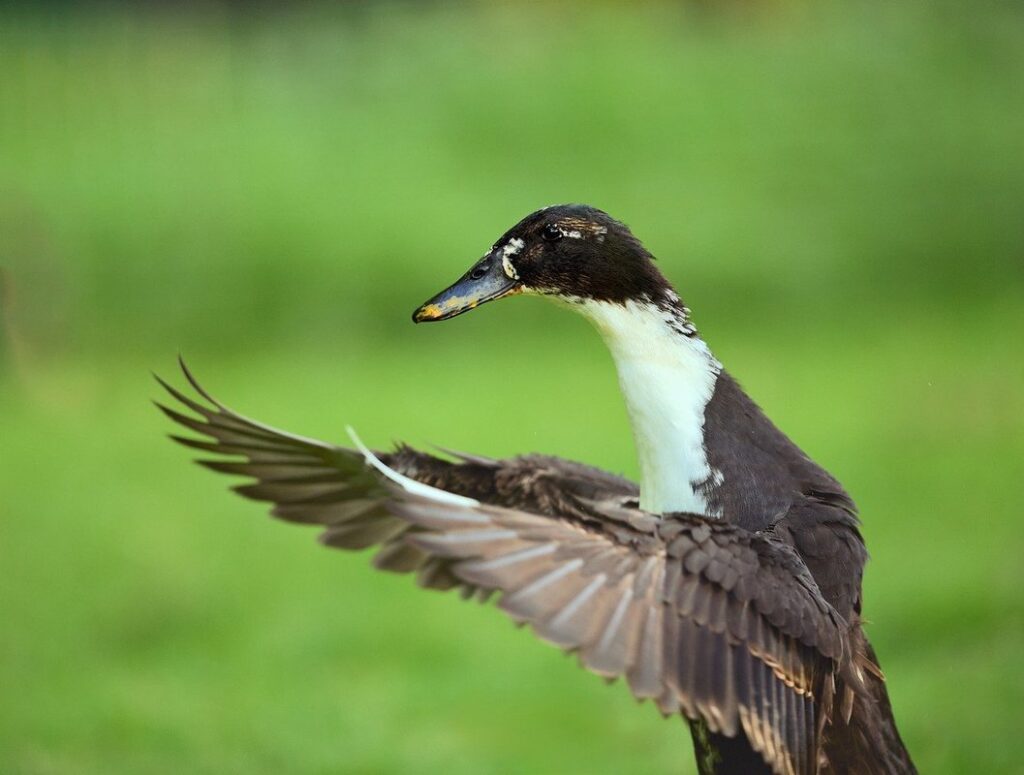
The Chocolate Runner duck’s physical characteristics are unmistakable and set it apart from other duck breeds. One of its most distinctive features is its plumage coloration – a rich, dark brown with subtle orange undertones. This unique feathering gives the Chocolate Runner its name, evoking images of decadent chocolate.
In terms of beak shape, the Chocolate Runner’s beak is broad and flat, ideal for dabbling in water to search for food. Its body size is also worth noting – the Chocolate Runner duck typically weighs between 8-10 pounds (3.6-4.5 kg) and stands around 20 inches (51 cm) tall. This compact build makes them an excellent choice for small backyards or urban farms.
Compared to other breeds, the Chocolate Runner’s beak shape is more pronounced, allowing it to efficiently forage in shallow water. Their robust body allows them to thrive on a variety of diets, from grains to vegetables. When choosing this breed, keep in mind their specific needs and ensure you provide adequate space for exercise and swimming.
Key Characteristics of the Chocolate Runner Duck
As you’re getting to know the lovable Chocolate Runner Duck, let’s take a closer look at its distinctive features and what makes it so unique among waterfowl enthusiasts.
Temperament and Personality
The Chocolate Runner duck is known for its exceptional temperament and personality traits, making them an ideal pet for many backyard enthusiasts. One of the most notable characteristics of this breed is their friendliness. They are social birds that thrive on human interaction and will often follow you around the yard, enjoying your company.
In terms of intelligence, Chocolate Runners are considered to be one of the smartest duck breeds out there. They are known to figure out puzzles and problems quickly, making them a joy to work with. Their high cognitive abilities also mean they can adapt easily to new environments, whether it’s a change in living space or a move to a new yard.
Their adaptability is yet another one of their standout personality traits. Whether you live in a small city garden or a sprawling rural estate, the Chocolate Runner duck will adjust to its surroundings with ease. With proper care and attention, they can even become quite tame, enjoying being handled and cuddled by their owners.
Feeding Habits and Nutrition Requirements
When it comes to feeding your Chocolate Runner duck, it’s essential to understand their unique dietary needs. These ducks are considered to be medium-sized and have a moderate appetite, so they require a balanced diet that meets their nutritional requirements.
In the wild, Chocolate Runners forage for food on land and in water, which means they need access to a variety of foods including grasses, aquatic plants, and insects. As a responsible duck owner, you should aim to replicate this diverse diet by providing a mix of grains, vegetables, fruits, and proteins.
Some key nutritional requirements for Chocolate Runners include:
* A diet high in protein (around 15-20% of their daily caloric intake) from sources like bugs, mealworms, or commercial duck pellets
* Adequate calcium and phosphorus for strong bone development
* A balanced ratio of omega-3 to omega-6 fatty acids for healthy skin and feathers
To ensure your Chocolate Runner is getting the nutrients they need, consider the following tips:
* Provide a varied diet that includes fresh veggies like kale, spinach, and carrots, as well as fruits like berries and apples
* Offer a source of protein like mealworms or crickets 2-3 times a week
* Supplement their diet with commercial duck feed that meets their nutritional requirements
Health Considerations for Chocolate Runner Ducks
When caring for your chocolate runner duck, it’s essential to be aware of potential health issues that can arise due to their unique characteristics and needs. Let’s explore some key considerations for keeping them happy and healthy.
Common Health Issues
Chocolate Runner ducks are generally considered to be a healthy breed, but like all breeds, they can be prone to certain health issues. One of the most common problems affecting Chocolate Runners is respiratory distress, particularly during times of high heat or humidity.
Symptoms of respiratory distress may include labored breathing, wheezing, and coughing. If you notice any of these symptoms in your Chocolate Runner, it’s essential to provide a cool, well-ventilated area for them to rest. You can also try administering a humidifier to help ease congestion.
Another common issue affecting the breed is obesity. This is often caused by overfeeding or lack of exercise. To prevent this, make sure to limit your duck’s food intake and provide plenty of opportunities for physical activity. A good rule of thumb is to ensure they have access to at least 6 hours of outdoor time each day.
Regular veterinary check-ups can also help identify any potential health issues early on. Your vet can perform a thorough examination to detect signs of respiratory problems or other conditions specific to the breed, such as feather plucking and prolapse.
Some common health issues that can affect Chocolate Runner ducks include:
• Respiratory distress
• Obesity
• Feather plucking
• Prolapse
• Common colds
It’s crucial to monitor your duck’s behavior and body language closely to catch any potential issues early on. With regular care, proper nutrition, and attention from a qualified veterinarian, you can help prevent or manage many of these common health problems affecting the Chocolate Runner breed.
Breeding and Genetics
Breeding Chocolate Runner ducks requires a deep understanding of their genetic makeup. When it comes to breeding for health, genetics play a crucial role in determining reproductive success and overall well-being. A key factor is selecting parents with good genetic diversity, as this helps ensure the offspring have a strong immune system and are less prone to inherited health issues.
When choosing parent stock, look for ducks that exhibit vigor and vitality. Healthy ducks will be more likely to breed successfully, reducing the risk of complications during mating or egg production. It’s also essential to consider breed lines and bloodlines, as certain genetic combinations can increase the likelihood of specific health problems.
To maintain genetic diversity, rotate your breeding stock regularly and introduce new birds into your flock from reputable breeders. This will help prevent inbreeding depression and reduce the risk of inherited diseases. By prioritizing genetics and selecting healthy parents, you’ll be well on your way to raising a robust and thriving flock of Chocolate Runner ducks.
Keeping Chocolate Runner Ducks as Pets
If you’re considering bringing a chocolate runner duck into your family, you’ll want to know how to provide the perfect home for these lovable feathered friends. This section will cover essential care and housing tips.
Housing and Living Conditions
When it comes to keeping Chocolate Runner ducks as pets, providing a suitable environment is crucial for their health and happiness. A happy duck is one that has plenty of space to roam around, exercise, and engage in natural behaviors.
In terms of housing, you’ll need to provide a safe and secure enclosure that’s specifically designed for ducks. The minimum recommended size for a single Chocolate Runner duck is about 10 feet by 20 feet (3 meters by 6 meters), but larger spaces are always better. Make sure the enclosure has adequate ventilation to prevent ammonia buildup from their droppings.
To ensure your duck’s safety, you’ll need to take measures such as netting or screening around the top of the enclosure to prevent escape and predators from getting in. You should also provide a secure gate that can withstand strong winds and intruders. A shelter or coop within the enclosure will protect your ducks from harsh weather conditions.
When creating your duck’s living space, remember that they’re social animals and prefer to live in pairs or groups. Providing plenty of perches, plants, and visual stimulation will help keep them entertained and active.
Care and Maintenance Tips
Caring for your Chocolate Runner duck requires attention to their dietary needs, exercise routine, and health monitoring. Start by feeding them a high-quality commercial duck feed as the main staple, supplemented with fresh fruits and vegetables daily. A good rule of thumb is to provide about 10-15% of their diet in treats, which can include leafy greens like kale or spinach.
Regular exercise is also crucial for your Chocolate Runner’s physical and mental health. Ensure they have at least an hour of supervised outdoor time each day, where they can roam freely and engage in natural behaviors. You can also set up a safe enclosure or “duck playpen” in your backyard to give them extra space to move around.
Keep a close eye on your duck’s overall health by monitoring their appetite, droppings, and behavior. Be sure to check for signs of illness or stress, such as lethargy, loss of appetite, or changes in droppings. If you notice any unusual symptoms, consult with a veterinarian experienced in caring for waterfowl.
As an added precaution, make sure your duck’s living space is clean and well-ventilated at all times. Remove soiled bedding material regularly and replace it with fresh bedding to prevent the buildup of bacteria and other pathogens that can harm your feathered friend.
Unique Uses of the Chocolate Runner Duck
You might be surprised at how versatile our beloved Chocolate Runner Duct can be, beyond its usual uses as a pet and show bird. Let’s explore some of its unique applications!
Agricultural and Commercial Applications
The Chocolate Runner duck is not just a stunning addition to your backyard flock, but it also has some fascinating uses in agriculture and commercial settings. In fact, its unique characteristics make it an excellent choice for farms looking to diversify their operations.
One of the primary benefits of keeping Chocolate Runners on your farm or estate is pest control. These ducks are natural foragers and can help keep pests like slugs, snails, and insects under control. By integrating them into your rotation, you can significantly reduce the need for pesticides, creating a more sustainable and environmentally friendly farming practice.
In addition to pest control, Chocolate Runners are also prolific egg layers, producing an average of 150-200 brown eggs per year. This makes them an excellent choice for farms looking to diversify their egg-laying operations or start small-scale backyard poultry projects.
If you’re considering raising Chocolate Runners on a larger scale, it’s essential to note that they can grow quite large – up to 5 kg (11 lbs) in weight. As such, they’ll require more space and nutrition than smaller breeds. However, with proper care and management, they can provide an excellent source of protein for commercial markets.
If you’re thinking of incorporating Chocolate Runners into your agricultural or commercial operations, consider the following tips:
* Start small: Begin by introducing a few Chocolate Runners to your farm and monitor their performance before scaling up.
* Provide adequate space: Ensure that your ducks have enough room to roam and exercise – a minimum of 2-3 square meters per bird.
* Rotate pastures: Move your ducks regularly to different areas to prevent overgrazing and maintain soil health.
By embracing the unique characteristics of the Chocolate Runner duck, you can create more sustainable and resilient agricultural systems that benefit both your business and the environment.
Entertainment Value and Show Prospects
The Chocolate Runner duck is more than just a beautiful bird to look at – it’s also a crowd-pleaser when it comes to entertainment. For enthusiasts and collectors, there’s no denying the appeal of owning one of these stunning birds.
In terms of shows and exhibitions, the Chocolate Runner duck would be an absolute hit. Imagine the oohs and ahhs from spectators as they watch this gorgeous bird strut its stuff on stage or in a display enclosure. With their striking appearance and charming demeanor, it’s no wonder that many breeders and owners are already showcasing their Chocolate Runners at local and national poultry shows.
But beyond just showing off their good looks, the Chocolate Runner duck has plenty to offer in terms of entertainment value. For example, you could train your bird to perform tricks or participate in agility courses – think of the fun you’ll have watching them navigate tunnels and obstacles with ease! With a little creativity and practice, you can turn your Chocolate Runner into a true star of the show.
Conclusion: Appreciating the Rarity of the Chocolate Runner Duck
As we come to the end of our journey through the world of the chocolate runner duck, let’s take a moment to appreciate its true rarity. This section will reflect on what makes this breed so special.
Final Thoughts on the Breed
As you’ve made it through this journey of discovering the enchanting Chocolate Runner duck breed, we hope you’ve developed a deeper appreciation for its unique characteristics and features. This concludes our exploration into what makes this breed so special.
One of the most significant takeaways from our discussion is the importance of preserving the breed’s distinctive traits. The Chocolate Runner duck’s striking appearance, combined with its friendly and energetic personality, makes it an invaluable addition to any backyard flock or waterfowl collection. As a responsible breeder or enthusiast, it’s essential to prioritize breeding programs that focus on maintaining these defining qualities.
To ensure the long-term survival of this remarkable breed, we recommend prioritizing conservation efforts that emphasize genetic diversity and purity. This may involve collaborating with other breeders, sharing resources, and participating in breeding programs designed to promote the breed’s unique characteristics.
It’s also crucial to recognize the Chocolate Runner duck’s potential as a show-stopping spectacle in waterfowl exhibitions or competitions. If you’re an experienced breeder or exhibitor, consider showcasing your Chocolate Runners at local or national events to highlight their exceptional qualities.
When interacting with other enthusiasts or breeders, share your knowledge and passion for this captivating breed. By doing so, we can collectively work towards preserving the Chocolate Runner duck’s charm and allure for future generations to enjoy.
Ultimately, it’s up to each of us to safeguard the integrity and essence of this exceptional breed. As you’ve come to appreciate the joys of owning or exhibiting a Chocolate Runner duck, remember your role in helping preserve its place among the world’s rarest and most captivating waterfowl breeds.
Frequently Asked Questions
Can I raise Chocolate Runner ducks for egg production if I’m a beginner?
Raising Chocolate Runner ducks can be a bit challenging, especially for beginners. While they do lay eggs, their temperament requires more attention and care compared to other duck breeds. If you’re new to poultry farming, it’s essential to research and understand the specific needs of this breed before investing in them. Start with smaller quantities and gradually increase as you gain experience.
How do I determine if a Chocolate Runner duck is purebred?
To ensure you have genuine purebred Chocolate Runners, look for documentation from reputable breeders or organizations that verify their lineage. Check for distinctive physical characteristics like chocolate-brown feathers, webbed feet, and a broad body shape. Keep in mind that crossbreeding can occur, so it’s crucial to purchase from trusted sources.
Are Chocolate Runner ducks suitable for small backyard farms?
Chocolate Runners are an excellent choice for smaller farms due to their unique combination of size, temperament, and running ability. They require less space compared to other duck breeds but still benefit from regular exercise and stimulation. Consider incorporating running areas or providing plenty of foraging opportunities to keep them happy.
Can I show my Chocolate Runner ducks in competitions?
Chocolate Runners are gaining popularity in the poultry show circuit due to their striking appearance and impressive abilities. To participate in shows, ensure your birds meet breed standards and register with a recognized organization like the American Bantam Association (ABA) or the Poultry Club of Great Britain (PCGB). Familiarize yourself with competition rules and regulations.
What should I do if my Chocolate Runner duck develops health issues?
Like any poultry breed, Chocolate Runners may be prone to specific health problems. If you notice signs of illness or discomfort in your birds, consult a veterinarian experienced in avian care. Keep detailed records of your flock’s history, vaccination schedules, and treatment plans to help diagnose and address potential health concerns efficiently.