
Have you ever wondered how those adorable little balls of fluff turn into fully-fledged ducks? The process of feather development in ducklings is nothing short of miraculous. From their embryonic growth inside the egg to their first wobbly steps on land, genetics play a crucial role in shaping their plumage. But it’s not just about inherited traits – nutrition and environment also have a significant impact on how quickly and fully those feathers grow.
In this article, we’ll delve into the fascinating world of duckling feather development, exploring the intricacies of embryonic growth, molting, and beyond. We’ll examine why genetics, nutrition, and environmental factors all contribute to their ultimate appearance. Whether you’re a seasoned duck breeder or simply a nature enthusiast, understanding the process will give you valuable insights into the incredible world of waterfowl. Let’s dive in and discover how ducklings transform from fluffy cuteness to sleek, agile ducks.
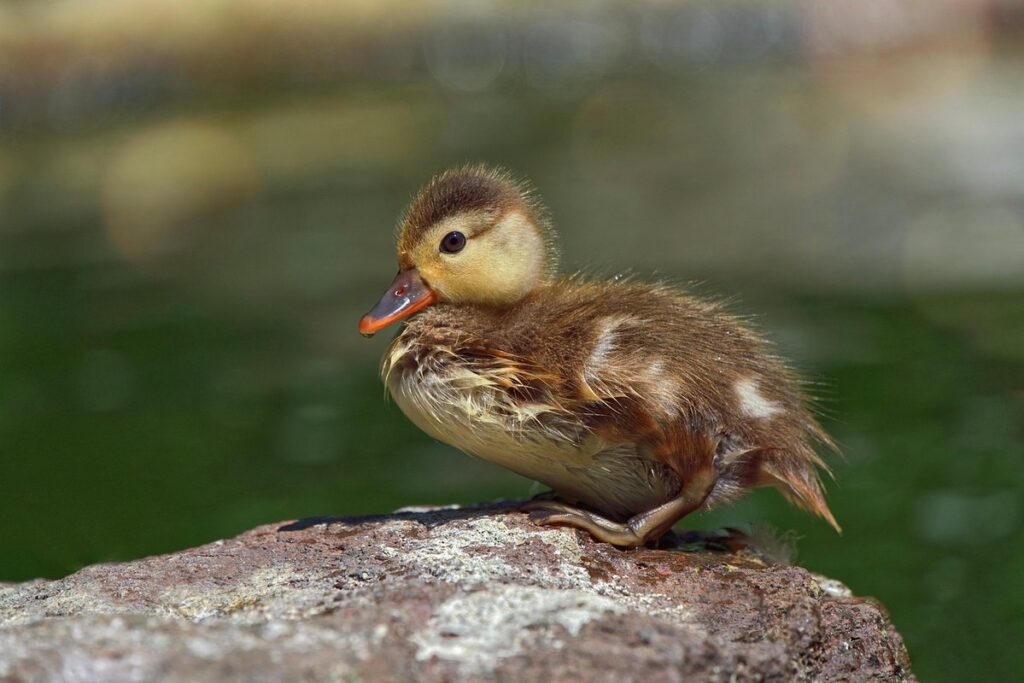
The Development Process of Duckling Feathers
So, how do ducklings grow their feathers? Let’s dive into the fascinating development process that happens right under your nose!
Embryonic Development and Pipping
As ducklings grow inside their eggs, a complex process of embryonic development sets the stage for their eventual emergence and feather growth. From fertilization to pipping, several genetic factors influence the earliest stages of feather development.
Genetic influences play a crucial role in determining when and how duckling feathers emerge. Breed-specific characteristics can impact timing, with some breeds developing feathers faster or slower than others. However, environmental factors like temperature, nutrition, and light exposure also affect growth rates.
During embryonic development, the cells that will eventually form feathers begin to differentiate around 24-28 hours after fertilization. Around day 25-26, the first visible signs of feather formation appear as small bumps on the embryo’s skin.
Around 24-48 hours before hatching, the chick starts to pip by cracking its beak through the eggshell. This can happen anywhere from 21-30 days of incubation depending on breed and individual variation. As the duckling pips, the air sac inside the egg expands, helping to weaken the shell further.
Keep in mind that every duckling is different, and there’s a range for normal development. Monitor your ducklings closely during this critical period to identify any signs of stress or developmental issues early on.
Post-Hatching Feathers and Downy Coating
As ducklings take their first wobbly steps into the world, they may appear naked and vulnerable. However, beneath that downy covering lies a complex system of feathers waiting to emerge. The first sign of feather growth is usually visible around 2-3 days after hatching, when tiny quill knobs begin to form on the duckling’s body.
These early feathers are soft and fluffy, often referred to as “down” or “fluff.” Downy coating serves a vital purpose: it provides essential insulation against cold temperatures, helping regulate the duckling’s body heat. It also helps maintain humidity levels around the bird, keeping its skin healthy and supple.
As the duckling grows, so does its feather coat. By around 5-7 days old, you’ll start to notice longer, more defined feathers emerging from the downy undercoat. This is a crucial stage in the development process, as it begins to replace the insulating properties of the down with more robust, water-resistant plumage. To encourage healthy feather growth, ensure your ducklings have access to fresh air and adequate ventilation in their enclosure.
Types of Duckling Feathers
Let’s dive into the different types of duckling feathers, from fluffy down to strong, water-resistant plumage that’ll keep your little ones warm and dry. There are several distinct feather stages to explore.
Down Feathers
Down feathers are one of the first types of feathers to appear on ducklings. Typically, they emerge around 2-4 weeks of age and cover the entire body, except for the head, neck, and wings. These soft, fluffy feathers provide insulation and help regulate a duckling’s body temperature.
One key characteristic of down feathers is their unique structure. They have tiny barbs that branch off from a central shaft, creating a soft, plumose effect. This design allows them to trap warm air next to the skin, keeping the duckling cozy even in cold temperatures. As the duckling grows, its down feathers will gradually be replaced by more mature types of feathers.
It’s worth noting that down feathers are not as effective at providing protection from wind or water as other types of feathers, such as contour or flight feathers. However, they play a vital role in helping young ducklings conserve energy and develop their immune systems during the early stages of growth.
Flight Feathers (Remiges) and Tail Feathers (Rectrices)
As ducklings begin to grow their first feathers, it’s essential to understand the development of flight feathers, specifically remiges (flight wing feathers) and rectrices (tail feathers). These critical feathers play a vital role in enabling our feathered friends to take flight.
Remiges are the long, narrow feathers on the wings that allow for lift and control during flight. They grow from the wing buds, starting at the primaries and working their way outwards towards the tips of the wings. Proper alignment of these feathers is crucial for smooth flight; misaligned remiges can lead to turbulence and reduced aerodynamics.
Meanwhile, rectrices are shorter, sturdier feathers located on the tail that provide additional lift and stability during flight. They also grow from specific buds, requiring a more precise growth pattern to ensure proper function. As ducklings develop their wing and tail feathers, it’s essential to monitor their alignment and adjust accordingly to prevent any potential issues.
Factors Affecting Feather Growth in Ducklings
As you care for your duckling, it’s essential to understand what influences their feather growth, ensuring they stay warm and healthy during their first few weeks. Several key factors come into play here.
Genetics and Heredity
When it comes to duckling feather growth, genetics play a significant role. As a duck breeder, understanding the genetic makeup of your ducklings is crucial in predicting their adult coat and overall appearance.
Different breeds exhibit unique characteristics when it comes to feathering, such as the Muscovy duck‘s sparse plumage or the Pekin’s dense feathers. Some breeds are more prone to early feather growth, while others may take longer to develop a full coat. For instance, Khaki Campbells tend to start feathering around 6-8 weeks of age, whereas Embden ducks may not have developed significant feathers until around 12 weeks.
Keep in mind that individual ducklings can vary significantly from their breed standards due to genetic variation. Factors like sex-linked traits and recessive genes can also influence feather growth patterns. While you can’t control the specific genetics of your ducklings, understanding breed-specific characteristics will help you better anticipate when to expect feathering and make informed decisions about their care.
It’s essential to monitor your ducklings’ development closely, taking note of any anomalies or variations from expected breed standards. This way, you’ll be prepared for potential challenges related to feather growth and can provide the necessary support for your ducklings as they mature.
Nutrition and Environmental Conditions
Adequate nutrition plays a crucial role in feather growth and development in ducklings. A well-balanced diet rich in essential nutrients such as protein, vitamins, and minerals will support healthy feather production. For example, a study on duckling nutrition found that those fed a diet containing 20% protein grew feathers at a rate of 2.5 cm per week, compared to 1.8 cm per week for those fed a lower-protein diet.
In addition to nutrition, environmental conditions also impact feather development in young ducks. Extreme temperatures can slow down or even stop feather growth altogether. For instance, ducklings kept in an unheated shed during cold winter months may not develop feathers until the weather warms up. Conversely, high temperatures above 30°C (86°F) can lead to heat stress, causing feather molting and a decrease in overall health.
To optimize feather growth, ensure that your duckling’s living space is maintained at a comfortable temperature between 15°C (59°F) and 25°C (77°F). Adequate ventilation and humidity control are also essential. By providing the right nutrition and environmental conditions, you can promote healthy feather development in your young ducks.
Recognizing Underdeveloped Feathers in Ducklings
As you care for your ducklings, it’s essential to recognize when their feathers haven’t developed properly. This can be a sign of potential health issues and requires attention from an experienced bird owner.
Signs of Poor Feather Development
When it comes to raising healthy ducklings, it’s essential to monitor their feather development closely. Poor feather growth can be a sign of underlying health issues, nutritional deficiencies, or environmental stressors. As a responsible duck breeder or owner, you should be able to identify the common indicators of underdeveloped feathers in your young charges.
Bare patches on the body are one of the most noticeable signs of poor feather development. These patches can occur anywhere on the duckling’s body, from the wings and tail to the back and belly. If you notice large areas of bare skin, it may indicate a problem with feather growth or an underlying health issue. Uneven growth patterns, where feathers grow at different rates or in irregular shapes, can also be a concern.
Coloration issues, such as patches of white or gray feathers on otherwise normally colored ducklings, are another sign that something is amiss. These issues often stem from genetic factors, but they can also be caused by environmental stressors like temperature fluctuations or poor nutrition. By recognizing these signs early, you can take corrective action and give your ducklings the best chance at developing healthy, thriving feathers.
Potential Causes for Underdevelopment
When it comes to underdeveloped feathers in ducklings, there are several potential causes that you should be aware of. One of the most critical factors is inadequate nutrition. A diet deficient in essential vitamins and minerals, particularly vitamin E and omega-3 fatty acids, can hinder feather development. These nutrients play a crucial role in maintaining healthy skin and promoting strong, shiny feathers.
Poor living conditions can also contribute to underdeveloped feathers. Ducklings require a lot of space to move around, stretch their wings, and exercise. If they’re confined to too small an area or lack adequate ventilation, it can lead to stress, which negatively affects feather growth. Additionally, exposure to extreme temperatures, drafts, or humidity fluctuations can weaken their immune system, making them more susceptible to health issues that impact feather development.
To ensure optimal feather development in your ducklings, provide a balanced diet and a clean, spacious environment with proper ventilation. Monitor their living conditions closely and adjust as needed to prevent stress-related problems. Regular check-ups with a veterinarian will also help identify any underlying health issues affecting your ducklings’ feathers.
Nurturing Healthy Feather Growth in Ducklings
As duckling parents, you’re probably eager to see your little ones grow their first feathers and become more independent. This section will walk you through how to promote healthy feather growth in your growing brood.
Tips for Optimal Feeding and Care
When it comes to nurturing healthy feather growth in ducklings, providing optimal feeding and care is crucial. A well-planned feeding schedule is essential to ensure that your ducklings receive the necessary nutrients for healthy development. Start by dividing your ducklings into separate brooder boxes or pens based on age, as this will allow you to tailor their feeding schedules accordingly.
A general rule of thumb is to provide 20-25% protein feed to ducklings from hatching to six weeks old. This can be achieved through a starter crumble or mash specifically formulated for waterfowl. Supplement with fresh vegetables and fruits daily to add essential vitamins and minerals. Leafy greens like kale, spinach, and collard greens are rich in iron, calcium, and other vital nutrients.
Maintaining proper sanitation practices is equally important. Ensure that the brooder boxes or pens are cleaned regularly, removing any soiled bedding material and disinfecting all surfaces with a solution of 1 part white vinegar to 9 parts water. This will help prevent disease outbreaks and promote healthy feather growth.
In addition to optimal feeding and cleaning schedules, providing essential vitamins is also crucial for healthy feather development. Consult with your local feed store or veterinarian about adding vitamin supplements specifically formulated for ducklings to their diet. Follow the recommended dosage carefully, as excessive supplementation can be detrimental to their health.
By following these simple tips and maintaining a consistent routine, you’ll set your ducklings up for optimal feather growth and overall health.
Managing Common Challenges Related to Duckling Feathers
As you welcome new ducklings into your home, it’s essential to be prepared for common challenges related to their feathers. This section addresses frequent issues and offers practical solutions for a stress-free experience.
Molting and Feather Loss in Young Ducks
As a duck keeper, you’re likely familiar with the adorable, fluffy stage of duckling development. However, this phase doesn’t last forever. Eventually, your young ducks will undergo their first molting process, where they shed and replace their downy feathers with adult plumage.
During this period, you might notice that some of your ducklings are experiencing feather loss more intensely than others. This is normal, but it can be distressing for both you and the birds. To manage feather loss, make sure your ducklings have access to a clean and dry area where they can easily move around without getting wet. A well-ventilated enclosure or a spacious room with adequate bedding will help prevent bacterial growth.
It’s essential to maintain proper nutrition during this time. Ensure that your ducklings are receiving a balanced diet rich in protein, vitamins, and minerals. Avoid overfeeding, as this can cause feather problems. Provide fresh water at all times, and make sure the temperature in their enclosure doesn’t get too low – around 40-50°F (4-10°C) is suitable.
Keep an eye out for signs of stress or illness, such as lethargy, loss of appetite, or labored breathing. If you notice any unusual behavior or feather loss patterns, consult with a veterinarian to rule out any underlying health issues.
Preventing Predation and External Damage
As a duckling parent, it’s essential to protect your feathered babies from external threats that can damage their precious plumage. Predators like foxes, raccoons, and hawks are always on the lookout for an easy meal, while parasites like mites and lice can cause discomfort and harm to your ducklings.
To prevent predation, keep a close eye on your surroundings and take necessary precautions such as:
* Fencing your yard with hardware cloth or chicken wire to prevent predators from getting in
* Covering the run or enclosure at night when predators are most active
* Keeping your ducklings in a secure, predator-proof coop or pen
Regular checks can also help you identify any external parasites on your ducklings’ feathers. Look for signs like:
* Excessive preening or feather plucking
* Visible mites or lice crawling on their feathers
* Changes in behavior or appetite
To prevent infestations, practice good hygiene and keep the coop clean, removing soiled bedding material regularly and disinfecting any surfaces that come into contact with your ducklings.
Conclusion: Ensuring Healthy Feather Growth in Ducklings
Now that you’ve learned when your ducklings will get their feathers, let’s talk about how to ensure they grow strong and healthy. This is crucial for their overall well-being and development.
Recap of Key Points and Recommendations
As we conclude our discussion on when ducklings get feathers, let’s recap the essential factors for healthy feather development. To ensure your young ducks grow strong and vibrant feathers, remember that a balanced diet is crucial from an early age. Provide them with high-quality starter feed specifically formulated for waterfowl to meet their nutritional needs.
In addition to proper nutrition, maintain a clean and dry environment for your ducklings. This means ensuring good ventilation in their enclosure, removing soiled bedding regularly, and preventing overcrowding. A healthy and stress-free environment promotes optimal feather growth.
Regular health checks are also vital to identify any potential issues early on. Be on the lookout for signs of disease or parasites that can impact feather development, such as changes in droppings, lethargy, or excessive shedding.
Some key takeaways from our article include:
• Providing adequate calcium and protein through a balanced diet
• Maintaining optimal temperatures (around 90-100°F) and humidity levels
• Avoiding stressors like overcrowding and drafts
To put these recommendations into practice, consider the following:
* Start your ducklings on high-quality starter feed from day one to ensure they receive essential nutrients.
* Monitor their growth and adjust their environment as needed to maintain a healthy balance.
* Schedule regular health checks with a veterinarian experienced in caring for waterfowl.
By implementing these strategies, you’ll be well on your way to raising healthy, feathered ducklings. Remember that every little detail counts when it comes to their development, so stay vigilant and make adjustments accordingly.
Frequently Asked Questions
How can I ensure my ducklings are getting the right nutrition to support healthy feather growth?
Proper nutrition is essential for optimal feather development in ducklings. Provide a balanced diet rich in proteins, vitamins, and minerals. Include foods high in calcium and phosphorus, such as oyster shells or crushed eggshells, to promote strong beak and feather growth. Ensure access to fresh water at all times to support hydration.
At what age do ducklings typically start developing their flight feathers?
Ducklings begin growing their first remiges (flight feathers) around 6-8 weeks of age. However, these feathers are not fully developed until they reach maturity, which can take several months. Factors like genetics and nutrition can influence the rate of feather growth.
How do I recognize signs of poor feather development in my ducklings?
Monitor your ducklings for unusual behaviors or physical characteristics that may indicate poor feather development. Look for excessive molting, patchy or uneven feather growth, or difficulty swimming due to underdeveloped feathers. Consult with a veterinarian if you suspect any issues.
What environmental factors can affect feather growth in ducklings?
Environmental conditions like temperature extremes, humidity levels, and exposure to pests or diseases can impact feather growth. Ensure your ducklings have access to a safe and clean living space with adequate ventilation. Provide protection from predators and extreme weather conditions.
Can I intervene if I notice underdeveloped feathers on my ducklings? What are the best course of action?
Yes, if you suspect poor feather development, consult with a veterinarian for professional guidance. In some cases, dietary adjustments or supplements may be necessary to support healthy feather growth. Avoid over-handling your ducklings, as this can cause stress and further hinder development.
How long does it take for ducklings to replace lost feathers during molting?
The duration of molting in ducklings varies depending on factors like age, nutrition, and genetics. Generally, young ducks molt once a year, but this process can occur more frequently in some breeds or individuals. Provide a balanced diet and ensure access to clean living conditions to support healthy feather regrowth.