
Are you tired of your chickens feeling cooped up? Literally! A large walk-in chicken run can make all the difference, not just for their happiness but also for egg production and overall health. If you’re like many backyard chicken keepers, you want to give your girls the best possible life while reaping the rewards of fresh eggs.
But what exactly does it take to design, build, and maintain a large walk-in chicken run that really delivers? In this article, we’ll cover expert tips on choosing the right materials, preventing those pesky predators from getting in (or your chickens getting out!), and ensuring your flock thrives. Whether you’re just starting out or looking to upgrade your existing coop, we’ve got you covered with advice on how to create a safe and spacious haven for your backyard chickens.
Benefits and Advantages
Now that we’ve explored the design and installation of a large walk-in chicken run, let’s talk about what it can do for you and your flock.
Improved Egg Production
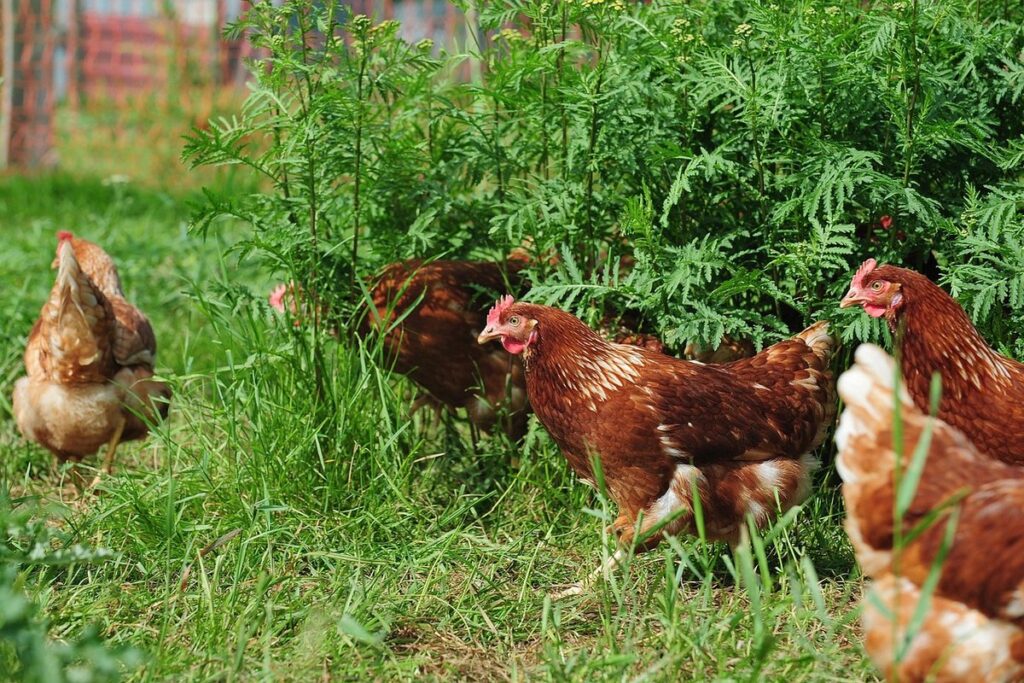
Providing chickens with ample space to roam is crucial for their overall well-being and can significantly impact egg production. A large walk-in chicken run allows hens to engage in natural behaviors like foraging, dust bathing, and perching, which are essential for maintaining their physical and mental health.
When chickens have enough space to move around, they’re able to exercise naturally, which helps reduce stress and promotes a healthy digestive system. This, in turn, can lead to increased egg production. In fact, research has shown that hens kept in enriched environments with plenty of space to roam produce up to 300% more eggs than those confined to smaller spaces.
To incorporate this into your backyard flock, consider the following: provide a minimum of 10 square feet per chicken inside the coop and at least 20-30 square feet outside in the run. This will give them ample room to stretch their wings, scratch, and forage without feeling cramped or claustrophobic. By creating a spacious walk-in chicken run, you’ll be amazed by the positive impact on your hens’ overall health and egg-laying capabilities.
Enhanced Flock Health
A well-designed large walk-in chicken run is crucial for promoting flock health and overall well-being. When chickens have ample space to roam, exercise, and engage in natural behaviors, their stress levels decrease significantly. This reduction in stress leads to a stronger immune system, making them less susceptible to diseases.
Studies have shown that overcrowding can lead to increased stress levels, which in turn exacerbate disease susceptibility. In contrast, providing an adequate amount of space per bird, as well as incorporating features such as dust baths and perches, can significantly reduce the risk of illness.
In addition to reduced disease susceptibility, a well-designed chicken run also promotes improved overall health. Regular exercise helps maintain strong bones, muscles, and cardiovascular health. Furthermore, allowing chickens to engage in natural behaviors like foraging and scratching stimulates their minds and keeps them active.
When designing your large walk-in chicken run, consider incorporating features that promote flock health, such as separate areas for feeding, watering, and roosting. This will not only reduce stress levels but also create a more harmonious and healthy environment for your chickens to thrive in.
Increased Space for Chickens
Providing chickens with enough space to move around freely is one of the most significant benefits of having a large walk-in chicken run. When chickens are confined to small spaces, they can become stressed and prone to health issues. On the other hand, giving them ample room to roam allows them to engage in natural behaviors like scratching and dust bathing.
Scratching is an essential behavior for chickens as it helps them maintain their feathers and beaks. Without sufficient space to scratch, your hens may develop pecking disorders or have dull, unkempt feathers. Dust bathing, on the other hand, is a vital way for chickens to regulate their body temperature and keep themselves clean.
A good rule of thumb is to provide at least 2-4 square feet of floor space per chicken inside the run. However, if you want to give your girls plenty of room to stretch their wings and exercise, consider providing more than double that amount. For example, a large walk-in run with 10 x 20 feet of enclosed space can accommodate up to 5 hens comfortably.
Designing the Perfect Chicken Run
When building a large walk-in chicken run, designing the space is crucial for your flock’s health and happiness. This section will guide you through key considerations to create an ideal environment.
Choosing the Right Location
When it comes to choosing the right location for your chicken run, there are several key factors to consider. First and foremost, you’ll want to ensure that your chicken run gets plenty of sunlight. Chickens need UV light to produce vitamin D, which is essential for their overall health and well-being.
Ideally, choose a spot that receives direct sunlight for at least 6 hours a day. A south-facing location is perfect, but if that’s not possible, an east- or west-facing area will also work well. Consider the time of year too – during the winter months, a spot with some shelter from harsh winds and cold snaps would be beneficial.
Another important factor to consider is wind direction. Chickens can easily get chilled to the bone in strong winds, so make sure your run isn’t situated in an area that’s prone to gale-force gusts. A spot protected by trees or a fence can provide a more sheltered environment for your girls.
Finally, be mindful of potential predators lurking nearby. If you have raccoons, foxes, or other pesky critters in your neighborhood, choose a location with secure fencing and consider adding protective features such as netting or chicken wire to prevent unwanted visitors.
Building Materials and Durability
When it comes to building a large walk-in chicken run, selecting the right materials is crucial for its durability and longevity. Harsh weather conditions, such as heavy rainfall, scorching sun, and strong winds, can take a toll on the structure if not properly designed.
To ensure your chicken run withstands these elements, opt for durable building materials like treated wood, metal, or high-quality plastics. For example, using 2x4s or 2x6s as framing members can provide excellent support while withstanding heavy snow loads and strong winds. You can also consider using recycled plastic lumber, which is resistant to rot, insects, and harsh weather conditions.
When choosing a roofing material, ensure it’s waterproof and able to withstand various weather conditions. Asphalt shingles or metal roofing are excellent options. Don’t forget to apply a layer of sealant to prevent water seepage and extend the lifespan of your chicken run.
Remember, investing in durable materials upfront will save you from costly repairs and replacements down the line.
Considerations for Small Backyards
Designing a chicken run for small backyards can be a challenge, but it’s not impossible. If you’re a city dweller or have limited outdoor space, you don’t need to sacrifice the joy of raising backyard chickens.
To get started, prioritize functionality and safety over aesthetics. Consider using vertical space by installing a coop that doubles as a fence or a trellis with climbing plants. This will help save floor space while still providing ample room for your hens to roam. You can also opt for a compact run design, such as an L-shaped layout, which makes the most of the available space.
Another crucial aspect is ventilation and air circulation. Since small backyards often come with limited airflow, ensure that your chicken run has adequate ventilation to prevent ammonia buildup and keep your birds healthy. This can be achieved by installing windows or using a ventilation system specifically designed for backyard coops.
When it comes to size, even the smallest chicken runs should be at least 2×4 feet per bird, providing enough space for them to move around comfortably. By focusing on functionality and practicality, you can create a safe and happy home for your chickens despite having limited outdoor space.
Large Walk-in Chicken Run Features
When designing a large walk-in chicken run, there are several key features you’ll want to consider to create a happy and healthy environment for your birds. This section highlights some essential amenities that will make all the difference.
Fencing Options
When it comes to enclosing your large walk-in chicken run, choosing the right fencing option is crucial. You’ll want something that’s durable, secure, and easy to maintain. Let’s break down some popular options: hardware cloth, chicken wire, and electric netting.
Hardware cloth is a great choice for large walk-in runs as it provides excellent predator protection. Made from heavy-duty metal mesh, it’s virtually escape-proof and can withstand harsh weather conditions. However, it can be pricey and may require additional support to prevent sagging. If you’re on a budget, consider using a chicken wire mesh instead. Chicken wire is more affordable but offers less security. It’s still effective against smaller predators like raccoons and opossums but won’t stop larger threats.
Electric netting is another option for enclosing your run. This flexible fencing uses electrical pulses to deter predators. While it’s an excellent choice for large areas, it requires regular maintenance to ensure the charge remains effective. Make sure to follow the manufacturer’s guidelines for installation and maintenance to get the most out of this fencing type.
Roosting Bars and Nesting Boxes
When designing your large walk-in chicken run, don’t forget to include essential features that cater to your chickens’ natural behavior and needs. Providing roosting bars for your flock to perch on at night is crucial for their comfort and safety. Chickens are social animals and often prefer to roost together in a communal area. Offering roosting bars allows them to settle in comfortably, reducing stress and promoting a good night’s sleep.
For safe egg-laying, nesting boxes are an absolute must-have feature. Ideally, you should provide one nesting box per 3-4 hens to prevent competition and stress. The nesting box itself should be clean, dry, and well-ventilated, with a depth of around 12 inches (30 cm) to accommodate your birds comfortably. Some chicken keepers also like to add some bedding material, such as straw or wood shavings, inside the nesting box to make it cozier.
When choosing roosting bars and nesting boxes, consider the size and layout of your walk-in run. Ensure that there’s enough space for all the roosting bars and nesting boxes, without overcrowding the area. You can place them strategically around the perimeter or against the walls, depending on your design preferences.
Rainwater Harvesting and Irrigation
When designing your large walk-in chicken run, consider incorporating rainwater harvesting systems to collect and store rainwater for irrigation. This not only reduces water consumption but also minimizes waste.
To implement a rainwater harvesting system, you’ll need a collection tank or cistern to hold the collected rainwater. Install gutters and downspouts on your chicken run’s roof to channel rainwater into the collection tank. Make sure the tank is placed at a higher elevation than the irrigation area to ensure gravity-fed water flow.
You can use this harvested rainwater for various purposes, such as watering plants, washing eggs, or even flushing out droppings and bedding materials. By utilizing collected rainwater, you’ll significantly reduce your reliance on municipal water supplies and minimize waste runoff into nearby waterways.
As an example, a 1,000 square foot chicken run can collect up to 30,000 gallons of rainwater during a moderate rainfall event. This is more than enough water for irrigation, reducing the need for external water sources. Consider incorporating other features like overflow valves, first flush devices, and sedimentation chambers to optimize your rainwater harvesting system’s efficiency.
Maintenance and Cleaning
To keep your chicken run in top condition, it’s essential to establish a regular maintenance routine that includes cleaning out droppings, nesting boxes, and accessories. Regular cleaning will prevent health issues and ensure a happy flock.
Daily Cleaning Tasks
When it comes to maintaining a large walk-in chicken run, daily cleaning tasks are essential for keeping your birds healthy and happy. First things first, remove soiled bedding from the coop and run. This should be done at least once a day, depending on the size of your flock and how quickly the droppings accumulate.
Use a shovel or scoop to collect the waste and dispose of it in a designated area. Be sure to wear gloves when handling the waste to avoid contamination. Once you’ve removed the soiled bedding, give all surfaces a good disinfecting with a pet-safe cleaner. Pay particular attention to areas around feeders, waterers, and nesting boxes.
While you’re cleaning, take a moment to check for predators such as rats, mice, or snakes that may have slipped into the run through any gaps or holes in the fencing. Make sure all gates are secure and that there are no weaknesses in the coop or run that could allow unwanted visitors to get in. By keeping up with daily cleaning tasks, you’ll help prevent health issues and ensure a safe environment for your feathered friends.
Seasonal Maintenance
As the seasons change, it’s essential to perform regular maintenance on your large walk-in chicken run to ensure the health and safety of your flock. Start by inspecting the fencing for any signs of damage or wear. Check for loose boards, gaps, or holes that predators could exploit. Repair or replace damaged sections promptly to prevent escape attempts and predator entry.
Don’t forget to inspect the nesting boxes, especially during spring and summer when laying is in full swing. Replace worn-out nesting boxes with new ones or clean and disinfect existing ones to maintain hygiene and prevent disease. Remove any debris, droppings, or mites that might be hiding inside.
Lastly, keep an eye out for signs of disease, such as labored breathing, lethargy, or unusual behavior. Regularly check the health of your flock by monitoring their overall condition, appetite, and egg-laying habits. If you notice any unusual symptoms, consult with a veterinarian experienced in poultry care to diagnose and treat any issues promptly.
Remember, seasonal maintenance is crucial for maintaining a thriving and healthy flock. By following these simple tips, you’ll be able to provide your chickens with a safe and happy environment all year round.
Integrated Pest Management (IPM) Strategies
When it comes to maintaining a large walk-in chicken run, Integrated Pest Management (IPM) strategies are crucial for minimizing the risk of pests and diseases. A comprehensive IPM plan involves identifying potential pest threats, monitoring their populations, and implementing control measures.
To start, understand that no single method can completely eliminate pests; instead, focus on a combination of techniques to create an environment least conducive to infestation. Begin by ensuring good ventilation in your chicken run, as this helps reduce moisture levels that attract pests. Keep the coop clean and free from debris, and regularly inspect for signs of rodents, mites, or lice.
Use physical barriers, such as fine mesh or hardware cloth, around entrances and windows to prevent external invaders. Implement a rotational grazing system, where your flock has access to fresh pasture and is moved to new areas regularly. This can help break disease transmission cycles.
By adopting these IPM strategies, you’ll create a more balanced ecosystem in your chicken run, reducing the reliance on chemical treatments and minimizing risks associated with pest and disease management.
Safety Considerations
When building a large walk-in chicken run, safety should be your top priority. This section will guide you through essential considerations to protect both yourself and your flock.
Predator Protection
When it comes to protecting your flock from predators, there are several measures you can take to ensure their safety. Secure fencing is a crucial aspect of predator protection. The fencing should be at least 3 feet high and extend at least 12 inches below ground level to prevent burrowing animals such as foxes and raccoons from getting under the fence.
In addition to secure fencing, using guard animals can also be an effective way to protect your chickens. Some examples of guard animals include dogs, donkeys, and geese. These animals will alert you to any potential threats by making noise or chasing away predators.
Netting is another useful tool in predator protection. You can cover the top of your run with netting to prevent aerial predators such as hawks and owls from swooping down and attacking your chickens. Make sure to choose a sturdy, UV-resistant netting that can withstand harsh weather conditions.
By implementing these measures, you can significantly reduce the risk of predation in your backyard chicken run. It’s essential to remember that no single measure is foolproof, so combining multiple methods will provide optimal protection for your flock.
Chickens’ Health and Well-being
When creating a large walk-in chicken run, it’s essential to consider the potential health risks associated with this type of enclosure. One major concern is overexposure to sunlight, which can lead to heat stress and sunburn in chickens. This is particularly problematic during peak summer months when temperatures soar.
To mitigate this risk, ensure that your chicken run provides adequate shade, either through the use of permanent structures such as awnings or canopies, or by incorporating movable shade sources like tarps or umbrellas. You should also consider providing a sheltered area within the run where chickens can retreat from direct sunlight.
Additionally, ensure that your chicken run is well-ventilated to prevent overheating and humidity buildup. This can be achieved through the strategic placement of windows, vents, or fans. Regular monitoring of temperature and humidity levels will help you identify any potential issues and take corrective action. By taking these precautions, you can create a safe and healthy environment for your chickens within their large walk-in run.
Zoning Regulations and Local Laws
Before bringing home those adorable chicks, it’s crucial to check with your local government about zoning regulations and laws regarding backyard chickens. You might be surprised to find that some areas have specific rules governing the number of chickens you can keep, noise restrictions, or even requirements for coop design.
In some cities, backyard chickens are a common sight, while in others they’re strictly prohibited. It’s essential to research and understand what local laws permit. For instance, some municipalities may require a minimum lot size or specific setbacks from neighboring properties. You might also need to obtain permits or licenses before starting your backyard chicken venture.
To ensure compliance, start by visiting your city or county government website, which should provide information on zoning regulations and ordinances. You can also reach out to local animal control or planning departments for guidance. Don’t risk a fine or even having to relocate your chickens by checking the rules first.
Conclusion
Now that you’ve planned and built your large walk-in chicken run, it’s time to tie up loose ends and consider what comes next for your flock. Let’s summarize key takeaways from our project!
Recap of Key Takeaways
As we conclude our exploration of large walk-in chicken runs, let’s recap the key takeaways to ensure you’re equipped with the knowledge and insights to create a thriving and healthy environment for your flock.
By incorporating a large walk-in chicken run into your backyard coop setup, you can provide your chickens with the physical and mental stimulation they need to stay happy and healthy. We discussed the importance of space, ventilation, and accessibility in designing an effective chicken run. A minimum of 2-4 square feet per bird is recommended, but ideally, you should aim for more space to allow for comfortable movement and exploration.
We also touched on the benefits of a large walk-in chicken run, including reduced stress, improved egg production, and enhanced foraging opportunities. By giving your chickens room to roam, you can expect an increase in their natural behavior, leading to better overall health and well-being.
In addition to providing space for exercise and exploration, we emphasized the importance of incorporating features such as perches, nesting boxes, and shelter to create a comfortable and secure environment. This will not only protect your chickens from predators but also provide them with the necessary rest and relaxation areas.
To put these principles into practice, consider the following tips:
* Conduct regular cleaning and maintenance of your chicken run to ensure cleanliness and hygiene.
* Incorporate a variety of plants and vegetation to provide shade, shelter, and foraging opportunities.
* Consider adding a fence or enclosure around your coop and run to secure the area from predators and prevent escape.
By implementing these key takeaways into your large walk-in chicken run design, you’ll be well on your way to creating a safe, happy, and healthy environment for your flock.
Frequently Asked Questions
What’s the ideal size for a large walk-in chicken run?
The ideal size will depend on the number of chickens you have, but as a general rule, aim for at least 2-4 square feet per bird inside the run. Consider adding extra space for future expansion or if your flock grows.
How do I prevent predators from getting into my large walk-in chicken run?
To keep predators out, make sure to choose sturdy fencing materials and install them at least 3 feet underground. You can also use electric netting to deter flying predators like hawks and owls. Regularly inspect the fence for any damage or weaknesses.
What’s the best material for a large walk-in chicken run?
Choose durable, weather-resistant materials like metal, wood, or high-density plastic. Avoid using pressure-treated wood, as it can leach chemicals into your chickens’ environment. Consider using recycled or sustainable materials to build an eco-friendly coop and run.
Can I integrate a large walk-in chicken run with my existing coop or will I need to start from scratch?
You can definitely integrate the run with your existing coop. Start by assessing what you have, then design the new run around it. Keep in mind the flow of your flock and ensure easy access for cleaning and maintenance.
How often should I clean and maintain a large walk-in chicken run?
Daily tasks include removing droppings and debris, while seasonal maintenance involves inspecting and repairing fencing, cleaning out nesting boxes, and trimming trees or shrubs near the coop. Regularly check for signs of pests and take action if necessary to protect your flock’s health and safety.