
Are you looking to give your feathered friends a safe and secure place to roam? A metal chicken run is an essential investment for any backyard chicken keeper, providing protection from predators and diseases. Not only does it keep your chickens healthy and happy, but it also gives you peace of mind knowing they’re safe. But what exactly is a metal chicken run, and how do you go about installing one?
In this comprehensive guide, we’ll walk you through the benefits and types of metal chicken runs, as well as provide expert tips on installation, maintenance, and advanced designs. From choosing the right materials to setting up a secure enclosure, we’ve got you covered. Whether you’re a seasoned chicken keeper or just starting out, our step-by-step guide will help you create a safe and thriving environment for your backyard flock.
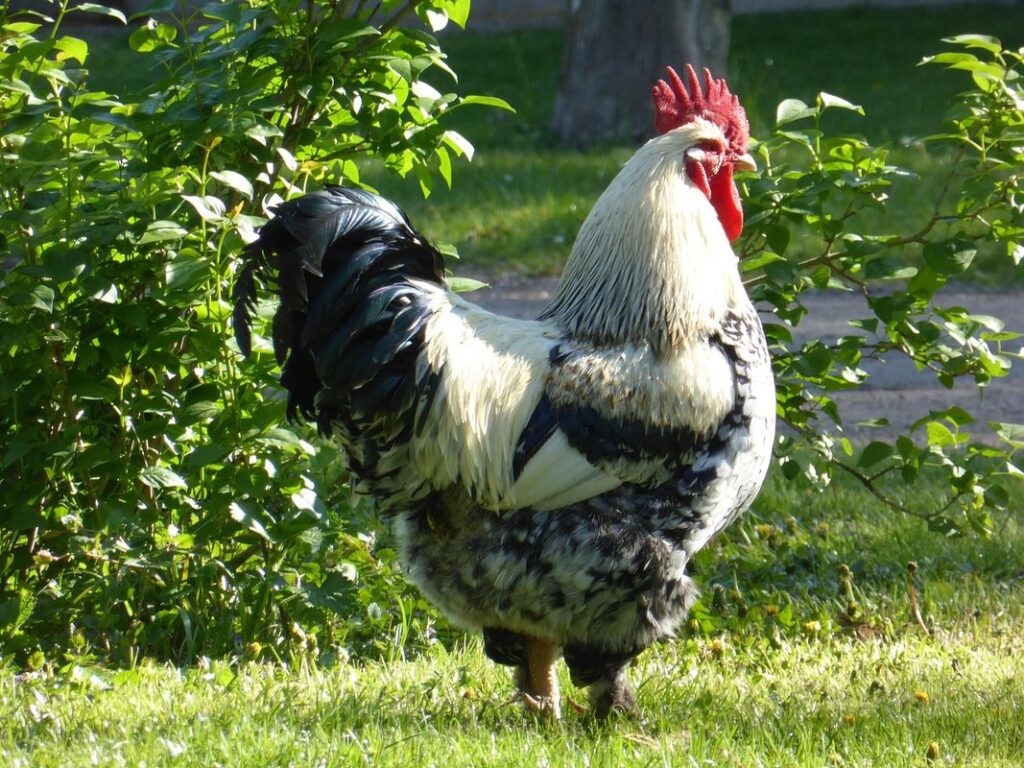
What is a Metal Chicken Run?
If you’re considering building a chicken run, but want something more durable and low-maintenance, we’ll explore what a metal chicken run has to offer. Let’s dive into its benefits and unique features.
Definition and Purpose
When it comes to metal chicken runs, their primary purpose is multifaceted. Firstly, they serve as a secure enclosure for chickens, safeguarding them from potential threats such as predators like foxes, coyotes, and hawks. This protection is especially crucial during peak hunting seasons or in areas with high animal activity.
Beyond security, metal chicken runs also play a critical role in maintaining the overall health of your flock. By allowing for airflow and sunlight penetration, these enclosures help reduce the risk of diseases like respiratory infections and mites. Furthermore, they provide ample space for chickens to exercise and move around freely, promoting physical well-being and mental stimulation.
In practical terms, metal chicken runs should be designed with a sturdy framework that can withstand harsh weather conditions. The enclosure’s size and layout should also accommodate your flock’s specific needs, ensuring sufficient room for movement and rest areas. By investing in a well-designed metal chicken run, you’ll be providing your chickens with a safe, healthy, and happy environment to thrive in.
Importance of a Secure Enclosure
When it comes to creating a safe and secure environment for your flock, a well-designed metal chicken run is more than just a necessity – it’s an essential part of responsible backyard chicken keeping. One of the primary concerns for many gardeners and property owners is the potential damage that loose chickens can cause.
A single bird can easily dig up a large patch of flowers or vegetables in a matter of minutes, causing irreversible damage to your hard work. According to a study by the American Society for the Prevention of Cruelty to Animals (ASPCA), an average backyard chicken will consume around 1-2% of its body weight in food and bedding every day. With multiple birds on the loose, this can quickly add up to significant losses.
Moreover, escaped chickens can become a nuisance in your neighborhood, causing problems for nearby residents and potentially leading to health concerns. By investing in a secure metal chicken run, you’ll not only protect your property but also ensure the well-being of your flock by preventing escape attempts.
Types of Metal Chicken Runs: Materials and Designs
When it comes to building a metal chicken run, you’ve got choices to make about materials and designs that suit your backyard’s unique needs and style. Let’s explore some popular options for you.
Galvanized Steel vs. Corrugated Iron
When it comes to choosing the right material for your chicken run, you’ll likely come across two popular options: galvanized steel and corrugated iron. Both have their own set of benefits and drawbacks, which we’ll break down below.
Galvanized steel is a popular choice due to its durability and resistance to rust. The galvanization process involves coating the steel with a layer of zinc, making it an ideal option for outdoor applications. This material can withstand harsh weather conditions, including heavy rain and extreme temperatures. However, it does require some maintenance to ensure the coating remains intact.
Corrugated iron, on the other hand, is a more budget-friendly option that still offers excellent durability. It’s made from a steel sheet with a corrugated pattern, which provides added strength and stability. While it can be prone to rust if not properly maintained, a simple coat of paint or rust-resistant treatment can extend its lifespan.
When choosing between these two materials, consider your budget, the climate you live in, and how much maintenance you’re willing to perform. Galvanized steel may be more expensive upfront, but it requires less upkeep over time. Corrugated iron, while cheaper, needs regular attention to prevent rust. Ultimately, both options can provide a safe and secure enclosure for your chickens – it’s just a matter of weighing the pros and cons to make an informed decision.
Galvanized steel is often recommended for areas with high humidity or saltwater exposure, as its zinc coating provides an extra layer of protection against corrosion. Corrugated iron, however, works well in drier climates where rust isn’t a significant concern. If you live in an area prone to extreme weather conditions, galvanized steel may be the better choice.
In terms of cost-effectiveness, corrugated iron is often the more affordable option upfront. However, if you factor in the potential costs of replacing or repairing corroded sections over time, galvanized steel’s higher initial price tag may become a worthwhile investment.
To get the most out of your metal chicken run, regardless of which material you choose, make sure to follow these tips:
* Regularly inspect the enclosure for signs of rust or damage
* Clean the area around the entrance and exit points regularly
* Consider applying a rust-resistant treatment to corrugated iron sections
By taking the time to weigh the pros and cons of galvanized steel and corrugated iron, you can create a safe and durable metal chicken run that will provide years of protection for your flock.
Considerations for Small-Scale Farmers and Backyard Flocks
As a small-scale farmer or backyard flock owner, you likely face unique challenges when it comes to creating a metal chicken run. Space constraints are often a major concern, as you may not have the luxury of a large yard or dedicated coop area. However, this doesn’t mean you can’t provide a safe and healthy environment for your birds.
When it comes to space, consider vertical integration – use wall-mounted feeders, nesting boxes, and roosts to make the most of your available space. You can also opt for a smaller run size, but with a higher-quality enclosure that allows for better ventilation and predator protection.
Budget is another crucial consideration. Metal chicken runs can be expensive, especially if you’re looking for high-end materials or custom designs. To save money, consider repurposing materials like old fencing or pallets to create a more affordable and eco-friendly run.
Ultimately, the key to success lies in prioritizing your birds’ needs while working within your means. By being intentional with space and budget, you can create a functional and safe metal chicken run that meets the unique demands of small-scale farming and backyard flocking.
Benefits of Metal Chicken Runs: Health and Welfare
When it comes to keeping your hens happy and healthy, a metal chicken run is more than just a coop extension – it’s essential for their wellbeing. In this section, we’ll explore the key benefits of incorporating a metal chicken run into your backyard flock’s setup.
Reduced Disease Transmission
A secure metal chicken run can play a crucial role in reducing disease transmission among your flock. When it comes to external pathogens, such as mites, ticks, and flies, they can bring numerous diseases into your coop. By containing these unwanted visitors within the run, you significantly decrease the likelihood of them entering your coop and exposing your chickens to potential health risks.
A sturdy metal chicken run provides a physical barrier that prevents predators from accessing the coop, but it also serves as an effective deterrent for external pathogens. Regular cleaning and disinfecting of the run will further reduce the risk of disease transmission. It’s essential to maintain a high level of cleanliness within the run by removing any debris, droppings, or uneaten food.
Moreover, metal chicken runs can be designed with certain features that aid in reducing disease transmission, such as wire mesh sizes and orientations. For instance, using 1-inch wire mesh for the bottom of the run will prevent mites from falling into it and re-infesting your coop.
Improved Ventilation and Air Quality
When it comes to providing a healthy environment for your chickens, proper ventilation is one of the most critical factors. A well-ventilated metal chicken run can make all the difference in maintaining healthy air quality and preventing respiratory issues in your flock.
Proper ventilation helps to remove ammonia from the coop and run, which is a byproduct of chicken waste. Ammonia can irritate your chickens’ lungs and cause respiratory problems, so it’s essential to ensure that the air inside their living space is fresh and clean. A well-designed metal chicken run should include features such as windows, vents, or even a small roof hatch that allows for airflow.
In fact, research has shown that adequate ventilation can reduce ammonia levels by up to 50% within the coop and run. This can be achieved by installing a ventilation system that includes a fan, which can help circulate air and remove stale air from the area. By prioritizing proper ventilation in your metal chicken run, you’ll not only be keeping your chickens healthy but also reducing the risk of diseases associated with poor air quality. Regular cleaning and maintenance will also go a long way in ensuring good air circulation within the run.
Installing a Metal Chicken Run: Tips and Considerations
When it comes time to install your metal chicken run, following these essential tips will ensure a smooth and stress-free process for you and your flock. Let’s dive into the key considerations for a successful installation.
Measuring and Designing Your Run
When it comes to installing a metal chicken run, measuring and designing the space is crucial for creating a safe and happy environment for your flock. Before you start designing your metal chicken run, take some time to measure your yard and assess any space constraints. Consider the size of your property, the location of trees, gardens, and other features that may impact the placement of your metal chicken run.
A general rule of thumb is to provide at least 2-4 square feet of space per bird inside the run, and a minimum of 8-10 square feet per bird outside the run for exercise. However, this can vary depending on the breed and size of your chickens. For example, if you have large breeds like Orpingtons or Plymouth Rock, they’ll require more space than smaller breeds like Leghorns.
When designing your metal chicken run, consider the layout and orientation of the enclosure. A north-south orientation is ideal to ensure maximum sunlight and protection from harsh weather conditions. You should also plan for adequate ventilation, predator-proofing, and easy access for cleaning and maintenance.
Setting Up the Enclosure: Tips for a Smooth Installation
Setting up your metal chicken run requires careful planning and execution to ensure a safe and healthy environment for your birds. Before you begin, make sure to prepare the ground by clearing any debris and leveling it to create a smooth surface. This will prevent tripping hazards and uneven terrain that can cause injuries to both humans and chickens.
Next, install the wire mesh enclosure around the perimeter of the run using sturdy posts and wire ties. Make sure to bury the mesh 12-18 inches underground to prevent predators from burrowing underneath. Secure the mesh tightly to prevent any gaps or weaknesses that could allow escape artists to make a break for it.
When installing doors and latches, choose secure options that can withstand strong winds and curious chickens. Consider using self-closing latches that will automatically shut behind your birds when they enter or leave the run. This will not only keep predators out but also prevent accidents caused by open gates or doors.
Maintenance and Repair of Metal Chicken Runs
To keep your metal chicken run safe and secure, it’s essential to perform regular maintenance tasks to prevent damage and extend its lifespan. This includes checking for signs of wear and tear.
Routine Cleaning and Inspection
Regular maintenance tasks are crucial to extend the lifespan of your metal chicken run. Start by scheduling regular cleaning sessions to remove debris and droppings that can compromise the structure’s integrity. Use a wire brush to scrub away stubborn stains, and hose down the entire enclosure to keep it clean.
Inspect the metal run at least once a week for any signs of damage or wear and tear. Check for loose screws, bent frames, or dents in the mesh. If you notice any issues, address them promptly to prevent further damage. For example, if a section of the mesh is torn, replace it immediately to maintain the integrity of the enclosure.
Regular inspections will also help identify potential problems before they become major issues. Keep an eye out for signs of rust or corrosion on the metal components, and apply a rust-resistant coating as needed. By performing routine cleaning and inspection tasks, you’ll be able to prevent costly repairs and ensure your metal chicken run remains safe and secure for your flock.
Troubleshooting Common Issues: Fencing Damage and Holes
Fencing damage and holes can be a common issue with metal chicken runs. If you notice that your fencing is compromised, it’s essential to address the problem promptly to prevent escape or predator entry. One of the most critical things to do is to repair damaged sections as soon as possible.
To fix holes in the fencing, start by cleaning the area around the hole thoroughly with soap and water. This will help you assess the extent of the damage. You may need to replace a section of the fence entirely if it’s severely damaged or corroded. In some cases, simply tightening loose screws or hinges can solve the problem.
Regular inspections are also crucial in preventing damage from becoming more severe. Check your fencing at least once a week for signs of wear and tear, including rust, dents, or holes. Make repairs before they become major issues. Additionally, consider using chicken wire mesh to cover any gaps or holes, providing an extra layer of protection for your flock.
By being proactive in addressing damage and taking preventative measures, you can ensure the safety and security of your chickens within their metal run.
Advanced Metal Chicken Run Designs and Upgrades
If you’re looking to take your backyard chicken coop to the next level, we’ll dive into some creative and effective upgrade ideas for metal chicken runs. From netting systems to predator-proof enclosures.
Multi-Level Runs and Access Ladders
When it comes to advanced metal chicken run designs and upgrades, multi-level runs and access ladders are game-changers for your flock’s exercise, exploration, and enrichment. By incorporating these features into your coop design, you’ll provide your chickens with a stimulating environment that mimics their natural behavior in the wild.
Consider creating a tiered system with multiple levels of perches, roosts, and nesting boxes. This not only provides exercise opportunities but also encourages exploration and discovery. For example, you can install a ladder leading up to a second-level perch or a hidden nest box on the top level, where your hens can retreat for some quiet time.
When designing your multi-level run and access ladders, keep in mind the following: make sure the ladders are sturdy and secure, with wide steps and a good grip. You can also add features like ramps or inclines to help older or mobility-impaired chickens navigate between levels.
Integration with Existing Coops and Fencing Systems
When it comes to creating an advanced metal chicken run design, one of the most exciting possibilities is integrating it with existing coops or fencing systems. This can be a great way to enhance your outdoor space without starting from scratch.
One option is to use a modular metal chicken run that can be easily attached to an existing coop using a secure latch system. This allows you to expand your flock’s living area while keeping them safe and secure. For example, if you have an old coop with rusty wire mesh, you could replace it with a new metal chicken run that integrates seamlessly with the existing structure.
Another approach is to combine a metal chicken run with an existing fencing system. This can be particularly useful for large properties or those with multiple enclosures. By using a metal chicken run as a top-up system, you can create a secure and predator-proof outdoor space without having to install new fencing. Simply attach the metal run to your existing fence posts using strong clamps or wire mesh ties.
By integrating your metal chicken run with existing coops and fencing systems, you can create a cohesive and functional outdoor space that meets the needs of both your chickens and your property. With a little creativity and planning, you can upgrade your backyard poultry setup without breaking the bank or disrupting your flock’s routine.
Frequently Asked Questions
What are the key differences between a metal chicken run and a wooden one?
Metal chicken runs offer superior durability and resistance to rot, decay, and insect damage compared to wooden structures. They also require less maintenance over time, making them an ideal choice for busy backyard farmers or those who want low-maintenance coop care.
Can I install a metal chicken run myself, or do I need professional help?
Yes, many metal chicken run designs are DIY-friendly, allowing you to save money and exercise your creativity. However, if you’re unsure about installation details or have specific requirements (e.g., multi-level runs), consider consulting a local contractor or seeking guidance from online forums.
How can I ensure my metal chicken run provides adequate ventilation for my flock?
Ensure that at least 2-3 square feet of ventilation space is provided per bird. You can also incorporate features like windows, vents, and mesh panels to maintain airflow while keeping predators out. Always prioritize your chickens’ health by ensuring proper air circulation.
Can I integrate a metal chicken run with an existing coop or fencing system?
Yes, many metal chicken runs are designed for flexibility and adaptability. Consult the manufacturer’s instructions or seek guidance from online forums to ensure seamless integration with your existing structures. Consider factors like material compatibility and potential modifications required for smooth integration.
What are some common mistakes to avoid when installing a metal chicken run?
Common pitfalls include inadequate fencing (e.g., gaps too large), poor ventilation, and insufficient shelter from the elements. Regularly inspect your metal chicken run for damage or wear and tear, addressing issues promptly to maintain a safe environment for your flock.