
Are you interested in starting your own sustainable meat production journey? Running chicken is an increasingly popular approach to raising healthy, delicious poultry on a small scale. Not only can it be a cost-effective and fulfilling way to produce your own food, but it also allows you to take control of the quality and nutritional value of the meat.
In this comprehensive guide, we’ll delve into the world of running chicken, covering essential topics such as choosing the right breeds for your operation, designing effective housing systems, and prioritizing animal health. We’ll also explore marketing strategies to ensure a steady demand for your products, whether you’re selling directly to consumers or to local restaurants and stores. By following our advice, you can establish a thriving running chicken operation that provides for your family’s needs while promoting sustainable agriculture practices.
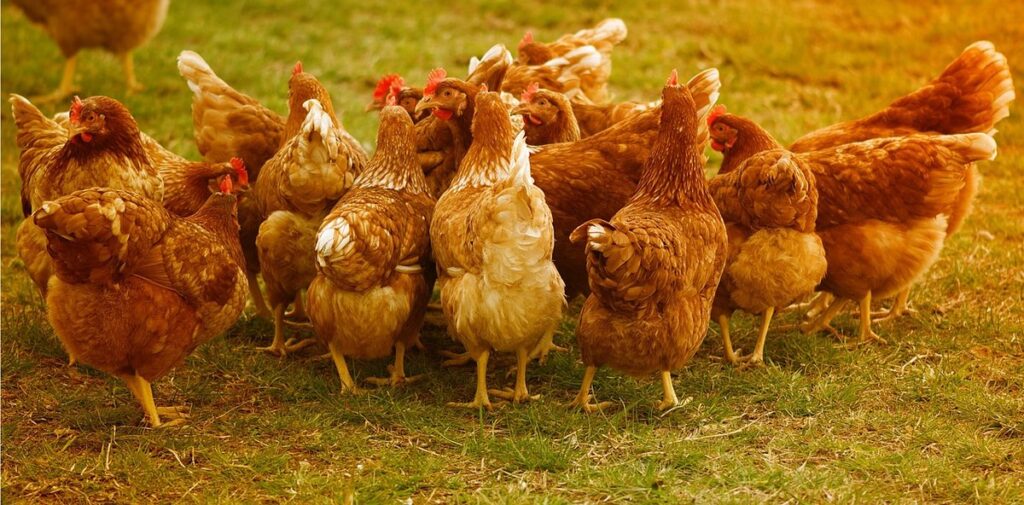
What is Running Chicken?
So, you’re curious about running chicken and want to know where it comes from. In this section, we’ll dive into the basics of what running chicken actually means.
Benefits of Raising Chickens for Meat
Raising chickens for meat is an increasingly popular practice among homesteaders and backyard farmers. One of the primary advantages of raising chickens for meat is cost-effectiveness. Compared to purchasing store-bought chicken, raising your own flock can save you up to 50% on meat costs. This is because you don’t have to factor in transportation, packaging, and marketing expenses.
In addition to saving money, raising chickens for meat is also a space-efficient option. Chickens require minimal land to roam and can thrive in small backyard spaces or even urban areas. This makes it an ideal choice for those with limited acreage or living in densely populated areas.
Another significant benefit of raising chickens for meat is the nutritional value. Free-range chicken meat tends to have higher levels of omega-3 fatty acids, vitamins A and E, and lower levels of saturated fats compared to conventionally raised chicken. With proper care and management, you can raise healthy, stress-free birds that provide nutritious meat for your family.
History of Running Chicken in Different Cultures
Running chicken has been an integral part of traditional food systems across various cultures for centuries. In some African countries, running chicken is a staple dish made from slow-cooked meat that’s rich in flavor and nutrients. The process typically involves cooking the meat over low heat for several hours, allowing it to tenderize and absorb flavors.
In Southeast Asia, particularly in Malaysia and Indonesia, running chicken is known as “ayam masak kung po” or “kung pao chicken,” respectively. This spicy dish is made by stir-frying marinated chicken with vegetables, chili peppers, and soy sauce. The combination of bold flavors and spices has become a favorite among locals and tourists alike.
In Latin America, running chicken is often cooked in a mole sauce made from chocolate, spices, and nuts. This rich and complex sauce adds depth to the dish, making it a unique representation of regional cuisine. Running chicken’s adaptability and versatility have enabled its widespread adoption across cultures, allowing for diverse interpretations while maintaining its core essence.
Understanding the Basics of Running Chicken
If you’re new to running chicken, don’t worry – we’ve got you covered. This section will walk you through the fundamental principles and benefits of incorporating this fun exercise into your fitness routine.
Choosing the Right Breed for Running
When it comes to choosing the right breed for running, there are several key characteristics to consider. First and foremost, you’ll want a breed that has a moderate growth rate. Breeds that grow too quickly can be prone to joint problems and other health issues, making them less suitable for high-impact activities like running.
In terms of size, a breed with a compact or medium build is usually ideal. This allows them to maintain their agility and speed while still being able to withstand the demands of regular running. Some popular breeds that fit this bill include the Leghorn and the Cornish Cross.
Temperament also plays a crucial role in selecting a breed for running. You’ll want a bird that’s energetic, alert, and responsive to training. Avoid breeds known for their aggressive or timid nature, as they may not respond well to the demands of running.
When evaluating breed options, consider factors like their natural instinct to forage and roam. Breeds with high energy levels and a strong prey drive are often well-suited for running, as they’ll be able to keep pace and enjoy the experience.
Housing and Equipment Requirements
When it comes to setting up a running chicken operation, having the right housing and equipment is crucial for the health, safety, and well-being of both the chickens and you. To get started, you’ll need a sturdy coop that provides adequate protection from predators and harsh weather conditions.
Consider building or purchasing a coop with the following features: easy access for egg collection, ventilation to prevent moisture buildup, and sufficient space for your flock (at least 3-4 square feet per bird). Don’t forget to secure the coop to the ground with anchor kits to prevent it from being tipped over by curious critters.
In addition to a coop, you’ll need reliable fencing that’s at least 3 feet high to contain your birds. Chicken wire or hardware cloth are popular choices for their durability and ease of use. Be sure to bury the fencing material 12 inches underground to prevent digging escape artists from burrowing under it. For feeding and watering, consider installing automated feeders and waterers to save you time and reduce waste.
Some chicken breeds are more suited to free-range living than others, so research the specific needs of your flock before setting up a running operation.
Health Considerations for Running Chickens
When it comes to running chickens, their health and well-being are crucial considerations. Let’s take a closer look at some essential factors to keep in mind as you care for your feathered friends.
Common Diseases Affecting Running Chickens
As a running chicken owner, it’s essential to be aware of the diseases that can affect your feathered friends. Two of the most prevalent diseases affecting running chickens are Marek’s disease and Newcastle disease.
Marek’s disease is a viral infection that affects the nervous system of chickens, causing symptoms such as tremors, paralysis, and death. It’s highly contagious and can be spread through direct contact with an infected bird or contaminated feed and water. Vaccination is available to prevent Marek’s disease, but it’s not 100% effective.
Newcastle disease, on the other hand, is a viral infection that affects the respiratory system of chickens, causing symptoms such as coughing, sneezing, and diarrhea. It’s highly contagious and can be spread through direct contact with an infected bird or contaminated feed and water. Newcastle disease is often fatal in running chickens, especially if left untreated.
To protect your running chickens from these diseases, it’s crucial to practice good biosecurity measures such as keeping them separated from other birds, regularly cleaning their living areas, and ensuring they have access to clean feed and water. Regular veterinary check-ups can also help identify any potential health issues early on.
Vaccination and Biosecurity Strategies
When it comes to running chickens, disease outbreaks can be devastating for both the flock and your family’s health. To prevent this from happening, implementing a vaccination program and maintaining robust biosecurity measures are crucial.
Developing a Vaccination Program
A solid vaccination strategy should start with identifying potential risks based on the breed, age, and location of your flock. Consult with a veterinarian to determine which diseases are most prevalent in your area. Common chicken vaccinations include Marek’s disease, Newcastle disease, and infectious bronchitis.
Biosecurity Measures for Preventing Disease Outbreaks
To complement vaccination efforts, implement these key biosecurity measures:
* Isolate new birds from the rest of the flock for at least 30 days to allow them to acclimate.
* Monitor water quality closely, as contaminated water sources can spread disease quickly.
* Practice proper sanitation and hygiene when handling feed and waste.
* Maintain a clean and dry coop environment to discourage fungal growth.
By integrating these vaccination and biosecurity strategies into your chicken-keeping routine, you’ll significantly reduce the risk of disease outbreaks in your flock.
Managing a Running Chicken Operation
Running a flock of chickens requires careful management, and we’ll walk you through the essential tasks to keep your birds happy and healthy. From feeding schedules to coop maintenance, we’ve got you covered!
Feed and Nutrition Planning
Developing a feeding plan for your running chickens is crucial to their health and productivity. Adequate protein, vitamins, and minerals are essential for maintaining their egg-laying abilities, feather growth, and overall well-being. As a general rule of thumb, chickens require about 16-18% protein in their diet during the laying phase.
To ensure you’re providing the right balance, start by calculating your flock’s nutritional needs based on age, breed, and production level. Consider using a layer feed specifically formulated for egg-laying hens, which typically contains around 17-20% protein. Supplementing with additional nutrients like calcium, phosphorus, and vitamins D3 and E can also support strong bone growth and immune function.
For example, you can add crushed oyster shells or dark leafy greens to provide extra calcium, while mealworms or sunflower seeds offer a boost of vitamin E. Aim for a 50/30/20 ratio of protein, carbohydrates, and fat in your chickens’ diet. Regularly monitor their weight, egg production, and overall health to adjust your feeding plan as needed. Keep in mind that nutritional requirements may vary depending on your region’s climate and available feed options.
Water Management and Quality Control
Water management is often overlooked as a critical aspect of running a healthy and thriving chicken operation. However, it plays a vital role in maintaining flock health, with clean drinking water being essential for preventing diseases, promoting growth, and ensuring overall well-being.
When it comes to water quality control, the first step is to ensure that your water source is free from contamination. This can be achieved by testing your water regularly for bacteria, viruses, and other impurities. You should also consider installing a filtration system to remove any sediment or debris that may be present in the water.
In addition to ensuring the cleanliness of your water supply, it’s equally important to maintain the quality of the water itself. This can be achieved by changing the water frequently, ideally every 24-48 hours, and providing fresh feeders and drinkers on a regular basis.
By implementing these strategies, you can help prevent diseases such as coccidiosis and salmonella from taking hold in your flock. A healthy and well-maintained water system is crucial for keeping your chickens happy and productive.
Processing and Butchering Running Chickens
When it comes time to process your running chickens, you’ll want to know how to humanely dispatch them for meat, as well as preserve their carcasses properly.
Basic Butchery Techniques
When it comes to processing and butchering running chickens, mastering basic butchery techniques is essential for producing high-quality meat. The first step in the process is bleeding out the bird. This involves making a clean cut at the neck to release as much blood as possible. To do this effectively, hold the chicken firmly against a stable surface and make a shallow incision from the top of the head down towards the vent. Release any air pockets by inserting a finger into the incision.
Next, move on to cleaning and evisceration. Start by removing the feathers and entrails through a small opening near the vent. Use your hands or a spoon to carefully remove any innards, taking care not to tear the surrounding tissue. Once cleaned out, rinse the cavity under cold running water to ensure all blood and debris are removed.
It’s crucial to note that proper cleaning and evisceration prevent contamination and spoilage of the meat. Taking these steps correctly will result in cleaner, more palatable chicken for consumption or further processing. Regular practice helps develop muscle memory, making the process smoother with time.
Processing Options for Running Chicken Meat
When it comes to processing running chicken meat, you have several options to consider. One popular choice is whole bird sales, where the chicken is sold intact, complete with feathers and giblets still attached. This option appeals to customers who value convenience and want to cook their chickens from scratch.
For those looking for a more versatile product, deboning is another processing option worth exploring. Deboning involves removing the skeleton and joints from the bird, making it easier to portion out and cook individual cuts of meat. This process also helps reduce food waste and makes the chicken more suitable for grilling or sautéing.
Finally, sausage production offers a creative way to repurpose running chicken meat. By grinding and seasoning the meat, you can create delicious homemade sausages that are perfect for barbecues or backyard gatherings. Consider partnering with local butchers or meat processors who have experience in sausage-making to help you get started. This will not only enhance your product offerings but also give customers a unique value proposition when purchasing from your farm.
Marketing and Selling Running Chicken Products
Now that you’ve got a coop full of running chickens, it’s time to turn your hobby into a business! Let’s talk about how to market and sell these unique birds.
Developing a Marketing Strategy
Developing a marketing strategy for running chicken products is crucial to success. You can’t just slap together a plan and expect it to work; it requires careful consideration of your target market and promotional materials.
First, identify your target markets. This may be local consumers looking for fresh, healthy options or restaurants seeking unique ingredients. Research their demographics, preferences, and purchasing habits to create tailored marketing campaigns. For instance, if you’re targeting health-conscious consumers, focus on the nutritional benefits of running chicken and emphasize its low-fat content.
Next, develop promotional materials that grab attention without overselling your product. This could include eye-catching packaging, engaging social media ads, or informative brochures highlighting the benefits of running chicken. Consider creating a brand identity that showcases your unique selling proposition (USP) – in this case, perhaps it’s the fun and entertaining aspect of running chickens.
When crafting promotional materials, remember to highlight what sets your product apart from others in the market. Be authentic, transparent, and consistent in your messaging to build trust with potential customers. This will help you stand out and establish a loyal customer base.
Building Relationships with Local Restaurants and Consumers
Building relationships with local restaurants and consumers is crucial to increasing demand and sales of running chicken products. Start by attending local food festivals, trade shows, and farmers’ markets to connect with potential customers and showcase the quality and uniqueness of your product.
Develop a strong online presence by creating social media accounts for your farm or business, and regularly post updates about new recipes, promotions, and events featuring running chickens. Engage with followers by responding to comments and messages promptly, and use relevant hashtags to reach a wider audience.
When approaching local restaurants, emphasize the benefits of using running chicken in their menus, such as unique flavor profiles and high-quality protein sources. Offer samples and cooking suggestions to help chefs understand how to incorporate running chicken into their dishes. Consider partnering with influencers or food bloggers to promote your products and build credibility among local consumers. By fostering strong relationships with both restaurants and consumers, you can increase demand and drive sales for your running chicken products.
Conclusion: Starting Your Own Running Chicken Operation
Now that you’ve learned the ins and outs of running chickens, it’s time to start planning your very own flock. This final chapter covers the basics of getting started.
Key Takeaways from the Guide
As you near the end of our comprehensive guide to starting your own running chicken operation, take a moment to reflect on the essential knowledge gained thus far. Careful planning was emphasized as the first step in setting up a thriving running chicken business. This involves determining the feasibility of your project, identifying potential markets and competitors, and developing a solid business plan.
Execution is equally crucial. We discussed the importance of sourcing high-quality chickens, designing an efficient coop, and implementing effective management strategies to ensure optimal health and productivity.
Marketing was also highlighted as a critical component in promoting your running chicken operation. By leveraging social media platforms, participating in local farmers’ markets, and networking with potential customers, you can establish a strong brand presence and attract a loyal customer base.
To recap, remember that success lies in striking the right balance between planning, execution, and marketing. With persistence, hard work, and a willingness to adapt, you’ll be well on your way to establishing a thriving running chicken operation.
Encouragement for Beginners to Start Their Own Running Chicken Journey
Embarking on a running chicken journey can be intimidating, especially for beginners. However, with its numerous benefits and rewards, it’s an opportunity you won’t want to miss out on. Running chickens provide fresh eggs daily, which not only saves you money but also ensures the quality of your food.
Not only do running chickens offer a sustainable source of protein, but they’re also low-maintenance pets that can be raised in small spaces, making them perfect for urban dwellers or those with limited land. Plus, their entertaining nature and ability to provide hours of entertainment make them an excellent addition to any backyard.
If you’re new to running chicken keeping, start by researching local regulations regarding backyard chickens and understanding the necessary vaccinations and health checks your birds will require. Consider investing in a few reliable breeds known for their egg-laying abilities and temperament. Start small, with 2-3 hens, to ensure you can provide adequate care before expanding your flock.
With dedication and patience, running chicken keeping can be an incredibly rewarding experience that provides not only fresh eggs but also a sense of accomplishment and connection with nature.
Frequently Asked Questions
Can I start a running chicken operation with limited space?
Yes, it’s entirely possible to raise chickens for meat even on a small scale or with limited space. Consider vertical integration and creative housing solutions that maximize your available area while minimizing costs.
How do I ensure a steady demand for my running chicken products?
Developing a marketing strategy is crucial in securing a consistent customer base. Build relationships with local restaurants, farmers’ markets, and online platforms to sell directly to consumers or middlemen. Regularly update your social media and website with information about new batches, promotions, and the benefits of buying from your operation.
What kind of support systems can I put in place for managing my running chicken operation?
Implementing a comprehensive management plan is vital for maintaining efficiency and productivity in your operation. This includes automating tasks where feasible, investing in quality equipment, and creating schedules for feeding, cleaning, and monitoring the flock’s health.
Can I use the same breed for both eggs and meat production?
While some breeds excel at dual-purpose farming, not all are suitable for both egg-laying and meat production. Research breeds specifically developed for their high-quality meat or egg-laying abilities to optimize your yields and ensure you’re meeting the needs of your target market.
How do I effectively deal with biosecurity concerns in my running chicken operation?
Implementing robust vaccination programs and practicing strict sanitation measures are essential components of maintaining a healthy flock. Regularly inspect equipment, housing, and surrounding areas for potential entry points or contamination sources to minimize risks.