
Are you thinking of joining the backyard chicken revolution in the UK? Building a safe and healthy DIY chicken coop is an exciting project, but where do you start? Choosing the right location for your coop can make all the difference to your birds’ well-being. In this article, we’ll take you through everything you need to know about building a DIY chicken coop in the UK. We’ll cover choosing the perfect site, designing and building your coop, and maintaining it to keep your flock happy and healthy. From learning what makes a good location for a coop to understanding how to care for your birds’ health and happiness, we’ve got you covered. Whether you’re an experienced chicken keeper or just starting out, this guide will walk you through the process of building a safe and healthy DIY chicken coop that’s tailored to the UK climate.
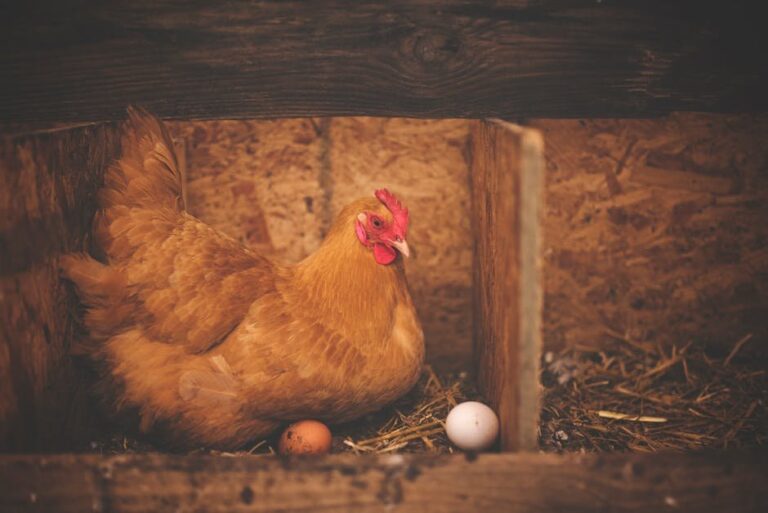
Benefits of a DIY Chicken Coop
If you’re considering building your own chicken coop, you’ll be pleased to know that it comes with numerous benefits for both you and your backyard flock. We’ll explore these advantages in more detail below.
Why Build a DIY Chicken Coop?
When it comes to providing a safe and happy home for your backyard chickens, you might be wondering if building a DIY chicken coop is worth the effort. The answer is a resounding yes! Not only can a well-built coop keep your birds protected from predators, but it also offers a range of benefits that make the process more than worthwhile.
For one, building a DIY chicken coop is an incredibly cost-effective option. By repurposing materials you already have on hand or sourcing them at a local hardware store, you can save a significant amount of money compared to buying a pre-made coop. And let’s not forget the satisfaction of creating something with your own hands – there’s no greater feeling than knowing that you built a cozy home for your feathered friends.
But cost-effectiveness is just the beginning. A DIY chicken coop also offers unparalleled customization options, allowing you to design and build a space that perfectly suits your flock’s needs. Plus, building a coop from scratch gives you the chance to get creative with materials, colors, and designs – it’s the perfect excuse to tap into your inner DIY enthusiast!
Space and Budget Considerations
When it comes to building a DIY chicken coop, determining the ideal space and budget considerations are crucial to creating a safe and functional home for your chickens. First, consider the size of your backyard and the number of chickens you plan to keep. A good rule of thumb is to provide at least 2-4 square feet of space per chicken inside the coop, with an additional 8-10 square feet of outdoor run area.
To allocate a budget for materials and construction, start by researching the costs of building supplies such as lumber, wire mesh, and roofing materials. Consider using reclaimed or sustainable materials to reduce costs and environmental impact. A rough estimate for building a small DIY chicken coop can range from £200-£500, depending on the size and complexity of the design.
Before breaking ground, also think about ongoing expenses such as feed, bedding, and veterinary care, which can add up to around £50-£100 per month. By planning carefully and setting aside a budget for these costs, you’ll be well-prepared to provide a happy and healthy home for your backyard chickens.
Choosing the Perfect Location for Your Chicken Coop
When it comes to setting up your chicken coop, choosing the right location is crucial for your chickens’ health and happiness. Here’s what you need to consider when selecting a spot for their new home.
Assessing Sunlight and Shade
When it comes to choosing the perfect location for your chicken coop, assessing sunlight and shade is crucial. Chickens need access to natural light to maintain their health, but too much direct sun can be detrimental. Conversely, a shaded area can lead to poor ventilation and increase the risk of disease.
To maximize sunlight and shade, orient your coop strategically. Face it southeast or east to allow morning sunlight to enter while minimizing intense afternoon sun. If possible, position the coop near a tree or use a canopy to provide natural shading during peak hours. This will not only reduce heat stress but also create a comfortable microclimate for your birds.
Consider the time of year and climate in your area when planning the orientation of your coop. In hotter months, additional shading is essential, while in colder months, more sunlight can be beneficial. By carefully assessing sunlight and shade, you’ll create an ideal environment for your chickens to thrive. Remember, a well-placed coop will make a world of difference in your flock’s happiness and health.
Considering Wind Direction and Drainage
When evaluating potential sites for your chicken coop, it’s essential to consider wind direction and drainage to ensure the safety and comfort of your flock. Strong winds can pose a significant threat to your chickens, particularly if they’re not adequately protected from gusts. To determine the best location, observe the prevailing wind direction in your area using a weather vane or by observing how leaves and debris move.
Next, assess the drainage of your yard. Chickens don’t like wet conditions, which can lead to respiratory problems and make them more susceptible to disease. Avoid areas prone to waterlogging or where water tends to collect after rainfall. Ideally, position your coop at a slight incline to allow for easy drainage and prevent puddles from forming.
In the UK’s temperate climate, prevailing winds often come from the west or southwest. Factor this into your decision when selecting a location for your chicken coop. A spot protected from these directions can provide a safer haven for your flock during strong gusts.
Designing Your Chicken Coop: Materials and Layout
When it comes to building a chicken coop, choosing the right materials and designing an efficient layout are crucial steps that can affect your flock’s health and happiness. Let’s take a closer look at what you’ll need to consider.
Selecting the Right Materials
When it comes to building a DIY chicken coop in the UK, selecting the right materials is crucial for creating a safe and healthy environment for your hens. The type of wood you choose will not only impact the durability of your coop but also affect the overall appearance.
For a long-lasting and low-maintenance option, consider using pressure-treated timber or cedar wood. Both are resistant to rot and insect damage, making them perfect for outdoor projects like chicken coops. However, keep in mind that pressure-treated wood may contain chemicals that can harm your chickens if ingested. Opting for naturally rot-resistant woods like cedar or pine is a safer choice.
Insulation is also vital to prevent heat loss and maintain a comfortable temperature inside the coop during harsh UK winters. Consider adding insulation materials like straw bales, shredded newspaper, or even recycled denim. Predator-proofing methods are equally important. Use hardware cloth or chicken wire with openings of 1 inch or less to protect your birds from foxes and other predators.
When choosing materials, always prioritize the safety and well-being of your chickens. Consider using locally sourced materials and opt for sustainable options whenever possible. A well-designed coop built with suitable materials will not only keep your hens safe but also provide you with a sense of satisfaction knowing that you’ve created something eco-friendly.
Planning the Coop’s Layout and Size
When it comes to designing your chicken coop’s layout and size, there are several key factors to consider. First, think about the number of chickens you plan to keep and their egg production levels. A general rule of thumb is to provide at least 2-3 square feet per bird inside the coop, with additional space for nesting boxes and roosting bars.
Ventilation is also crucial to prevent ammonia buildup from droppings and maintain a healthy environment for your flock. Consider installing windows, vents, or even a small skylight to ensure adequate airflow. Accessibility is another important aspect – you’ll want to be able to easily clean the coop, collect eggs, and tend to your chickens without straining yourself.
To determine the optimal size of your coop, take into account the space needed for the chickens to move around comfortably. A larger coop can also accommodate future additions or expansions. When planning your layout, think about how you’ll arrange the nesting boxes, roosting bars, and feeding/tackling areas. You may also want to consider a separate run or enclosed area where your chickens can exercise and roam safely.
Remember, it’s better to err on the side of caution and create a larger coop than needed, rather than one that’s too small for your flock. A well-designed coop will not only provide a happy environment for your chickens but also make your life as a chicken keeper much easier.
Building Your Chicken Coop: A Step-by-Step Guide
Now that you have your design and materials sorted, it’s time to bring your chicken coop vision to life with our step-by-step guide on building a sturdy and safe home for your hens.
Foundation and Frame Construction
When building your chicken coop, it’s essential to start with a solid foundation and frame. This will not only provide structural integrity but also ensure that your coop can withstand various weather conditions.
Begin by selecting a suitable location for your coop, taking into account factors such as sunlight, wind direction, and accessibility. Mark out the area where you want to build your coop using stakes and twine, ensuring it’s square and level.
Next, lay a foundation using materials like concrete blocks or compacted gravel. This will provide a stable base for your frame and prevent water from accumulating around the coop. For a more permanent solution, consider pouring a concrete slab.
For the frame itself, use durable materials such as pressure-treated wood or sustainable alternatives like reclaimed wood or bamboo. Ensure that the frame is sturdy enough to support the weight of your chickens, any roof or walls you plan to add, and withstand external forces like wind and rain.
When constructing the frame, consider using a simple and efficient design like an A-frame or gable roof. This will not only provide ample space for your chickens but also make it easier to install any additional features like windows, doors, or nesting boxes.
Use galvanized nails or screws to secure the frame together, and don’t forget to include ventilation and drainage features in your design to maintain a healthy environment for your birds.
Adding Walls, Roofing, and Doors
Adding walls to your chicken coop provides essential protection from predators and harsh weather conditions. For UK climate, it’s recommended to use durable materials like wood or metal for the frame and 6mm wire mesh for the panels. Ensure that the gaps between wires are less than 1 inch (2.5 cm) to prevent escape attempts by your chickens.
When constructing walls, start with a sturdy foundation using concrete or gravel. This will prevent moisture from seeping in and causing damage. Next, frame the wall using 2x4s or similar-sized wood, securing them together with screws or nails. Cover the frame with wire mesh, overlapping each panel to ensure complete coverage.
Roofing is another crucial aspect of your chicken coop. You can opt for a simple sloping roof or go for something more complex like a pitched one. Use durable roofing materials such as corrugated iron or asphalt shingles to protect against rain and snow. Ensure the overhang is sufficient to prevent water from seeping under the eaves.
Doors are also an essential feature of your chicken coop, providing easy access for you while keeping predators out. Consider using a secure latch or lock to prevent unwanted visitors. Make sure the door is big enough for you to enter comfortably but small enough for chickens not to escape.
Coop Maintenance and Upkeep: Tips and Tricks
To keep your backyard chickens happy and healthy, regular coop maintenance is essential. This section shares expert tips on how to clean, inspect, and maintain your chicken coop effectively.
Cleaning and Disinfecting the Coop
Regular cleaning and disinfecting are essential tasks when it comes to maintaining a healthy coop environment. A dirty coop can harbor diseases that can affect your chickens’ health, so it’s crucial to keep their living space clean at all times.
Start by removing any droppings or debris from the coop floor using a shovel or scoop. Make sure to wear gloves and dispose of the waste in a designated area away from the coop. Next, give the entire coop a good scrub with a gentle detergent and warm water. Pay particular attention to areas around nesting boxes, feeders, and waterers.
Disinfecting is just as important as cleaning. Use a veterinary-approved disinfectant specifically designed for use on animal housing. Follow the instructions carefully, making sure to wear protective gear such as gloves and goggles. Let the solution sit for the recommended amount of time before rinsing thoroughly with clean water. This will help eliminate any bacteria or viruses that may be present.
Remember to perform these tasks regularly, ideally once a week, to keep your coop clean and hygienic. Not only will this promote your chickens’ health, but it’ll also prevent pest infestations and reduce the risk of disease transmission.
Predator-Proofing and Security Measures
As you work to create a secure and predator-free environment for your flock, it’s essential to invest time and effort into “predator-proofing” your coop. This means taking steps to prevent unwanted visitors from getting past your defenses.
One of the most effective ways to protect your coop is by installing hardware cloth around the perimeter. This galvanized metal mesh is a game-changer when it comes to keeping out larger predators like foxes, raccoons, and coyotes. Simply stretch the cloth over the entire frame, securing it with wire or screws. Make sure to bury the cloth 12 inches underground to prevent burrowing.
Another crucial aspect of coop security is the door latch. A simple snap latch won’t cut it when faced with determined predators. Instead, opt for a more robust option like a deadbolt lock or a latch that requires a combination code. Regularly inspect your locks and make any necessary adjustments to ensure they remain secure.
Additionally, consider implementing other measures such as:
• Using electric fencing around the coop perimeter
• Installing a motion-sensitive light to deter nocturnal predators
• Planting predator-deterrent plants like hot peppers or garlic around the coop area
By taking these precautions seriously, you’ll significantly reduce the risk of predation and create a safe haven for your feathered friends.
Common Mistakes to Avoid When Building Your Chicken Coop
When building your chicken coop, it’s essential to avoid common mistakes that can compromise the health and safety of your flock, as well as your own DIY project. Let’s look at some key pitfalls to steer clear of.
Inadequate Ventilation and Insulation
When building your chicken coop, it’s essential to prioritize ventilation and insulation to create a safe and healthy environment for your flock. Inadequate ventilation can lead to a buildup of ammonia from the chickens’ droppings, which can cause respiratory problems and stress for the birds. This is particularly crucial in small coops where air quality can become stagnant.
Proper ventilation also helps prevent moisture accumulation, reducing the risk of fungal and bacterial growth that can harm your flock. You can achieve adequate ventilation by installing windows, vents, or a screened area to allow fresh air to circulate. For example, consider placing vents at the eaves and gable ends of your coop to provide cross-ventilation.
Insufficient insulation can lead to extreme temperature fluctuations inside the coop. This is especially true in areas with harsh winters or scorching summers. Proper insulation helps maintain a stable internal temperature between 10°C to 20°C (50°F to 68°F). You can use materials like straw bales, recycled denim, or even foam board insulation to achieve this.
When selecting your ventilation and insulation options, consider the climate in your area and the size of your flock. A well-ventilated and insulated coop will ensure a happy and healthy environment for your chickens.
Poor Design and Layout Choices
When building your chicken coop, it’s essential to consider not just the functionality but also the health and happiness of your feathered friends. Poor design and layout choices can have a significant impact on your chickens’ well-being. For instance, inadequate ventilation can lead to respiratory problems, while cramped spaces can cause stress and aggression among hens.
A good rule of thumb is to ensure that your coop has ample space for each chicken to move around comfortably, with at least 2-4 square feet per bird. This will not only reduce stress but also help prevent pecking order issues. Additionally, proper lighting and insulation are crucial to maintain a comfortable temperature range for your chickens.
When designing the layout of your coop, don’t forget about easy access for cleaning and maintenance. A well-designed coop should allow for efficient removal of droppings and uneaten food, reducing the risk of disease and parasites. By paying attention to these details, you can create a healthy and happy environment for your chickens to thrive in.
Conclusion: Enjoying Your DIY Chicken Coop
Now that you’ve built and installed your very own DIY chicken coop, it’s time to think about how you can make it a happy and healthy home for your feathered friends. Here are some final tips to keep in mind.
Caring for Your Chickens and Coop
Caring for Your Chickens and Coop is an essential part of maintaining a happy and healthy flock. As you settle into life with your DIY chicken coop, it’s crucial to establish a routine that includes regular checks and maintenance tasks.
Start by getting to know your chickens’ individual personalities and habits. This will help you identify any potential health issues or behavioral problems early on. Make sure they have access to fresh water at all times and provide a balanced diet that meets their nutritional needs. A good quality layer feed should be supplemented with fresh fruits and vegetables, such as carrots, apples, and leafy greens.
The coop itself requires regular maintenance to ensure it remains clean and secure. Remove soiled bedding material (such as straw or wood shavings) at least once a week and replace it with fresh stuff. Clean the nesting boxes daily, especially after each egg is laid. Check for any signs of damage or wear on the coop’s structure and make repairs promptly.
During the warmer months, keep an eye out for pests like mites and lice. Use a gentle insecticidal soap to treat infestations and clean the coop thoroughly with a disinfectant. In the winter, ensure the coop is well-insulated to protect your flock from harsh weather conditions. Add extra bedding material to maintain warmth and consider investing in a heat lamp or ceramic heating element.
Regular checks should also include monitoring for signs of illness or stress. Be on the lookout for changes in appetite, droppings, or behavior. Consult with a veterinarian experienced in poultry care if you suspect any health issues. By prioritizing your chickens’ well-being and maintaining their coop, you’ll be rewarded with years of egg-laying happiness and companionship from your backyard flock.
Frequently Asked Questions
Can I use reclaimed or recycled materials for my DIY chicken coop?
Using reclaimed or recycled materials is a great way to build an eco-friendly and cost-effective coop. Just ensure that the materials are safe for your birds, free from any chemicals or treatments that could harm them. Consider using reclaimed wood, metal, or plastic materials, but make sure they’re in good condition and won’t decay quickly.
How can I prevent draughts and keep my chickens warm during winter?
To keep your coop well-ventilated while preventing cold air from entering, consider adding weatherstripping around doors and windows. You can also use draft excluders or thermal curtains to help retain warmth inside the coop. Additionally, ensure that your coop is properly insulated with materials like straw, hay, or insulation foam.
Are there any specific requirements for building a chicken coop in my local area?
Check with your local council or planning department to determine if there are any specific regulations or restrictions on backyard chicken keeping in your area. You may need to obtain a permit or comply with certain zoning laws. Be sure to familiarize yourself with these requirements before starting your project.
How often should I clean and disinfect my chicken coop?
Regular cleaning and disinfection of the coop is essential for maintaining good health and hygiene for your birds. Aim to clean the coop at least once a month, removing any droppings or debris and disinfecting surfaces with a safe and effective cleaner. Don’t forget to also clean and disinfect feeding and watering areas.
Can I use solar panels or other renewable energy sources to power my chicken coop?
Yes, you can consider using solar panels or other renewable energy sources to power your coop’s lighting, ventilation, or even heating systems. This is a great way to reduce your carbon footprint and make your coop more sustainable. Be sure to research and choose suitable equipment that’s designed for outdoor use and suitable for the UK climate.