
Are you considering bringing some feathered friends into your backyard? A DIY chicken run is just what you need to create a safe and happy haven for your new pets. With a little planning, creativity, and elbow grease, you can provide your chickens with a secure outdoor space that’s perfect for foraging, exercising, and socializing.
But before you start building, it’s essential to consider the design and layout of your chicken run. This includes thinking about predator protection, weather resistance, and easy access for maintenance and egg collection. In this article, we’ll take you through the comprehensive guide on building a DIY chicken run, covering planning, design, materials, and finishing touches. Whether you’re an experienced backyard farmer or just starting out, our expert tips will help you create a thriving and happy flock in no time!
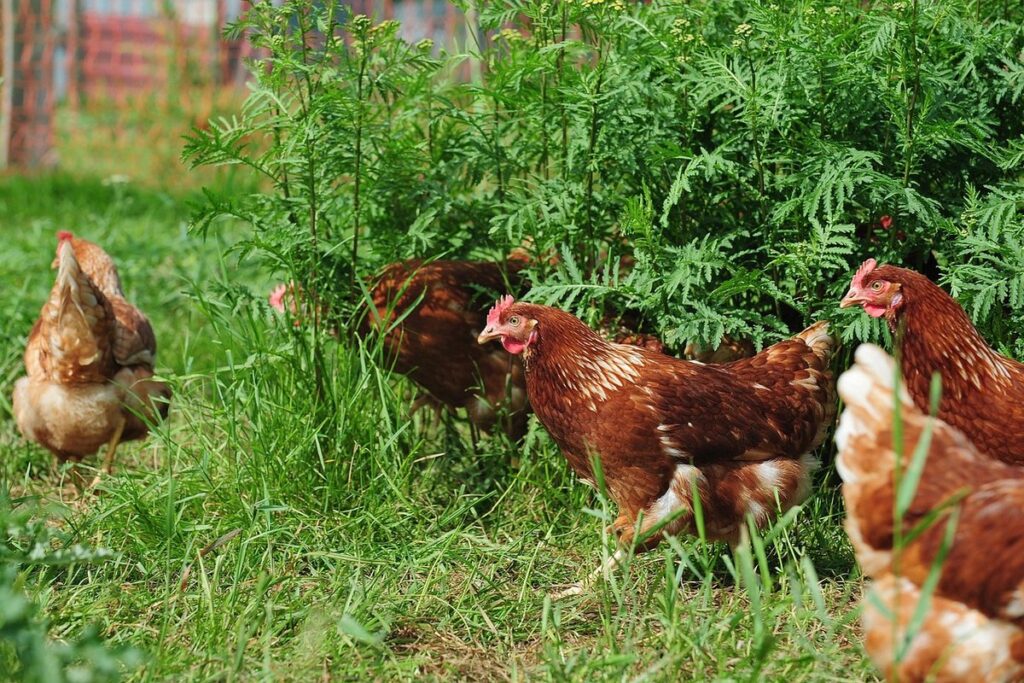
Planning Your Chicken Run
Now that you’ve decided on a coop, it’s time to think about how your chickens will get outside to forage and roam. We’ll walk you through designing a safe and accessible chicken run.
Choosing the Right Location
When it comes to building a chicken run, choosing the right location is crucial for the health and well-being of your birds. A good location can make all the difference in keeping your chickens happy, healthy, and safe from predators.
First and foremost, consider the sunlight requirements of your chickens. Chickens need about 12-14 hours of daylight to produce eggs efficiently, so a south-facing spot with plenty of direct sunlight is ideal. Avoid areas that receive heavy shade, especially during winter months when natural light is scarce.
Next, think about wind direction and how it might affect your chicken run. A spot that’s sheltered from harsh winds will provide a more comfortable environment for your birds. You should also consider the proximity to predators like foxes, coyotes, or hawks. Place your chicken run at least 10-15 feet away from any potential entry points, such as fences, walls, or buildings.
When evaluating different locations, also keep in mind accessibility and maintenance. A spot that’s easy to reach with a wheelbarrow or broom will make cleaning and upkeep much more manageable. Consider the grade of the land as well – a slight slope can help water drain away from your chicken run.
Assessing Your Yard Space
Before building your chicken run, it’s essential to assess your yard space and determine the ideal size and shape of your enclosure. To do this, start by measuring your yard using a tape measure or app on your smartphone. Take note of the dimensions of your yard, including the length, width, and any obstructions such as trees, gardens, or slopes.
Next, consider the space needed for your chickens to roam freely. A general rule of thumb is to provide at least 2-4 square feet of space per chicken inside the run, depending on breed size and your desired level of egg production. You’ll also want to leave some extra room for your chickens to move around comfortably.
To map out your yard, draw a simple sketch or use online tools like SketchUp or Floorplanner to visualize your space. Consider placing the chicken run in a spot that receives partial shade and is close to a water source. Avoid areas with standing water or where predators may be attracted. By taking these steps, you’ll have a clear understanding of how to design your chicken run to fit your yard’s unique needs.
Setting Clear Goals and Budget
Before you start collecting chicken supplies and building materials, it’s essential to set clear goals for your chicken-keeping project. This will help you stay focused on what you want to achieve and avoid overspending or overbuilding.
First, consider how many chickens you plan to keep and what breed(s) you’re interested in raising. Are you looking for egg-laying hens, meat birds, or a combination of both? Think about the space requirements for your flock – will you need to provide enough room for the birds to roam, exercise, and engage in natural behaviors?
Next, set a realistic budget for your project. Consider not only the initial investment but also ongoing expenses like feed, veterinary care, and equipment maintenance. A general rule of thumb is to allocate $100-$200 per year per chicken, depending on factors like breed size, egg production, and disease resistance.
When planning your space constraints, remember that a good rule of thumb is to provide at least 2-4 square feet of space per chicken inside the coop, and 8-10 square feet of outdoor run area. This will give your birds enough room to move around comfortably without feeling cramped or stressed.
Designing a Safe and Functional Chicken Run
When it comes to building a chicken run, safety and functionality are top priorities. In this next part of your DIY project, we’ll walk you through essential design considerations for both.
Understanding Chicken Behavior and Needs
When it comes to designing a safe and functional chicken run, understanding the natural behavior of chickens is crucial. Chickens are social creatures that thrive on activity, so it’s essential to provide them with ample space for exercise. A general rule of thumb is to provide at least 2-4 square feet of outdoor space per chicken, depending on breed and size.
In addition to exercise, chickens also need designated areas for nesting and roosting. Hens will naturally seek out dark, quiet spots to lay their eggs, so consider adding a nesting box or two that are easily accessible and well-ventilated. For roosting, provide sturdy perches that are at least 3 feet off the ground, allowing your chickens to fly up safely.
To encourage natural behavior, incorporate elements like dust baths, scratching posts, and feeding stations into your design. A dust bath helps maintain healthy feathers and skin, while a scratching post allows your chickens to stretch their legs and exercise their claws. By incorporating these features, you’ll be creating a chicken run that meets the needs of your flock, promoting happy and healthy birds.
Consider incorporating windows or mesh panels in the coop to provide natural light and ventilation. This will also give you a chance to observe your chickens’ behavior without disturbing them.
Building a Secure Fencing System
When it comes to building a secure fencing system for your chicken run, there are several options to consider. First and foremost, you’ll want to think about the type of materials you’ll use. Chicken wire, while affordable, is often too easy for predators like raccoons and foxes to chew through. Instead, opt for hardware cloth or sturdy plastic netting that’s specifically designed for chicken runs.
Predator-proofing your fence is crucial, as it can be the difference between a safe and secure coop and one that’s vulnerable to attacks. Consider installing a double layer of fencing, with the second layer facing inward to prevent predators from reaching through the gaps in the first layer. You’ll also want to bury the bottom 12 inches of the fence to prevent digging.
In addition to predator-proofing, durability is key when it comes to your chicken run’s fencing system. Look for materials that can withstand harsh weather conditions and will last for years to come. Consider using galvanized steel or aluminum, as these are both durable and resistant to corrosion.
Incorporating Ventilation and Drainage
When designing a chicken run, it’s easy to overlook two crucial elements: ventilation and drainage. However, these often-overlooked features play a vital role in maintaining a healthy environment for your birds.
Poor ventilation can lead to the buildup of ammonia from droppings, which can cause respiratory problems and eye irritation in chickens. To prevent this, make sure your chicken run has adequate airflow. You can achieve this by installing windows or vents that allow fresh air to enter while keeping predators out. Consider using a mesh material for walls and floors to ensure good airflow.
Drainage is another critical aspect of maintaining a clean and healthy environment. Chickens produce a significant amount of waste, which can lead to disease if not properly managed. Make sure your chicken run has a sloping floor that directs water away from the coop. You can also install a drainage system or a French drain to prevent water accumulation.
A well-designed ventilation and drainage system will help reduce the risk of disease and create a happy, healthy environment for your chickens. By incorporating these essential elements into your design, you’ll be able to enjoy the benefits of backyard chicken-keeping without worrying about the health implications.
Materials and Tools You’ll Need
To build a safe and secure DIY chicken run, you’ll need some essential materials and tools that we’ll outline below. Let’s get started on gathering what you need!
Gathering Essential Hardware and Supplies
To build a safe and secure chicken run, you’ll need to gather essential hardware and supplies. Let’s start with fencing materials, which are crucial for enclosing the coop and protecting the chickens from predators. You can choose between wood, metal, or plastic fencing, depending on your budget and local building codes.
For a 4×8 foot coop, you’ll need about 100-120 feet of fencing material. Make sure to select posts that are sturdy enough to support the weight of the fencing and any additional features like gates or doors. You can also opt for prefabricated fence panels, which come with pre-drilled holes for easy assembly.
In addition to fencing materials, you’ll need roofing supplies, such as asphalt shingles or corrugated metal roofing, to keep your coop dry and protected from the elements. Don’t forget to include hardware cloth or chicken wire to cover any gaps under the fence and prevent predators from digging in. A sturdy gate is also essential for easy access to the coop and ensuring the chickens’ safety.
Remember to check local regulations regarding building codes and zoning restrictions before starting your project. With these supplies on hand, you’ll be well-equipped to build a safe and happy home for your backyard chickens.
Optional Features for Your Chicken Run
When it comes to building a chicken run, you can take it to the next level by incorporating some fun and functional features. These add-ons not only provide your feathered friends with comfort and safety but also make their coop a joy to interact with.
One essential feature is nesting boxes. These usually consist of small enclosed spaces where hens can lay their eggs in peace. You’ll want to position them at a comfortable height, around 2-3 feet off the ground, and ensure each box has a sloping roof for easy egg retrieval. Don’t forget to line the boxes with soft bedding like straw or hay.
Windows are another great feature that allow natural light to enter your coop and provide ventilation for your chickens. Consider adding operable windows that can be opened and closed as needed. This way, you can regulate the temperature inside the coop during hot summer days.
Perches are also a must-have in any chicken run. They provide your birds with a place to roost at night and exercise their legs during the day. You can choose from a variety of materials like wood or metal for durability. Just be sure to install them at an angle, so your chickens don’t get too comfortable.
Building the Coop Structure
Let’s get started on building the framework of your backyard chicken run, including designing and constructing the coop itself. We’ll walk through each step to ensure a sturdy and safe enclosure for your feathered friends.
Framing and Scaffolding Essentials
When building your chicken coop structure, framing and scaffolding are crucial steps that require precision and attention to detail. To start, measure your wood accurately using a tape measure or calipers to ensure you have the correct lengths for each piece. When cutting wood, use a miter saw or circular saw to make clean cuts, and always wear protective gear like safety glasses and ear protection.
It’s essential to cut wood at a 45-degree angle to form corners and joints, especially when building frames and shelves. To do this, set your saw blade to the desired angle and adjust it as needed for each cut. For larger projects or more complex cuts, consider investing in a table saw or miter box for added precision.
When assembling frames, use galvanized nails or screws specifically designed for outdoor use to ensure durability and resistance to rust. Always check local building codes and regulations regarding coop construction before starting your project, as requirements may vary depending on your location.
Roofing and Gutter Systems
When it comes to protecting your flock from the elements and ensuring their coop remains dry and secure, installing a waterproof roof and functioning gutter system is crucial. A well-designed roofing system should be able to withstand heavy rainfall and extreme temperatures without compromising the integrity of the coop.
To start, choose a waterproof roofing material such as asphalt shingles, metal roofing, or corrugated plastic sheets. Ensure the material you select fits your budget and meets local building codes. When installing the roof, make sure to follow these steps:
* Begin with a sturdy underlayment to prevent water seepage
* Install roofing felt and then the chosen roofing material
* Secure the edges with caulk or sealant
Gutters play a vital role in directing rainwater away from your coop’s foundation. You can either install traditional gutters made of vinyl, aluminum, or steel, or opt for more modern options like leaf-free gutter systems. Whichever you choose, ensure they are securely attached to the eaves and pitched to allow water to flow freely.
It’s also essential to clean your gutters regularly to prevent clogging and damage to your coop’s foundation.
Adding Finishing Touches
Now that you’ve built a sturdy chicken run, it’s time to add some personality and practicality with finishing touches like roofs, gates, and nesting boxes. Let’s get creative!
Insulation and Bedding Options
When it comes to creating a comfortable and healthy environment for your backyard chickens, insulation and bedding options are crucial. Not only do they help regulate the temperature inside the coop, but they also affect the overall comfort and health of your birds.
For insulation, you have several options to consider. Foam board insulation is a popular choice, as it’s easy to install and provides excellent thermal protection. However, some chicken keepers opt for natural materials like straw bales or shredded newspaper, which are eco-friendly and breathable. Another option is reflective insulation, such as aluminum foil or bubble wrap, which can help reflect heat rather than absorb it.
In terms of bedding, you’ll want to choose a material that’s comfortable for your chickens’ feet and won’t become a mess in wet weather. Shredded newspaper or straw are good options, while pine shavings and cedar chips should be avoided as they can harbor bacteria and toxins. Consider also using a layer of compost or manure under the bedding to create a nutrient-rich soil.
Regularly changing the bedding is essential to keep your coop clean and hygienic. Aim to replace it every few months, depending on the size of your flock and the quality of the bedding material.
Exterior Finishes and Decorations
When it comes to giving your coop some personality, exterior finishes and decorations can make all the difference. Think of it as adding a touch of farmhouse charm to your backyard oasis.
Start by choosing a paint color that complements your yard’s aesthetic. Consider warm neutrals like weathered wood or soft blues for a calming look. Don’t be afraid to get creative with bold colors, but remember to balance them with neutral trim details. A pop of bright red or turquoise can add visual interest, but may not be the best choice for a more subtle appearance.
For a personalized touch, consider adding embellishments like metal signs, vintage windows, or even a statement piece of art. You could also incorporate natural elements like reclaimed wood, stone, or brick to give your coop an organic feel. Don’t forget about lighting – string lights or lanterns can add warmth and ambiance in the evening.
Some DIY enthusiasts have even gotten creative with repurposed materials, turning old pallets into decorative trim or using galvanized metal for a rustic look. Feel free to get inspired by Pinterest boards or home decor magazines, but don’t be afraid to put your own spin on things – after all, it’s your coop and you should love how it looks!
Frequently Asked Questions
What’s the ideal size for a chicken run, considering space constraints and my flock’s needs?
Consider at least 2-4 square feet of outdoor space per chicken inside the run, with an additional 10-15% for movement and exercise. If you have a smaller yard or limited space, prioritize a larger coop with adequate ventilation to ensure your chickens’ health and well-being.
How can I balance predator protection with ventilation and airflow in my chicken run?
Yes, it’s possible to achieve both predator protection and good ventilation. Use hardware cloth or poultry netting for the fencing, ensuring openings of 1 inch or smaller. Install a roof overhang to prevent rain from entering the run while maintaining airflow through windows or vents.
What are some common mistakes to avoid when building a chicken run?
When building your chicken run, be mindful of the following: improper fencing (gaps too large), inadequate shelter, and poor drainage. Make sure to research local regulations regarding chicken keeping, including ordinances on noise levels, property line setbacks, and permitted species.
Can I reuse materials from an old fence or pallets for my chicken run?
Yes, repurposing materials can be a cost-effective and eco-friendly option. However, ensure the materials you choose are safe for your chickens’ health and won’t compromise the structural integrity of the run. Clean and disinfect all reused materials thoroughly before using them.
How often should I inspect and maintain my chicken run to keep it secure and functional?
Regular inspections every 1-2 weeks will help identify potential issues, such as damage to fencing or signs of predator activity. Check for loose hardware, inspect the coop’s roof and walls, and clear any debris from drains and vents to prevent water accumulation and pest infestations.