
If you’re like many backyard chicken keepers, you’ve likely faced the frustrating reality of losing ducks to predators. Whether it’s a sly fox or an opportunistic raccoon, these unwanted visitors can wreak havoc on your flock and leave you with significant financial losses. But what if you could create a secure duck pen that would protect your feathered friends from harm? With our comprehensive guide to building and maintaining a predator-proof duck enclosure, you’ll be able to rest assured knowing your ducks are safe and sound. We’ll walk you through the essential elements of designing a secure duck pen, including materials, layout, and maintenance tips to keep your flock protected from predators and thriving in their new home.
Introduction to Predator-Proof Duck Pens
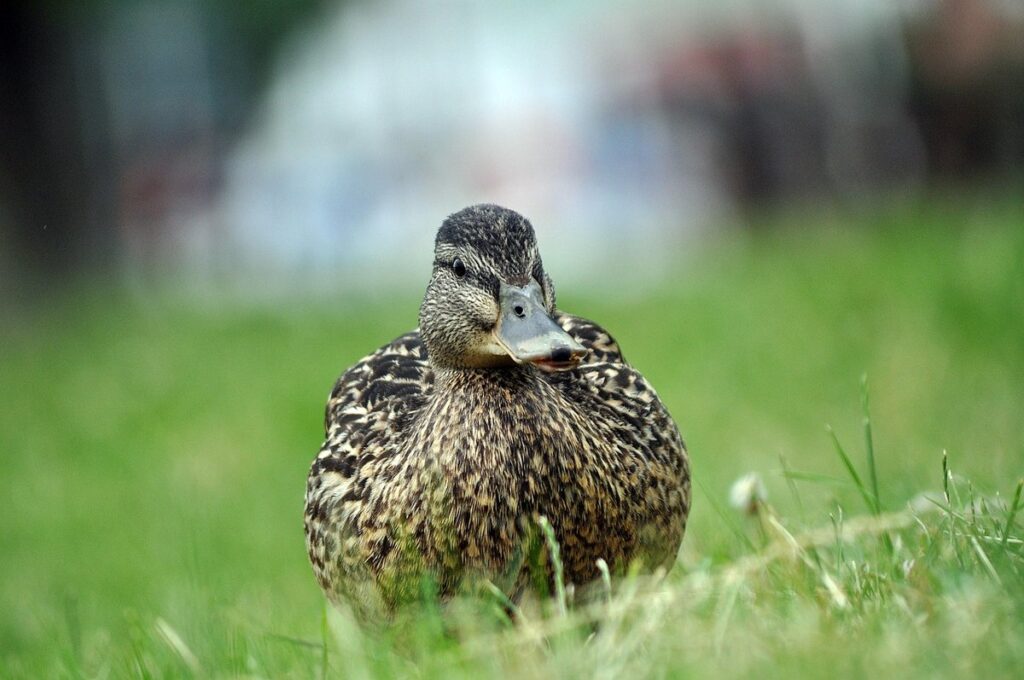
Welcome to our guide on predator-proof duck pens, where we’ll share essential tips and expert advice for creating a safe haven for your feathered friends.
Benefits of a Predator-Proof Duck Pen
Protecting your ducks from predators is not just a matter of securing their enclosure, but also a crucial aspect of responsible duck ownership. Financial losses can be significant when predators such as foxes, coyotes, and raccoons breach your duck pen’s defenses. A single attack can result in the loss of multiple birds, which translates to substantial financial costs.
Moreover, dealing with predation stress can take a toll on both you and your ducks. The constant worry about predator attacks can make you feel anxious and exhausted. Your ducks, too, will become stressed, leading to decreased egg production, compromised immune systems, and even fatalities. By investing in a predator-proof duck pen, you’ll be safeguarding not only your birds’ physical safety but also their emotional well-being.
A well-designed predator-proof duck pen can significantly reduce the risk of predation and related stress factors. When selecting a suitable enclosure, consider the following: using durable materials such as metal or heavy-gauge plastic; ensuring secure fencing and gates; and incorporating features like roof protection and netting to prevent airborne threats.
Understanding Common Predators That Threaten Ducks
When it comes to protecting your duck pen from predators, it’s essential to understand the common culprits that target these enclosures. Three of the most notorious predators are foxes, coyotes, and raccoons. Each of these creatures has unique behavior patterns and vulnerabilities that you can exploit to safeguard your ducks.
Foxes are cunning and opportunistic, often targeting duck pens at night when they’re most active. They’ll use their sharp senses to sniff out weaknesses in the enclosure’s design or construction. To deter foxes, ensure your pen is built with sturdy materials and has a robust roof that’s difficult for them to climb over.
Coyotes, on the other hand, are highly adaptable and can fit through surprisingly small openings. They’re also expert diggers, so make sure to bury any fencing at least 12 inches underground to prevent them from burrowing under your pen. Raccoons, with their dexterous hands and love of water, often target duck pens during the day when they’re most active.
To outsmart these predators, consider adding a secure roof or netting to your pen, as well as using high-quality fencing materials that are at least 6 feet tall to prevent climbing. Regularly inspecting your pen for any weaknesses and keeping it clean will also help discourage predators from targeting your ducks.
Designing a Predator-Proof Duck Pen
Creating a safe and secure duck pen that protects your feathered friends from predators requires careful planning and attention to detail, which we’ll cover in the following steps. Let’s dive into designing a predator-proof duck pen together!
Choosing the Right Location for Your Duck Pen
When it comes to setting up your duck pen, choosing the right location is crucial. You’ll want to consider a spot that not only provides optimal living conditions for your ducks but also minimizes the risk of predator attacks.
One key factor to think about is proximity to sheltered areas. Ducks can get stressed and disoriented when they’re exposed to harsh weather conditions or predators lurking nearby. A safe location would be near a building, a grove of trees, or a fence that offers protection from the elements.
Another important consideration is potential escape routes for predators. If you live in an area with coyotes, foxes, or other wildlife, make sure your duck pen isn’t located near any holes or gaps in fences or walls that could serve as entry points for these animals. Consider selecting a spot with some natural barriers, such as thick bushes or steep slopes, to deter potential predators.
Additionally, ensure the location you choose is accessible and easy to clean. You’ll want to be able to easily collect eggs from your ducks and make any necessary repairs to the pen without causing unnecessary stress to them.
Building or Purchasing a Secure Duck Enclosure
When it comes to building or purchasing a secure duck enclosure, one of the most critical aspects is selecting materials that can withstand predator attacks. A popular option for predator-proof duck enclosures is wire mesh. This type of mesh is usually made from durable metal wires woven together and can be stretched over frames to create a sturdy enclosure.
Hardware cloth is another excellent choice for securing your duck pen. It’s essentially a mesh material made from thick, heavy-gauge wires that are more robust than regular wire mesh. Its tight weave prevents predators like foxes or coyotes from getting their paws through the openings.
When choosing fencing options, consider using materials with high-tensile strength and durability. Options like 2-inch x 3-inch welded wire fencing or 4-foot-high vinyl-coated chain link are great alternatives to mesh enclosures.
For a more permanent solution, you can also opt for pre-made predator-proof duck enclosures made from steel frames and heavy-gauge wires. When selecting an enclosure, ensure it has secure latches and reinforced doors that can withstand various types of predators. Consider the size of your ducks when designing or purchasing the enclosure to provide enough space for them to roam comfortably without any safety concerns.
Materials and Construction Requirements
To build a predator-proof duck pen that’s safe for your feathered friends, it’s essential to understand the specific materials and construction requirements you’ll need to meet. Let’s dive into the details.
Essential Components of a Predator-Proof Duck Pen
When it comes to building a secure duck pen, there are several essential components that you need to consider. The first and most crucial aspect is the fencing material itself. A sturdy 4-5 foot tall fence made of durable materials such as wood, metal, or high-tensile wire will help keep predators out.
However, simply having a high fence isn’t enough; you also need to ensure that the gate is secure. This means using strong hinges and a latch that can withstand attempted forced entry by predators. Consider installing an automatic door closer or a lock with a security code for added protection.
In addition to fencing and gates, netting is another crucial component of a predator-proof duck pen. Burying 12-18 inches of hardware cloth or chicken wire along the fence perimeter will help prevent burrowing predators like foxes and raccoons from getting under the fence.
Finally, make sure to secure any gaps or holes in the fencing material with wire mesh or metal sheeting. This is especially important around posts and gate frames where animals can easily squeeze through.
Using Protective Coatings and Reinforcements
When it comes to building a predator-proof duck pen, using protective coatings and reinforcements is crucial for ensuring durability and security. Protective coatings can be applied to various materials such as wood, metal, and plastic to shield them from the elements and prevent damage.
To apply a protective coating, start by cleaning the surface thoroughly with soap and water. Then, apply a coat of primer specifically designed for outdoor use. Allow it to dry completely before applying multiple coats of the desired finish. For example, a water-based polyurethane can provide a durable and water-resistant finish to wood surfaces.
Reinforcements are also essential in a predator-proof duck pen. Add additional layers of wire mesh or hardware cloth around the perimeter to prevent predators from digging or chewing through. Use sturdy materials for the enclosure’s frame and ensure all joints are secure. Consider adding a top layer of chicken wire or netting to provide an extra barrier against aerial predators.
Remember to choose protective coatings and reinforcements that are specifically designed for outdoor use and suitable for your climate. Regularly inspect and maintain your duck pen to extend its lifespan and prevent damage from predators.
Installation and Maintenance Tips
To ensure your predator-proof duck pen remains safe and secure, follow these crucial installation and maintenance tips to keep your feathered friends protected. Proper setup is key!
Setting Up Your Predator-Proof Duck Pen
When it comes to setting up your predator-proof duck pen, the key is to create a secure and sturdy enclosure that will protect your feathered friends from potential threats. To start, begin by unpacking and assembling all components of your duck pen according to the manufacturer’s instructions.
Next, choose a flat area for installation and clear any debris or obstructions. This will ensure a smooth and even surface for your pen to sit on. Anchor placement is crucial; make sure to install anchors at least 12 inches deep into the ground to prevent predators from easily digging underneath. Space anchors about 3-4 feet apart, taking into account the size of your duck pen.
When aligning the gate, ensure it swings freely and securely in both directions. This will allow you to easily access the pen without compromising its integrity. Double-check all screws and bolts are tightened firmly, paying extra attention to any vulnerable areas such as corners or edges. By following these steps, you’ll be well on your way to creating a safe haven for your ducks to roam and thrive.
Regular Maintenance for Optimal Security
To keep your predator-proof duck pen secure and functional, regular maintenance is essential. Start by inspecting the hardware, such as hinges, latches, and wire mesh, for any signs of wear or damage. Check if screws are loose and tighten them immediately to prevent further damage.
Regularly check for damaged or worn-out parts, including roofing materials, nesting boxes, and doors. Replace them promptly to prevent predators from exploiting weaknesses in the pen’s design. Clean the pen regularly, removing droppings and debris that can attract pests and compromise the integrity of the enclosure.
Schedule a thorough inspection every 3-6 months, or after extreme weather conditions. This will help identify potential issues before they become major problems. Replace worn-out parts with new ones to maintain the pen’s effectiveness in keeping predators out. Remember, a well-maintained predator-proof duck pen is not only more secure but also healthier for your ducks.
Additional Safety Measures for Enhanced Protection
To ensure the safety of both your ducks and yourself, we’ll now discuss some crucial additional measures to enhance protection within your predator-proof duck pen. These extra precautions will give you peace of mind while caring for your feathered friends.
Implementing Multiple Layers of Defense
When it comes to safeguarding your duck pen from predators, relying on just one line of defense can be insufficient. This is where implementing multiple layers of protection comes into play. By combining different deterrents and security measures, you can significantly increase the safety of your feathered friends.
One effective way to create multiple layers of defense is by using repellents. These can be in the form of sprays or powders that contain unpleasant tastes or odors for predators. For instance, you could try using a commercial-grade predator repellent containing capsaicin, which is derived from hot peppers and deters animals with sensitive noses.
Noise makers are another excellent addition to your duck pen’s security system. These can be as simple as an ultrasonic device that emits a high-pitched sound undetectable to humans but unpleasant for predators like raccoons or foxes. Motion-activated lights are also a valuable asset, as they illuminate the area when motion is detected, potentially startling potential intruders.
To maximize the effectiveness of your multiple layers of defense, it’s essential to consider the specific needs and vulnerabilities of your duck pen. For example, if you live in an area with frequent coyote sightings, using noise makers or repellents specifically designed to deter canines might be a good idea.
Integrating Electric Fencing and Other Advanced Technologies
Integrating electric fencing and other advanced technologies into your duck pen can be a game-changer for enhanced protection. One of the most significant advantages of electric fencing is its ability to deter predators with a shock, rather than relying solely on physical barriers. This not only saves space but also reduces the risk of damage from digging or jumping.
For example, you could install an electric mesh fence around your duck pen, which can be adjusted to different levels of voltage depending on the type of predator you’re trying to deter. Another option is using motion-activated sprinklers that scare off predators with a sudden burst of water when they enter the area.
Additionally, you might consider incorporating other advanced technologies such as:
• Solar-powered lights or cameras to monitor your duck pen 24/7
• Automated feeding systems that minimize human interaction and reduce the risk of attracting predators
• Smart alarm systems that alert you in case of an intrusion
These technologies can work seamlessly with electric fencing to create a multi-layered defense system, ensuring the safety and security of your ducks.
Monitoring and Response Strategies for Potential Threats
When it comes to protecting your feathered friends, knowing how to respond quickly to potential threats is just as important as having a secure enclosure. Let’s explore effective monitoring and response strategies together.
Identifying Early Warning Signs of Predator Activity
When it comes to protecting your duck pen from predators, being vigilant and aware of early warning signs is crucial. This can be the difference between a successful defense against a potential threat and devastating losses.
Unusual behavior from your ducks should never be ignored. If you notice them acting nervous or restless, constantly alert or trying to escape, it’s likely they’ve picked up on something you haven’t – yet. Watch for signs of alarm calls or increased quacking, as these can indicate the presence of a predator nearby.
Damage to the pen itself is another critical warning sign. Inspect your enclosure regularly for any holes, gaps, or weakened areas that could be exploited by an opportunistic animal. Look out for signs of digging or scratching around the periphery of the pen – this could be a predator probing for weaknesses in the structure.
Don’t wait until it’s too late to respond. If you identify either unusual behavior from your ducks or damage to the pen, investigate immediately and take corrective action.
Responding to Incidents: Quick Action for Maximum Safety
When it comes to responding quickly and effectively in case of a predator breach or other security incidents, timing is everything. As a duck keeper, you must be prepared to act swiftly to minimize harm and protect your flock. Here’s what you need to do:
In the event of a predator breach, remain calm and assess the situation immediately. Check for any signs of injury or distress among your ducks, and account for their whereabouts. If possible, safely re-enter the pen without putting yourself at risk.
If a predator is still present, do not attempt to engage it directly. Instead, use any available deterrents such as loud noises, water spray, or other non-lethal means to scare it away. Call for assistance from family members or neighbors if needed.
In severe cases, evacuate your ducks to a secure location and contact local animal control or wildlife authorities for support. Always prioritize the safety of both humans and animals during these situations.
Frequently Asked Questions
How to Adapt a Predator-Proof Duck Pen for Different Types of Fowl?
Adapting your predator-proof duck pen for different types of fowl, such as geese or chickens, involves considering the unique needs and behaviors of each species. For example, geese require more space and can be aggressive towards other birds, while chickens are social animals that thrive in smaller groups. Assess the specific needs of your flock and adjust the pen’s design accordingly.
What Happens if a Predator Breaches My Duck Pen Despite Its Security Features?
While no duck enclosure is completely predator-proof, having multiple layers of defense in place can minimize the risk of breaches. In case an attack does occur, having a quick response plan in place is crucial for minimizing losses and ensuring your ducks’ safety. Consider investing in motion-sensitive lighting or surveillance cameras to detect potential threats.
Can I Use Solar-Powered Fencing for My Predator-Proof Duck Pen?
Solar-powered fencing can be an excellent option for securing your duck pen, providing reliable protection without the need for external power sources. Look for high-quality solar panels and electric fencing systems specifically designed for outdoor use in areas with moderate weather conditions. Proper installation is key to ensuring seamless operation.
Are There Any Non-Electric Alternatives to Protecting My Duck Pen?
Yes, non-electric alternatives like hardware cloth or netting can provide an effective barrier against predators. These materials are particularly useful when combined with other security features, such as camouflage or motion-sensitive alarms. Consider the pros and cons of each option before deciding on a suitable solution for your duck pen.
How Often Should I Inspect My Predator-Proof Duck Pen for Signs of Wear or Damage?
Regular inspections of your predator-proof duck pen are crucial to maintaining its integrity and ensuring your ducks’ ongoing safety. Schedule quarterly checks for signs of wear, damage, or potential vulnerabilities. Address any issues promptly to prevent predators from exploiting weaknesses in the enclosure’s design or materials.