
When you collect your eggs from the coop, do you ever wonder what influences that beautiful golden or deep orange hue of the yolk? As a chicken keeper, understanding egg yolk color is crucial not only for aesthetic reasons but also to ensure your flock’s overall health. After all, vibrant yolks are often a sign of good nutrition and genetics in your birds. But what exactly determines this colorful trait? Is it purely down to breeding or can nutrition play a role too? In our expert guide, we’ll delve into the factors that influence egg yolk color, from the genetic makeup of your chickens to their dietary habits. By understanding these key factors, you’ll be able to provide your flock with optimal care and enjoy those stunning eggs for years to come.
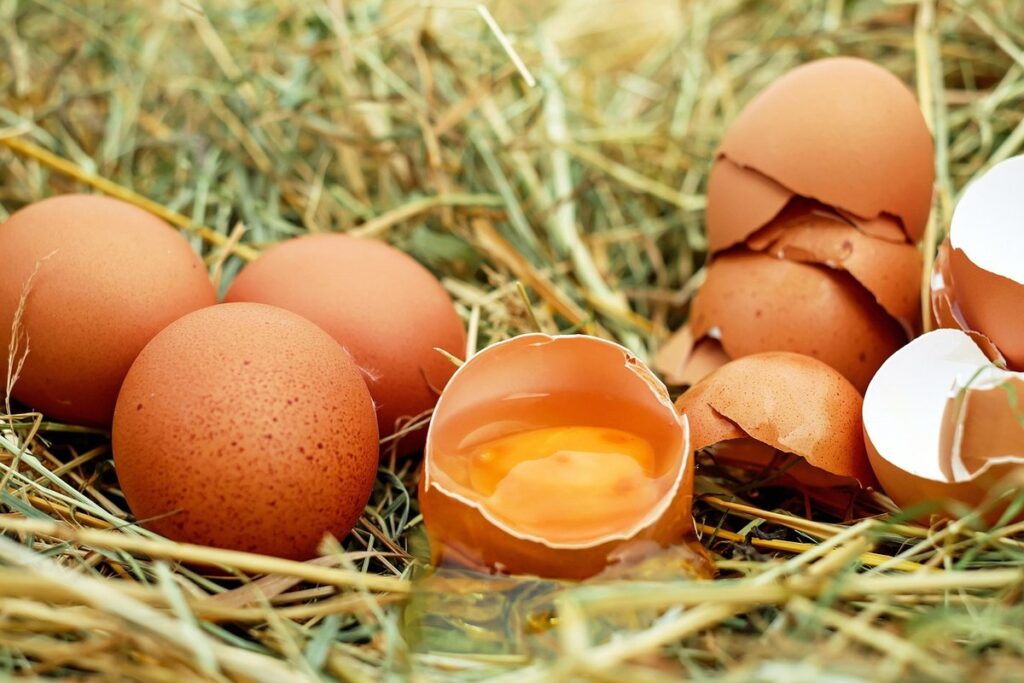
The Importance of Egg Yolk Color
When it comes to egg yolk color, you might be wondering why it matters. In this next part, we’ll explore how yolk color affects your flock’s overall health and nutrition.
Factors Affecting Egg Yolk Color
When it comes to egg yolk color, several factors play a crucial role in determining its final hue. Genetics is one of the primary contributors, with some breeds naturally producing darker or lighter yolks due to their genetic makeup. For example, Marans and Welsummers are known for their dark-brown eggs, while Leghorns tend to produce lighter yellow yolks.
Nutrition also has a significant impact on egg yolk color. Hens that consume a diet rich in beta-carotene, lutein, and zeaxanthin will produce darker, more vibrant yolks. These pigments are typically found in leafy greens like kale, spinach, and collard greens, as well as in yellow and orange vegetables like carrots and sweet potatoes.
Health can also affect egg yolk color, with illness or stress causing a hens’ diet to be compromised. For instance, if a hen is experiencing digestive issues, she may not be able to absorb the nutrients necessary for producing healthy, dark yolks.
In contrast, hens that are thriving and receiving adequate nutrition will produce eggs with rich, deep-colored yolks. To encourage this in your flock, make sure they have access to a balanced diet and plenty of fresh water. Regular health checks can also help identify any potential issues before they impact egg yolk color.
Normal vs Abnormal Egg Yolk Colors
When it comes to egg yolk color, it’s essential to understand what constitutes normal and abnormal shades. Healthy hens typically produce eggs with yolks that range from pale yellow to deep golden orange. These colors are a result of the hen’s diet, which influences the type and amount of pigments present in the yolk.
Normal egg yolk colors can vary depending on factors like breed, age, and nutritional intake. For example, Marans hens produce eggs with dark brown yolks due to their diet rich in beta-carotene. On the other hand, Leghorns tend to lay eggs with lighter yellow yolks because they consume less of these pigments.
Abnormal egg yolk colors can be a sign of underlying health issues. For instance, a greenish or grayish tint may indicate a diet lacking in vitamin A or an overabundance of sulfates. Similarly, a pinkish hue can suggest a high intake of iron or the presence of certain bacterial infections. If you notice unusual yolk colors in your flock’s eggs, investigate possible dietary causes and consider adjusting their feed accordingly.
Impact on Food Safety and Quality
Abnormal egg yolk colors can have significant implications for food safety and quality. One possible reason behind color changes is a lack of access to nutrients such as marigold petals or alfalfa meal, which are often added to chicken feed to enhance the yolk’s pigment production.
A dull yellow or pale yolk color may indicate a lower concentration of carotenoids, which can be a sign of nutritional deficiencies. For instance, if your flock is not receiving sufficient amounts of vitamin A or E, this could lead to a lighter-colored yolk.
It’s essential for backyard chicken keepers and farmers alike to understand the potential causes behind abnormal egg yolk colors to ensure their products meet food safety standards. If left unaddressed, these issues can compromise the quality and safety of eggs for human consumption.
To maintain optimal egg production and yolk color, it’s crucial to provide your chickens with a balanced diet that includes essential nutrients. Regularly check your flock’s feed and supplement their diet if necessary. By doing so, you’ll be able to produce high-quality eggs that are both safe and appealing to consumers.
Genetics and Egg Yolk Color
When it comes to egg yolk color, genetics play a significant role, influencing not just the shade of yellow but also the overall health of your flock. Let’s dive into how genetic factors shape this fascinating aspect of chicken biology.
Breed-Specific Characteristics
When it comes to egg yolk color, different chicken breeds have distinct characteristics that can affect the shade and intensity of the yolk. The genetic basis of these characteristics is complex, but breeders have a significant influence on egg yolk color through selective breeding.
For example, Marans chickens are known for their dark brown eggs with deep orange yolks due to their high concentration of porphyrins in the urochrome pigment. This characteristic is determined by multiple genes that interact with each other and with environmental factors like diet.
In contrast, Leghorn chickens have a genetic predisposition towards producing pale yellow yolks. Breeders can take advantage of this knowledge by selecting for breeds with desirable egg yolk characteristics. By focusing on specific traits, breeders can influence the genetic makeup of their flock and produce eggs with consistent, appealing colors.
Genetic Factors Contributing to Egg Yolk Color Variation
The genetics behind egg yolk color is a complex and fascinating field of study. While environmental factors like diet can influence the intensity of yolk pigmentation, genetic predisposition plays a significant role in determining the underlying color traits. Research has identified several key genes involved in determining egg yolk color, including the OCA2 gene responsible for melanin production, the MYF5 gene linked to embryonic development, and the SLC45A2 gene influencing melanocyte function.
Understanding these genetic interactions can help you identify potential breeding options that may produce eggs with more vibrant or desirable yolks. For example, some breeds like the Araucana are naturally egg-laying birds that can produce blue eggs due to their specific genetic makeup. By selecting parents with complementary genetics, you may be able to introduce new traits into your flock and increase the likelihood of producing eggs with unique yolk colors.
To explore these genetic possibilities further, start by researching breeds known for their distinct egg colorations or studying the genetic makeup of individual birds within your own flock.
Nutrition and Egg Yolk Color
The nutrition your chicken receives plays a significant role in determining the color of their egg yolks, from pale to deep orange. Let’s break down how diet affects egg yolk color.
Dietary Impact on Egg Yolk Pigmentation
The dietary habits of your chicken can significantly impact the color and richness of their egg yolks. Carotenoids, which are pigments found in plants, play a crucial role in determining yolk color. These compounds are fat-soluble and can be stored in the fatty tissues of the chicken’s liver, leading to vibrant orange or yellow colors in the eggs.
To enhance carotenoid intake, consider adding a mix of leafy greens like kale, spinach, and collard greens to your chicken’s diet. Fruits such as oranges, berries, and apples also contribute valuable carotenoids. Sunflower seeds, flaxseeds, and safflower oil are other nutritious sources that can elevate yolk pigmentation.
In addition to carotenoids, vitamins A and E also play a role in maintaining egg yolk health and color. A well-balanced feed that includes these essential vitamins will promote healthy skin and mucous membranes, leading to improved egg quality. Aim for an ideal diet that balances green leafy vegetables with nutrient-rich fruits and whole grains.
Keep in mind that excessive amounts of certain nutrients can have adverse effects on your chicken’s health and the color of their eggs. Monitor your flock’s intake and adjust as necessary to avoid over-supplementation.
Common Nutritional Deficiencies and Their Effects
If you’ve noticed that your hens are laying eggs with abnormal yolk colors, it’s likely due to a nutritional deficiency. One of the most common deficiencies is a lack of riboflavin (B2), which can cause pale yellow or greenish-colored yolks. Another common issue is a deficiency in lutein and zeaxanthin, essential carotenoids that give eggs their yellow color. This can lead to yolk discoloration ranging from pale yellow to almost white.
To diagnose these deficiencies, take note of the overall health and behavior of your flock. Are they showing signs of lethargy or poor feather condition? Do you notice any irregularities in their droppings?
If you suspect a nutritional deficiency is at play, start by adjusting their diet. Provide additional sources of riboflavin-rich foods like alfalfa meal or brewers yeast. Increase the amount of dark leafy greens, such as kale and spinach, which are rich in lutein and zeaxanthin.
Be patient – it can take several weeks to see improvements in egg yolk color. Keep a close eye on your flock’s overall health and adjust their diet accordingly. Regular check-ups with a veterinarian can also help identify underlying issues and provide personalized recommendations for your specific situation.
Health Factors Affecting Egg Yolk Color
When it comes to egg yolk color, several health factors can impact its appearance. Let’s take a closer look at how nutrition and overall health can affect the color of your chicken’s eggs.
Disease and Injury-Related Changes
When it comes to egg yolk color, certain diseases and injuries can significantly alter its pigmentation. One of the most common health issues affecting egg yolk color is coccidiosis, a parasitic disease caused by protozoa that infect the intestinal tract of chickens. This condition leads to a pale or washed-out appearance in egg yolks due to reduced carotenoid levels in the bird’s system.
Histomoniasis, another significant health issue, also impacts egg yolk color. Caused by a parasite called Histomonas meleagridis, this disease affects the digestive system and leads to a decrease in xanthophylls, resulting in a pale yellow or cream-colored yolk. To prevent such conditions from affecting your flock’s egg production, it is essential to maintain excellent hygiene practices, including cleaning feeding equipment regularly and ensuring adequate ventilation.
Monitor your birds’ health closely for any signs of illness or injury, which can also impact egg yolk color. Consult with a veterinarian if you notice any unusual changes in egg appearance or suspect a disease outbreak within your flock. Regular health checks will help identify potential issues early on, allowing you to take corrective measures and maintain healthy birds that lay eggs with vibrant yolks.
Age and Developmental Factors
As chickens age and develop, significant changes occur that affect egg yolk color. Breeders often notice that yolks become more vibrant and intense as hens mature, but what’s behind this phenomenon? Research suggests that the intensity of egg yolk pigmentation is linked to the hen’s age.
Studies have shown that young pullets (chickens less than a year old) tend to lay eggs with lighter-colored yolks. This is because their ovaries and reproductive systems are still developing, resulting in reduced levels of xanthophylls – the pigment responsible for yellow coloration in egg yolks. As hens reach maturity (around 18-24 months), they begin to produce more xanthophylls, leading to deeper orange or reddish hues.
Breeders can expect significant improvements in yolk color as their birds approach 3-4 years of age. However, it’s essential to maintain a balanced diet rich in nutrients, particularly carotenoids and omega-3 fatty acids, to support the production of vibrant yolks throughout their lives. By understanding these developmental factors, breeders can better anticipate changes in egg yolk color and make informed decisions about feed formulations and breeding programs.
Environmental Factors Affecting Egg Yolk Color
When it comes to egg yolk color, what you feed your flock can have a significant impact on their yolks’ natural hue. Let’s take a closer look at how environmental factors come into play.
Climate, Seasonality, and Light Exposure
As we explore the fascinating world of egg yolk color, it’s essential to consider the environmental factors that influence this characteristic. Climate, seasonality, and light exposure all play a significant role in determining the intensity and tone of your chicken’s eggs.
When temperatures rise during summer months, chickens may produce eggs with more vibrant yolks due to increased dietary intake of beta-carotene-rich foods. Conversely, colder climates can lead to duller yolk colors as birds consume less of these pigments. Seasonality also affects light exposure, which is a crucial factor in egg yolk production.
During periods of intense sunlight, chickens may produce eggs with richer, darker yolks due to the increased synthesis of xanthophylls – yellow and orange pigments responsible for egg yolk color. However, extreme temperatures can disrupt this process, resulting in paler or unevenly colored yolks.
To optimize your flock’s egg yolk color, ensure they have access to adequate light and a balanced diet rich in carotenoids and other essential nutrients. Consider supplementing their feed during periods of reduced sunlight or when the climate demands more energy expenditure from your birds.
Housing Conditions and Management Practices
When it comes to egg yolk color, housing conditions and management practices play a significant role. The environment where your chickens live can affect the quality and consistency of their eggs. For instance, chickens kept in crowded or unsanitary living conditions may produce eggs with duller yolks due to stress.
On the other hand, providing ample space for exercise and movement can improve egg yolk color. Research has shown that chickens that have access to outdoor spaces tend to produce higher-quality eggs with richer yolks. This is because exercise stimulates blood flow and improves nutrient distribution throughout the body.
To promote healthy egg production and vibrant yolks, consider implementing management practices like:
* Providing a minimum of 2-4 square feet of space per chicken
* Ensuring adequate ventilation and lighting in coops
* Offering a balanced diet rich in nutrients
* Rotating pastures to maintain soil fertility and reduce stress on birds
By paying attention to these housing conditions and management practices, you can help promote healthy egg production and achieve more desirable egg yolk colors.
Best Practices for Maintaining Healthy Egg Yolks
To ensure your chickens produce healthy, vibrant egg yolks, it’s essential to establish good habits and routines for their care and nutrition. Let’s dive into some best practices for maintaining healthy egg yolks.
Dietary Recommendations for Optimizing Egg Yolk Color
A balanced diet is essential for maintaining healthy egg yolks and optimal pigmentation. Chickens require a mix of proteins, vitamins, and minerals to produce vibrant yellow yolk color. Start by incorporating high-quality protein sources like alfalfa meal or soybean meal into their feed. These ingredients are rich in methionine, an amino acid that plays a crucial role in pigment production.
In addition to protein-rich foods, ensure your flock is getting enough vitamin A and beta-carotene through dark leafy greens like kale and spinach, as well as sweet potatoes. Lutein and zeaxanthin, carotenoid pigments found in marigolds and squash, also contribute to egg yolk color. Supplementing with these nutrients can make a significant difference.
To optimize your flock’s diet, consider the following tips:
* Provide a diverse range of fruits and vegetables daily.
* Incorporate supplements like kelp meal or dried seaweed into their feed.
* Avoid over-supplementing, as excessive amounts of certain nutrients can have negative effects.
* Consider rotating crops to maintain soil health and nutrient levels.
Monitoring and Managing Health Factors
As an egg producer, monitoring and managing health factors is crucial to maintaining healthy egg yolks. A clean living environment is essential for keeping your flock healthy and preventing diseases that can affect egg yolk color. Regularly inspect your coop and run, removing soiled bedding and waste, and disinfecting surfaces will help prevent the spread of disease.
A well-balanced diet is also vital to maintaining healthy birds. Ensure they have access to clean water at all times, and provide a balanced feed that meets their nutritional needs. Consider supplementing with probiotics or omega-3 rich foods to promote gut health and reduce inflammation.
Disease outbreaks can occur, so it’s essential to be prepared. Develop a plan for responding to common diseases, such as respiratory infections or parasites. Keep a close eye on your flock’s behavior and appetite, and seek veterinary advice if you notice any changes.
By maintaining a clean living environment, providing adequate care, and being proactive about disease prevention, you’ll help ensure healthy egg yolks with vibrant colors. Regularly inspecting your flock and taking prompt action when issues arise will go a long way in promoting overall health and well-being.
Conclusion
In conclusion, understanding egg yolk color is essential for chicken keepers who want to raise healthy birds that produce high-quality eggs. By recognizing the possible causes of dark or light yolks, you can take steps to improve your flock’s nutrition and overall well-being. For example, if you’ve noticed a decrease in yolk color over time, it may be worth reassessing their diet and ensuring they have access to fresh vegetables and fruits. Additionally, keeping track of breed-specific traits can also help you understand what to expect from your hens.
By being aware of these factors, you’ll be better equipped to address any potential issues that may arise and make informed decisions about the care and management of your chickens.
Frequently Asked Questions
Can I adjust my flock’s diet to improve the color of their egg yolks?
Yes, modifying your flock’s nutrition can indeed influence egg yolk color. Increasing the intake of beta-carotene, lutein, and zeaxanthin through supplements or by feeding them leafy greens like kale and spinach can enhance the pigmentation of their yolks.
What if I notice a sudden change in my hens’ egg yolk color? Should I be concerned about their health?
A sudden change in egg yolk color could indicate a nutritional deficiency, disease, or injury. Keep an eye on your flock’s overall behavior and adjust their diet accordingly. If you’re unsure, consult with a veterinarian to rule out any underlying health issues.
How long does it take for changes in nutrition or genetics to affect the color of my hens’ egg yolks?
Changes in nutrition can be noticeable within 2-3 weeks, while genetic influences may take several months to become apparent. Be patient and monitor your flock’s diet and health closely to observe any improvements.
Can climate, seasonality, and light exposure impact the color of my hens’ egg yolks?
Yes, environmental factors like temperature, daylight hours, and humidity can affect the pigmentation of egg yolks. Hens exposed to intense sunlight or extreme temperatures may produce yolks with a more pronounced orange hue due to increased beta-carotene production.
What are some common mistakes to avoid when trying to optimize my flock’s nutrition for better egg yolk color?
Some common pitfalls include over-supplementing, which can lead to imbalanced diets and health issues. Always consult with a veterinarian or poultry expert before making significant changes to your flock’s diet.