
Are you tired of seeing your garden devoured by pests or struggling to maintain healthy soil? You’re not alone. Many gardeners face these challenges, but what if I told you there’s a solution that can help you create a thriving ecosystem while reducing pests and improving soil health? By integrating chickens into your backyard garden, you can achieve just that. With chickens in the mix, you’ll benefit from natural pest control, nutrient-rich fertilizers, and even composting waste. But how do you successfully integrate these feathered friends with your garden? That’s where this article comes in. We’ll cover design tips, care techniques, and best practices for creating a harmonious backyard chicken garden that benefits both your birds and your plants. Let’s dive into the world of integrated gardening and explore its many rewards.
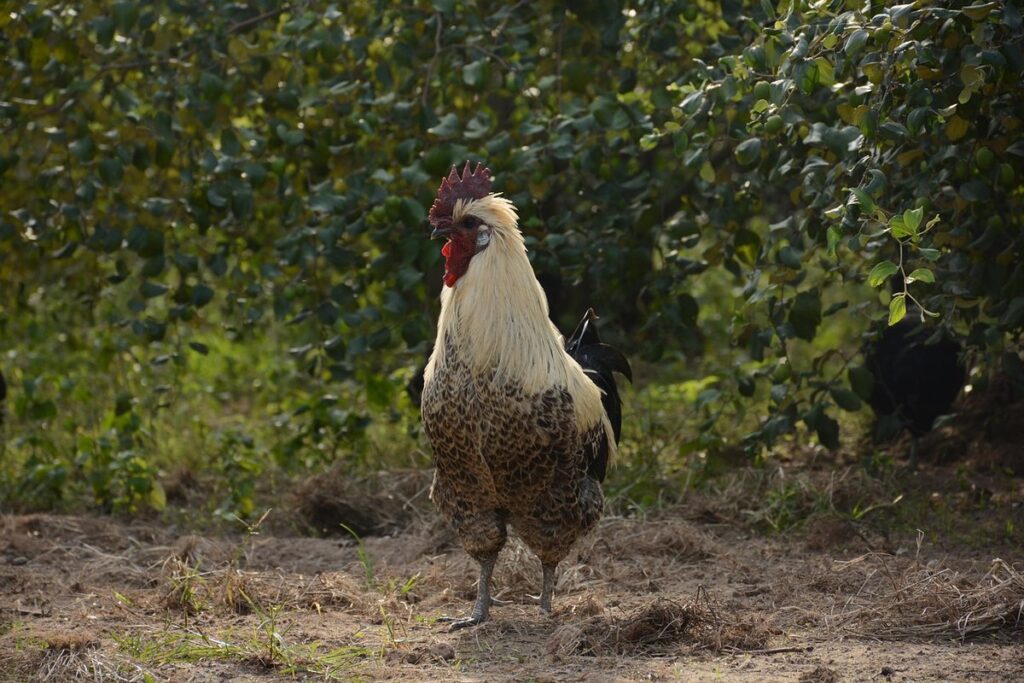
Benefits and Motivations
By integrating chickens into your backyard garden, you’ll reap a multitude of benefits that will delight your taste buds and nurture your soul. Let’s explore these perks together!
Why Integrate Chickens into Your Garden?
Having chickens integrated into your garden offers numerous benefits that can enhance its overall health and productivity. One of the primary advantages is reduced pest control needs. Chickens are natural foragers and will enthusiastically devour slugs, snails, and insects that can damage your plants. By introducing chickens to your garden, you’ll notice a significant decrease in these pests’ populations, reducing the need for pesticides.
In addition to controlling pests, chickens also contribute to improved soil health. Their droppings act as a natural fertilizer, rich in nitrogen, phosphorus, and potassium, which are essential nutrients for plant growth. Chickens will scratch and peck at the ground, further aerating the soil and allowing roots to breathe and grow deeper.
Integrating chickens into your garden also increases biodiversity. By creating a habitat that supports both plants and animals, you’re fostering a more balanced ecosystem. This balance promotes a healthier environment where plants can thrive, and beneficial insects and microorganisms can flourish. As an added bonus, watching your chickens roam freely amidst your garden can be a delightfully therapeutic experience.
Overcoming Common Concerns
Integrating chickens into your garden can be a wonderful idea, but we know that some of you might have concerns about the noise, mess, and potential threats to your plants. Let’s address these common worries head-on.
Firstly, noise: While it’s true that chickens can make some racket, especially in the morning and evening when they’re most active, there are ways to minimize the noise. Consider building a coop with sound-absorbing materials like straw or wood shavings, or placing the coop in a location away from your garden beds. You can also try using white noise machines or fans to mask any loud sounds.
As for mess, chickens do produce droppings, which can be messy if not managed properly. To keep things tidy, create a designated area for their waste and make sure to clean it regularly. You can also use fencing or netting to contain any stray droppings. Additionally, consider using a “chicken tractor” – a mobile coop that allows your chickens to forage without creating mess in one spot.
Finally, let’s talk about potential threats to your plants. While chickens can be great garden helpers by eating pests and weeds, they can also damage certain plants if they’re hungry or bored. To prevent this, introduce new plants gradually, and provide a variety of foods for your chickens to keep them occupied. You can also train them to avoid sensitive areas using positive reinforcement techniques like treats and praise.
Setting Goals for Integration
When integrating backyard chickens into your garden, it’s essential to set clear goals. This will help you design and manage your chicken-garden system effectively. Start by considering what you want to achieve with your integrated flock.
Do you want to produce eggs regularly? If so, focus on selecting breeds that are prolific layers, such as Leghorns or Australorps. Make sure to provide adequate space for them to move around and enough food to support their egg-laying capacity.
Perhaps you’re interested in raising meat chickens? In this case, consider heritage breeds like Plymouth Rock or Wyandotte. Plan your space accordingly, ensuring there’s enough room for the birds to roam and a suitable coop with adequate ventilation.
Another goal might be to utilize your chickens as a natural pest control system. By introducing chickens into your garden, you can significantly reduce the need for pesticides. This is particularly effective against slugs, snails, and insects that damage plants.
To set realistic goals, consider factors like space constraints, time commitment, and your family’s needs. Be prepared to adapt your plan as needed based on your flock’s performance and any challenges you encounter.
Designing Your Chicken Garden Haven
Now that you have a vision for your backyard chicken garden, let’s dive into designing a space where humans and hens can thrive together in harmony. This section will walk you through essential considerations for integrating chickens and plants.
Creating a Focal Point: The Coop
A well-designed coop is the heart of a thriving backyard chicken garden. It’s where your feathered friends will spend most of their time, so it’s essential to get it right. When choosing a location for your coop, consider the sun’s path and ensure that your birds won’t be cooking in direct sunlight during peak hours.
Size is another critical factor to consider. A good rule of thumb is to provide at least 3-4 square feet of space per bird inside the coop, with an additional 8-10 square feet of outdoor run space for exercise and movement. Don’t forget to leave room for a nesting box or two – ideally one per three birds – and easy access for cleaning and maintenance.
Security is also paramount; look for a sturdy door that can be locked from the inside as well as outside, and consider adding hardware cloth or chicken wire around the perimeter to protect your flock from predators. Remember, a happy and healthy flock starts with a safe and comfortable coop – invest in one that will stand the test of time!
Choosing the Right Breed for Your Needs
When choosing chicken breeds for your small garden, it’s essential to consider their characteristics, egg-laying abilities, and temperament. Some breeds are more suited to confined spaces than others.
For example, bantams like the Silkie or Polish are excellent choices for small gardens due to their compact size (around 1-2 pounds) and calm demeanor. They lay around 100-120 eggs per year and require minimal space to roam. On the other hand, larger breeds like Orpingtons or Plymouth Rock chickens may not be ideal for tiny gardens as they need more room to move around.
Other factors to consider include noise levels – some breeds are notorious for their loud crowing! – and egg-laying frequency. If you’re looking for a breed that will provide a steady supply of eggs, consider breeds like Leghorns or Australorps which can lay up to 300 eggs per year.
Ultimately, the best breed for your small garden is one that balances your needs with their requirements. Research different breeds and think about what’s essential for you: are you looking for a low-maintenance pet or a reliable egg supplier?
Integrating Chickens with Other Garden Features
When designing your chicken garden haven, you can easily integrate chickens with existing garden features to create a harmonious and thriving ecosystem. For instance, consider placing your chicken coop near a pond or water feature. Not only will the noise from the birds help deter mosquitoes that might be attracted to standing water, but the coop’s shade also provides a natural cooling effect for both humans and animals.
You can further enhance this setup by incorporating a small greenhouse nearby. This allows you to utilize any excess heat generated by the chicken coop to extend your growing season or warm up plants during chilly mornings. Alternatively, build your coop amidst an orchard, where the chickens will naturally fertilize the soil as they forage among the trees.
To successfully integrate chickens with other garden features, be sure to provide adequate space and resources for both animals and plants. Consider incorporating movable fencing or netting to ensure the chickens can freely roam while preventing them from causing damage to your prized vegetables or flowers.
Planning for Chicken Care and Maintenance
Now that you have your flock settled, it’s time to think about the day-to-day care and maintenance of your backyard chickens. This includes everything from feeding and watering schedules to health checks and coop cleaning.
Understanding Nutrition and Supplements
When it comes to keeping happy and healthy backyard chickens, providing them with a balanced diet is crucial. Chickens require a mix of protein, carbohydrates, vitamins, and minerals to stay energetic and produce nutritious eggs.
A good starting point is to offer high-quality layer feed as the main staple in their diet. However, don’t rely solely on commercial feed – it’s also essential to supplement their diet with fresh fruits and vegetables. Leafy greens like kale and spinach are rich in calcium, which promotes strong eggshell production, while carrots provide a natural source of vitamin A.
Some supplements can be beneficial for specific health issues or life stages. For example, oyster shells help fortify eggshells in laying hens, while probiotics support digestive health. However, always introduce new foods and supplements gradually to avoid any adverse reactions. Provide fresh water at all times, and ensure your flock has access to grit and crushed oyster shells for optimal digestion.
Remember that different breeds may have varying dietary needs, so research the specific requirements of your flock’s breed or consult with a local veterinarian if necessary.
Hydration and Shelter Considerations
When integrating chickens into your backyard garden, it’s essential to consider their basic needs: hydration and shelter. Adequate water sources and suitable shelters can significantly impact the health, happiness, and productivity of your flock.
For water, ensure that you provide a clean, accessible source for your chickens at all times. A minimum of one gallon per chicken per day is recommended, so plan accordingly based on the size of your flock. You can install automatic watering systems or simple bucket-and-trough setups, just make sure to regularly clean and disinfect them to prevent bacterial growth.
When it comes to shelter, a well-designed coop will provide protection from predators, weather conditions, and give your chickens a safe place to roost at night. Considerations for coop design include the size of the enclosure, ventilation, insulation, and accessibility for cleaning and egg collection. Place the coop in an area that receives partial shade and is protected from strong winds.
Remember to also consider the overall garden layout when siting your coop, ensuring there’s enough space around it for easy access and a pleasant living environment for both chickens and other garden inhabitants.
Health Checks and First Aid for Your Flock
As a backyard chicken owner, monitoring your flock’s health is crucial to prevent disease and illness. Regular health checks can help you identify potential issues before they become serious problems. Start by observing your chickens’ behavior, appetite, and droppings regularly. Look for signs of stress or lethargy, such as changes in feather condition, weight loss, or decreased egg production.
Recognize the warning signs of common illnesses like respiratory infections (wheezing, coughing), mites (itching, scratching), and parasites (diarrhea). If you notice any unusual behavior or symptoms, separate your sick birds from the rest to prevent the spread of disease. In case of an emergency, have a basic first aid kit on hand with supplies like bandages, antiseptic wipes, and a thermometer.
Keep records of your flock’s health, including vaccinations, medications, and treatments. Know what to do in case of common injuries like broken wings or legs. Practice basic first aid procedures like cleaning wounds, administering antibiotics, and providing supportive care until you can consult with a veterinarian. By staying vigilant and prepared, you’ll be better equipped to handle any health issues that may arise in your flock.
Managing Manure and Waste in Your Chicken Garden
When it comes to raising chickens, managing their manure and waste is a crucial aspect of keeping your backyard chicken garden healthy and thriving. We’ll walk you through some practical tips to tackle this issue effectively.
Composting as a Management Solution
Composting chicken manure is an effective management solution for backyard chicken gardens. Not only does it reduce waste, but it also creates a nutrient-rich fertilizer that benefits your plants. When chicken manure is composted, the ammonia content breaks down, making it safe to use around plants.
To start composting, you’ll need a designated area with adequate carbon-rich materials like leaves or straw to balance out the nitrogen in the manure. Shredding or chopping the materials can also help speed up the decomposition process. A general rule of thumb is to maintain a 2:1 ratio of “brown” (dry) materials to “green” (wet) materials.
To make composting more efficient, consider adding other organic materials like kitchen scraps, grass clippings, or coffee grounds to your pile. These can help speed up the breakdown process and create a balanced ecosystem within your compost bin. Regular turning of the pile will also ensure that everything is breaking down evenly.
Other Options for Manure Management
When it comes to managing chicken waste, you don’t always have to rely on traditional methods like composting or bagging. There are several other options worth exploring.
One creative way to reuse chicken manure is as a mulch. Simply spread the dried and aged manure around your plants, just like you would with regular mulch. This can help retain moisture, suppress weeds, and regulate soil temperature. Just be sure to use it in moderation, as too much of a good thing can still cause burnout.
Another option is incorporating chicken waste into potting mixes for seedlings or cuttings. The high nutrient content can give young plants a boost, but make sure to balance the mix with other ingredients to avoid over-fertilization.
Consider also repurposing manure as fertilizer for off-site gardens or community projects. This can be a great way to reduce waste and support local initiatives. For example, you could donate it to a nearby school garden or offer it to neighbors who may appreciate the nutrient-rich resource.
Best Practices for Backyard Chicken Garden Integration
When integrating a backyard chicken garden, it’s essential to prioritize both the health of your flock and the well-being of your garden. This section shares expert tips on achieving harmony between these two ecosystems.
Minimizing Disruptions to Garden Activities
When integrating chickens into your backyard garden, it’s essential to consider the potential disruptions they may cause. Chickens can be prone to digging and scratching, which can lead to damaged plants and soil erosion. To minimize these disruptions, start by creating a designated chicken run or coop area that keeps them separate from the garden beds.
Use physical barriers like chicken wire or hardware cloth to protect your plants from pecking damage. Consider installing a fence around the garden to prevent chickens from entering the area. This will also help contain any potential mess caused by their droppings.
To maintain a peaceful environment, try to establish a routine for collecting eggs and cleaning out the coop. This will help reduce stress on both you and your chickens. Regularly inspecting the chicken run can also help identify areas where damage is occurring and prevent it from spreading. By implementing these strategies, you’ll be able to enjoy a thriving garden and happy, healthy chickens.
Encouraging Positive Relationships with Neighbors
When integrating backyard chickens into your garden, it’s essential to consider the impact on your neighbors. A well-planned approach can turn your flock into a neighborhood asset, while ignoring their concerns can lead to conflict. Start by getting to know your neighbors and explaining your intentions. This will help them understand that you’re not just introducing noise and potential mess, but also creating a sustainable food source.
To address potential concerns, consider sharing information on best practices for backyard chicken keeping. For example, explain how regular cleaning and waste management can minimize odors and attract pests. You can also share resources on integrated pest management techniques to alleviate worries about attracting unwanted critters.
It’s also crucial to respect your neighbors’ property boundaries. Establish clear rules for access and maintenance, such as designated hours or areas for feeding and collecting eggs. By being considerate of their needs, you’ll create a positive relationship that benefits both parties. Remember, open communication is key to successful coexistence with backyard chickens.
Conclusion: A Harmonious Backyard Chicken Garden Ecosystem
As you’ve seen throughout this guide, integrating backyard chickens into your garden ecosystem can be a game-changer for both your yard and your lifestyle. By creating a harmonious balance between these two worlds, you’ll not only enjoy fresh eggs from happy hens but also cultivate a thriving, self-sustaining environment. To achieve this harmony, remember to provide ample space for both chickens and plants, ensuring they don’t compete for resources. For example, consider dedicating separate areas for feeding, nesting, and waste management to keep your garden clean and organized.
By following these simple tips, you’ll be well on your way to creating a backyard ecosystem that’s teeming with life and abundance. Don’t forget to observe and adapt as needed – after all, every yard is unique!
Frequently Asked Questions
Can I integrate chickens with existing garden structures, or do I need to start from scratch?
You can definitely integrate chickens with your existing garden structures. For example, you can add a chicken run around an existing fence or incorporate a coop into an existing greenhouse. Just ensure that your structures are secure and predator-proof.
How will my neighbors react to having chickens in the backyard?
Integrating chickens into your backyard garden is likely to spark curiosity among your neighbors. Consider hosting a “meet the chickens” event or sharing information about responsible chicken ownership with them. This can help build positive relationships and address any concerns they may have.
What if I have limited space – are there still ways to integrate chickens into my small garden?
Even in small gardens, you can successfully integrate chickens. Consider using vertical space by building a coop or run that makes the most of your available area. You can also explore creative solutions like chicken coops within existing structures, such as a greenhouse or shed.
Can I use my existing compost pile for feeding and managing chicken manure?
While your existing compost pile might be useful in some ways, it’s generally not recommended to use it directly for feeding or managing chicken waste. Chickens produce unique waste that requires specific management practices, such as separating it from other garden materials and allowing it to decompose properly before using it as fertilizer.
How do I balance the needs of my chickens with those of my plants – especially when it comes to watering and fertilizing?
Balancing the needs of your chickens and plants is key to a harmonious backyard chicken garden. Regularly inspect both areas, ensuring that your chickens have access to clean water and adequate shelter while also preventing overwatering or fertilizer burn on your plants. Consider implementing separate systems for watering and fertilizing each area to avoid conflicts.
Are there specific health concerns I should be aware of when integrating chickens into my backyard garden?
Yes, it’s essential to consider potential health risks when integrating chickens into your garden, such as the spread of disease through contaminated feed or water. Regularly inspect your flock for signs of illness and maintain a clean living environment to prevent health issues. Consult with local experts or veterinarians if you have concerns about maintaining healthy birds in your backyard chicken garden ecosystem.