
Are you considering raising cockerel chickens or already have them on your farm? If so, you know that these birds can bring immense joy and value to your life. However, it’s not uncommon for new farmers or backyard chicken enthusiasts to struggle with managing their behavior, health, and breeding programs.
As a responsible cockerel owner, you want to ensure your birds grow into healthy, well-adjusted adults. But did you know that certain breeds are better suited for small flocks or backyard coops than others? Or how about the importance of proper nutrition and housing conditions for these birds? In this article, we’ll cover everything from choosing the right breed to breeding and raising cockerels in a way that promotes their physical and mental well-being. Whether you’re an experienced farmer or just starting out, our comprehensive guide will provide you with the knowledge and confidence you need to raise thriving cockerel chickens.
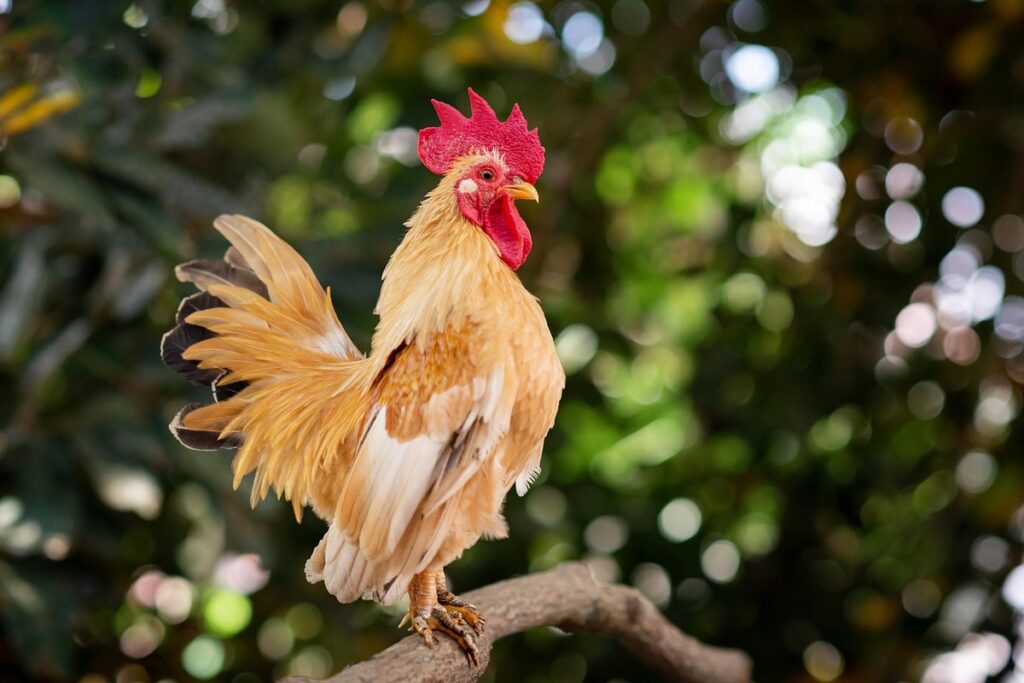
Characteristics and Types of Cockerels
Let’s dive into the wonderful world of cockerel characteristics, where we’ll explore their unique traits, personalities, and fascinating types. From comb shapes to feather patterns, you’ll discover what makes each one special.
Physical Characteristics of Cockerels
When it comes to physical characteristics, cockerels can exhibit a wide range of traits that set them apart from hens. For instance, their plumage is typically more vibrant and densely packed than hens’, with males often sporting a richer, deeper coloration. You’ll notice that the feathers on a cockerel’s neck are usually longer and more curved, creating a distinctive “saddle” shape.
In terms of size and weight, cockerels tend to be larger and heavier than their female counterparts. On average, a mature cockerel will weigh between 6-8 pounds (2.7-3.6 kg), although some breeds can reach sizes upwards of 10 pounds (4.5 kg) or more. When it comes to height, cockerels typically stand between 24-30 inches (61-76 cm) tall at the shoulder.
Other notable features include a more robust build, with males generally having larger combs and wattles than hens. Their eyes are also often brighter and more alert in appearance. When selecting a cockerel for your flock, it’s essential to consider these physical characteristics to ensure you’re getting a healthy, well-formed bird that will thrive under your care.
Breeds of Cockerels: A Brief Overview
When it comes to choosing the perfect cockerel breed for your backyard flock or farm, there are numerous options available. Some popular breeds of cockerels include the Leghorn, Plymouth Rock, and Orpington.
The Leghorn is a lightweight, egg-laying machine that’s perfect for those who want high egg production without sacrificing size or temperament. They’re known for their friendly, outgoing personalities and can thrive in small spaces. However, they can be prone to health issues if not properly cared for.
On the other hand, Plymouth Rock cockerels are gentle giants with a reputation for being docile and easy-going. They make excellent family pets due to their calm nature and can tolerate confinement well. But keep in mind that they require regular exercise and a balanced diet to maintain their weight.
The Orpington is another popular breed prized for its rich, brown eggs and stunning plumage. While they’re not as energetic as some other breeds, they still need plenty of space to roam and can be quite vocal if they feel confined.
When selecting a cockerel breed, consider your needs and lifestyle to ensure you choose the right fit for you.
Health and Nutrition for Cockerels
When it comes to raising healthy cockerels, providing them with a balanced diet is crucial. In this important section, we’ll explore their nutritional needs and tips for keeping them in top condition.
Common Health Issues in Cockerels
As a cockerel owner, it’s essential to be aware of the common health issues that can affect your feathered friend. One of the most prevalent problems is parasites, such as lice, mites, and fleas, which can cause discomfort, stress, and even lead to secondary infections if left untreated. Regular inspections and prompt treatment are crucial in preventing infestations.
Respiratory problems are another common health issue in cockerels, often caused by dust, pollen, or viral infections like avian influenza. Be aware of any changes in your bird’s breathing patterns, such as labored breathing, wheezing, or coughing. Consult a veterinarian if you notice any unusual respiratory symptoms.
Injuries can also occur due to accidents, fights with other birds, or even poor handling. Make sure your cockerel has a safe and secure enclosure, and handle him gently but firmly to prevent stressing or injuring him. Regular vaccinations and health checks can help identify potential problems early on, ensuring your bird stays healthy and happy.
Nutritional Needs of Cockerels: What to Feed
When it comes to feeding your cockerel, providing the right nutrients is crucial for their overall health and well-being. Cockerels have different nutritional needs compared to hens, so it’s essential to choose a feed that meets these specific requirements.
Look for a starter or grower feed specifically formulated for young male chickens, as they require more protein to support their rapid growth and development. A good-quality feed should contain around 18-20% protein content. You can also consider supplementing with treats like mealworms, sunflower seeds, or cracked corn, which are rich in protein and other essential nutrients.
In addition to the main feed, ensure your cockerel has access to fresh water at all times. Calcium supplements are also recommended to support strong bone growth and development. Avoid over-supplementing, as this can lead to health issues. A good rule of thumb is to provide a small amount of calcium powder (about 1-2 teaspoons per pound of feed) daily.
Remember, every cockerel is different, so observe your bird’s individual needs and adjust their diet accordingly. If you’re unsure about what to feed or supplement your cockerel with, consult with a veterinarian or experienced poultry breeder for guidance.
Behavioral Traits and Training
When it comes to raising a cockerel, understanding its unique behavioral traits is crucial for successful integration into your flock. This section will cover essential training tips to tame even the most spirited of roosters.
Temperament and Behavior of Cockerels
When it comes to understanding cockerels’ behavior and temperament, it’s essential to acknowledge that they are social birds that thrive on interaction. In their natural habitat, they live in flocks with a strict pecking order, where dominant birds lead the group. If you’re raising multiple cockerels together, it’s crucial to introduce them at a young age to prevent aggression and establish a hierarchy.
On the other hand, cockerels can also be quite solitary, especially as they mature. They may prefer to wander around their surroundings alone, exploring and foraging for food on their own terms. Providing enough space and enrichment activities is vital in keeping your cockerel happy and engaged when he’s not interacting with others.
Some breeds are naturally more docile than others. For example, the popular Silkie breed is known for its calm temperament, while some game bird breeds can be quite assertive. Knowing the characteristics of your specific breed will help you tailor your approach to their unique needs and personality traits.
Training Your Cockerel: Tips and Techniques
Training a cockerel to be friendly, tame, and manageable is crucial for both novice and experienced owners. When it comes to training a young rooster, consistency and patience are key. Start by establishing a daily routine that includes regular feeding times, exercise, and interaction with you.
Begin by letting the cockerel get used to your presence through gentle approaches, allowing him to explore his surroundings without feeling threatened. Gradually increase handling time, starting with short sessions of 10-15 minutes, to help him become accustomed to being held and petted.
To encourage tameness, introduce positive reinforcement techniques such as offering treats during interactions or after a job well done. For example, if your cockerel learns to follow you into the coop, reward him with a treat upon entering.
A good tip for novice owners is to start with small steps, observing your cockerel’s behavior and body language, and adjusting training accordingly. As they grow older, young roosters tend to become more assertive; maintaining consistency in their daily routine will help maintain their friendly nature.
Housing and Environment
When it comes to keeping cockerels, finding them a suitable place to live is crucial. Providing a safe and healthy environment for your birds is vital for their overall well-being.
Suitable Housing for Cockerels: Requirements and Considerations
When it comes to housing your cockerel, ensuring that you provide a suitable environment is crucial for its health and well-being. A good coop should be spacious enough to accommodate your rooster comfortably, with adequate room to move around and exercise.
A general rule of thumb is to allocate at least 2-4 square feet of floor space per bird, although this can vary depending on breed size and individual needs. For example, if you have a large cockerel breed like the Brahma or Cochin, you may need to provide more space, up to 6-8 square feet.
Proper ventilation is also essential to prevent ammonia buildup from droppings and keep your coop fresh. Ensure that there are adequate windows and vents for airflow, and consider adding a fan for better circulation during hot weather.
Don’t forget about predator protection! A sturdy roof and secure walls will help keep your rooster safe from potential threats like hawks, foxes, or stray dogs. Use hardware cloth or chicken wire to cover any openings and reinforce the coop with strong nails or screws.
Creating a Safe Outdoor Space for Your Cockerel
When creating an outdoor space for your cockerel to roam and exercise freely, safety should be your top priority. Cockerels are naturally curious birds that love to explore their surroundings, but they can easily get into trouble if not provided with a secure environment.
First, ensure the enclosure is escape-proof by installing sturdy fencing at least 6 feet high to prevent your cockerel from flying over. You’ll also want to cover any gaps or openings around the perimeter to keep predators out. Consider using chicken wire or hardware cloth to create a robust barrier that can withstand strong winds and other harsh weather conditions.
In addition to a secure enclosure, provide adequate shelter for your cockerel during extreme weather events such as heavy rain, intense heat, or cold snaps. A simple lean-to or covered run can provide much-needed protection from the elements. Make sure the shelter is well-ventilated and draft-free to prevent overheating or chilling.
When it comes to foraging and roaming, consider introducing a safe area where your cockerel can scratch and peck without worrying about predators or toxic substances. Use natural materials like wood chips or straw instead of gravel or sharp rocks that can cause injuries. With these simple measures in place, you’ll be able to create a safe outdoor space for your cockerel to thrive.
Breeding and Raising Cockerels
Breeding and raising cockerels can be a rewarding experience, but it requires careful consideration of their needs and environment to ensure healthy growth. Let’s dive into the specifics of breeding and raising these young males.
The Process of Breeding Cockerels: A Guide
Breeding cockerels requires careful consideration and planning to ensure the health and quality of the offspring. When selecting breeding stock, look for birds with desirable traits such as good temperament, strong plumage, and consistent egg production.
The first step is to choose a suitable male and female cockerel for mating. This involves assessing their genetic diversity and compatibility to produce healthy chicks. For example, if you want to improve the fertility of your chicks, consider pairing a rooster with a hen that has demonstrated good reproductive health in previous seasons.
Once you’ve selected your breeding stock, it’s time to plan the mating process. Cockers should be introduced to each other at around 6-8 months old, allowing them to establish a bond and reducing stress during the breeding season. Ensure that both birds have access to adequate food, water, and shelter throughout this period.
After successful mating, incubation begins. Place the fertile eggs in an incubator set between 99°F and 100°F (37°C to 38°C) with humidity levels of 50-60%. It’s essential to monitor temperature fluctuations closely to guarantee optimal development of the embryos.
Raising Chicks and Pullets: From Hatching to Maturity
Raising healthy chicks and pullets is a crucial step in ensuring they grow into mature, productive hens or roosters. When bringing home new chicks, it’s essential to provide them with a safe and suitable environment. Start by setting up a brooder with adequate ventilation, heat, and lighting. A good rule of thumb is to provide 1/4 square foot of space per chick.
As the chicks grow into pullets (around 16-20 weeks old), you’ll need to transition them to a larger enclosure or run. Make sure their new environment provides enough space for exercise and movement. A general guideline is to allocate at least 2-3 square feet per bird indoors, and 8-10 square feet outdoors.
Feeding and watering systems should also be in place to ensure the birds’ nutritional needs are met. Consider using automated feeders and waterers to reduce waste and simplify care. Provide a balanced diet that includes layers mash or pellets from day-old, supplemented with fresh fruits and vegetables as they grow.
Monitor your chicks’ health closely for signs of disease or injury. Practice good hygiene by washing hands frequently, cleaning equipment regularly, and disinfecting the coop and run as needed.
Frequently Asked Questions
What’s the ideal time frame for training my cockerel to avoid behavioral problems?
Training your cockerel is an ongoing process, but it’s essential to start as soon as possible, ideally from 12-18 weeks of age. Be patient and consistent in your approach, setting clear boundaries and rewarding good behavior.
Can I keep multiple cockerels together in a small backyard coop without any issues?
While it’s tempting to keep them together, this can lead to dominance battles and stress for the birds. If you must keep multiple males, ensure the coop is large enough (at least 4-5 square feet per bird) and provide separate areas for feeding, nesting, and roosting.
How often should I inspect my cockerel’s living quarters to prevent health issues?
Regular inspections are crucial in maintaining a healthy environment. Set aside time each week to check for signs of pests, disease, or stress, ensuring adequate ventilation, cleaning, and waste management. This will help prevent common health issues like respiratory problems.
What are some telltale signs that my cockerel is not getting enough protein in his diet?
A lack of essential nutrients can lead to weight loss, dull plumage, and poor feather growth. Monitor your cockerel’s overall condition, watching for decreased energy levels, lethargy, or changes in droppings (diarrhea or constipation). Consult with a veterinarian if you notice any unusual symptoms.
Can I use free-range strategies with cockerels, or do they require more restrictive housing?
While some breeds may tolerate free-ranging, others can be prone to escaping, fighting, or getting injured. It’s best to consider their specific breed characteristics and needs before introducing them to free-ranging, ensuring a secure outdoor enclosure that meets their exercise requirements.
How can I encourage breeding success in my cockerel flock without disrupting the social dynamic?
Achieving successful breeding requires balancing individual personalities with the need for genetic diversity. Introduce new birds gradually, monitoring behavior and adjusting your approach as needed. Focus on providing a stress-free environment, adequate nutrition, and suitable housing to promote overall health and fertility.
What’s the best way to manage cockerel aggression towards humans or other animals?
Addressing aggression promptly is crucial in maintaining a peaceful coop environment. Identify underlying causes (e.g., territorial behavior, fear), then implement strategies like gradual exposure to people/animals, positive reinforcement training, and rewarding calm behavior.
How often should I trim my cockerel’s beak to prevent overgrowth?
Beak trimming typically occurs every 6-8 weeks for breeds with rapid growth rates. Monitor your cockerel’s beak closely, taking action before it becomes overgrown and causing discomfort or injury.
Can I mix different breeds of cockerels in the same coop, or will this lead to compatibility issues?
While some breeds can coexist harmoniously, introducing multiple breeds without careful consideration can result in fighting, stress, and reduced egg production. Research breed characteristics before mixing them, aiming for compatible temperaments and energy levels.