
If you’re looking to diversify your backyard flock or upgrade your egg-laying routine, you might want to consider Polish chickens. Not only are they known for their distinctive crest and gentle nature, but they also produce some of the most sought-after eggs around. With their rich nutritional content and vibrant orange yolks, Polish chicken eggs have become a favorite among health-conscious cooks and bakers.
But before you bring home these charming birds, there are several factors to consider. From breed-specific characteristics to tips on raising healthy Polish chickens, we’ve got you covered. In this ultimate guide, we’ll delve into the world of Polish chicken eggs, covering everything from their nutritional benefits to expert advice on collecting fresh eggs. Whether you’re a seasoned farmer or just starting out, our comprehensive overview will have you well-equipped to get started with your very own Polish chicken flock.
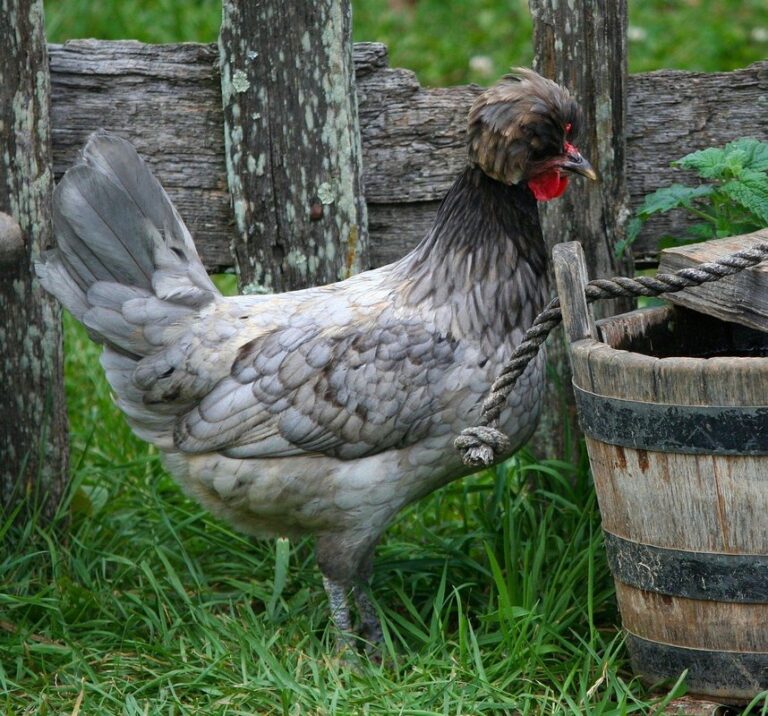
What Are Polish Chicken Eggs?
Polish chicken eggs are a popular choice for many backyard chicken keepers, but what exactly sets them apart from other types of eggs? Let’s dive into their unique characteristics.
Origin and History of Polish Chicken Breeds
Polish chicken breeds have a rich history dating back to the 17th century when they were first introduced to Europe from Asia. These birds are known for their unique characteristics, including their crested heads, beards, and muffs. They were highly prized by royal courts in England and other parts of Europe due to their beautiful plumage and distinctive appearance.
One of the most recognizable Polish chicken breeds is the Polish Orpington, which was developed in the late 19th century in England. This breed is known for its large size, gentle temperament, and rich brown eggs. Another popular Polish breed is the Polish Frizzle, which is prized for its unique frizzled feathers that give it a distinctive appearance.
Polish chickens are also valued for their hardiness and ability to thrive in a variety of climates and living conditions. They are a good choice for backyard chicken keepers due to their friendly nature and docile behavior around children. If you’re considering adding Polish chickens to your flock, be sure to research the specific needs and characteristics of each breed to ensure you provide the best possible care.
Polish chickens are also known for their high egg production, with some breeds laying up to 200 large brown eggs per year. With proper care and management, these birds can provide a steady supply of fresh eggs for your family.
Characteristics of Polish Chickens
Polish chickens have become a favorite among backyard chicken keepers due to their unique combination of physical and temperamental characteristics. One of the most notable traits is their friendly nature. They are known for being docile, gentle, and social birds that thrive on human interaction.
In addition to their charming personalities, Polish chickens are also skilled egg layers. On average, they produce around 200-220 brown eggs per year, making them a reliable choice for those looking to supplement their family’s egg needs. Their relatively small size, weighing in at around 2 pounds, also makes them an excellent choice for smaller backyards or coops.
Another characteristic that sets Polish chickens apart is their beautiful, crested heads and V-shaped combs, which add to their endearing appearance. With proper care and attention, Polish chickens can live up to 10 years, providing years of entertainment and egg production for their owners. Overall, it’s no wonder why Polish chickens remain a popular choice among backyard chicken enthusiasts – their friendly nature and impressive egg-laying abilities make them an ideal addition to any flock.
Health Benefits of Eating Polish Chicken Eggs
When you crack open a Polish chicken egg, you’re not just getting a delicious meal, but also reaping some amazing health benefits that set these eggs apart from others. Let’s take a closer look!
Nutritional Content of Polish Chicken Eggs
Polish chicken eggs are an excellent source of high-quality protein, essential for building and repairing muscles. One large egg from a Polish chicken contains about 6 grams of protein, making it an ideal option for athletes, bodybuilders, or individuals following a fitness regimen. The protein found in Polish chicken eggs is also highly bioavailable, meaning that the body can easily absorb and utilize its amino acid content.
In addition to protein, Polish chicken eggs are rich in various vitamins and minerals that are vital for human health. For instance, they contain vitamin D, which plays a crucial role in maintaining strong bones and immune function. A single large egg from a Polish chicken also provides about 6% of the recommended daily intake of iron, an essential nutrient for transporting oxygen throughout the body.
To maximize the nutritional benefits of Polish chicken eggs, it’s recommended to consume them whole, with the yolk intact. The yolk is where most of the fat-soluble vitamins, including vitamin D and E, are found. Additionally, cooking eggs lightly or boiling them can help preserve their nutrient content compared to frying or overcooking them.
Potential Allergenicity and Safety Considerations
When it comes to consuming Polish chicken eggs, there are some potential allergens and safety considerations that you should be aware of. One of the main concerns is the presence of allergenic proteins such as ovomucoid and ovotransferrin. These proteins can cause an allergic reaction in some individuals, leading to symptoms like hives, itching, and difficulty breathing.
According to Food Allergy Research & Education (FARE), approximately 1% of children and 0.5% of adults in the United States have a confirmed egg allergy. If you’re allergic to eggs or have concerns about potential allergens, it’s essential to consult with your doctor or healthcare provider before consuming Polish chicken eggs.
To minimize the risk of an allergic reaction, you can also take some precautions when handling and cooking Polish chicken eggs. For example, make sure to wash your hands thoroughly after touching raw eggs, and use a clean utensil to crack them open. Additionally, if you’re planning to bake or cook with Polish chicken eggs, ensure that they are cooked through to an internal temperature of at least 160°F (71°C) to reduce the risk of foodborne illness.
Raising Polish Chickens for Eggs
If you’re new to raising backyard chickens, this is a great place to start learning how to care for your Polish hens and encourage them to lay eggs. We’ll cover the essentials of egg production in this next section.
Housing Requirements for Polish Chickens
When it comes to housing requirements for Polish chickens, there are several key considerations to keep in mind. First and foremost, make sure you have a coop that’s specifically designed with this breed in mind. Polish chickens need plenty of space to roam and exercise, so aim for a coop size of at least 2-3 square feet per bird.
Ventilation is also crucial – Polish chickens can be prone to respiratory issues if their living quarters are too stuffy or humid. Ensure that your coop has adequate airflow by installing windows, vents, or even a small fan. This will help keep the air circulating and prevent moisture buildup.
Another important consideration is predator protection. Since Polish chickens are relatively small, they can be vulnerable to predators like foxes, raccoons, or hawks. To protect them, consider adding hardware cloth around the coop’s perimeter or using strong fencing around the run. This will give your birds a safe and secure place to scratch, peck, and lay eggs.
In terms of specifics, a good rule of thumb is to allocate about 10% of your flock size in square footage for the coop itself. For example, if you have five Polish chickens, aim for a coop that’s at least 20-30 square feet. Remember, this will give them ample room to move around and stretch their wings – an essential aspect of happy, healthy chicken-keeping!
Feeding and Nutrition for Polish Chickens
When it comes to feeding and nutrition for Polish chickens, it’s essential to provide them with a well-balanced diet that meets their specific needs. These birds require a high-quality layer feed that is formulated specifically for egg-laying hens. Look for feeds that contain around 16-18% protein, as this will help support egg production.
In addition to their main feed, you can supplement your Polish chickens’ diet with fresh fruits and vegetables. Offer leafy greens like kale and spinach, as well as juicy fruits like berries and apples. However, avoid giving them foods high in sugar or fat, such as chocolate or greasy meats.
Some common mistakes to avoid when feeding your Polish chickens include overfeeding, which can lead to obesity and related health issues. Also, make sure to provide fresh water at all times, as dehydration can quickly become a problem. Finally, be aware of the risk of parasites in your flock and take steps to prevent them by using medicated feed or providing a calcium supplement.
Remember, every chicken is different, so monitor their individual needs and adjust their diet accordingly.
Tips for Collecting Eggs Laid by Polish Chickens
When it comes to collecting eggs from your Polish chickens, a few simple tips can make all the difference in ensuring a safe and efficient process. Let’s dive into some expert advice on getting started!
Egg Collection and Storage Best Practices
Collecting eggs from Polish chickens requires attention to detail to ensure their safety and quality. To do this effectively, gather a clean container specifically for egg collection to prevent cross-contamination. Wear gloves when handling eggs to minimize the risk of transferring bacteria.
When collecting eggs, always inspect them gently but thoroughly for any visible cracks or broken shells. Cracked eggs can be washed in cold water, but their quality and safety may be compromised. Handle eggs carefully to avoid accidental breaks, which can lead to contamination.
For storing collected eggs, maintain a consistent refrigerator temperature between 39°F and 41°F (4°C and 5°C). Store them in a covered container or carton to prevent moisture buildup. Eggs should not be washed before refrigeration; instead, wash them just before consumption to remove any dirt or debris. It’s also essential to keep the eggs pointed end down to prevent yolks from breaking.
Regularly check your stored eggs for any signs of spoilage, such as visible cracks, unusual odors, or slimy textures.
Identifying Healthy vs. Infertile Eggs
When it comes to collecting eggs from your Polish chickens, it’s essential to identify which ones are healthy and fertile. A healthy egg is a sign of a happy and thriving flock, but an infertile egg can be a cause for concern.
To determine if an egg is healthy or infertile, look for signs of fertility such as:
* A firm, smooth shell
* No visible cracks or breaks in the shell
* A clean and dry appearance
On the other hand, common causes of infertility include:
* Old age: Hens over 5 years old may experience declining fertility
* Nutritional deficiencies: Lack of essential nutrients like calcium and protein can affect egg production and fertility
* Health issues: Respiratory problems, parasites, or bacterial infections can impact a hen’s ability to produce fertile eggs
To increase the chances of collecting healthy and fertile eggs, make sure your hens have access to fresh water, balanced feed, and regular veterinary check-ups. By maintaining a healthy flock and providing optimal living conditions, you’ll be more likely to collect high-quality eggs that are ready for incubation or consumption. Regularly monitoring egg production and fertility can also help you identify any issues early on.
Breed-Specific Considerations for Polish Chickens
When it comes to raising Polish chickens, there are some essential breed-specific considerations to keep in mind, especially when it comes to their unique egg-laying abilities. Let’s dive into what you need to know.
Common Health Issues in Polish Chickens
Polish chickens are prone to certain health issues that can affect their well-being and productivity. One common problem is respiratory distress, often caused by their compact build and short beak. This makes it difficult for them to breathe properly, especially during hot or humid weather conditions. To mitigate this issue, make sure your Polish chickens have adequate ventilation in their coop and run, as well as easy access to clean water.
Another concern is feather pecking disorders, where the birds excessively peck at each other’s feathers, leading to damage and stress. This can be caused by nutritional deficiencies or boredom. To prevent this, provide a balanced diet that meets your Polish chickens’ nutritional needs, and ensure they have plenty of space to roam and engage in natural behaviors.
Additionally, Polish chickens are also susceptible to Marek’s disease, a viral condition that affects the nervous system. To reduce the risk of infection, maintain good biosecurity practices, such as keeping your coop clean and disinfected, and avoiding contact with other flocks that may be carrying the virus.
Managing Stress and Behavior in Polish Chickens
Managing stress and behavior in Polish chickens is crucial for their overall well-being and egg production. These birds can be prone to aggression, especially during breeding season or when competing for resources. To reduce aggression, provide a spacious coop with adequate nesting boxes and perches. Ensure there are no overcrowding issues, as this can exacerbate existing problems.
Offering a variety of toys and activities will also help alleviate stress. Rotate these items regularly to keep your chickens engaged and stimulated. Some popular options include puzzle feeders, treat-dispensing toys, and scratching posts. Fresh air and sunlight exposure can also have a calming effect on Polish chickens.
To improve egg production, consider providing a calcium-rich diet and ensuring adequate light exposure (14-16 hours of daylight or artificial lighting). Regular health checks with your veterinarian will help identify any underlying issues contributing to stress or decreased egg-laying. By implementing these strategies, you can create a more harmonious and productive environment for your Polish chickens.
Frequently Asked Questions
Can I keep Polish chickens indoors, or do they require outdoor space?
Polish chickens need a balance of indoor and outdoor living spaces to thrive. While they can tolerate some confinement, it’s essential to provide them with enough room for exercise and movement outside. A minimum of 2-3 square feet per bird is recommended for outdoor runs, but ensure the coop provides adequate ventilation and protection from predators.
How often should I collect eggs laid by my Polish chickens?
Collecting eggs regularly will help maintain a clean and healthy environment in your coop. Aim to check for new eggs daily, especially during peak production periods (usually 280-300 days). Be gentle when collecting eggs to avoid cracking the shells and making them more prone to contamination.
What are some common health issues I should be aware of in Polish chickens?
As with any breed, Polish chickens can be susceptible to certain health issues. Common problems include respiratory infections, parasites, and reproductive disorders. Regular vaccinations, parasite control measures, and monitoring your flock’s overall health will help prevent or identify these conditions early on.
Can I feed my Polish chickens a free-range diet without supplementation?
While providing fresh vegetables and fruits is beneficial for your Polish chickens’ nutritional needs, it’s crucial to supplement their diet with essential nutrients. Free-range diets may not provide enough calcium, protein, or other vital minerals necessary for egg production and overall health. Consult with a veterinarian or poultry expert to determine the best feeding plan for your flock.
What are some breed-specific considerations when introducing Polish chickens to my existing flock?
When integrating new birds into an established flock, it’s essential to consider their temperament, size, and potential conflicts. Polish chickens are known for their friendly nature but may have specific needs or requirements in regards to social hierarchy, space allocation, and potential aggression issues. Observe your flock dynamics before introducing new birds and ensure adequate space and resources for all members.