
Are you considering adding a new feathered friend to your backyard flock? Look no further than the iconic Plymouth Rock chicken hen. This hardy breed has been a favorite among chicken enthusiasts for generations, and for good reason. With its rich history dating back to 19th-century America, the Plymouth Rock has become synonymous with rugged resilience and impressive egg-laying abilities. But what makes this bird so special? In this comprehensive guide, we’ll delve into the characteristics that make the Plymouth Rock hen a top choice for backyard farmers and seasoned breeders alike. We’ll cover its origins, unique traits, and expert tips on how to care for these remarkable birds, ensuring you’re well-equipped to provide the best possible life for your new flock member.
History and Origin
The Plymouth Rock chicken hen has a rich history dating back to the early 19th century, when it was first bred in New England. Let’s explore its fascinating origins together!
Early Development of the Breed
The Plymouth Rock chicken breed has its roots in the early 19th century United States. Developed from crossbreeding various breeds such as Dominiques and Cochin, the aim was to create a hardy and prolific layer that could thrive on small farms. In 1844, William Roussel, a Massachusetts farmer, is credited with creating the first Plymouth Rock chicken by crossing White Rocks with other farm-fresh eggs.
By the mid-1800s, the breed had gained popularity among farmers due to its impressive egg-laying abilities and friendly temperament. One of the key characteristics that set the Plymouth Rock apart was its incredible foraging ability, allowing it to thrive on small farms with limited resources. Farmers valued this trait as it reduced their feed costs and allowed them to maintain a productive flock.
The breed’s popularity continued to grow throughout the late 19th century, with many farmers incorporating the Plymouth Rock into their flocks. Its versatility, friendly nature, and impressive laying abilities made it an ideal choice for small-scale farming operations.
Founding Father’s Influence
One of the most fascinating aspects of the Plymouth Rock chicken breed is its roots in American history. Specifically, we can thank William Pierce, a Massachusetts farmer from the early 19th century, for playing a significant role in developing this hardy and productive bird. Pierce’s vision was to create a chicken that could thrive in New England’s rugged climate, where harsh winters and variable weather patterns made it challenging for farmers to raise chickens.
Pierce’s efforts involved selectively breeding various breeds to create the perfect combination of traits. He crossed the Cochin and Java fowl with other local birds, focusing on developing a breed that was both hardy and prolific egg-layer. The result was a chicken that not only excelled in terms of fertility but also proved remarkably resilient in the face of disease.
Pierce’s influence can still be seen today in the Plymouth Rock chicken’s robust build and impressive egg-laying abilities. If you’re looking to raise your own flock, remember that Pierce’s emphasis on selective breeding highlights the importance of patience and dedication when developing a high-quality breed.
Characteristics and Temperament
The Plymouth Rock chicken hen is a friendly, outgoing bird known for its docile nature and ability to thrive in a variety of living situations. Let’s take a closer look at its unique characteristics.
Physical Traits and Appearance
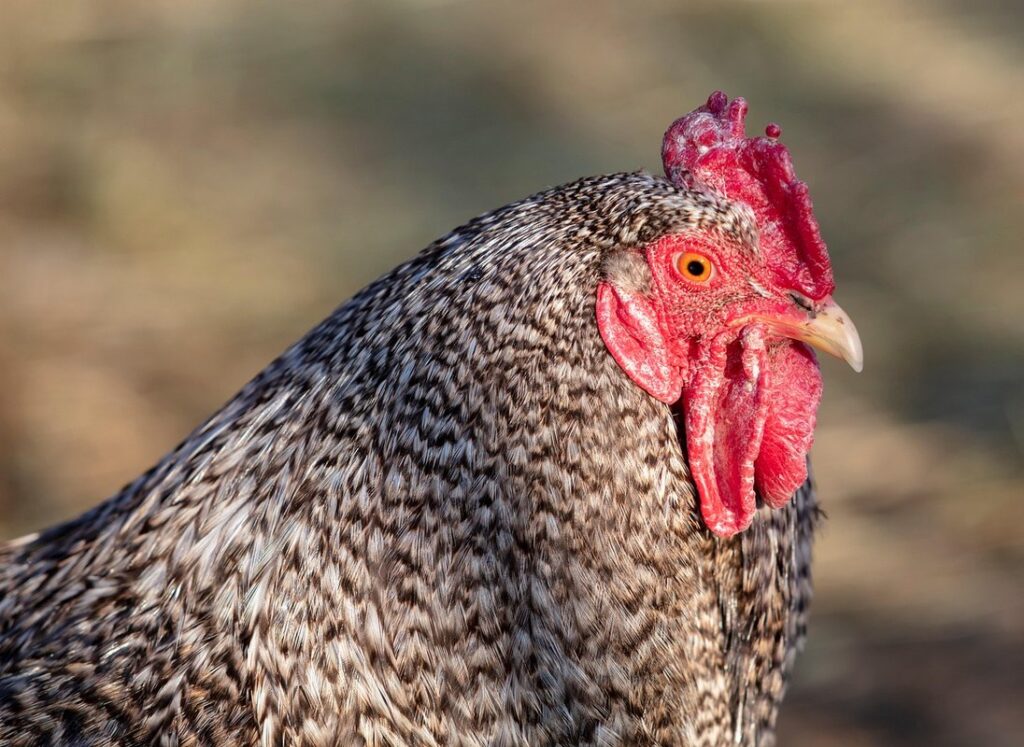
When it comes to their physical traits and appearance, Plymouth Rock chickens are known for their distinctive characteristics. One of the most notable features is their plumage, which can vary depending on the specific breed within the group. Some have a single comb and clean legs, while others may have a rose comb or bearded faces.
In terms of size, Plymouth Rock hens tend to be medium-sized birds, with some weighing up to 8 pounds (3.6 kg). They have a sturdy build and a broad, rounded body shape that’s often described as “chunky.” Their wings are relatively short compared to their body length, but they’re still capable of flying short distances.
If you’re planning to keep Plymouth Rock hens in your backyard flock, it’s worth noting that their size and temperament make them an excellent choice for families or beginners. They’re also relatively easy to handle due to their calm and gentle nature.
When selecting a Plymouth Rock hen, look for birds with good feathering, clean legs, and no signs of illness or injury. With proper care and attention, these beautiful birds will reward you with years of enjoyable companionship and egg-laying productivity.
Personality and Behavior
When it comes to personality and behavior, Plymouth Rock hens are often described as gentle giants. They possess a docile nature that makes them an excellent choice for backyard flocks and families with children. This calm temperament is one of the reasons why many farmers and enthusiasts prefer them.
One of the notable characteristics of Plymouth Rock hens is their intelligence. They are known to be curious and love to explore their surroundings, which can sometimes get them into trouble if not properly supervised. However, this curiosity also makes them highly trainable, allowing owners to teach them tricks and commands with ease.
Their adaptability to different environments is another notable aspect of Plymouth Rock hens’ behavior. They thrive in a variety of settings, from small backyards to large farms, as long as they receive proper care and attention. With patience and consistency, these hens can become an integral part of your family’s daily routine, providing endless entertainment and joy.
In fact, with their gentle nature and high trainability, Plymouth Rock hens are often used in 4-H programs and other educational settings to teach children about animal care and responsibility.
Health and Wellness
Taking care of your Plymouth Rock Chicken Hen is crucial for its health and longevity, so let’s dive into some essential tips for maintaining optimal wellness.
Genetic Predispositions and Common Issues
As you care for your Plymouth Rock chickens, it’s essential to be aware of potential health issues that may arise due to genetic predispositions. One common concern is the breed’s susceptibility to Marek’s disease, a viral condition that can cause tumors, paralysis, and death. While vaccines are available, it’s crucial to maintain good flock hygiene and take preventative measures.
Another issue affecting Plymouth Rock chickens is respiratory problems, which can be caused by genetics or environmental factors. Factors such as high temperatures, poor ventilation, and moisture levels in the coop can exacerbate conditions like bronchitis and tracheitis. Regular cleaning of the coop, proper feeding, and monitoring for signs of illness are vital to maintaining your flock’s health.
Furthermore, Plymouth Rock chickens may be prone to certain nutritional deficiencies, particularly when it comes to calcium and vitamin D3. Ensure that you’re providing a balanced diet with adequate supplements to prevent issues like softening of bones or rickets. Monitor your birds’ overall health, watch for signs of distress, and consult with a veterinarian if you notice any unusual symptoms or behaviors.
Nutrition and Dietary Requirements
When it comes to feeding your Plymouth Rock hens, understanding their nutritional needs and dietary requirements is crucial for their overall health and well-being. These birds are omnivores, which means they require a balanced diet that includes a mix of grains, proteins, fruits, and vegetables.
A good starting point is to provide high-quality commercial layer feed as the main staple of your hens’ diet. However, you’ll also want to supplement this with fresh produce, such as leafy greens like kale and spinach, as well as occasional treats like apples and carrots. It’s essential to ensure a varied diet that includes a mix of calcium-rich foods, such as oyster shells or crushed eggshells, to support strong bone health.
Aim to provide around 1/4 cup of layer feed per hen per day, with an additional 1-2 cups of fresh produce scattered throughout the enclosure. Remember to always provide clean water and ensure that your hens have access to a calcium source at all times. By following these guidelines, you’ll be able to create a balanced diet for your Plymouth Rock hens that supports their overall health and well-being.
Breeding and Management
If you’re planning to raise Plymouth Rock chickens, understanding their breeding and management needs is crucial for a successful flock. This section will cover essential tips on how to care for your hens.
Raising Chicks and Pullets
Raising Plymouth Rock chicks and pullets requires attention to their housing, nutrition, and health considerations. When it comes to housing, provide a safe and clean environment for the young birds. A brooder with adequate ventilation is ideal for the first few weeks. Make sure the temperature is around 90-100°F (32-38°C) for the first week, gradually decreasing by 5°F (3°C) each week.
Nutrition plays a crucial role in the growth and development of Plymouth Rock chicks and pullets. Feed them a starter feed with a balanced mix of protein, energy, and essential nutrients from day one. At around four to six weeks, transition them to a grower feed that’s higher in protein. Make sure fresh water is always available.
Regular health checks are necessary to prevent diseases such as coccidiosis and respiratory infections. Keep an eye out for signs of illness like lethargy, ruffled feathers, or labored breathing. Practice good biosecurity by cleaning the coop regularly and separating sick birds from the rest of the flock. Consult with a veterinarian if you notice any unusual symptoms.
Monitor their growth rate and adjust feed accordingly to ensure optimal development. With proper care and attention, your Plymouth Rock chicks will thrive into healthy pullets ready for laying eggs.
Egg-Laying Capacity and Productivity
When it comes to egg-laying capacity, Plymouth Rock hens are considered one of the most productive breeds. On average, a healthy Plymouth Rock hen will lay around 200-280 brown eggs per year, with some exceptional hens producing up to 300 or more.
To maximize your hens’ productivity, make sure they’re getting enough protein in their diet – a minimum of 16% is recommended for egg-laying breeds. Provide access to fresh water and a balanced feed that meets their nutritional needs. Regular exercise and adequate space to roam will also contribute to healthy egg production.
Consider the age of your hens as well – most Plymouth Rock hens begin laying eggs at around 18-20 weeks, with peak production occurring between 1-2 years of age. Keep an eye on individual hen performance, separating those that lag behind in production for extra attention and supplements if needed.
Monitoring your flock’s overall health and adjusting their care routine accordingly will help maintain optimal egg-laying capacity.
Uses and Suitability
When considering bringing a Plymouth Rock chicken hen into your backyard flock, it’s essential to think about how you’ll use her and whether she’s a good fit for your lifestyle. Let’s explore some key factors to consider.
Backyard Flocks and Homesteads
If you’re considering adding Plymouth Rock chickens to your backyard flock or homestead, you’ll be pleased to know that they thrive in a variety of settings. Their hardiness and adaptability make them an excellent choice for small-scale farmers and homesteaders.
Their rugged constitution allows them to tolerate temperature extremes, from -20°F to 100°F (-29°C to 38°C), making them well-suited for cold climates or areas with hot summers. They’re also relatively low-maintenance birds, tolerating moderate amounts of dust, dirt, and grime without becoming too stressed.
Plymouth Rock chickens are also prolific egg layers, producing an average of 200-300 large brown eggs per year. This makes them a great choice for families or small-scale farmers looking to supplement their food supply. In addition to their impressive egg production, they’re also friendly and docile birds, making them a pleasure to raise and interact with.
When choosing Plymouth Rock chickens for your homestead, be sure to consider the space you have available. They require about 3-4 square feet per bird in the coop and 8-10 square feet per bird in the run. With proper care and management, these hardy birds will reward you with years of loyal service and delicious eggs.
Commercial Production and Breeding
Plymouth Rock hens have become increasingly popular among commercial breeders due to their impressive characteristics and benefits. Their hardiness, fertility, and excellent mothering abilities make them an ideal choice for large-scale production. One of the primary reasons breeders opt for Plymouth Rocks is their genetic diversity, which helps maintain a healthy flock.
In commercial settings, Plymouth Rock hens are often used as mothers in incubation programs to hatch chicks from other breeds. This not only ensures a steady supply of chicks but also contributes to the overall genetic diversity of the flocks. Many breeders appreciate the ease with which these birds adapt to different environments and can thrive under varying management conditions.
To incorporate Plymouth Rock hens into your commercial breeding program, consider cross-breeding them with other breeds to produce offspring with desirable traits such as disease resistance or improved egg production. Regular health checks and proper record-keeping are essential to ensure the well-being of these birds and maintain a high-quality flock.
Conclusion
Now that you’ve learned everything there is to know about Plymouth Rock chickens, let’s summarize what makes them a great choice for backyard flocks and families.
Recap of Key Points and Takeaways
In reviewing our discussion on the Plymouth Rock chicken hen, it’s essential to recap the key points and takeaways. By doing so, you’ll have a comprehensive understanding of this popular breed.
Let’s begin with its origins: the Plymouth Rock was developed in the 1800s through cross-breeding efforts between Cochins and Dominiques. This unique blend resulted in a robust bird known for its friendly nature, making it an excellent choice for families or backyard flocks. One key aspect to consider when raising Plymouth Rocks is their size; hens typically weigh around 7-8 pounds, while roosters can reach up to 10 pounds.
Another crucial point to note is that Plymouth Rock chickens are prolific egg layers, producing approximately 200 brown eggs per year. This characteristic makes them an excellent choice for households seeking a reliable source of fresh eggs. Their gentle nature also makes them well-suited for children or those with limited experience in raising poultry.
In terms of health and maintenance, Plymouth Rocks are relatively low-maintenance birds, requiring only basic care such as regular feeding, watering, and coop cleaning. They’re also hardy against diseases and parasites, making them a popular choice among backyard chicken enthusiasts.
To ensure you get the most out of your Plymouth Rock hens, remember to provide them with adequate space for exercise and foraging. This can be achieved by incorporating a dedicated run or free-range area into their coop design. By following these simple guidelines and caring for your birds attentively, you’ll enjoy years of companionship and egg-laying success from your Plymouth Rock chickens.
By reviewing the key points outlined above, you’re now equipped to confidently introduce Plymouth Rock chickens into your backyard flock or family farm. Remember to prioritize their unique needs and characteristics, and with proper care, these friendly birds will reward you with years of enjoyment and productivity.
Frequently Asked Questions
Can I keep Plymouth Rock chickens as pets if I don’t have a large backyard?
Yes, while Plymouth Rocks are known for their egg-laying abilities, they can thrive in smaller spaces as long as you provide adequate shelter, food, and care. Consider incorporating a chicken coop or run to ensure your birds’ well-being.
How do I introduce new Plymouth Rock hens to an existing flock, especially if there are dominant birds?
Introducing new birds requires patience and planning. Start by separating the new hens from the rest of the flock for a few days to allow them to adjust. Then, gradually integrate them into the main coop, supervising interactions closely.
What specific dietary needs should I prioritize when feeding my Plymouth Rock chickens during different stages of life?
Plymouth Rocks require a balanced diet with adequate protein, calcium, and vitamins throughout their lives. As they grow from chicks to laying hens, consider adjusting feed types or adding supplements to ensure optimal health and egg production.
Can Plymouth Rock chickens tolerate extreme temperatures, such as heatwaves or freezing winters?
Yes, due to their hardy origins, Plymouth Rocks are relatively resilient to temperature fluctuations. However, it’s essential to provide adequate ventilation, shade, and shelter during hot spells and insulate coops during cold periods to keep your flock safe.
How can I tell if a Plymouth Rock hen is a purebred or a crossbreed?
Verify the bird’s pedigree through documentation from reputable breeders or registries like the American Poultry Association. Look for distinctive characteristics such as earlobe type, comb shape, and feather pattern to help distinguish between purebreds and crossbreeds.