
Are you looking for a friendly and prolific breed to join your backyard flock? The Black Plymouth Rock chicken is an excellent choice for families, beginners, or experienced farmers alike. This hardy breed has been a favorite among farmers and homesteaders for generations, prized for its gentle nature and impressive egg-laying abilities. But what makes the Black Plymouth Rock so special, and how can you ensure your flock thrives? In this comprehensive guide, we’ll delve into the history of the breed, explore their temperament and health considerations, discuss their nutrition needs, and examine their remarkable egg-laying abilities. Whether you’re a seasoned farmer or just starting out, get ready to learn everything you need to know about raising happy and healthy Black Plymouth Rock chickens.
Introduction to the Breed
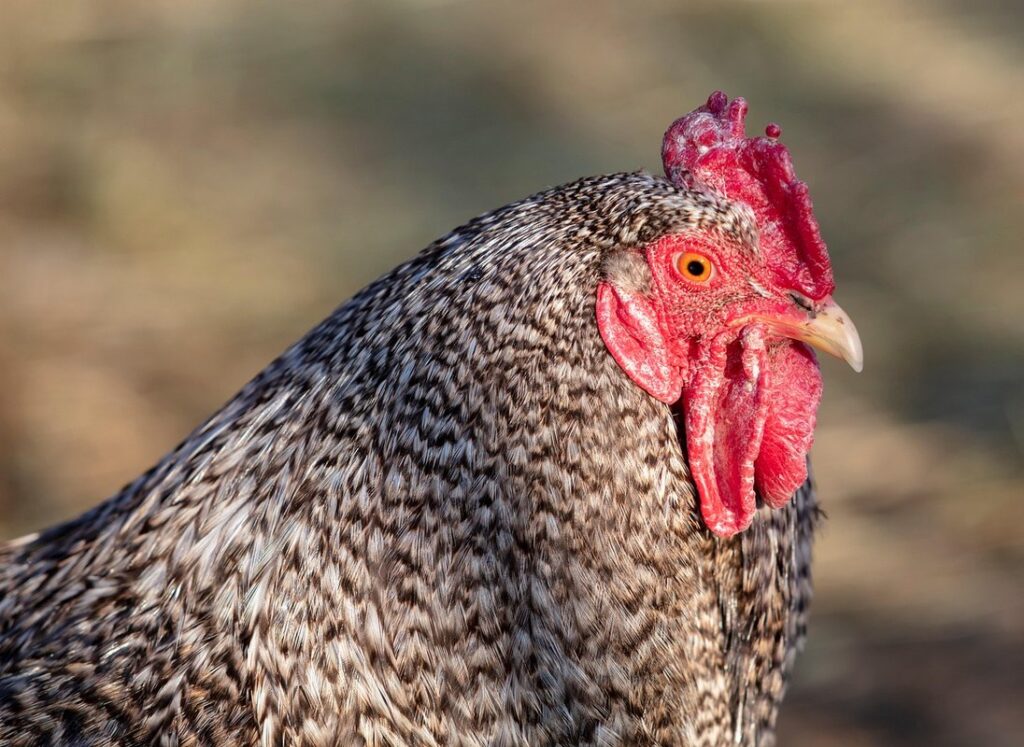
The Black Plymouth Rock chicken is a beloved breed for backyard flocks and small-scale farmers alike, known for its friendly and hardy nature. Let’s dive into what makes this breed so special.
Origin and History of the Black Plymouth Rock Chicken
The Black Plymouth Rock chicken has its roots in the United States, where it was developed in the late 19th century. The breed’s origins can be traced back to the crossing of various game fowl breeds, including the Cochin, Brahma, and Langshan. The resulting birds were known for their hardiness, fertility, and fast growth rate.
In the early 1900s, a breeder named William Tripp began to select and breed these cross-bred birds with the intention of creating a dual-purpose chicken. He aimed to produce a bird that could thrive in both hot and cold climates, as well as excel in egg production and meat quality. The result was the Plymouth Rock chicken, which quickly gained popularity among farmers due to its impressive traits.
Interestingly, the Black Plymouth Rock is not simply a color variant of the Plymouth Rock breed. It has distinct characteristics that set it apart from its lighter counterparts. Its dark plumage, for instance, helps protect it from extreme temperatures and makes it an excellent choice for small-scale farming operations.
Key Characteristics of the Black Plymouth Rock Chicken
The Black Plymouth Rock chicken is easily recognizable due to its distinctive characteristics. In terms of size, these birds are medium to large, with roosters weighing around 8-10 pounds and hens reaching a weight of 6-7 pounds. This size makes them suitable for small farms or backyard flocks where space may be limited.
One notable feature of the Black Plymouth Rock is its impressive egg-laying abilities. Hens in this breed can produce up to 300 large brown eggs per year, making them an excellent choice for families or individuals looking for a reliable source of fresh eggs.
In terms of temperament, the Black Plymouth Rock chicken is known for being friendly and docile. They are easy-going birds that get along well with other chickens and even with children. This makes them an ideal breed for beginners or those who want to raise chickens in close proximity to their living space.
When selecting a breed, consider factors such as egg production and temperament, as they may be the deciding factor for your needs.
Temperament and Personality
When it comes to their personality, Black Plymouth Rock chickens are known for being friendly, social birds that make great additions to any backyard flock. They’re also surprisingly affectionate and enjoy human interaction.
Overview of the Black Plymouth Rock’s Friendly Nature
The Black Plymouth Rock is renowned for its exceptionally friendly and docile nature, making them an ideal choice for families and beginners alike. This breed’s temperament is one of the primary reasons they’ve become so popular among backyard chicken keepers.
When it comes to interacting with their human family members, Black Plymouth Rocks are often described as “lap chickens.” They adore being close to their owners and will frequently nuzzle, cuddle, and even perch on laps. This affectionate nature makes them an excellent choice for families with children, as they’re gentle and patient enough to tolerate handling from kids.
Their docile personality also extends to other animals in the household. Black Plymouth Rocks tend to get along well with dogs, cats, and even other chickens, making them a great addition to multi-pet households. However, as with any breed, it’s essential to socialize your birds properly to ensure they interact harmoniously with their surroundings.
Their calm demeanor also makes them less prone to stress, which is beneficial for backyard flocks where space can be limited. Overall, the Black Plymouth Rock’s friendly nature is a testament to its adaptability and suitability as a companion chicken breed.
Training and Handling Tips for Your Black Plymouth Rock Chicken
Building trust and confidence with your Black Plymouth Rock chicken requires patience, consistency, and positive reinforcement. Start by letting them get used to your presence, voice, and movements at their own pace. Begin with short sessions of gentle interaction, such as offering treats or stroking their feathers.
As they become more comfortable, you can gradually introduce handling techniques like lifting, carrying, and restraining. It’s essential to support the chicken’s body and keep it secure, especially when handling them by the wings. Be mindful of their individual personalities; some may be more receptive to handling than others.
For example, if your Black Plymouth Rock chicken is hesitant to take treats from you, try placing them near their favorite food or water source. This can help associate your presence with positive experiences. When lifting, always support the legs and body, rather than just scooping up the wings. By following these steps and being patient, you can build a strong bond with your Black Plymouth Rock chicken, making handling and training a more enjoyable experience for both of you.
Health Considerations and Common Issues
When bringing home a new flock, it’s essential to be aware of potential health concerns that can affect your Black Plymouth Rock chickens. This section will cover some common issues you might encounter.
Understanding the Breed’s Genetic Predispositions
When it comes to the Black Plymouth Rock chicken breed, there are some potential health issues that you should be aware of. One common problem is obesity, which can lead to a range of other health concerns such as heart disease and diabetes. This is often caused by overfeeding or lack of exercise, so making sure your birds get enough space to move around and a balanced diet is crucial.
Reproductive problems are also more prevalent in this breed than some others. Hens may experience difficulties laying eggs, and roosters may have fertility issues. This can be due to genetics, but also often as a result of poor breeding or nutrition practices. Ensuring your birds receive adequate care and attention from a young age can help prevent these issues.
To mitigate the risk of these health concerns, it’s essential to work with reputable breeders who prioritize the welfare of their birds. Regular veterinary check-ups are also vital to catch any potential problems early on. Keeping an eye out for warning signs such as changes in appetite or egg-laying habits will allow you to take swift action if needed. By being proactive and aware of these potential issues, you can help keep your Black Plymouth Rock flock healthy and thriving.
Tips for Maintaining Your Black Plymouth Rock Chicken’s Health
To keep your Black Plymouth Rock chicken healthy and thriving, it’s essential to provide them with a balanced diet that meets their nutritional needs. A mix of commercial feed and fresh vegetables like leafy greens, carrots, and sweet potatoes will help maintain their overall health. However, avoid giving them avocado as it can cause anemia due to its high fat content.
In addition to a nutritious diet, ensure your chicken gets enough exercise through regular free-range time in a secure area. This will not only keep them physically active but also mentally stimulated. A good rule of thumb is to provide at least 2-3 hours of outdoor time daily during the warmer months and limit it to 1 hour during winter.
Another crucial aspect of maintaining your Black Plymouth Rock chicken’s health is regular check-ups with a veterinarian. This will help identify any potential issues early on, preventing more severe problems from developing. Some common health concerns in this breed include respiratory infections and parasites, so be sure to monitor their droppings and overall behavior closely.
Nutrition and Diet for Black Plymouth Rock Chickens
When it comes to keeping your Black Plymouth Rock chickens healthy, providing a balanced diet is crucial. This section will cover everything you need to know about their nutritional requirements.
Understanding Their Dietary Needs
When it comes to ensuring your Black Plymouth Rock chickens are getting the nutrients they need, understanding their dietary requirements is crucial. These birds require a diet rich in protein to maintain their robust health and high egg production.
Start by providing your flock with access to fresh water at all times. This may seem obvious, but it’s essential for their overall well-being. A good rule of thumb is to provide one ounce of water per pound of body weight daily. For example, a 3-pound chicken would require about three ounces of water each day.
In terms of feed, Black Plymouth Rocks are opportunistic eaters and will consume just about anything they can get their beaks on. However, for optimal health and egg production, you’ll want to provide them with a balanced layer feed that’s formulated specifically for their nutritional needs. This type of feed typically contains around 16-18% protein, which is essential for maintaining your flock’s energy levels.
To supplement their diet, consider adding fruits and vegetables to their feed. Leafy greens like kale and spinach are excellent sources of vitamins A and E, while carrots provide a boost of vitamin A. Berries such as blueberries and strawberries offer antioxidants that can help support overall health.
Sample Diets and Meal Plans for Your Black Plymouth Rock Chicken
When it comes to providing a well-balanced diet for your Black Plymouth Rock chicken, there are several sample diets and meal plans you can follow. One such example is the layer feed diet, which consists of a mix of grains, proteins, and vitamins. This diet provides around 16-18% protein, 1.5-2% calcium, and 0.5-1% phosphorus.
Another option is to create your own custom meal plan using fresh fruits and vegetables. Some excellent choices include leafy greens like kale and spinach, as well as carrots and sweet potatoes. For example, you can feed your chicken a mix of one cup of oats, one-half cup of barley, and one-quarter cup of sunflower seeds, supplemented with fresh vegetables.
You can also provide treats such as mealworms or crickets for added protein and calcium. However, be sure to introduce these foods gradually to prevent digestive upset. Always ensure access to clean water and a balanced diet to keep your Black Plymouth Rock chicken healthy and happy.
Egg Production and Care
If you’re raising Black Plymouth Rock chickens for eggs, proper care and management are crucial for their health and productivity. In this next part, we’ll cover the essential tips on egg production and care.
Understanding the Breed’s Egg-Laying Abilities
The Black Plymouth Rock chicken is renowned for its exceptional egg-laying abilities, making it an excellent choice for backyard chicken keepers and commercial farmers alike. On average, a healthy Black Plymouth Rock hen can produce around 280-300 large brown eggs per year, with some individuals reaching as high as 320 eggs annually.
One of the key factors contributing to their prolific egg production is their robust physical health. Black Plymouth Rocks are known for their hardiness and resistance to diseases, which allows them to maintain a consistent level of productivity throughout the year. Additionally, they are prolific breeders, often producing multiple clutches per year.
If you’re looking to maximize your Black Plymouth Rock’s egg-laying potential, it’s essential to provide them with a balanced diet rich in calcium and protein. Ensure access to fresh water at all times and maintain a clean living environment to minimize stress and promote overall health. With proper care and management, your Black Plymouth Rock hens can continue to deliver impressive egg production numbers year after year.
Tips for Collecting and Storing Eggs from Your Black Plymouth Rock Chicken
When it’s time to collect eggs from your Black Plymouth Rock chicken, it’s essential to do so safely and humanely. Start by making sure you’re approaching the coop calmly and quietly, as sudden movements can startle your birds and cause them to stop laying eggs for a while. To collect eggs gently, place one hand under each end of the egg to support its weight and prevent breakage.
For storing eggs in optimal conditions, keep them in their original carton or a carton specifically designed for egg storage, with the pointed end facing down. Store the eggs in the coldest part of your refrigerator at a consistent temperature below 40°F (4°C). Make sure to store them away from strong-smelling foods like fish and vegetables, as these odors can transfer to the eggs.
When storing large quantities of eggs, consider using an egg storage container that maintains humidity levels and keeps eggs from getting crushed. Label the container with the date you collected the eggs so you can keep track of how long they’ve been stored. Regularly check on your stored eggs for any signs of spoilage or cracking, and use them within a week or two to ensure their quality and safety.
Conclusion: Bringing Home Your Black Plymouth Rock Chicken
Now that you’ve decided to bring home a black Plymouth Rock chicken, it’s time to finalize the details and get ready for your new feathered friend. Here’s what you need to know.
Preparing Your Flock or Backyard for a New Addition
When bringing home your new Black Plymouth Rock chicken, it’s essential to prepare your existing flock or backyard for a smooth transition. This will ensure that both your new addition and the rest of the flock feel safe and comfortable.
To create a welcoming environment, start by introducing your new chicken gradually. Begin by keeping them in separate enclosures, allowing them to get used to each other’s presence, sights, and sounds without the pressure of an immediate face-to-face encounter. You can achieve this by providing visual access through a fence or mesh screen between their respective areas.
When it’s time for the introduction, do so under close supervision. Release your new chicken into the main enclosure first, allowing them to establish dominance and claim resources before introducing the existing flock members one at a time. Reward calm behavior with treats to encourage positive interactions.
Another crucial aspect is ensuring your backyard or coop meets the needs of all chickens. This includes providing adequate space per bird, shelter from predators and harsh weather conditions, clean water and feeding areas, as well as hiding places for each individual. If you have multiple roosting bars, consider installing more to accommodate the increased number of birds.
Considerations such as social hierarchy, resource availability, and physical space should guide your planning process. By understanding these dynamics and taking proactive steps to address them, you’ll create a harmonious environment where all chickens can thrive together safely.
Frequently Asked Questions
Can Black Plymouth Rock chickens be used for meat production as well?
Yes, while the breed is primarily known for its egg-laying abilities, they can also provide a source of meat when raised to maturity. However, if you’re planning to raise them specifically for meat, it’s essential to ensure they have adequate space and nutrition to support their growth.
How do I handle broody Black Plymouth Rock hens?
Black Plymouth Rock chickens are known to go broody frequently, which can be challenging for some owners. To encourage non-broodiness, provide a separate nesting box per 3-4 hens, ensure adequate light and exercise, and avoid separating the hen from her chicks immediately after incubation.
Are Black Plymouth Rock chickens suitable for small backyard flocks?
Yes, the breed is an excellent choice for small-scale farmers or those with limited space. Their hardy nature and adaptability make them perfect for smaller flocks, and they require minimal maintenance compared to other breeds.
Can I mix Black Plymouth Rocks with other breeds in my flock?
While it’s possible to mix the breed with others, compatibility issues may arise due to their strong personalities. Introduce new birds slowly and under close supervision to minimize stress on both existing and new members of your flock.
How often should I collect eggs from my Black Plymouth Rock chickens?
Egg production peaks between 18-24 months of age for Black Plymouth Rocks. Collect eggs daily or at least every other day to maintain cleanliness, reduce the risk of breakage, and ensure optimal egg quality. Store collected eggs in a cool, dry place to preserve their freshness.