
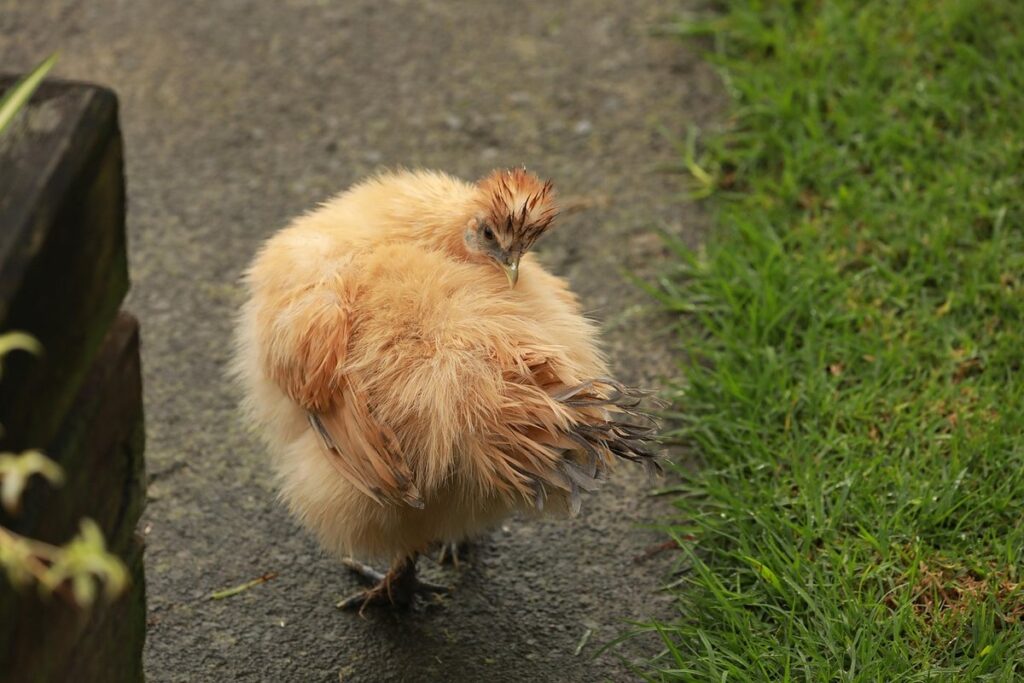
Are you ready to fall in love with one of the most charming breeds of chickens out there? Look no further than the Buff Orpington Bantam! These adorable birds have captured the hearts of many chicken enthusiasts, and it’s easy to see why. With their fluffy golden feathers, friendly disposition, and small size, they make perfect pets for beginners or experienced owners alike.
In this article, we’ll take a closer look at the history, characteristics, health, breeding, and showing of these lovable birds. You’ll learn about their origins, how to identify them, and what to expect when it comes to caring for one. Whether you’re a seasoned chicken keeper or just starting out, our comprehensive guide will give you all the information you need to make informed decisions and enjoy your Buff Orpington Bantam experience.
History and Origins of the Buff Orpington Bantam
The origins of the buff orpington bantam are shrouded in history, with some theories dating back to 19th-century England. Let’s explore how this charming breed came to be.
Early Development and Breeding History
The Buff Orpington Bantam breed has its roots in the early 20th century when breeders began experimenting with miniature versions of popular large breeds. In the 1900s, George Mottrom, a renowned poultry breeder from England, successfully developed the first miniature Orpington roosters. He crossed these small birds with other breeds to create a larger flock and eventually introduced them to the public.
Mottrom’s goal was to create a bantam breed that combined the friendly nature of the Orpington with a smaller stature. To achieve this, he selectively bred his flocks for desirable characteristics such as size, temperament, and plumage quality. This deliberate breeding program laid the foundation for what would become the Buff Orpington Bantam we know today.
The early development of the breed was focused on producing birds that were robust yet compact, with a unique buff-colored feathering. Breeders at the time sought to emphasize these distinctive traits while minimizing undesirable characteristics like aggression or excessive shyness. The end result was a charming and affectionate bird that captivated backyard chicken enthusiasts worldwide.
The breeding history of the Buff Orpington Bantam is marked by dedication, trial-and-error experimentation, and meticulous record-keeping. Mottrom’s innovative approach not only created a new breed but also set a precedent for responsible and selective breeding practices within the poultry industry. Today, many breeders continue to honor his legacy by preserving the integrity of this beloved breed while pushing the boundaries of its potential through ongoing development and refinement.
Key Characteristics and Traits
The Buff Orpington Bantam breed is known for its exceptional characteristics and traits that make it an excellent addition to any backyard flock. One of the most notable features of this breed is its compact size, with adult birds weighing between 1.5 to 2 pounds and standing about 6-8 inches tall. Despite their small stature, Buff Orpington Bantams are robust and sturdy, making them a great choice for families with children or for those who want a low-maintenance pet.
Their fluffy, golden-buff plumage is another defining characteristic of the breed, requiring regular grooming to prevent matting and tangling. These birds are also known for their friendly and docile nature, making them an excellent choice for beginners or for adding to an existing flock. With proper care and attention, Buff Orpington Bantams can live up to 10-12 years, providing endless hours of entertainment and companionship.
When selecting a Buff Orpington Bantam, look for birds with bright, inquisitive eyes and a friendly demeanor. They should also have a compact, rounded body type with a straight or slightly curved beak. With their unique combination of size, temperament, and appearance, it’s no wonder why the Buff Orpington Bantam has become a favorite among backyard chicken enthusiasts.
Breed Standards and Characteristics
When it comes to buff Orpington bantam chickens, understanding their breed standards and characteristics is essential for any aspiring owner. Here, we’ll explore what makes this adorable breed truly special.
Size and Weight Requirements
When it comes to Buff Orpington Bantams, you’ll want to make sure you’re meeting the standard size and weight requirements for this breed. According to the American Poultry Association (APA), Buff Orpington Bantam hens should weigh between 1.8 and 2.3 pounds (0.8 to 1 kg), while roosters should weigh between 2.1 and 2.6 pounds (1 kg to 1.2 kg).
For show or exhibition purposes, it’s essential to ensure that your Buff Orpington Bantam meets the exact weight requirements specified by the breed association you’re participating in. For example, if you’re showing your bird under APA rules, you’ll need to verify its weight against their standards.
To check your bird’s weight, use a poultry scale specifically designed for weighing chickens. It’s also crucial to note that Buff Orpington Bantams can vary significantly in size and weight depending on factors like genetics, nutrition, and overall health. By knowing the breed standard requirements, you’ll be better equipped to provide optimal care and attention to your birds.
In addition to meeting the weight requirements, it’s also essential to ensure your bird is within the acceptable range for size. According to the APA, Buff Orpington Bantams should have a compact, rounded body with a deep chest and well-sprung ribs. They should also have a broad back and a well-rounded tail carried high.
Plumage and Feathering
The Buff Orpington Bantam is known for its stunning plumage and feathering characteristics. One of the most distinctive features of this breed is its rich, golden-brown coat, which gives them their characteristic “buff” color. The feathers on a Buff Orpington Bantam are long and flowing, with a beautiful texture that’s both soft to the touch and resilient against the elements.
In terms of feathering characteristics, Buff Orpington Bantams typically have a good amount of feathers on their legs and feet, which helps keep them warm in cooler weather. Their wings are also well-feathered, with a nice spread when flapped for flight or display purposes. When it comes to grooming, Buff Orpington Bantams require regular attention to prevent matting and tangling, especially around the neck and back.
Some breeders recommend starting with weekly brushing sessions as soon as your Buff Orpington Bantam is old enough to handle gently. As they mature, you can gradually reduce the frequency of grooming sessions while still making sure to keep an eye out for any potential issues with feathering or matting.
Temperament and Personality
When it comes to temperament and personality, Buff Orpington Bantams are known for their gentle and affectionate nature. They make excellent pets for families with children, as well as for experienced backyard chicken keepers looking for a low-maintenance companion.
One of the standout traits of Buff Orpington Bantams is their docile demeanor. They are not aggressive and will often tolerate handling and attention from people. In fact, they tend to form strong bonds with their owners, making them great lap chickens. However, this doesn’t mean they won’t assert themselves if they feel threatened or scared.
If you’re considering bringing a Buff Orpington Bantam into your home, it’s essential to provide a safe and secure environment for them to thrive. This includes a spacious coop with adequate ventilation, as well as a secure run where they can exercise and engage in natural behaviors. With proper care and attention, Buff Orpington Bantams will reward you with years of companionship and entertainment. They’re relatively quiet birds, so they won’t disturb neighbors or family members – just be prepared for the occasional friendly cluck!
Health Considerations and Care
When it comes to caring for your buff Orpington bantam, understanding their specific health needs is crucial. Let’s explore some essential considerations to keep your feathered friend happy and healthy.
Common Health Issues
As the proud owner of a Buff Orpington Bantam chicken, it’s essential to be aware of common health issues that may affect your feathered friend. Genetic factors can play a significant role in determining the overall health of your bird, and Buff Orpingtons are no exception.
One common issue affecting Buff Orpingtons is Marek’s disease, a viral infection caused by a herpesvirus. This condition can lead to symptoms such as diarrhea, lethargy, and death. However, with proper vaccination and care, the risk of contracting Marek’s disease can be significantly reduced.
Environmental factors also contribute to health issues in Buff Orpingtons. For instance, extreme temperatures, poor ventilation, and inadequate nutrition can all take a toll on your bird’s overall well-being. Make sure to provide your Buff Orpington with a clean, spacious living area and a balanced diet that includes plenty of fresh fruits and vegetables.
Regular check-ups with a veterinarian and maintaining a clean coop are also crucial in preventing common health issues in Buff Orpingtons. By being proactive and taking steps to address potential health concerns, you can help ensure your bird leads a long and happy life.
Nutrition and Diet Requirements
When it comes to providing optimal care for your Buff Orpington Bantam, their nutrition and diet requirements are crucial. These little birds have specific needs that must be met to ensure they lead happy and healthy lives.
Buff Orpington Bantams require a balanced diet rich in protein, vitamins, and minerals. A good quality commercial chicken feed should form the basis of their diet, with a mix of grains, proteins, and vegetables. You can also supplement their diet with fresh fruits and vegetables, such as leafy greens like kale and spinach, and carrots.
It’s essential to provide fresh water at all times, and ensure it’s changed regularly to prevent bacterial growth. Avoid overfeeding, as this can lead to obesity and other health issues. A general rule of thumb is to feed your Buff Orpington Bantam 1-2% of their body weight in food daily.
In terms of specific dietary needs, these birds require around 16-18% protein, with a calcium content of about 2%. You can achieve this by mixing different types of grains and supplements. For example, you can add crushed oyster shells to provide additional calcium. By meeting your Buff Orpington Bantam’s nutritional requirements, you’ll be well on the way to raising happy and healthy birds.
Breeding and Raising Buff Orpington Bantam Chicks
When it comes to raising buff orpington bantam chicks, understanding their unique needs is crucial for a healthy and thriving flock. This section will guide you through breeding and raising these adorable birds from day one.
Choosing the Right Parent Stock
When selecting parent stock for your Buff Orpington Bantam breeding program, it’s essential to consider several factors to ensure the quality and consistency of your offspring. The parent birds you choose will have a significant impact on the characteristics, temperament, and overall health of your chicks.
First and foremost, look for birds that are purebred or as close to purebred as possible. This means selecting individuals with a proven Buff Orpington Bantam heritage, free from crossbreeding or interbreeding with other breeds. You can verify this through registration papers or breeder documentation.
Next, evaluate the physical characteristics of your parent stock, such as plumage quality, egg-laying ability, and growth rate. Healthy birds with good feathering, strong bone structure, and a robust immune system will produce offspring that exhibit these same traits.
It’s also crucial to assess the temperament and docility of your parent birds. A calm and gentle nature is desirable in Buff Orpington Bantams, making them an excellent choice for backyard flocks or families with children.
Hatching and Brooding Techniques
When it’s time to bring new life into your Buff Orpington Bantam flock, understanding the hatching and brooding process is crucial for raising healthy chicks. Hatching involves the incubation of fertilized eggs outside of a hen’s body, while brooding encompasses the care and nourishment of newly hatched chicks.
To successfully hatch Buff Orpington Bantam chicks, it’s essential to maintain a consistent temperature between 99°F and 100°F (37.2°C to 37.8°C) during the first 24 hours after incubation starts. Monitor the eggs closely for signs of pip or pipping, which typically occurs when the chick cracks its eggshell to breathe.
Once chicks have hatched, move them to a brooder with adequate ventilation and a controlled temperature range between 90°F and 95°F (32°C to 35°C). Provide a heat source, such as a heat lamp or ceramic heat emitters, and ensure access to a shallow water dish for drinking. It’s also crucial to maintain humidity levels above 50% in the brooder to prevent dehydration.
To reduce mortality rates during brooding, monitor chick health closely, ensuring they have adequate food, water, and a clean environment.
Showing and Exhibiting Buff Orpington Bantams
If you’re planning to show your buff orpington bantam, you’ll want to learn how to properly prepare them for exhibition. This section will walk you through the process.
Preparation and Training
When preparing and training Buff Orpington Bantams for show or exhibition purposes, it’s essential to consider their temperament, age, and overall health. Start by introducing your birds to a variety of environments, people, and situations to help them become confident and calm in the face of new stimuli.
Training should begin early, ideally from 6-8 weeks old, when the chicks are still developing their social skills. Start with simple tasks such as nail trimming, beak trimming, and gentle handling to get your birds accustomed to human interaction.
As you progress, focus on more specific show-ring skills like standing quietly, responding to commands, and walking calmly on a leash. Practice these exercises regularly, making sure to reward good behavior with treats and praise. Additionally, make sure your Buff Orpington Bantams are up-to-date on all vaccinations and health checks before entering any exhibition.
By investing time and effort into preparation and training, you can help your Buff Orpington Bantams become confident and well-behaved show birds that will showcase their breed’s unique characteristics to the best advantage. With patience and consistency, you’ll be well-prepared for a successful showing experience.
Competition Rules and Regulations
When participating in showing and exhibiting Buff Orpington Bantams, it’s essential to familiarize yourself with the competition rules and regulations. These guidelines vary depending on the organization hosting the event, so be sure to check with the specific show you plan to enter.
In general, most shows follow a similar set of rules regarding breed standards, temperament, and overall health of the birds. For example, Buff Orpington Bantams must meet the American Poultry Association’s (APA) breed standard, which includes specific requirements for size, plumage, beak shape, and egg-laying ability.
To ensure your bird meets these standards, pay close attention to its development during the first few months of life. Start with young chicks, keeping an eye on their growth rate and overall health. As they mature, observe their behavior and temperament, ensuring they’re friendly and docile. Keep detailed records of vaccinations, feed, and health checks to demonstrate your bird’s well-being.
Familiarize yourself with the show’s rules regarding entry requirements, payment deadlines, and submission procedures for entry forms and photos of your Buff Orpington Bantam.
Conclusion: Why You Should Consider Keeping a Buff Orpington Bantam
Now that you’ve learned all about the wonderful characteristics and benefits of buff orpington bantams, let’s discuss why they’re a great addition to your flock. They offer so much more than just their adorable appearance!
The Rewards of Owning a Buff Orpington Bantam
As you’ve learned throughout this blog post, Buff Orpington Bantams are delightful companions that bring joy and entertainment to your backyard. But beyond their charming personalities, these birds offer a range of rewards that make them an excellent addition to any flock.
For one, Buff Orpington Bantams are relatively low-maintenance pets. They require less space than standard-sized chickens, making them perfect for small backyards or urban gardens. Plus, they’re friendly and social, so you can enjoy their company without feeling overwhelmed by noise or mess. With proper care, these birds can thrive in even the smallest of spaces.
Another benefit of owning a Buff Orpington Bantam is their remarkable egg-laying abilities. Despite their small size, these hens can produce up to 180 eggs per year – that’s about 5-6 eggs per week! This means you’ll have plenty of fresh eggs for breakfast, baking, or cooking without having to rely on store-bought varieties.
Their unique characteristics also make them a delight to watch and interact with. Buff Orpington Bantams are known for their soft, fluffy feathers and golden-brown coats, which require minimal grooming. Plus, they’re relatively quiet compared to other breeds, so you won’t have to worry about disturbing the neighbors.
If you’re new to chicken keeping or looking to add some variety to your flock, a Buff Orpington Bantam is an excellent choice. Not only will they provide entertainment and companionship, but they’ll also offer a reliable source of fresh eggs and a low-maintenance addition to your backyard. With their charming personalities and impressive abilities, it’s no wonder why Buff Orpington Bantams are quickly becoming one of the most popular breeds among backyard chicken keepers.
In terms of care and maintenance, here are some practical tips to get you started:
* Provide a spacious coop with adequate ventilation and protection from predators
* Offer a balanced diet that includes high-quality layer feed and fresh fruits and vegetables
* Ensure access to clean water and a dust bath for relaxation
* Handle them gently but regularly to encourage socialization and trust
Frequently Asked Questions
Can I keep Buff Orpington Bantams indoors with small children?
Yes, these birds are known for their friendly and gentle nature, making them a great fit for families with kids. However, it’s essential to ensure that your home is chicken-proofed to prevent any damage or accidents. Provide a safe and spacious area for your bantam to roam, and establish clear rules for interacting with the bird.
How often do Buff Orpington Bantams need social interaction?
As social animals, they require regular interaction to stay happy and healthy. Aim to spend at least 30 minutes per day with your bantam, engaging in activities like feeding, grooming, or simply playing together. This will help strengthen the bond between you and your bird.
What are some common health issues I should be aware of?
Buff Orpington Bantams can be prone to certain health issues, such as respiratory problems, egg binding, and broodiness. Regular check-ups with a veterinarian and maintaining a clean living environment can help prevent or detect these conditions early on.
Can I keep multiple Buff Orpington Bantam roosters together?
While it’s possible to keep multiple roosters, it’s crucial to introduce them slowly and under close supervision to avoid any aggression issues. A general rule of thumb is to keep no more than two roosters per flock, and ensure that they are well-spaced and provided with enough resources.
How long does it take for a Buff Orpington Bantam to mature?
Buff Orpington Bantams typically reach maturity at around 20-24 weeks of age. However, some individuals may take longer to fully develop their adult plumage and characteristics. Be patient and provide your bantam with the necessary care and nutrition during this period.