
Are you thinking of welcoming some feathered friends to your backyard or farm? If so, you’re probably wondering about the different types of ducklings that are perfect for you. With over 120 breeds to choose from, it can be overwhelming to decide which ones will thrive in your environment. But don’t worry, this article is here to help! We’ll delve into the fascinating world of ducklings, exploring their unique characteristics, breeding habits, and nutritional needs. From Khaki Campbells to Muscovy ducks, we’ll cover various types, including their temperaments, growth rates, and health considerations. Whether you’re a seasoned farmer or an enthusiastic hobbyist, this article will provide you with valuable insights on how to raise happy and healthy ducklings that will bring joy to your family for years to come.
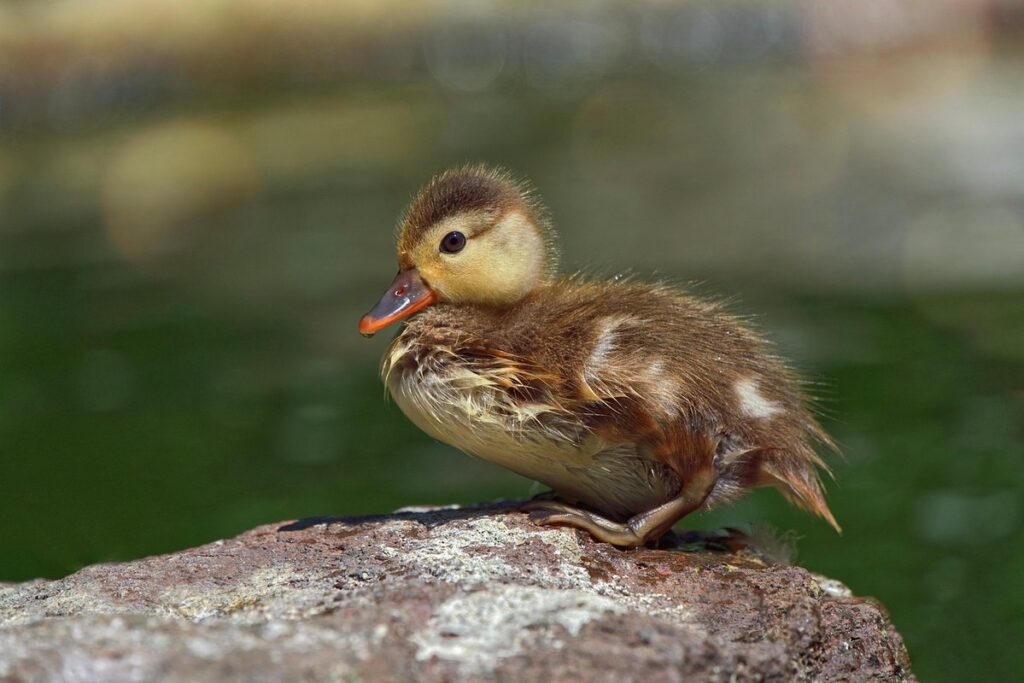
Classification and Characteristics
As we explore the wonderful world of ducklings, let’s dive into their classification and characteristics, which can vary significantly between breeds. From size to temperament, each type has its unique traits.
Molt Patterns in Ducklings
As you observe your ducklings growing and developing their unique characteristics, one fascinating aspect to note is their molt patterns. Molt refers to the process of shedding old feathers and replacing them with new ones, which is essential for growth and renewal.
Ducklings typically undergo several molts in their first year, with each molt cycle occurring at distinct times. The most notable pattern is the post-hatch molt, which takes place within the first few weeks after hatching. During this time, ducklings will often lose all or nearly all of their down feathers, only to be replaced by soft, fluffy contour feathers.
In general, molting in ducklings can occur as frequently as every 4-6 weeks during the first year. However, it’s essential to monitor your ducklings’ overall health and well-being, as excessive molting can be a sign of stress or nutritional deficiencies. By providing a balanced diet rich in nutrients and maintaining a clean living environment, you can help support healthy molt patterns and ensure your ducklings develop into robust, thriving waterfowl.
Keep in mind that different breeds may exhibit variations in their molt cycles, so it’s crucial to research the specific needs of your duck breed.
Genetic Factors Influencing Plumage Coloration
When it comes to duckling breeds, one of the most striking features is their plumage coloration. But have you ever wondered what drives these diverse colors and patterns? It all starts with genetics.
Genetic factors play a crucial role in determining the plumage coloration of ducklings. The genes that control feather pigmentation are located on specific chromosomes, and when inherited from parents, they interact to produce unique coat colors. For instance, the gene responsible for yellow pigment production is inherited as a dominant trait, while the gene controlling red pigment is recessive.
Understanding genetic influences can help breeders predict and select for desirable traits. By analyzing the genetic makeup of their ducks, they can identify potential color patterns and combinations. This knowledge also allows breeders to make informed decisions about breeding programs, aiming to introduce new colors or enhance existing ones.
In many breeds, specific genetic markers are associated with unique plumage features. For example, the ” barred” pattern in Khaki Campbell ducks is linked to a particular allelic combination. By recognizing these genetic correlations, breeders can work towards refining their flock’s characteristics and creating even more stunning color variations.
Breed-Specific Characteristics
Each duck breed has its own unique characteristics, and understanding these traits will help you choose the right type for your backyard flock. Let’s dive into the fascinating differences between various breeds.
Muscovy Ducklings: Unique Features
Muscovy ducklings are easily recognizable from their first day of life due to several unique features. At birth, they are relatively small, weighing around 3-4 ounces (80-120 grams), and measuring about 6-7 inches (15-18 cm) in length. This compact size allows them to fit comfortably under their mother’s wings for warmth and protection.
One of the most notable characteristics of Muscovy ducklings is their rapid growth rate. They can grow up to 1 inch (2.5 cm) per day, making them one of the fastest-growing duck breeds. By the time they reach 6-8 weeks old, Muscovy ducklings are already about half the size of adult Muscovies.
In terms of feather development, Muscovy ducklings hatch without any down feathers, unlike most other duck breeds. Instead, they have a soft, hair-like covering on their bodies that serves as insulation until their real feathers grow in around 2-3 weeks old. This unique characteristic makes them appear almost naked at birth, but don’t worry – their feathers will soon grow in, and they’ll be looking like miniature versions of their parents in no time.
Khaki Campbell Ducklings: Traits and Temperament
Khaki Campbell ducklings are known for their exceptional adaptability and impressive egg-laying abilities. One of their most notable traits is their ability to thrive in a variety of environments. They can comfortably live in small backyards, as long as there’s enough space to roam around, or on larger farms with plenty of room to forage.
In terms of temperament, Khaki Campbell ducklings are friendly and docile, making them an excellent choice for families with children or first-time duck owners. However, they can be quite territorial and may require additional attention during the breeding season to ensure a harmonious flock dynamic.
As your Khaki Campbell ducklings grow into adults, you’ll soon discover their remarkable egg-laying capabilities. On average, a healthy Khaki Campbell hen will lay around 300 eggs per year, with some producing up to 320 or more in optimal conditions. To maximize your flock’s productivity, provide them with a balanced diet rich in calcium and ensure they have access to clean, fresh water at all times.
Their egg-laying prowess is matched only by their ability to adapt to changing circumstances. With proper care and attention, Khaki Campbell ducks can become an integral part of any backyard or farm ecosystem.
Hybridization and Crossbreeding
Hybrid ducklings are created by crossing different breeds, resulting in unique characteristics and traits that can be either desirable or challenging to manage. Let’s dive into some of the most interesting hybrid combinations out there.
Effects on Duckling Growth Rates
When it comes to hybridization and crossbreeding, one of the most significant concerns is its impact on duckling growth rates. Hybrid ducks, being a combination of two different breeds, can exhibit varying characteristics that may affect their development.
Research has shown that hybridization can lead to improved growth rates in some cases, particularly when combining breeds with high-growth potential. For instance, crossing a Muscovy duck with a Pekin duck resulted in offspring that reached market weight 10-14 days faster than purebred Muscovy ducks. However, this accelerated growth comes with a trade-off: increased susceptibility to disease and reduced fertility.
To minimize the risks associated with hybridization, breeders often focus on selecting breeds with balanced genetics that promote healthy growth while maintaining desirable traits. It’s essential for duck keepers to understand their flock’s specific needs and adapt their care accordingly. For example, providing adequate space, nutrition, and veterinary care can help mitigate the negative effects of hybridization on duckling growth rates.
When raising hybrid ducks, it’s crucial to monitor their health closely and adjust your management strategies as needed. This may involve adjusting feeding schedules, exercise routines, or implementing preventative measures against common diseases. By doing so, you can ensure that your flock grows at a healthy pace while minimizing the risks associated with hybridization.
Potential Benefits and Drawbacks of Crossbreeding
When it comes to crossbreeding ducklings, you may be wondering if this practice has its benefits and drawbacks. Let’s dive into the potential advantages and disadvantages of mixing different duck breeds.
Crossbreeding can result in improved egg production, which is a significant benefit for backyard farmers or small-scale duck raisers. By combining high-egg-laying breeds with those known for their robust health, you may be able to increase your overall output while reducing the risk of disease. For instance, crossing a Muscovy duck (known for its large eggs) with a Khaki Campbell (recognized for its prolific egg laying) can create offspring that excel in both areas.
However, crossbreeding also introduces some risks. Disease resistance may not be as effective if the parents are not immune to specific diseases themselves. Temperament-wise, crossbred ducklings might not inherit the best traits from either parent, potentially resulting in aggression or shyness issues. To minimize these drawbacks, it’s essential to research the breeds you’re working with and choose parents that complement each other well.
Health Considerations for Ducklings
When bringing home a new batch of ducklings, it’s essential to consider their health needs from day one, including proper nutrition and disease prevention. You’ll want to be prepared to provide the best possible start in life for your feathered friends.
Common Health Issues Affecting Ducklings
Ducklings are susceptible to various health issues that can be caused by a combination of genetic predisposition, environmental factors, and poor management. Respiratory problems are one of the most common health issues affecting ducklings, especially those raised indoors or in poorly ventilated areas. Pneumonia and bronchitis can occur due to bacterial infections or viral outbreaks.
Parasites such as mites, lice, and fleas can infest ducklings, causing discomfort, stress, and anemia. Regular monitoring of your duckling’s droppings and feathers is crucial in detecting the presence of parasites. Treatment options include medicated powders, sprays, or dips that can be applied to the affected area.
Nutritional deficiencies are another significant concern for ducklings. A diet lacking essential vitamins and minerals can lead to growth stunting, poor feather development, and weakened immune systems. Ensure your ducklings have access to a balanced diet that includes high-quality commercial feed, fresh fruits, and vegetables, and clean water at all times.
Regular health checks with a veterinarian are vital for early detection of any potential issues and preventing the spread of disease among your flock.
Preventative Measures for Healthy Growth
When it comes to raising healthy ducklings, taking preventative measures is crucial for their overall growth and development. Nutrition plays a vital role in this process. Make sure the ducklings have access to clean, fresh water at all times. A balanced diet rich in protein, calcium, and vitamins will also promote strong bone growth and immune system development.
Maintaining good hygiene is another essential aspect of raising healthy ducklings. Keep their living area clean by removing soiled bedding regularly and disinfecting any surfaces with a non-toxic solution. Wash your hands thoroughly before handling the ducklings to prevent transferring bacteria and diseases.
The environment in which the ducklings live also significantly impacts their health. Ensure they have adequate ventilation, shelter from extreme temperatures, and protection from predators. A safe and comfortable living space will help reduce stress levels and promote healthy growth.
Monitor your ducklings regularly for any signs of illness or distress and consult a veterinarian if you notice anything unusual. By following these simple preventative measures, you’ll be well on your way to raising happy, healthy ducklings that thrive in their environment.
Nutritional Requirements for Optimal Growth
When it comes to raising healthy ducklings, providing them with the right nutrients is crucial for optimal growth and development. Here’s what you need to know about meeting their dietary needs.
Balanced Diets for Ducklings
As you raise your ducklings from hatching to adulthood, providing them with a balanced diet is crucial for their optimal growth and development. A well-balanced diet helps ensure that your ducklings receive the necessary nutrients for proper feathering, muscle growth, and immune system function.
To start, make sure your ducklings are receiving a starter feed specifically formulated for young waterfowl. This type of feed should contain around 18-20% protein to support rapid growth during this critical phase. Supplement their diet with fresh fruits and vegetables, such as leafy greens, carrots, and apples, but avoid giving them too much as it can lead to digestive issues.
Some essential nutrients your ducklings need include vitamin A for healthy vision, vitamin E for immune system function, and calcium for strong bone development. You can provide these nutrients through supplements or by adding oyster shells to their feed. It’s also essential to provide clean water at all times to prevent dehydration.
To give your ducklings the best possible start in life, make sure their diet is consistent and includes a variety of nutrient-rich foods. By doing so, you’ll be supporting their optimal growth and development into healthy, thriving adult ducks.
Supplements and Additives: When and Why
When it comes to supporting duckling nutrition, supplements and additives play a crucial role. As ducklings grow and develop, they require a balanced diet that meets their specific nutritional needs. However, even with a well-formulated starter feed, some nutrients may be lacking or insufficient for optimal growth.
Vitamins, in particular, are essential for duckling development. Vitamin D3, for example, is vital for calcium absorption and bone growth, while vitamin E supports immune function and antioxidant activity. If you’re concerned about the adequacy of your starter feed’s vitamin content, consider adding a supplemental source such as crushed eggshells or oyster shells to provide a natural boost.
Minerals like calcium, phosphorus, and potassium are also vital for duckling growth. Probiotics can help support gut health by promoting beneficial bacteria growth and reducing the risk of disease. Consider adding probiotics to your ducklings’ water supply or feed to give their digestive system an extra boost. Always consult with a veterinarian before making any changes to your ducklings’ diet.
Raising and Caring for Ducklings
When it comes time to raise your adorable ducklings, proper care is crucial for their growth and development. In this section, we’ll share essential tips on caring for your new feathered friends from day one.
Basic Care Principles for New Owners
When bringing home ducklings for the first time, it’s essential to establish a solid foundation for their care. Housing is one of the most critical aspects of duckling care. You’ll need a secure, well-ventilated enclosure that protects them from predators and harsh weather conditions. A minimum size of 2×4 feet per duckling is recommended, but larger spaces are always better. Make sure the coop has adequate ventilation to prevent ammonia buildup and keep your ducklings healthy.
Feeding ducklings requires attention to their specific nutritional needs. They need a starter feed that’s high in protein (20-24%) for the first 8 weeks of life. As they grow, you can gradually introduce layer feed or pellets. Fresh vegetables like leafy greens, carrots, and sweet potatoes should be provided daily, but avoid giving them too much as this can lead to digestive issues.
Regular monitoring is crucial to detect any health problems early on. Keep an eye out for signs of illness, such as labored breathing, lethargy, or changes in stool or urine output. Clean the enclosure regularly to prevent disease transmission and maintain a healthy environment for your ducklings. Consult with a veterinarian experienced in poultry care if you notice any issues, and always follow local regulations regarding duckling ownership.
Tips for Hand-Rearing and Socialization
Hand-rearing and socializing ducklings is an art that requires patience, gentle handling, and positive reinforcement. When it comes to raising ducklings from day one, it’s essential to create a nurturing environment that encourages trust and confidence.
To begin with, gently cup your hands under the duckling’s wings, making sure not to cover their eyes or beak. This helps them feel secure and comfortable in your presence. Start by feeding them warm, nutritious formula or starter feed with fresh water nearby. For the first few days, keep them in a brooder with adequate ventilation and temperature control.
As they grow, introduce toys and activities that stimulate their natural behavior, such as splashing and foraging. You can also place them on soft surfaces like grass or hay to encourage exploration. Socialization is key – spend quality time with your ducklings daily, handling them gently, and rewarding calm behavior. With consistency and patience, you’ll raise confident, friendly ducks that thrive in their surroundings.
For example, Dr. Debbye Turner, a renowned poultry expert, recommends “treat-and-calm” exercises to help ducklings associate gentle handling with positive outcomes. By following these simple tips, you can create a harmonious relationship between you and your feathered friends.
Frequently Asked Questions
What if I’m a beginner, and I want to raise ducklings for the first time? Should I start with one breed or mix it up?
As a beginner, starting with a single, easy-to-handle breed like Khaki Campbells can be beneficial. They are known for their friendly nature and adaptability, making them perfect for new owners.
How do I ensure my ducklings get the right nutrients during molting, especially when they’re not eating as much?
Yes, it’s essential to provide your ducklings with a balanced diet rich in protein and calcium during molting. Consider adding supplements like oyster shells or crushed eggshells to their feed to support bone growth.
Can I crossbreed my existing duck breeds with new ones to create unique traits? Are there any risks involved?
Crossbreeding can introduce new characteristics, but it also carries the risk of genetic issues and unpredictable growth rates. Research the potential benefits and drawbacks before making a decision, considering factors like breed compatibility and growth patterns.
How often should I provide fresh water for my ducklings, especially during hot weather? What’s the best way to ensure their health?
Yes, providing clean, fresh water is crucial, especially in warm climates. Ensure your ducklings have access to an unlimited supply of water at all times, changing it daily and keeping a close eye on their hydration levels.
Can I raise ducklings indoors, or do they require outdoor space? What are the key considerations for indoor-keeping?
While some duck breeds can adapt to indoor living, many require spacious outdoor areas for exercise and mental stimulation. If considering indoor-keeping, research specific breed requirements and ensure you have adequate space (at least 2-4 square feet per duck) with proper ventilation and sunlight exposure.