
If you’re considering adding some gentle giants to your backyard flock, Buff Brahma chicken hens are definitely worth looking into. These beautiful birds are known for their stunning golden plumage and friendly, docile nature, making them a great choice for families with children or anyone who wants a low-maintenance pet. But what really sets them apart is their impressive egg-laying abilities – expect around 200 large brown eggs per year from each Buff Brahma hen! In this article, we’ll delve into the benefits and needs of raising Buff Brahmas, covering topics such as nutrition, housing, and health care. We’ll also provide expert tips on how to raise and care for these incredible birds, so you can enjoy their many advantages in your own backyard. Whether you’re a seasoned chicken keeper or just starting out, this guide will help you make the most of these wonderful hens.
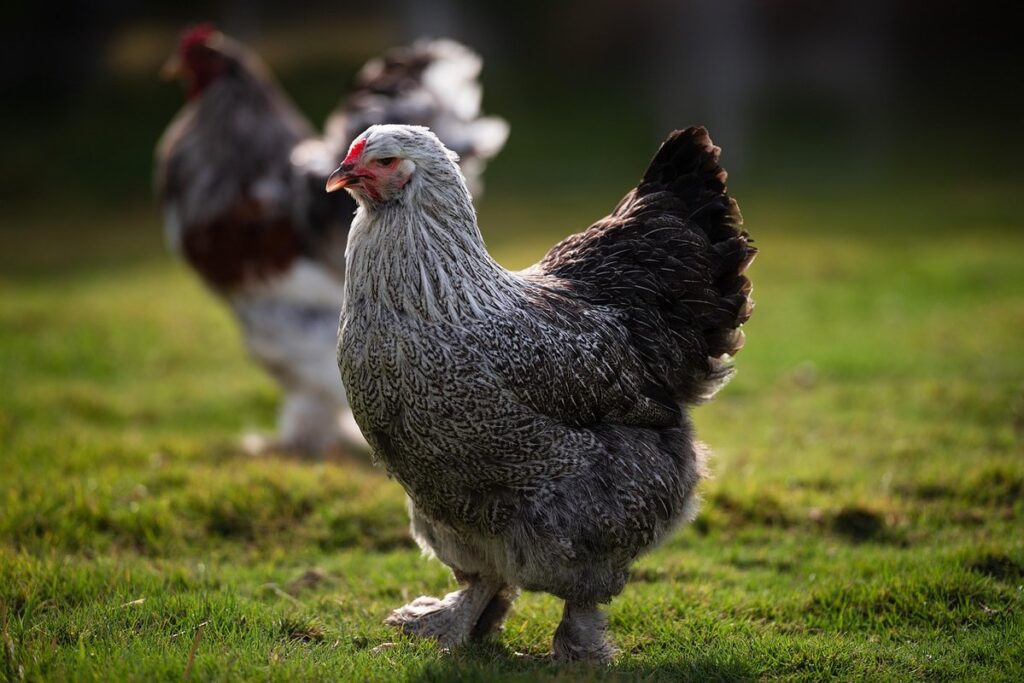
Introduction to Buff Brahmas
If you’re new to raising backyard chickens, let’s start with the basics: what makes a buff brahma hen so special and why are they such popular additions to many farms.
Brief History of the Breed
The Buff Brahma breed has a rich history that spans over two centuries. Originating in the 19th century in England, this gentle giant was bred for its impressive size and striking appearance. Developed from the ancient Asiatic Game Fowl, the Buff Brahma quickly gained popularity among poultry enthusiasts due to its calm demeanor and stunning golden-brown plumage.
One of the key factors contributing to the breed’s success is its impressive size – hens can grow up to 2 feet tall and weigh around 5-6 pounds. This enormous stature combined with their friendly nature made them an instant hit among chicken keepers, who appreciated their ability to coexist peacefully with other birds.
The Buff Brahma was first exhibited in the UK in the 1870s, where it received widespread acclaim for its appearance and temperament. Since then, the breed has been introduced to many countries around the world, where it remains a beloved favorite among backyard chicken enthusiasts due to its gentle nature and impressive size.
Characteristics of Buff Brahma Hens
When it comes to Buff Brahma hens, their unique physical characteristics are one of their most notable features. These beautiful birds boast a stunning plumage that sets them apart from other chicken breeds. Their feathers are a rich, warm golden brown color with a subtle sheen to them, giving them an almost iridescent quality in the right light.
In terms of size, Buff Brahma hens can grow quite large, typically weighing between 4-5 pounds and standing around 20 inches tall. While this may not seem like a lot compared to some other breeds, it’s worth noting that Brahmas are one of the largest domesticated chicken breeds in the world. Their impressive stature, combined with their gentle nature, makes them a popular choice among backyard farmers.
One of the most endearing aspects of Buff Brahma hens is their temperament. They’re known for being friendly, docile, and surprisingly easy-going – even around children. If you’re looking to add some calm and tranquility to your flock, a Buff Brahma hen might be just what you need. With proper care and attention, they can thrive in a variety of environments, making them an excellent choice for both experienced and novice chicken keepers alike.
Advantages of Raising Buff Brahma Chicken Hens
If you’re considering adding some friendly faces to your backyard flock, raising buff brahma chicken hens can bring numerous benefits and joys. Let’s explore these advantages together.
Large Egg Production
If you’re looking to raise hens for large egg production, the Buff Brahma is an excellent choice. These birds are renowned for their prolific laying abilities and will provide you with a steady supply of brown eggs throughout the year.
One of the key benefits of raising Buff Brahmas for egg production is their size. They lay larger eggs than many other breeds, with an average weight of around 55-60 grams per egg. This makes them ideal for households or small-scale farms that require a substantial number of large eggs.
In addition to their impressive laying capacity, Buff Brahmas are also relatively low maintenance. They are easy-going birds that can thrive in a variety of environments and will happily adapt to your backyard flock.
To maximize the potential of your Buff Brahma hens for egg production, make sure to provide them with a balanced diet rich in protein and calcium. Regular access to fresh water and adequate space for exercise will also ensure they remain healthy and productive layers throughout their lifespan.
Friendly Temperament
When you bring home Buff Brahma chicken hens, you’re not just getting a new addition to your backyard flock – you’re gaining loyal companions that will quickly become a part of the family. Their friendly temperament is one of the many advantages of raising these magnificent birds.
Buff Brahmas are known for their gentle nature, making them an excellent choice for families with children. They’re easy-going and patient, which means they’ll happily tolerate kids playing around them in the backyard without getting stressed or aggressive. This makes them an ideal addition to any family farm or homestead where there’s a lot of foot traffic.
Their friendly disposition also extends to their interactions with other chickens. Buff Brahmas are social birds that thrive on interaction and will often form close bonds with each other. If you’re looking for a flock that’s harmonious and easy to manage, the gentle nature of Buff Brahma hens is a significant advantage. With proper introduction and socialization, they’ll integrate seamlessly into your existing flock, creating a stress-free environment for all.
As an added bonus, their friendly temperament makes them excellent candidates for being handled and cared for by children. Teach your kids valuable life skills like animal husbandry while building trust and affection between the birds and the next generation of farmers.
Health Considerations for Buff Brahma Chicken Hens
When it comes to caring for your Buff Brahma hens, understanding their specific health needs is crucial to ensuring they live long and happy lives. This section will outline key factors to consider.
Common Health Issues
As you care for your Buff Brahma hens, it’s essential to be aware of common health issues that may affect them. Like all breeds, they are prone to certain conditions due to their genetic makeup and living environment.
One such issue is obesity, which can lead to other problems like heart disease and diabetes. To prevent this, ensure your hens have enough space to roam and exercise. Provide a balanced diet with adequate protein and fiber content to keep them full without overfeeding.
Another common problem is respiratory issues, often caused by dust and damp conditions in the coop. Keep the coop well-ventilated, clean, and dry to minimize the risk of respiratory infections. Make sure your hens have access to fresh air and sunlight daily.
Additionally, Buff Brahmas are susceptible to mites and lice infestations, which can lead to discomfort and stress for the birds. Regularly check your hens’ feathers and underside for signs of parasites and take action promptly if you find any.
Some health issues may be inherited, such as egg-laying problems or reproductive issues. Keep track of your hens’ breeding history and consult a veterinarian if you notice any unusual patterns in their behavior or egg production. By staying informed and proactive, you can help prevent or manage common health issues that affect Buff Brahma hens.
Tips for Maintaining Good Health
Keeping Buff Brahma hens healthy and thriving requires attention to their nutritional needs, vaccination requirements, and overall living conditions. Make sure they have access to fresh water and a balanced diet rich in protein and calcium. Consider supplementing with oyster shells or crushed eggshells to support strong bone growth.
Regular vaccinations are crucial to protect your flock from diseases like Newcastle disease and avian influenza. Consult with a veterinarian to determine the best vaccination schedule for your birds, taking into account factors such as age, health status, and climate.
Provide adequate shelter and space for your Buff Brahma hens, ensuring they can move freely without overcrowding or stress. Keep their living area clean and well-ventilated, removing soiled bedding material regularly to prevent disease transmission.
To maintain optimal health, monitor your birds’ behavior and watch for signs of illness such as labored breathing, lethargy, or changes in droppings. Consult a veterinarian promptly if you notice any unusual symptoms. By prioritizing their health and well-being, you’ll be rewarded with happy, healthy hens producing an abundance of fresh eggs for years to come.
Breeding and Raising Buff Brahma Chicken Hens
If you’re planning to breed and raise buff brahma chicken hens, understanding their unique characteristics and needs is crucial for success. This section will guide you through the essential considerations for breeding and raising healthy Buff Brahmas.
Choosing the Right Stock
When it comes to breeding or raising Buff Brahmas, selecting high-quality stock is crucial for achieving success. This means choosing birds that possess desirable traits such as excellent egg-laying ability, docile nature, and robust health.
To identify top-notch stock, consider the following factors: genetics, temperament, and physical condition. Look for breeders who prioritize selective breeding, ensuring their birds’ lineage aligns with traditional standards. Temperament is equally important – a calm and gentle nature will make handling and caring for your Buff Brahmas much more manageable.
Additionally, evaluate potential purchases based on physical characteristics like vibrant plumage, well-developed legs, and strong feathering. A bird’s overall condition can be indicative of its health and fertility. When inspecting stock in person, take note of any visual signs of illness or stress, such as lethargy, labored breathing, or excessive molting.
Ultimately, investing time and effort into selecting superior stock will pay dividends down the line, as these birds are more likely to reproduce successfully and pass on their desirable traits.
Housing and Management Considerations
When it comes to housing and managing your Buff Brahma hens, it’s essential to consider their unique needs and characteristics. These gentle giants require plenty of space to roam and exercise, so a spacious coop with adequate ventilation is a must.
A good rule of thumb is to provide at least 2-3 square feet of space per hen inside the coop, and about 8-10 square feet of outdoor space in a secure run or enclosure. This will not only keep them happy but also prevent boredom and stress.
When designing the coop, remember that Buff Brahmas are known for their tendency to peck and scratch at floors and walls. To minimize damage, use durable materials like metal or plastic, and consider adding a layer of bedding material like straw or pine shavings to cushion their scratching posts.
It’s also crucial to provide your hens with adequate shelter from the elements, such as windbreaks, shade structures, and access to fresh water at all times. With proper housing and management, you’ll be rewarded with happy, healthy Buff Brahma hens that will thrive in your backyard flock.
Feeding and Nutrition for Buff Brahma Chicken Hens
When it comes to feeding your buff brahma chicken hens, a balanced diet is essential for their overall health and well-being. This section will cover the specific nutritional needs of these gentle giants.
Nutritional Requirements
When it comes to feeding your Buff Brahmas, it’s essential to understand their unique nutritional requirements. These gentle giants have a larger appetite than smaller breeds, which means they need more energy-rich foods to maintain their massive size and keep them healthy.
A balanced diet for Buff Brahmas should include a mix of high-quality proteins, complex carbohydrates, and essential vitamins and minerals. A good starting point is to provide layers feed specifically formulated for large breed chickens. This type of feed typically contains 16-18% protein, which helps support muscle growth and maintenance.
In addition to commercial layer feed, it’s also beneficial to supplement their diet with fresh fruits, vegetables, and whole grains like oats or barley. Dark leafy greens like kale and spinach are particularly nutritious for Buff Brahmas as they’re rich in calcium, essential for maintaining strong bones.
Aim to provide your Buff Brahmas with 1/4 pound of food per day, adjusting as needed based on their individual energy needs. Avoid overfeeding, which can lead to obesity-related health issues. By meeting their unique nutritional requirements, you’ll be well on your way to raising happy and healthy Buff Brahma hens.
Tips for Providing a Balanced Diet
When it comes to providing a balanced diet for your Buff Brahma hens, there are several key factors to consider. First and foremost, it’s essential to ensure that their diet is well-rounded and includes all the necessary nutrients for optimal health.
One of the most critical components of a balanced diet for buff brahma chickens is protein. They require a significant amount of protein to maintain muscle mass and support egg production. A good quality layer feed should contain around 16-18% protein, with additional sources of protein such as mealworms or sunflower seeds providing a boost.
Calcium is also crucial for buff brahma hens, particularly if you’re breeding them for egg-laying purposes. A calcium deficiency can lead to weakened bones and reduced fertility. Adding crushed oyster shells or dark leafy greens like kale or spinach to their diet can help meet this essential nutrient.
Remember, a balanced diet is not just about feeding your buff brahma hens enough food – it’s also about providing them with the right mix of nutrients at the right time. Consider supplementing their diet with fruits and vegetables to add variety and ensure they’re getting all the necessary vitamins and minerals.
Conclusion and Final Thoughts
As you’ve learned all about these magnificent birds, let’s summarize the key takeaways from our journey into the wonderful world of Buff Brahma chicken hens. Here are a few final thoughts to consider.
Recap of Key Points
As we conclude our journey into the world of Buff Brahma chicken hens, let’s take a moment to recap the key points that will help you make an informed decision about these magnificent birds. If you’re new to backyard chicken-keeping or looking to add some extra flair to your flock, Buff Brahmas are certainly worth considering.
One of the main attractions of Buff Brahma hens is their stunning appearance – their soft, golden plumage and striking facial features make them a standout in any coop. But it’s not just about looks; these birds have so much more to offer. They’re known for being friendly, docile, and relatively quiet, making them an excellent choice for families with children or those who live in close proximity to neighbors.
We’ve discussed the importance of knowing your breed’s needs and characteristics before bringing them home, and Buff Brahmas are no exception. As heavy egg-layers, they require a balanced diet that includes plenty of protein and calcium to support their egg production. With proper care, you can expect around 200-220 eggs per year from each hen.
Another key point we touched on was the need for adequate space and exercise. Buff Brahmas are large birds that need room to roam, so make sure your coop has ample ventilation and a spacious run area where they can stretch their wings.
In addition to their many physical benefits, Buff Brahma hens also offer a unique opportunity for socialization and learning. With proper handling and care, these gentle giants can become wonderful pets and companions, teaching children valuable lessons about responsibility and compassion.
Frequently Asked Questions
What are the ideal living conditions for Buff Brahma chicken hens, especially when it comes to space and temperature requirements?
Buff Brahmas are large birds and need plenty of space to move around comfortably. A minimum of 2-3 square feet per bird is recommended, but ideally, you should aim for at least 4-5 square feet per bird in a well-ventilated area with adequate shelter from the elements. They also prefer temperatures between 40°F and 80°F (4°C and 27°C), making them suitable for most climates.
How often do Buff Brahma chicken hens need to be vaccinated, and what are the common health issues to watch out for?
Buff Brahmas are generally a hardy breed but can still fall prey to certain diseases. Vaccinations should be administered according to your veterinarian’s advice, typically at 4-6 weeks old and then again annually. Keep an eye out for conditions like avian influenza, Marek’s disease, and respiratory infections.
Can Buff Brahma chicken hens thrive on a free-range diet, or do they require a balanced commercial feed?
While Buff Brahmas are happy to forage for food, it’s essential to supplement their diet with a high-quality commercial layer feed to ensure they’re getting all the necessary nutrients. You can also consider adding fruits and vegetables to their diet, but avoid giving them too much rich or high-protein foods.
How do I know if my Buff Brahma chicken hens are laying eggs regularly, and what’s considered a normal egg-laying cycle?
Buff Brahmas typically start laying eggs at around 18-20 weeks of age, and you can expect an average of 200 large brown eggs per year from each hen. Keep track of their egg production by checking for eggs daily or weekly and monitoring their overall health.
Can I breed Buff Brahma chicken hens myself, or is it best to purchase stock from a reputable breeder?
While breeding your own chickens can be rewarding, it’s essential to have experience with poultry breeding and genetics. If you’re new to raising backyard chickens, it’s usually recommended to start by purchasing high-quality stock from an experienced breeder who can provide guidance on caring for the birds.