
Raising healthy and happy barred rock pullets can be a rewarding experience for backyard chicken keepers. If you’re new to raising chickens, understanding their specific needs is crucial to their well-being and your success as a breeder or keeper. One of the most popular breeds among enthusiasts, barred rock pullets require careful consideration when it comes to housing, nutrition, health, and breeding. In this comprehensive guide, we’ll cover everything you need to know about raising happy and healthy barred rock pullets. From constructing the perfect coop to providing a balanced diet, we’ll explore the essential topics for keeping your birds thriving. Whether you’re looking to start or expand your flock, our expert advice will help ensure that your barred rock pullets live their best lives.
Introduction to Barred Rock Pullets
When it comes to adding new members to your flock, understanding the basics of barred rock pullets is essential for a successful and harmonious household. In this section, we’ll cover the characteristics that make these birds unique.
Brief History of the Breed
The Barred Rock breed has a rich history that dates back to the early 20th century. Developed in the United States by crossing various breeds, including the Dominique and the Brahma, the goal was to create a hardy and versatile chicken perfect for both meat and egg production.
In the early days, Barred Rocks were prized for their ruggedness and ability to thrive in harsh weather conditions. Their striking black and white feathering made them a favorite among farmers and backyard chicken keepers alike. By the 1930s, the breed had gained significant popularity, with many farms and homesteads relying on Barred Rocks as their primary source of eggs.
Today, the Barred Rock remains one of the most beloved breeds among chicken enthusiasts. Their friendly demeanor, high egg production, and ability to adapt to a wide range of environments make them an ideal choice for both beginners and experienced keepers. Whether you’re looking to start small or scale up your flock, the Barred Rock is definitely worth considering.
As a breeder or keeper, understanding the breed’s origins and characteristics can help you better appreciate their unique traits and quirks. With proper care and attention, your Barred Rocks will reward you with years of loyal companionship and a steady supply of fresh eggs.
Characteristics of Barred Rock Pullets
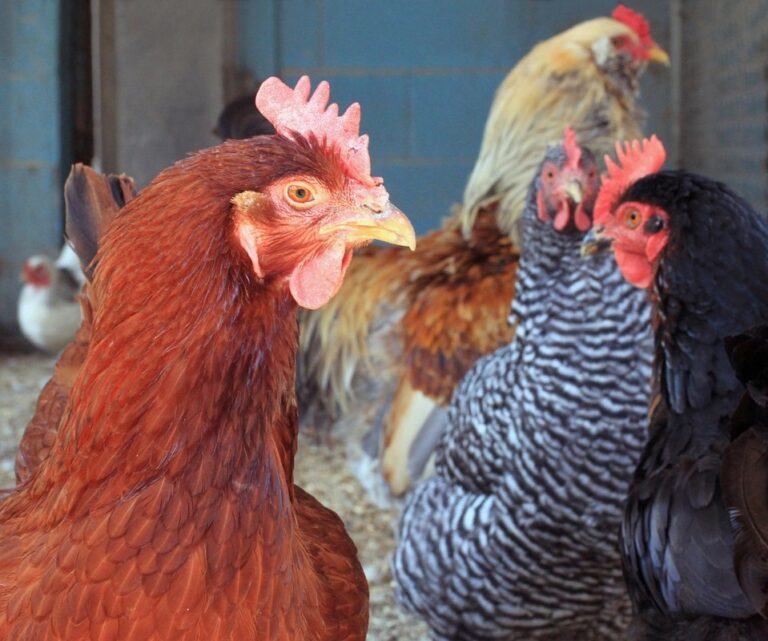
Barred Rock pullets are known for their striking appearance and endearing personality. When it comes to physical characteristics, these birds boast a distinctive barred pattern on their feathers, with black and white stripes running vertically down their bodies. This unique plumage is one of the breed’s most recognizable features.
In terms of size, Barred Rock pullets typically reach maturity at around 18-20 weeks old, weighing in at about 4-5 pounds (1.8-2.3 kg). They’re medium-sized birds with a sturdy build, making them well-suited for small to medium-sized backyards.
Barred Rock pullets are also known for their friendly and docile nature. They’re often described as “easy-going” and are generally more tolerant of handling than some other breeds. This makes them an excellent choice for families or beginners who want a low-maintenance yet affectionate pet.
One key thing to note is that Barred Rock pullets can be quite active, so they’ll require regular exercise and stimulation to stay happy and healthy. With proper care and attention, these birds will thrive in their new home and bring joy to your family for years to come.
Choosing the Right Barred Rock Pullet for Your Flock
When selecting a new addition to your flock, choosing the right Barred Rock pullet is crucial for their overall health and happiness in your backyard. This section will walk you through what to look for when making this important decision.
Factors to Consider When Selecting a Pullet
When selecting a Barred Rock pullet for your flock, it’s essential to consider several factors beyond just their breed and appearance. The age of the bird is one crucial aspect to consider. Ideally, you want to select pullets that are around 16-20 weeks old. This age range allows them to have had enough time to develop their immune system but still be young enough to integrate well into your existing flock.
Another critical factor is the health status of the bird. Insist on selecting birds from reputable breeders or suppliers who provide health guarantees. Look for signs of good overall health, such as bright eyes, clean feathers, and a strong appetite. Be wary of birds that appear lethargic, have labored breathing, or show other signs of illness.
Lastly, consider the genetics of the bird. Choose pullets from breeders who prioritize genetic diversity to ensure a healthy, hardy flock. Avoid selecting birds with known health issues within their pedigree. By carefully considering these factors, you’ll be well on your way to building a thriving and productive flock.
Evaluating the Quality of Barred Rock Pullets
When evaluating the quality of Barred Rock pullets, it’s essential to look for signs of good health and proper development. A healthy pullet will have bright eyes, clean nostrils, and a shiny plumage. Check their combs and wattles for any signs of redness or swelling, which can indicate stress or illness.
Next, inspect the pullet’s body for any deformities or irregularities. Look for even spacing between the feathers, and check that the wings are properly formed with no visible damage. Proper development is crucial, so ensure that the pullet’s legs are strong and straight, with no signs of weakness or disease.
In addition to physical checks, observe the pullet’s behavior. A healthy bird will be active, alert, and inquisitive, with a strong interest in its surroundings. Be wary of any pullets that appear lethargic, aggressive, or excessively fearful. By taking these simple steps, you can quickly identify high-quality Barred Rock pullets for your flock.
Housing and Environmental Considerations for Barred Rock Pullets
When bringing home your barred rock pullets, it’s essential to consider their housing and environmental needs to ensure they stay happy and healthy. A well-planned coop can make all the difference for these gentle girls.
Providing Adequate Space and Shelter
When it comes to housing Barred Rock pullets, providing adequate space and shelter is crucial for their health and well-being. A good rule of thumb is to ensure that each bird has at least 3-4 square feet of interior coop space, with a minimum of 8-10 square feet of outdoor run or enclosed area.
In terms of coop design, consider using vertical space by incorporating shelves or nesting boxes that take advantage of the birds’ natural behavior. This not only saves floor space but also makes it easier to collect eggs and clean up after your flock.
Make sure to include adequate ventilation in your coop design, as Barred Rock pullets can be prone to respiratory issues if they’re exposed to drafts or damp environments. Consider adding windows or vents that allow for airflow while keeping the elements out.
When choosing a location for your coop, select an area that provides some natural shade and protection from harsh weather conditions. This will help extend the lifespan of your coop and ensure that your birds stay healthy throughout the year.
Remember to also consider predator protection when building or designing your coop. A sturdy roof, secure doors, and hardware cloth can go a long way in keeping your flock safe from predators.
Creating a Safe and Healthy Environment
When it comes to creating a safe and healthy environment for your Barred Rock pullets, ventilation is key. Adequate airflow helps to prevent respiratory problems and keeps the birds cool during hot weather. To achieve this, ensure that your coop has proper windows and doors for cross-ventilation. You can also add vents or fans to enhance air circulation.
Predators are another concern when it comes to Barred Rock pullets. These birds have a strong instinct to fly, making them more vulnerable to aerial predators like hawks and owls. To protect your flock, cover the run with netting or chicken wire that’s at least 3 feet high and has openings no larger than 1 inch. Burying the fencing underground can also prevent burrowing predators from getting in.
In addition to these measures, keep the coop clean and free of disease by regularly cleaning the nesting boxes and providing fresh food and water daily. Providing a dust bath area for your birds is also essential as it helps to keep their feathers clean and dry. By following these tips, you can create a safe and healthy environment for your Barred Rock pullets to thrive.
Nutrition and Health Considerations for Barred Rock Pullets
When it comes to raising healthy barred rock pullets, nutrition and health considerations are crucial to ensure they thrive. Let’s take a closer look at what you need to know about their dietary needs.
Providing a Balanced Diet
When it comes to providing a balanced diet for your Barred Rock pullets, nutrition is key. A well-planned diet will not only support their growth and development but also ensure they remain healthy and productive throughout their lives.
A good starting point is to offer a high-quality commercial layer feed as the main staple of their diet. However, it’s essential to supplement with fresh fruits and vegetables to provide essential vitamins and minerals. For example, offering leafy greens like kale or spinach can boost their iron intake, while fresh berries supply valuable antioxidants.
When selecting a layer feed, look for a formula that is high in protein (around 16-18%) and contains around 3% calcium. Calcium is crucial for bone growth and development, particularly during the pullet stage. Avoid feeds with added antibiotics or hormones, as these can have long-term effects on their health.
Aim to provide around 1/4 cup of treats per day, making sure they’re balanced and nutritious. You can also consider offering oyster shells as a calcium supplement, which can be particularly beneficial during the laying phase. By following these guidelines and providing a well-rounded diet, you’ll be supporting your Barred Rock pullets’ optimal health and well-being.
Common Health Issues in Barred Rock Pullets
As a Barred Rock pullet owner, it’s essential to be aware of common health issues that can affect these beautiful birds. One of the most significant concerns is respiratory problems, such as bronchitis and pneumonia. These conditions can be caused by bacteria, viruses, or even environmental factors like dust and dampness. Keep an eye out for labored breathing, coughing, and loss of appetite.
Another common issue in Barred Rock pullets is intestinal parasites, including worms and protozoa. Signs include weight loss, diarrhea, and lethargy. Regular deworming treatments can help prevent these issues, but it’s also crucial to maintain a clean and sanitary coop.
Mites and lice are another external parasite problem that can affect Barred Rock pullets. These tiny pests can cause discomfort, stress, and even lead to infections. Look for excessive scratching, fluffing, or droppings around the coop.
If you suspect any of these issues, consult with a veterinarian experienced in poultry care as soon as possible. They will assess your bird’s symptoms and recommend treatment options.
Managing Your Barred Rock Pullet Flock
As you welcome your barred rock pullet flock home, it’s essential to establish a routine for feeding, watering, and monitoring their health to ensure they thrive. In this section, we’ll discuss practical tips for managing your new girls.
Integrating New Birds into the Flock
When introducing new birds to your Barred Rock pullet flock, it’s essential to do so slowly and safely to prevent stress and fighting. A sudden influx of new members can be overwhelming for the existing birds, leading to territorial disputes and potential injuries.
To integrate new birds successfully, start by isolating them in a separate enclosure or run. This allows them to get accustomed to their new surroundings without feeling threatened or intimidated by the rest of the flock. Once they appear calm and confident, you can gradually introduce them to the existing pullets under close supervision.
Begin with visual introductions, allowing the birds to see each other through a fence or divider while feeding and interacting as usual. This will help them become familiar with each other’s presence without feeling the need to fight or assert dominance. Next, increase face-to-face interactions, still maintaining a safe distance, before finally integrating them into the main flock.
By taking this gradual approach, you can minimize stress and fighting, ensuring a harmonious coexistence among your Barred Rock pullets.
Monitoring Flock Health and Behavior
Monitoring your Barred Rock pullet flock’s health and behavior is crucial to prevent illness, stress, and other issues that can affect their well-being. Keep an eye out for signs of illness such as lethargy, loss of appetite, or changes in droppings.
Regular observation can also help you detect behavioral problems like feather pecking, cannibalism, or excessive vocalization. To monitor behavior, observe your flock at different times of the day and note any changes in activity levels, feeding patterns, or social dynamics.
Check for physical signs of stress such as ruffled feathers, panting, or pacing. Make sure to provide enough space per bird (about 2-3 square feet per chicken) and ensure access to fresh water, clean feed, and adequate ventilation.
Daily inspections can also help you catch any potential health issues early on. Check for mites, lice, or fleas by looking at the birds’ feathers and skin, and inspect the coop and run regularly to maintain cleanliness and hygiene.
By paying attention to these signs and taking proactive measures, you’ll be able to identify and address any issues before they become major problems, keeping your Barred Rock pullet flock happy and healthy.
Breeding and Raising Barred Rock Pullets for Meat and Eggs
If you’re raising barred rock pullets, understanding how to breed and raise them effectively is crucial for a successful flock. This section covers essential tips and best practices for achieving this goal.
Breeding Strategies for Barred Rock Pullets
When breeding Barred Rock pullets for both meat and eggs, it’s essential to focus on selecting birds that excel in desirable traits. This includes not only egg-laying ability but also the quality of their meat.
To begin, you’ll want to select breeding stock with a proven track record of producing high-quality offspring. Look for birds that are known to produce large, brown eggs consistently throughout the year. You can also assess the overall health and vigor of your flock by monitoring their growth rates, feather quality, and resistance to disease.
Another crucial aspect is selecting for meat quality. Barred Rock chickens are prized for their rich flavor and tender texture, so it’s essential to identify birds that exhibit these characteristics. Consider factors such as breast size, muscle mass, and the overall conformation of your birds.
To implement this breeding strategy, we recommend maintaining a detailed breeding program record-keeping system. This will enable you to track the performance of individual birds and make informed decisions about which stock to retain for future breeding purposes. By focusing on these key traits and implementing a robust breeding program, you’ll be well on your way to producing high-quality Barred Rock pullets that excel in both egg production and meat quality.
Tips for Raising Healthy and Happy Birds
Raising healthy and happy birds requires attention to detail and a commitment to their well-being. When it comes to handling your Barred Rock pullets, make sure to handle them gently but firmly. Support the bird’s body and wings when picking them up, and avoid holding them by their legs or tail.
Proper nutrition is also crucial for maintaining healthy birds. Ensure that they have access to fresh water at all times and provide a balanced diet of commercial poultry feed, supplemented with fruits and vegetables as treats. A good rule of thumb is to follow the 80/20 ratio: 80% commercial feed and 20% treats.
Make sure your birds have adequate space to move around, stretch their wings, and engage in natural behaviors like foraging and dust bathing. Provide a clean and dry environment by regularly removing soiled bedding material and disinfecting any surfaces that may be contaminated with disease-causing pathogens.
By following these simple tips, you can raise healthy and happy Barred Rock pullets that will thrive and produce plenty of eggs and meat for your family’s table.
Conclusion: The Rewards of Keeping Barred Rock Pullets
As we’ve explored the joys and benefits of raising barred rock pullets, let’s take a moment to reflect on what makes them truly special. You’ll discover why their charms extend far beyond their stunning appearance.
Benefits of Raising Barred Rock Pullets
Raising Barred Rock pullets can bring numerous benefits to your backyard flock and your family. One of the most notable advantages is their friendly temperament. These birds are known for being docile, gentle, and easy-going, making them an excellent choice for families with children or for those who want a stress-free egg-laying experience.
In addition to their pleasant nature, Barred Rock pullets are also renowned for their high egg-laying ability. On average, a healthy Barred Rock hen can lay around 280-300 large brown eggs per year, making them a great investment for households seeking a reliable source of fresh eggs. Their high productivity is also due in part to their hardiness and adaptability to various living conditions.
To make the most of your Barred Rock pullets’ benefits, it’s essential to provide them with proper care and attention. This includes providing a balanced diet, plenty of space to roam, and regular health checks. By doing so, you can enjoy the rewards of keeping these wonderful birds, including fresh eggs, entertaining companionship, and the satisfaction of knowing you’re raising a healthy and happy flock.
Encouragement to Try Raising Your Own Birds
If you’re still on the fence about raising your own flock of Barred Rock pullets, I want to encourage you to take the plunge. There’s no better feeling than collecting eggs from your own backyard, and it’s a sense of pride that comes with knowing exactly where those eggs come from.
Backyard chicken keeping is more than just a hobby or a way to get fresh eggs – it’s an opportunity to connect with nature, learn about animal care, and teach your children valuable life skills. With Barred Rock pullets being one of the most popular breeds for beginners, you’ll have plenty of resources available to help guide you through the process.
Start small, begin with a few birds, and see how it goes. You can always add more to your flock as you gain experience. And remember, the rewards of backyard chicken keeping go far beyond just the eggs – you’ll enjoy reduced stress, increased fresh air and exercise, and a sense of accomplishment that comes from caring for living creatures. So what are you waiting for? Give it a try!
Frequently Asked Questions
How do I introduce new barred rock pullets to my existing flock without disrupting the social dynamics?
Introducing new birds requires patience and careful planning. Start by isolating the new pullets for a few days before integrating them with the rest of the flock. Use visual barriers like fencing or partitions to allow both groups to become familiar with each other’s presence and scent. Once introduced, monitor their behavior closely and be prepared to separate them if you notice any signs of aggression.
What are some common health issues I should watch out for in my barred rock pullets?
Common health issues in Barred Rocks include respiratory problems, mites, lice, and parasites. Regular cleaning and disinfecting of the coop, providing a balanced diet, and ensuring access to clean water can help prevent these issues. Be sure to also monitor your flock’s behavior and report any unusual signs or symptoms to a veterinarian.
Can I raise barred rock pullets in small spaces like apartments or urban backyards?
While Barred Rocks are relatively low-maintenance birds, they do require adequate space for exercise and movement. If you’re living in a small space, consider building a larger coop or investing in a secure enclosed area where your birds can roam freely.
How often should I collect eggs from my barred rock pullet flock, and what’s the best way to handle them?
Collecting eggs daily is essential for maintaining hygiene and preventing damage. Handle eggs gently, making sure not to crack them during collection. Wash your hands before and after handling eggs, and consider using a designated egg carton or storage container to prevent breakage.
Can I breed barred rock pullets for meat production if they’re primarily raised as laying hens?
Yes, Barred Rocks can be bred for both meat and egg production. If you plan to raise them for meat, ensure you follow proper breeding strategies and consider factors like feed efficiency and growth rate.