
Are you looking to add some excitement to your backyard flock with blue eggs? Or perhaps you’re interested in breeding chickens that can thrive in cold climates? Either way, you might want to consider adding Ameraucana chicken hens to your collection. These special birds have been gaining popularity among backyard chicken keepers and commercial breeders alike due to their unique characteristics and benefits. From their beautiful blue eggs to their hardiness against cold temperatures, Ameraucanas are a great choice for many chicken enthusiasts. In this article, we’ll delve into the world of Ameraucana hens, covering their care requirements, breeding tips, and expert advice on raising these special birds. Whether you’re an experienced breeder or just starting out, keep reading to learn more about what makes Ameraucanas such a great addition to any flock.
Origins and History of Ameraucana Chickens
Ameraucana chickens have a rich history that spans centuries, originating from South America where they were bred for their unique genetic traits. Let’s take a look at how these fascinating birds came to be.
The Breed’s Development in North America
The Ameraucana breed’s journey to becoming one of North America’s most beloved chicken varieties is an intriguing tale that spans centuries. In the early 20th century, a few intrepid poultry enthusiasts began experimenting with South American fowl imports. One such enthusiast, Robert Kaye, successfully established a breeding program in the United States in the 1970s. By selectively breeding these South American birds for desirable traits like temperament and egg-laying abilities, he laid the foundation for what would eventually become the Ameraucana breed.
Initially, these early birds were often described as having a “blue” or slate-gray tint to their feathers – not quite the vibrant blue plumage we associate with modern-day Ameraucanas. However, as breeders continued to refine and select for this trait, the breed’s signature coloration began to take shape. Over time, other characteristics like broad faces, beards, and strong production capacities were also honed in through selective breeding. By the 1990s, the Ameraucana had established itself as a full-fledged breed with a loyal following among backyard chicken enthusiasts.
Key Features that Set Them Apart from Other Breeds
One of the most distinctive characteristics that set Ameraucana chickens apart from other breeds is their ability to lay blue eggs. While many chicken enthusiasts are initially surprised by this feature, it’s a trait that has become one of the breed’s defining characteristics. But why do Ameraucanas produce blue eggs? The answer lies in the genetics of the breed.
Another notable feature of Ameraucana chickens is their cold hardiness. Unlike some other breeds, Ameraucanas can thrive in cooler temperatures and are often used as a solution for small farmers who live in areas with harsh winters. In fact, they’re one of the few breeds that can tolerate temperatures as low as -20°F without significant damage to their health.
In terms of foraging ability, Ameraucana chickens excel. They have a strong instinct to search for food on their own and are often used by farmers who practice free-range or pasture-raised chicken husbandry. This makes them an excellent choice for small-scale farmers who want to raise chickens that can thrive with minimal input.
As an added bonus, Ameraucanas are also known for being relatively low-maintenance pets. They’re quiet, friendly birds that are easy to handle and train – making them a great choice for beginners.
Characteristics of Ameraucana Chicken Hens
When it comes to knowing what to expect from your Ameraucana hens, understanding their characteristics is essential for building a happy and healthy flock. Let’s dive into what makes these girls unique!
Physical Traits: Size, Plumage, and Beak Shape
Ameraucana hens are known for their unique physical characteristics that set them apart from other chicken breeds. On average, an adult Ameraucana hen weighs between 6-8 pounds, making them a medium-sized breed. Their compact build and balanced body proportions make them well-suited for smaller backyard flocks.
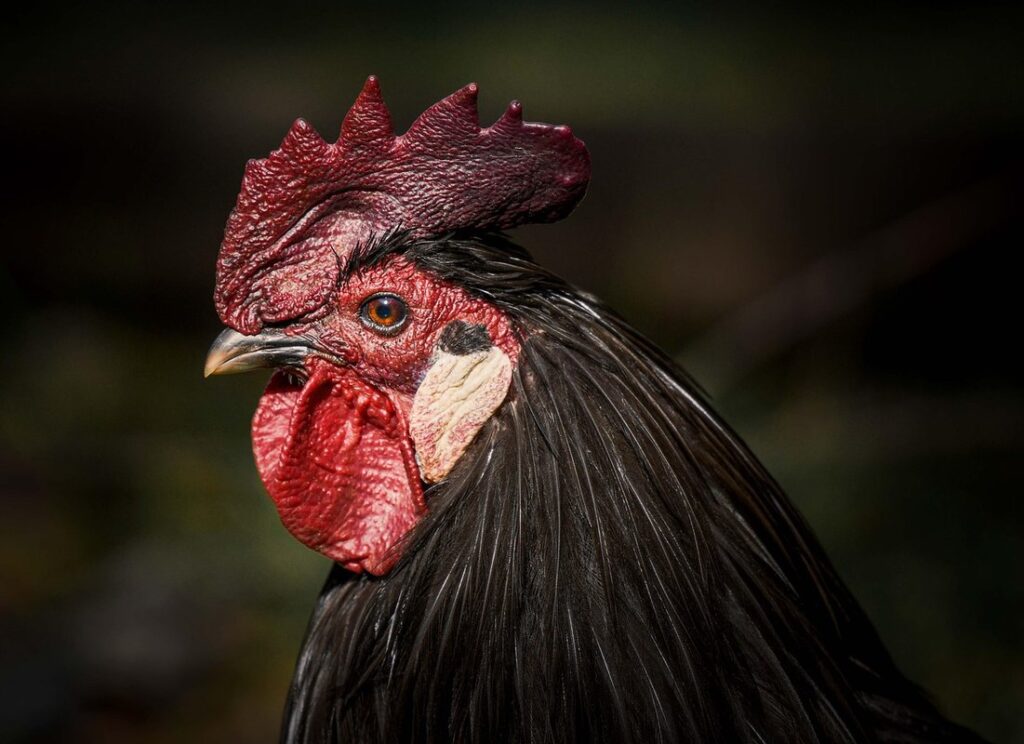
One of the most distinctive features of the Ameraucana hen is their plumage. They have a slate-blue sheen to their feathers, which can vary in intensity depending on their lineage. Some Ameraucana hens may also exhibit white or copper-colored markings on their hackles and saddle. Their feather patterns can be quite striking, making them a popular choice for backyard chicken keepers who want to add some visual interest to their flock.
Ameraucana hens are known for having large, rounded beaks that are well-suited for scratching and pecking at the ground in search of food. The shape and size of their beak also make it easier for them to eat a variety of foods, including grains, vegetables, and insects. Overall, the physical traits of Ameraucana hens make them a hardy and versatile breed that can thrive in a range of environments.
Temperament and Personality
When it comes to temperament and personality, Ameraucana hens are often described as gentle souls. They’re known for their calm and even-tempered nature, making them a great fit for families with children or for backyard flocks where social interaction is encouraged.
One of the most distinctive traits of Ameraucana hens is their friendliness towards humans. They’ll often come to you when called and enjoy being handled, which makes them ideal pets for those who want to form close bonds with their chickens. Many owners also report that their Ameraucanas are surprisingly docile, even in situations where some breeds might become aggressive.
Their adaptability is another key characteristic of the breed. Whether raised from chicks or introduced to an existing flock, Ameraucana hens tend to integrate quickly and easily. They’re not as likely to engage in feather pecking or other undesirable behaviors that can be seen in some breeds. This makes them a great choice for backyard flocks where social harmony is key.
To bring out the best temperament in your Ameraucana hens, make sure to provide plenty of attention and interaction. Spend time with them daily, handle them gently but firmly, and give them access to a spacious run where they can roam and exercise.
Benefits of Keeping Ameraucana Chicken Hens
If you’re considering bringing home some lovely Ameraucana hens, let’s explore the fantastic benefits they can bring to your life and backyard. From unique eggs to charming personalities, you’ll discover why these birds are a joy to keep.
Cold Hardiness and Winter Care
Ameraucana chickens are known for their hardiness and ability to thrive in cold climates, making them an excellent choice for farmers living in areas with harsh winters. But even though they’re adapted to the cold, they still require special care during the winter months to stay healthy.
To keep your Ameraucana hens happy and thriving during winter, make sure their coop is well-insulated and draft-free. This means using materials like straw or hay to line the floor and walls, as well as installing insulation in the ceiling and walls. You should also ensure that the coop has adequate ventilation to prevent ammonia buildup from the droppings.
In addition to a warm and dry coop, it’s essential to provide your Ameraucana hens with plenty of fresh food and water throughout the winter months. This can be challenging, especially if you live in an area where roads are frequently impassable due to snow. Consider investing in a automatic feeding system or a heated watering bowl to make things easier.
Some other tips for caring for your Ameraucana hens during winter include providing them with access to sunlight and fresh air whenever possible, as well as monitoring their health closely for signs of stress or illness.
Egg Production and Quality
Ameraucana hens are highly prized for their unique blue eggs, which make them a popular choice among backyard chicken keepers. But that’s not all – these birds are also incredibly prolific layers, with some individuals producing over 300 large blue eggs per year.
One of the key benefits of keeping Ameraucana hens is their high fertility rate. This means that even if you’re not collecting your eggs immediately after they’re laid, they’ll still be fertile and ready to hatch when incubated. This can be a game-changer for small-scale farmers or backyard chicken enthusiasts who want to try their hand at raising chicks.
If you’re new to keeping Ameraucana hens, it’s worth noting that their egg-laying abilities are highly dependent on factors like nutrition, health, and living conditions. To maximize your flock’s productivity, make sure to provide them with a balanced diet, plenty of fresh water, and a clean, safe living space.
In addition to their impressive egg production numbers, Ameraucana hens are also known for their friendly, docile nature – making them an excellent choice for families or beginners.
Health Considerations for Ameraucana Chicken Hens
When it comes to keeping your Ameraucana hens healthy, there are a few key factors to be aware of and some potential health issues to watch out for. Let’s take a closer look at what you need to know.
Common Health Issues and Their Prevention
Ameraucana chicken hens are known for their hardiness and resilience, but like all chickens, they can be susceptible to various health issues. One common concern is frostbite, particularly during harsh winters when temperatures drop below freezing. To prevent this, make sure to provide your flock with adequate shelter and protection from the elements. This may include adding extra bedding material or using a windbreak to shield them from drafts.
Parasites such as mites, lice, and fleas can also infest your Ameraucana hens, causing discomfort and stress. Regular cleaning of coops and runs, as well as monitoring for signs of parasites, can help prevent these issues. Additionally, keeping a clean and dry environment is crucial in preventing disease.
Some diseases to watch out for include respiratory infections, such as pneumonia, which can be caused by bacteria or viruses. Practicing good biosecurity measures, such as washing your hands before handling the birds, and ensuring their living space remains free from contamination, can help prevent the spread of disease. By staying vigilant and taking proactive steps, you can minimize the risk of health issues affecting your Ameraucana hens.
Nutrition and Diet Requirements
Ameraucana hens have distinct nutritional requirements to maintain their overall health and egg-laying abilities. High-quality protein is essential for their development and growth, especially during the first few months of life. You can provide this by offering a starter feed that contains around 20-22% protein levels.
As they mature, Ameraucanas require more calcium to support strong bone growth and maintain healthy eggshell production. This can be achieved through a balanced layer feed with adequate calcium content (around 3.5-4% calcium). It’s also crucial to provide fresh water at all times to ensure the hen’s digestive system functions properly.
In addition to protein and calcium, Ameraucanas need access to essential vitamins such as vitamin A, D3, E, K, and B12. You can supplement their diet with a multivitamin specifically designed for chickens or offer dark leafy greens like kale, spinach, and collard greens that are rich in these nutrients.
When it comes to treating your Ameraucana hens, be cautious of over-supplementation as this can lead to health issues. For example, excessive calcium consumption can cause kidney stones, so make sure to follow the recommended dietary guidelines for layer feed.
Breeding and Raising Ameraucana Chicken Hens
If you’re new to raising Ameraucana chickens, getting started with breeding and raising healthy hens can seem daunting. In this next part, we’ll walk through the essentials of successful breeding and rearing.
Selecting Breeder Stock and Mating Techniques
When selecting breeder stock for your Ameraucana chicken program, it’s essential to choose birds that excel in the characteristics you want to pass on to future generations. This includes looking for hens with desirable eggshell colors, blue eggs, and sturdy builds. Consider working with reputable breeders who have a proven track record of producing high-quality stock.
In terms of mating techniques, you’ll want to select breeding pairs based on their individual strengths and weaknesses. A general rule of thumb is to pair birds that complement each other’s traits, rather than trying to combine two birds with the same characteristics. For example, if one bird has a strong egg-laying trait but lacks vigor, pairing it with a bird that excels in overall health and hardiness can help offset its weaknesses.
To create a diverse breeding program, consider introducing new bloodlines or breeds every 5-10 years to introduce fresh genetics and prevent inbreeding. This will also give you the opportunity to select for specific traits and characteristics that are important to your program.
Tips for Raising Chicks and Young Pullets
Raising chicks and young pullets requires careful attention to their nutritional needs, vaccination schedule, and health monitoring. When it comes to nutrition, a starter feed with 18-20% protein is ideal for the first eight weeks of life. You can also supplement their diet with crushed oyster shells or dark leafy greens like kale or spinach.
As for vaccinations, consult your local veterinarian or poultry expert for guidance on what’s recommended in your area. Typically, chicks receive a series of vaccinations starting at one day old, with boosters given at 3-4 weeks and again at 8-10 weeks. Keep in mind that vaccination schedules may vary depending on the region and diseases prevalent in your area.
Monitoring their health is crucial to preventing illnesses and spotting any potential problems early on. Look for signs of respiratory issues like coughing or wheezing, as well as visible injuries or wounds. Regularly check their droppings for consistency and color, and ensure they always have access to clean water and a balanced diet.
Keep your chicks in a draft-free brooder with adequate ventilation until they’re about four weeks old. After that, transfer them to a larger enclosure with plenty of space to roam and exercise. With proper care and attention, your young pullets will grow into healthy, thriving hens.
Conclusion: Why You Should Consider Keeping Ameraucana Chicken Hens
So, you’ve learned all about the unique characteristics and benefits of keeping Ameraucana chicken hens on your farm or homestead. Now, let’s summarize why they’re an excellent addition to any flock.
Recap of Benefits and Characteristics
So you’ve learned all about the wonderful benefits and characteristics of keeping Ameraucana chicken hens! Now that we’ve covered the pros and cons, the history, and the unique traits of these birds, it’s time to recap why they make such fantastic additions to any backyard flock.
Ameraucanas are known for their stunning blue eggs, but they offer so much more than just a pretty shell. They’re hardy, friendly birds that are relatively low maintenance and easy to care for. Plus, they’re cold-hardy, making them an excellent choice for areas with colder climates. With proper nutrition and regular health checks, your Ameraucana hens can live up to 8-10 years or more.
Their unique genetics also mean they’ll be less likely to develop certain diseases common in other breeds. And let’s not forget their charming personalities – many owners describe them as friendly, curious, and energetic! If you’re new to backyard chicken keeping or looking to add some diversity to your flock, Ameraucanas are an excellent choice.
In summary, the benefits of keeping Ameraucana hens far outweigh any potential drawbacks. With their incredible egg-laying abilities, hardiness, and delightful personalities, it’s no wonder why they’re becoming increasingly popular among backyard chicken enthusiasts.
Encouragement to Try Raising These Special Birds
So you’re convinced that Ameraucana chicken hens are the perfect addition to your backyard flock? If you’re still on the fence about raising these special birds, let me encourage you to give it a try! Not only will you be rewarded with stunning blue eggs and beautiful plumage, but you’ll also gain valuable experience in caring for a unique breed.
If you’re new to chicken keeping or want to learn more about the specifics of raising Ameraucana hens, don’t worry – there are plenty of resources available. Online forums like BackYard Chickens and Chicken Forums are great places to connect with other chicken enthusiasts and get advice from seasoned raisers. You can also find plenty of tutorials and guides on YouTube channels like My Pet Chicken and Fresh Eggs Daily.
Remember, every breed has its quirks, but with patience and practice, you’ll become a pro at raising Ameraucana hens in no time! So go ahead, take the plunge, and see what all the fuss is about. With their striking appearance and charming personalities, your flock (and your neighbors) will thank you.
Frequently Asked Questions
Can I keep Ameraucana chickens with other breeds?
Yes, Ameraucanas are known to be friendly and social birds that get along well with other chicken breeds. However, it’s essential to introduce them slowly and under supervision to ensure a smooth integration into your flock.
What’s the best way to care for my Ameraucana hens during extreme cold weather?
Ameraucanas are indeed hardy birds that can withstand cold temperatures, but they still require proper care during harsh winters. Make sure their coop is well-insulated, provide adequate bedding, and ensure access to fresh water and food.
How often should I collect eggs from my Ameraucana hens?
As prolific layers, Ameraucanas will produce eggs regularly. Collecting eggs daily will help maintain a clean coop and encourage your hens to continue laying. You can also expect around 180-200 eggs per year per hen.
What are some common health issues I should watch out for in my Ameraucana flock?
While generally healthy, Ameraucanas may be prone to certain health issues such as frostbite, egg binding, and Marek’s disease. Keep a close eye on your birds’ behavior, maintain good hygiene practices, and consult with a veterinarian if you notice any unusual symptoms.
Can I raise Ameraucana chicks from hatch or should I purchase pullets?
Both options are viable depending on your experience level and preferences. Raising chicks requires more care and attention but can be rewarding for experienced breeders. Purchasing pullets is often recommended for beginners, as they’re closer to maturity and easier to manage.