
The Belgian DuCkle chicken breed is one of the rarest and most beloved in the world, prized for its unique characteristics and endearing personality. As a breeder or enthusiast, you’re likely no stranger to the joys of working with these special birds. But if you’re new to the world of Belgian DuCkles, it’s essential to understand their rich history, distinct physical traits, and what makes them so well-suited for backyard flocks.
In this comprehensive guide, we’ll delve into everything you need to know about the Belgian DuCkle chicken breed. From breeding and showing to care and management, we’ll cover the ins and outs of owning these charming birds. Whether you’re a seasoned expert or just starting out, this article will provide you with a thorough understanding of what it takes to raise happy, healthy Belgian DuCkles.
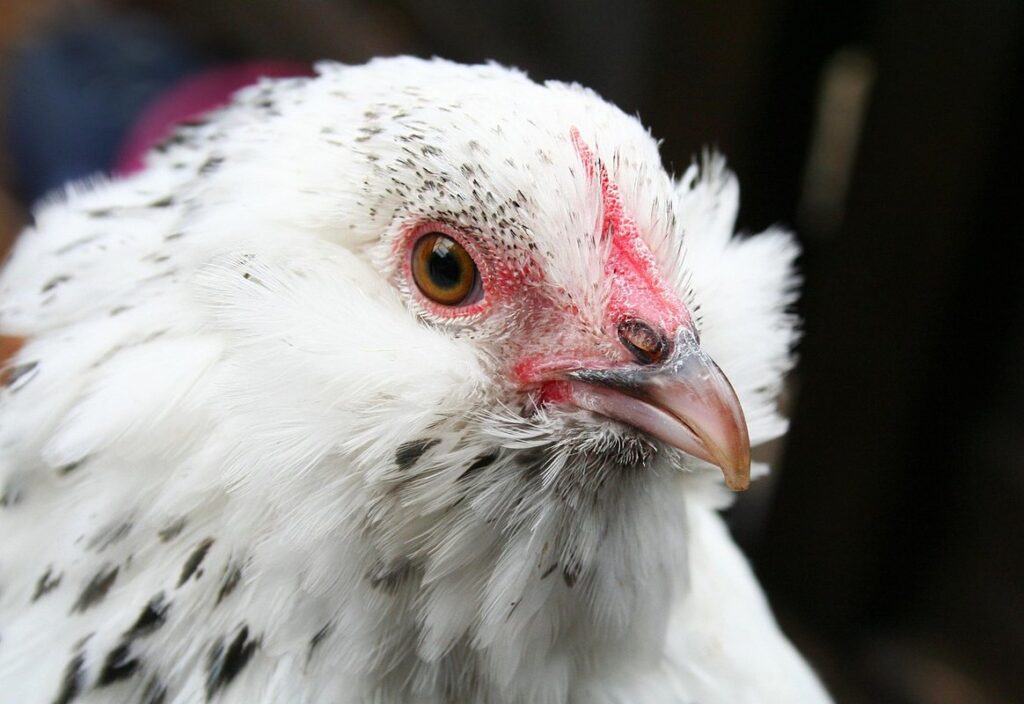
History and Origins of the Belgian DuCkle
The Belgian D’Uccle has a rich history that dates back to 19th century Belgium, where they were bred for their unique characteristics and striking appearance. Let’s explore how this breed came to be!
Early Beginnings: The Creation of a Unique Breed
The Belgian DuCkle’s early beginnings are a fascinating tale of crossbreeding and selection. The breed was created by crossing a bantam with a large fowl breed, specifically the Flemish DuCkle and the Old Dutch Faverolles. This deliberate breeding effort aimed to combine the desirable traits of both parent breeds, resulting in a unique and charming bird.
The combination of the small size of the bantam with the robust build of the large fowl led to the development of a compact yet sturdy breed. This genetic blend also introduced new characteristics such as the striking black beard and V-shaped comb. To create this distinct breed, breeders selectively bred for specific traits, carefully balancing size, temperament, and plumage.
The result was a small but feisty bird with an irresistible charm. The Belgian DuCkle’s early beginnings laid the foundation for its popularity among backyard chicken enthusiasts today. By understanding how this breed came to be, we can appreciate the dedication and expertise of the breeders who created it.
From Farm to Show Ring
In the early 20th century, the Belgian DuCkle was primarily bred for farm purposes, valued for its exceptional egg-laying abilities and hardiness. However, as poultry enthusiasts began to recognize the breed’s unique characteristics, it caught the attention of dedicated breeders who saw potential in showcasing the Belgian DuCkle in the show ring.
Notable breeders like Henry Ehrmann and Alfred C. Hagedorn played a significant role in popularizing the breed. They recognized the importance of refining the breed’s physical attributes to meet the standards of poultry shows, while maintaining its original characteristics that made it a desirable farm bird. Their efforts led to the development of a show-bred line that would eventually become synonymous with the Belgian DuCkle.
Their work not only transformed the breed but also paved the way for others to follow in their footsteps. By doing so, they helped create a community of enthusiasts who shared a passion for breeding and showcasing this unique bird. Today, many poultry fanciers aim to emulate these early breeders by selecting birds that balance farm-quality characteristics with show-stopping appeal.
Physical Characteristics of the Belgian DuCkle
Let’s take a closer look at the physical characteristics that make the Belgian DuCkle chicken breed so unique and endearing to many enthusiasts. One glance is all it takes to fall in love with their striking appearance.
Size and Proportion: A Bantam in Every Sense
When it comes to size and proportion, the Belgian DuCkle truly stands out from other breeds. Weighing in at a mere 2-3 pounds (0.9-1.4 kg), these tiny birds are often referred to as “pocket-sized” chickens. But don’t let their small stature fool you – they pack a big punch when it comes to personality and charm.
Measuring around 8-10 inches (20-25 cm) in height, the DuCkle’s compact size makes them perfect for backyard flocks or urban homesteads where space is limited. Their short legs may be a drawback for some, but they actually make these birds more agile and easier to handle. Plus, their diminutive size means less feed and resources are required to keep them happy and healthy.
One of the most striking aspects of the DuCkle’s physical characteristics is their unique feather pattern. With a mix of fluffy under-feathers and soft, smooth outer feathers, they have a delightfully “muppet-like” appearance that’s sure to win hearts. And let’s not forget those bright, curious eyes – always on the lookout for the next bug or treat. Whether you’re an experienced chicken keeper or just starting out, the Belgian DuCkle is sure to bring joy and laughter into your life with their irresistible charm and compact size.
Plumage and Egg-Laying Ability
The Belgian DuCkle’s plumage is one of its most distinctive and charming features. This small but spirited chicken breed boasts a range of beautiful feather patterns and colors, including partridge, silver, blue, and spangled. The partridge pattern, for instance, features a mottled brown and grey effect, while the spangled variety has a striking mixture of white and black feathers with speckles.
But what really sets the Belgian DuCkle apart is its impressive egg-laying ability. Hens in this breed can produce up to 180 large eggs per year, making them an excellent choice for small-scale backyard chicken keepers who want plenty of fresh eggs on hand. The key to maximizing your Belgian DuCkle’s egg production is to provide a nutrient-rich diet and ensure access to plenty of calcium to support strong bone health.
In terms of specific tips for promoting healthy egg-laying, it’s essential to note that the quality of feed can have a significant impact on output. Consider supplementing their standard layer feed with some fresh fruits and vegetables to give them an extra boost. Additionally, make sure they always have access to fresh water and a dust bath to help keep their feathers clean and prevent mites.
Temperament and Personality Traits
When it comes to the Belgian D’Uccle, you’re likely curious about their temperament and personality traits. Let’s dive into what makes these charming chickens tick.
Friendly but Feisty: The Belgian DuCkle’s Temperament Revealed
When it comes to temperament, Belgian DuCkle chickens are often described as “friendly but feisty.” And for good reason! These little birds have a unique personality that’s both endearing and entertaining. On one hand, they’re incredibly loyal to their owners and can form strong bonds with family members. They’ll follow you around the yard, eager to explore and play, and are often described as ” Velcro chickens” due to their affectionate nature.
However, don’t let their friendly demeanor fool you – Belgian DuCkle’s also have a bit of an assertive streak. They’re not afraid to stand up for themselves when faced with a predator or rival bird, making them a great choice for small farms and backyards where protection is key. To ensure your Belgian DuCkle lives up to its feisty reputation, provide plenty of space to roam and engage in regular exercise. With patience, socialization, and proper care, this breed will reward you with years of loyal companionship and entertainment. And who knows – you might just find yourself falling head over heels for their charming, spirited personalities!
Training and Socialization: Tips for Bringing Out the Best in Your Belgian DuCkle
When bringing home your Belgian DuCkle for the first time, it’s essential to establish a strong foundation for training and socialization. As a first-time owner, you may be wondering where to start. The good news is that these birds are known for being intelligent, friendly, and relatively easy-going.
To begin with, introduce your DuCkle to new environments, people, and other animals gradually. Start with short sessions in quiet areas, allowing them to become comfortable with their surroundings before introducing new stimuli. This will help prevent overwhelming or stressing your bird, which can be detrimental to their development.
Some valuable tips for training include:
* Begin with simple tasks, such as calling your DuCkle by name and rewarding them with treats when they respond.
* Use positive reinforcement techniques, such as offering rewards for desired behaviors rather than punishing undesired ones.
* Be patient and consistent in your interactions; Belgian DuCkles thrive on routine.
By following these guidelines and showing love and patience, you can help bring out the best in your Belgian DuCkle.
Health Considerations and Care
When it comes to caring for your Belgian D’Uccle, it’s essential to understand their specific health needs, from common health issues to proper nutrition and grooming. Let’s dive into these vital considerations together.
Common Health Issues Affecting the Breed
As a Belgian DuCkle owner, it’s essential to be aware of the common health issues that can affect this lovable breed. One of the most significant concerns is respiratory problems. Due to their flat faces and compact bodies, Belgian DuCckles are prone to breathing difficulties, especially in hot or humid weather. This can lead to panting, wheezing, and even heart problems if left unchecked.
Another issue that’s not uncommon among Belgian DuCckles is egg-binding. This occurs when a hen has difficulty laying eggs due to an obstruction in the reproductive tract. Symptoms include straining, lethargy, and loss of appetite. To prevent this, it’s crucial to provide your hen with adequate calcium supplements and ensure she’s getting enough exercise.
Regular health checks and monitoring for these issues can go a long way in keeping your Belgian DuCkle healthy. Keep an eye out for any signs of distress or discomfort, and consult a veterinarian if you notice anything unusual. With proper care and attention, you can help your feathered friend lead a happy and healthy life.
Nutrition and Environmental Needs: Providing the Best Life for Your Belgian DuCkle
Providing optimal nutrition and environmental conditions for your Belgian DuCkle is crucial to ensure they lead a happy and healthy life. When it comes to their diet, it’s essential to understand that they are light eaters and require less food compared to other breeds. A high-quality layer feed specifically formulated for small breed chickens should be your go-to choice. However, supplementing with fruits and vegetables is also recommended to provide essential vitamins and minerals.
In terms of environmental needs, Belgian DuCcles require a safe and spacious area to roam. A minimum of 2-3 square feet per bird inside the coop and at least 8 hours of sunlight exposure daily is crucial for their physical and mental well-being. It’s also vital to ensure proper ventilation within the coop to prevent ammonia buildup from droppings.
To create an ideal environment, consider adding some Belgian DuCkle-friendly features such as dust baths or scratching posts to keep them engaged. A balanced diet combined with a clean and stimulating living space will go a long way in promoting overall health and well-being for your feathered friends.
Breeding and Raising Belgian DuCkles
If you’re thinking of bringing these adorable birds into your flock, let’s dive into the specifics of breeding and raising healthy, happy Belgian D’Uccle chicks. This involves careful consideration and attention to detail.
The Challenges of Breeding a Rare Breed
Breeding a rare breed like the Belgian DuCkle can be a challenging and nuanced process. One of the main difficulties is selecting the right individuals for breeding. Since there are only a few reputable bloodlines available, it’s essential to carefully evaluate the quality and characteristics of each bird. This involves assessing their conformation, temperament, and genetic diversity.
Another challenge is managing inbreeding depression, which can occur when breeders use too much of the same lineage. To mitigate this risk, it’s crucial to introduce new bloodlines gradually and monitor the health and fertility of the birds closely. For example, a breeder might start by introducing a small percentage of foreign genetics and then gradually increase the proportion over several generations.
Additionally, maintaining a healthy population size is vital for the long-term sustainability of the breed. Small populations are more susceptible to genetic drift and disease, so it’s essential to have a robust breeding program in place to ensure the continued health and diversity of the Belgian DuCkle.
Tips for Raising Healthy Chicks: From Hatching to Maturation
Raising healthy chicks from hatching to maturation is crucial for their overall well-being and development. As you welcome new Belgian DuCkle chicks into your flock, ensure they receive the best possible start in life by following these essential tips.
Nutrition plays a vital role in their early growth stages. Provide starter feed rich in protein (around 20%) from day one to support rapid growth and feather development. Ensure fresh water is always available and accessible for easy drinking. As they grow, gradually introduce layer feed or a balanced breeder mix by around four weeks old.
Regular health checks are essential during the first few weeks of life. Look out for signs of disease such as labored breathing, loss of appetite, or lethargy. Isolate any birds showing these symptoms to prevent spreading illness within your flock. Keep your coop clean and disinfected regularly to reduce the risk of disease.
Introducing new chicks to their adult surroundings requires patience and careful planning. Start by keeping them in a separate enclosure where they can become familiar with each other and their environment without feeling overwhelmed. Once confident, allow them to integrate into the main flock under close supervision. This will help prevent stress-related issues and ensure a smooth transition.
Showing and Exhibiting Your Belgian DuCkle
If you’re interested in showing off your Belgian D’Uccle’s unique charms, we’ll walk through the basics of breed standards and exhibition rules. From breed clubs to shows, we’ve got you covered!
Preparing Your Bird for the Show Ring
Preparing your Belgian DuCkle for the show ring requires careful attention to grooming and presentation. Start by getting your bird accustomed to being handled regularly, as a confident and calm demeanor is essential for a successful show. Spend time gently brushing their feathers, paying particular attention to the areas around the vent, beak, and legs.
For optimal presentation, ensure your bird’s wings are properly trimmed and shaped. A good rule of thumb is to remove only 1-2 inches of primary flight feather tips, taking care not to expose the underlying quill. Clean the eyes and beak daily with a damp cloth, and gently scrub any stains or dirt accumulation on the feathers.
On show day itself, focus on presenting your bird in a way that highlights its best features. Make sure their hackle is smooth and evenly arranged, and adjust the placement of any stray feathers to create a balanced look. Pay attention to posture as well – your Belgian DuCkle should stand tall with an alert, engaged demeanor.
When transporting your bird to the show, use a sturdy carrier or cage that provides ample ventilation and room for movement. This will help prevent stress and keep your bird calm throughout the journey.
Tips for Success: How to Get the Most Out of Showing Your Belgian DuCkle
To get the most out of showing your Belgian DuCkle, it’s essential to understand the breed standard and what judges are looking for. Experienced breeders recommend studying the American Bantam Association (ABA) breed standard, which provides a detailed description of the ideal characteristics of a Belgian DuCkle.
One key aspect to focus on is the bird’s size – they should weigh between 7-9 ounces and have a compact, rounded body. Pay attention to the feathers as well; they should be short, soft, and fluffy, with a slight curl at the edges. Another crucial factor is temperament – Belgian DuCkles are known for being friendly, outgoing birds that enjoy human interaction.
To prepare your bird for showing, make sure it’s in top health and condition. A good breeder will have already started training their chicks to walk on a leash and get accustomed to handling. Practice regularly with your bird to help it become more confident and calm in its presence.
When presenting your Belgian DuCkle at the show, be prepared to discuss its breeding history, genetics, and any notable achievements or awards it may have received. Be confident and enthusiastic when talking about your bird – judges appreciate breeders who are knowledgeable and passionate about their birds.
Conclusion
So, you’ve learned all about the Belgian D’Uccle chicken and now it’s time to wrap up our journey together by summarizing the key takeaways. Let’s recap what we’ve discovered.
Recap of Key Points and Takeaways
In reviewing our exploration of the Belgian D’Uccle chicken breed, it’s clear that these charming birds have captured your attention. Before we conclude, let’s take a moment to revisit some key points and takeaways from our discussion.
The unique appearance of the Belgian D’Uccle, with its small size and compact body, is just one aspect of what makes this breed so special. Their friendly and docile nature also makes them an excellent choice for backyard chicken enthusiasts. When it comes to managing their care, remember that these birds have specific needs, including a balanced diet and adequate space to roam.
In terms of egg-laying capacity, the Belgian D’Uccle is not a high producer, but they do lay small to medium-sized eggs consistently throughout the year. If you’re considering adding this breed to your flock, be prepared for their relatively low noise level and consider pairing them with other breeds that complement their temperament.
By keeping these points in mind, you can provide the best possible care for your Belgian D’Uccle chickens and create a happy, healthy environment for all members of your flock.
Final Thoughts: The Reward of Owning a Belgian DuCkle
Owning a Belgian DuCkle is more than just having another pet in the house – it’s an experience that will bring immense joy and companionship to your life. These charming birds are truly one-of-a-kind, with their playful, affectionate personalities and unique characteristics setting them apart from other breeds.
As you’ve learned throughout this guide, the Belgian DuCkle’s smaller size, gentle nature, and ability to bond strongly with owners make them an excellent choice for families, singles, or anyone looking for a loyal companion. Their egg-laying abilities are also a bonus, providing fresh eggs right in your backyard.
To truly appreciate the rewards of owning a Belgian DuCkle, it’s essential to understand their needs and provide the proper care. Make sure to give them a spacious coop with plenty of room to move around, as well as a balanced diet that meets their nutritional requirements. With patience, love, and attention, your Belgian DuCkle will thrive and become an integral part of your family.
Frequently Asked Questions
How do I choose the right Belgian DuCkle breeder for my needs?
When selecting a breeder, look for experience with the breed, transparency about their breeding program, and willingness to provide health guarantees. Ask questions about their bloodlines, genetics, and breeding philosophy to ensure you’re getting high-quality birds. Research online reviews, ask for referrals from other breeders or owners, and visit the breeder in person to get a sense of their operation.
What are some common challenges I’ll face when breeding Belgian DuCkles?
Breeding a rare breed like the Belgian DuCkle can be challenging due to limited genetic diversity. Be prepared to deal with health issues like MHC (Major Histocompatibility Complex) and patellar luxation. Implement rigorous selection and testing protocols, maintain detailed records, and collaborate with other breeders to build a strong breeding program.
Can I raise Belgian DuCkles in a small backyard or urban setting?
Belgian DuCkle’s are well-suited for small backyards due to their calm temperament and compact size. However, ensure you provide adequate space for exercise, socialization, and proper health care. Consider factors like noise levels, local ordinances, and predator protection when deciding on the suitability of your environment.
How do I prepare my Belgian DuCkle for showing?
Start by getting your bird accustomed to being handled and examined. Introduce them to a variety of environments, people, and equipment to build confidence. Practice grooming and handling techniques to ensure your bird is comfortable with the show process. Register your bird with the correct associations and follow all necessary health protocols before taking them to a show.
Are there any specific nutritional needs I should be aware of when raising Belgian DuCkles?
Belgian DuCkle’s require a balanced diet that includes high-quality protein, fiber, and essential vitamins and minerals. Provide access to fresh water, grit, and oyster shells as needed. Consult with a poultry nutritionist or experienced breeder to develop a customized feeding plan tailored to your flock’s specific needs and ages.