
If you’re new to backyard chicken-keeping or looking to add some unique personality to your flock, you might be wondering about Buckeye chickens. These charming birds have captured the hearts of many with their striking appearance and friendly disposition. But what makes them so special? With a rich history dating back to the early 20th century, Buckeye chickens are known for their distinctive look, characterized by a mottled brown and gold plumage. In this comprehensive guide, we’ll delve into the world of Buckeye chickens, covering their origins, characteristics, and care requirements. Whether you’re an experienced chicken keeper or just starting out, our article will provide everything you need to know about bringing home one of these lovable birds and giving them a happy, healthy life.
History and Origin of Buckeye Chickens
Let’s dive into the fascinating history of the Buckeye chicken breed, which originated in the United States over a century ago. Their unique characteristics have captivated poultry enthusiasts ever since their introduction.
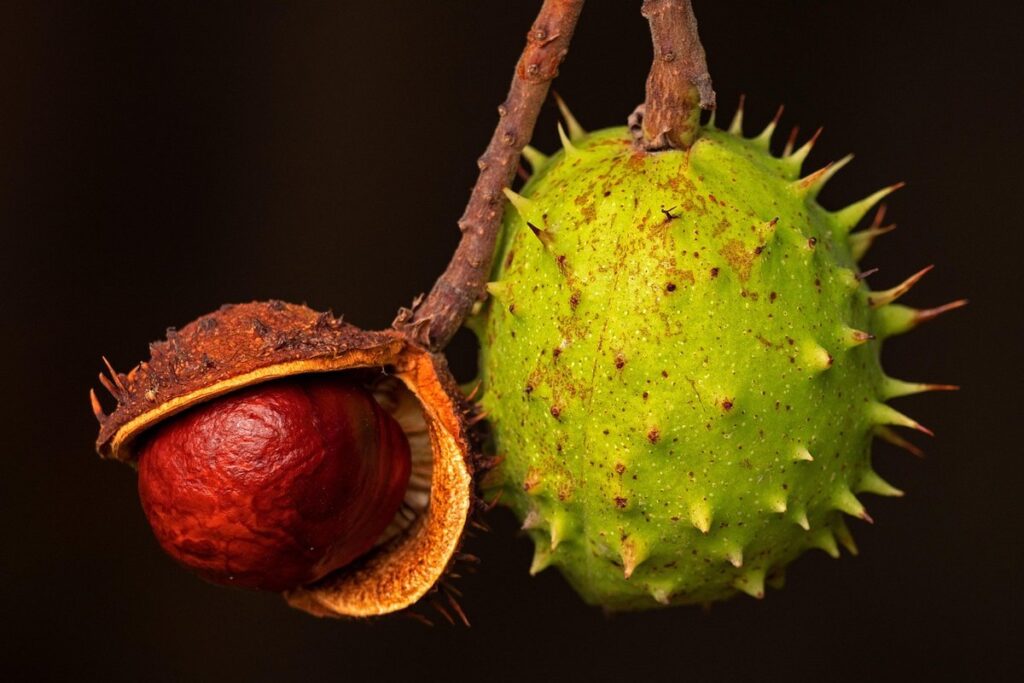
The Story Behind the Name “Buckeye”
The name “Buckeye” is deeply rooted in American culture and history. The Buckeye chicken breed was named after the official state tree of Ohio, the buckeye. The story begins with a farmer from Lancaster County, Pennsylvania, who developed this hardy and versatile bird in the late 19th century. However, it wasn’t until the early 20th century that the breed gained popularity, particularly among farmers in Ohio.
The buckeye nut itself is considered a symbol of good luck in Ohio, which adds to the significance of the name “Buckeye.” The chicken’s characteristics – such as its sturdy build and friendly nature – made it an ideal choice for small-scale farming. Today, Buckeye chickens are prized not only for their meat but also for their ability to thrive in a variety of climates and conditions.
Ohio’s strong agricultural tradition and the state’s love for the buckeye tree make the name “Buckeye” a fitting tribute to its heritage. If you’re considering raising Buckeye chickens on your farm or homestead, remember that their hardiness is just one of many qualities that make them an excellent choice. With proper care and management, these birds can thrive in even the most challenging environments.
Origins and Development of the Breed
The Buckeye chicken breed has its roots in Ohio, USA, where it was first developed in the late 19th century. The breed’s origin story begins with Mr. Benjamin F. Johnston, a poultry enthusiast from Delaware County, who started crossing Buff Orpingtons and Black Java chickens to create a hardy bird that could thrive in the state’s challenging climate.
As the Buckeye chicken gained popularity, breeders began to work on refining its characteristics. One of the key milestones in the breed’s development was the establishment of the American Poultry Association (APA) Standard for the Buckeye in 1904. This standard outlined the breed’s ideal temperament, plumage, and physical attributes.
The Buckeye chicken quickly gained recognition as a versatile bird that excelled in both egg-laying and meat production. Breeders continued to work on perfecting the breed’s characteristics, with the APA revising its Standard several times between 1904 and 1930.
Physical Characteristics and Traits
When it comes to buckeye chickens, their physical characteristics are just as charming as their personalities. Let’s take a closer look at what makes these birds so unique and endearing.
Size, Plumage, and Egg-Laying Capacity
The Buckeye chicken’s physical attributes are indeed one of its most striking features. When it comes to size, these birds tend to be on the smaller side, weighing between 5 and 7 pounds (2.3-3.2 kg) and measuring approximately 16-18 inches (40-45 cm) in height.
Their plumage is another distinguishing characteristic – featuring a mix of brown, white, and black feathers that create a unique “eye” pattern on their backs, hence the name ‘Buckeye’. This eye-catching design gives them an otherworldly appearance that’s sure to turn heads. As for egg-laying capacity, Buckeyes are decent layers, producing around 200-220 eggs per year – that’s roughly 5-6 eggs per week.
If you’re planning on raising Buckeyes, keep in mind their size and temperaments require less space than larger breeds. This means they can thrive in smaller backyards or even urban settings with some dedicated time and care from their owners.
Beak Shape, Legs, and Feathers
The buckeye chicken’s physical characteristics are truly one of its most distinctive and endearing features. When you take a close-up look at these birds, it becomes clear that their unique beak shape, leg length, and feather quality are not just aesthetically pleasing – they also serve important purposes.
One of the first things you’ll notice about a buckeye’s beak is its gentle curve. This subtle shape allows for precise pecking and scratching at feed and bedding without causing unnecessary damage to the surrounding area. Buckeyes have also been bred with shorter, more compact legs than some other breeds, which helps them navigate dense nesting boxes and tight spaces.
In terms of feather quality, buckeyes are renowned for their lush, soft plumage. Their feathers are well-distributed across the body, providing excellent insulation against cold temperatures. Additionally, the smooth texture of a buckeye’s feathers makes cleaning and maintenance a breeze – simply brush out any tangles or dirt with your fingers to keep them looking their best.
Temperament and Behavior
When it comes to buckeye chicken temperament, you want to know if they’ll fit in with your family’s dynamics and lifestyle. This section explores their known behaviors and characteristics.
Personality Traits and Docility Level
When it comes to understanding the Buckeye chicken’s temperament, one of the most important factors is its personality traits and docility level. These birds are known for being friendly and social, making them a great choice for backyard flocks or small farms.
In terms of friendliness, Buckeyes are often described as gentle giants. They have a calm demeanor and tend to get along well with other chickens, even those from different breeds. This makes them an excellent choice for families with children who want to raise their own chickens. However, it’s essential to remember that every bird has its unique personality, so socialization is still crucial.
Buckeyes are also surprisingly adaptable to different environments. They can thrive in a variety of settings, from small backyards to larger farms, as long as they have adequate space and proper care. This adaptability makes them an excellent choice for homesteaders or small-scale farmers who want a reliable egg-laying breed.
If you’re considering bringing Buckeyes into your flock, be prepared to provide plenty of social interaction and attention. With patience and proper care, these gentle birds will reward you with years of companionship and delicious eggs.
Noise Levels and Social Behavior
When it comes to noise levels and social behavior, Buckeye chickens are known for being relatively quiet compared to some other breeds. On average, they produce around 5-7 decibels of sound per minute, which is about the same level as a gentle whisper or rustling leaves. This makes them an excellent choice for backyard flocks where noise levels need to be kept under control.
In terms of social behavior, Buckeye chickens are known to be friendly and outgoing birds that thrive in the company of their own kind. They have a strong instinct to form close bonds with other flock members and will often engage in gentle pecking and preening behaviors as a way of showing affection.
If you’re considering introducing new birds to your existing flock, it’s essential to do so slowly and under controlled circumstances. Start by keeping the new birds separate from the rest of the flock for a few days before gradually reintroducing them. Monitor their behavior closely during this time to ensure that everyone gets along peacefully. With patience and proper introduction, Buckeye chickens can live harmoniously with other breeds in a mixed-flock setting.
Health Considerations and Grooming Needs
When it comes to caring for your buckeye chickens, understanding their specific health considerations and grooming needs is crucial to keeping them happy and healthy. This includes monitoring for certain health issues.
Common Health Issues and Preventative Measures
Buckeye chickens are known for their robust health, but like all breeds, they’re not immune to certain health issues. One common problem is respiratory infections, which can be triggered by factors such as poor ventilation and dirty living conditions. To prevent this, make sure your coop has adequate airflow and clean the area regularly.
Another issue that may affect Buckeye chickens is mites and lice infestations. These external parasites can cause discomfort, stress, and even anemia in severe cases. Check your birds’ feathers and skin regularly for signs of pests, and use a gentle but effective treatment to get rid of them if you find any.
Maintaining healthy weights is also crucial for Buckeye chickens. Overeating or being overweight can lead to joint problems, heart issues, and decreased egg production. Monitor their food intake closely and ensure they have enough exercise opportunities.
To keep your Buckeyes in top condition, establish a regular health check routine that includes daily inspections of their droppings, feathers, beaks, and eyes. This will help you catch any potential issues early on and make the necessary adjustments to prevent them from becoming serious problems.
Nail Trimming, Beak Maintenance, and Feather Care
As a Buckeye chicken owner, it’s essential to prioritize their nail trimming, beak maintenance, and feather care. These tasks might seem trivial, but they play a significant role in maintaining your bird’s overall health and well-being.
To trim your Buckeye’s nails, you’ll need a good pair of poultry nail clippers. Trim the nails straight across, taking care not to cut too short, as this can be painful for your chicken. It’s also crucial to get your bird accustomed to nail trimming from an early age to prevent resistance later on. For beak maintenance, you can use a beak trimmer or simply gently file the beak with an emery board. Be cautious not to remove too much, as this can cause discomfort and difficulties eating.
When it comes to feather care, regular preening is essential for your Buckeye’s plumage. Check for any matted feathers and gently work them out with a fine-tooth comb or your fingers. Also, be mindful of loose or missing feathers, which can leave areas exposed to the elements. A clean and well-maintained coat will not only keep your chicken looking their best but also prevent health issues associated with poor feather care.
Nutrition and Dietary Requirements
When it comes to caring for your buckeye chickens, providing the right nutrition is crucial. This section will help you understand their dietary needs and how to ensure they stay healthy and happy.
Balanced Diets for Adult and Juvenile Chickens
When it comes to feeding your Buckeye chickens, providing them with a balanced diet is crucial for their overall health and well-being. As a responsible chicken owner, you’ll want to ensure that you’re meeting the nutritional requirements of both adult and juvenile birds.
Adult Buckeyes require a diet rich in protein (about 15-18% on a dry matter basis) to maintain their muscle mass and support egg production. You can provide this through commercial layer feed or by supplementing with high-protein foods like mealworms, sunflower seeds, or hard-boiled eggs. Fresh vegetables like leafy greens, carrots, and sweet potatoes are also essential for providing fiber and vitamins.
For juvenile Buckeyes (chicks), the nutrient profile is slightly different. They need around 20-22% protein to support rapid growth and development. A starter feed specifically formulated for young chickens is ideal during this stage. You can also offer small amounts of high-quality grains like oats or barley, as well as some fruits and vegetables for added variety.
Aim to provide a balanced diet by offering a mix of commercial feeds, supplements, and fresh produce according to the following guidelines:
* Chicks (0-4 weeks): Starter feed only
* Pullets (5-16 weeks): Start introducing layer feed gradually while still providing starter feed as supplement
* Laying hens (17+ weeks): 100% layer feed with occasional treats
Treats and Supplements: What’s Allowed and Why
When it comes to providing treats and supplements for your Buckeye chickens, it’s essential to know what’s safe and what’s not. As a responsible backyard chicken keeper, you want to ensure that the goodies you offer won’t harm your feathered friends.
Some safe treats for Buckeyes include leafy greens like kale, spinach, and collard greens. Fresh fruits such as berries, apples, and bananas are also okay in moderation. You can even give them cooked eggs or mealworms as a special treat. However, it’s crucial to introduce new foods gradually to prevent digestive upset.
Avoid giving your Buckeyes avocados, onions, garlic, or chives, as these can cause health issues. Some supplements like oyster shells are beneficial for maintaining strong eggshells, while others may interact with medications or worsen underlying conditions.
Remember to always research the specific needs of your flock and consult with a veterinarian if you’re unsure about any treat or supplement. A balanced diet is key, so be sure not to overdo it on the treats – they should make up no more than 10% of their daily intake.
Housing and Environmental Considerations
When it comes to raising buckeye chickens, providing a safe and healthy environment is crucial for their well-being. Let’s discuss some essential housing and environmental considerations you should keep in mind.
Space Requirements and Coop Design
When it comes to housing Buckeye chickens, providing ample space for them to roam and live comfortably is crucial. These birds require a significant amount of room to move around, exercise, and engage in natural behaviors such as foraging and dust bathing.
A good rule of thumb is to provide at least 2-4 square feet of space per bird inside the coop, with additional outdoor run or enclosure area of about 8-10 square feet per bird. This allows them to stretch their wings, move around comfortably, and reduce stress levels.
In terms of coop design, consider a layout that prioritizes ventilation, insulation, and ease of cleaning. Buckeye chickens are hardy birds but can be sensitive to extreme temperatures and humidity levels. Ensure proper airflow by installing windows or vents on opposite sides of the coop, and insulate walls and floor with materials like straw or foam board.
A minimum of 6 feet in height is recommended for the coop’s interior ceiling to allow the birds to move around comfortably without feeling claustrophobic. Additionally, consider adding perches, nesting boxes, and roosting bars to create a comfortable living environment for your Buckeye chickens.
Climate Adaptability and Ventilation Needs
When it comes to housing Buckeye chickens, climate adaptability and ventilation needs are crucial considerations. In hot and humid climates, for example, proper ventilation is essential to prevent heat stress and related health issues.
In areas with extreme temperatures, ensure that your coop has adequate airflow by installing windows, vents, or fans that can be adjusted according to the temperature outside. Consider using a screened-in run to allow for cross-ventilation while keeping predators out. In regions with high humidity, it’s also essential to provide adequate drainage and dry bedding to prevent moisture buildup.
In cooler climates, prioritize insulation to maintain a stable internal temperature within your coop. Use materials like straw or shredded paper to line the walls and floor, and consider adding insulation to the roof to keep cold air out.
For areas with extreme weather conditions, such as tornado-prone regions, ensure that your coop is designed with safety in mind. Consider using reinforced materials for the structure and installing a secure door system. By understanding the specific ventilation needs of Buckeye chickens based on climate and environment, you can create a comfortable and safe living space for these wonderful birds.
Breeding and Raising Buckeye Chickens
If you’re thinking of getting into raising buckeye chickens, learning how to breed and raise them from chicks is a crucial step in ensuring their health and happiness. In this section, we’ll walk you through the process.
Finding Breeders or Hatcheries
When it comes to finding reputable breeders or hatcheries for Buckeye chickens, you have several options. You can start by searching online directories such as the American Bantam Association (ABA) or the American Poultry Association (APA), which list certified breeders and hatcheries. Social media platforms like Facebook groups dedicated to backyard chicken enthusiasts or specific breeds can also be a great resource.
You can also attend local poultry shows, where you’ll have the opportunity to meet breeders in person and learn about their operations. Word of mouth is another effective way to find reliable breeders – ask friends, family members, or fellow chicken keepers for recommendations.
When evaluating potential breeders or hatcheries, make sure they are licensed by a reputable organization, such as the National Poultry Improvement Plan (NPIP). Look for clear and detailed information on their website about breeding practices, health testing, and genetics. A reputable breeder will be transparent about the origins of their birds and provide documentation to support their claims.
Remember to also research any local laws or regulations regarding backyard chicken keeping before making a purchase.
Tips for Raising Healthy Chicks and Pullets
When raising young Buckeye chickens, it’s essential to provide them with a nurturing environment that fosters healthy growth and development. From hatching to maturity, their needs will change significantly. To ensure you’re giving your chicks the best start in life, here are some practical tips:
Firstly, make sure they have access to adequate ventilation, as young chickens can be prone to respiratory issues if the air is stale. A simple solution is to place a heat source on one side of the brooder and keep it at a comfortable temperature for them.
Next, provide your chicks with a balanced diet that includes grit, oyster shells, and high-quality starter feed. Buckeye chickens are known for their love of scratching, so make sure they have plenty of space to do just that. Also, introduce fresh water regularly to prevent bacterial growth.
As your pullets mature, gradually switch them to layer feed around 16-20 weeks old. Provide a calcium source, such as crushed eggshells or oyster shells, to promote strong bone development and eggshell production. Keep an eye on their weight, ensuring they’re not too thin or overweight.
Offer plenty of dust baths to keep your girls clean and relaxed. Monitor their health closely for signs of illness or stress, acting promptly if you notice any unusual behavior.
Frequently Asked Questions
Can I keep Buckeye chickens as pets if I live in an apartment or have limited space?
Yes, Buckeyes are relatively quiet and can thrive in smaller spaces with proper care and attention to their housing needs. However, it’s essential to research local ordinances and ensure that you’re allowed to keep backyard chickens in your area.
How do I introduce new Buckeye chickens to my existing flock without causing stress or conflict?
Introducing new birds requires patience and a gradual approach. Quarantine the new arrivals for two weeks before introducing them to the main flock, and monitor their behavior closely. Provide separate feeding areas and resources during the transition period to prevent competition.
What are some common health issues that can affect Buckeye chickens, and how can I prevent them?
Buckeyes are generally a hardy breed but may be prone to conditions like Marek’s disease, respiratory infections, and mites. Regular veterinary check-ups, proper nutrition, and maintaining clean living conditions can help prevent these issues.
How do I determine if my Buckeye chickens need more space or changes to their coop?
Observe your birds’ behavior and watch for signs of stress, such as feather pecking or excessive noise. Consider factors like the number of birds, age, and climate when deciding whether to expand their living area or make adjustments.
Can I breed Buckeye chickens myself, or do I need experience with poultry breeding?
Breeding Buckeyes can be challenging due to their specific genetic characteristics. If you’re new to chicken keeping or breeding, it’s recommended to start by purchasing chicks from reputable breeders and gain hands-on experience before attempting to breed them yourself.