
Are you looking to add some vibrant charm to your backyard with a unique and charming bird? The Speckled Sussex rooster is an excellent choice! With its stunning appearance, robust constitution, and pleasant personality, this breed has won the hearts of many poultry enthusiasts. But before bringing one home, it’s essential to understand what makes these birds tick. From their rich history as a hardy farmyard companion to their specific breeding and raising requirements, there’s more to owning a Speckled Sussex rooster than meets the eye.
In this comprehensive guide, we’ll delve into the world of Speckled Sussex roosters, covering everything from their behavior and nutrition to their health and care needs. Whether you’re an experienced poultry breeder or just starting out, our expert advice will help you make informed decisions about breeding, raising, and keeping these wonderful birds in your backyard or on your farm.
History and Origin of the Speckled Sussex
The Speckled Sussex rooster has a rich history, dating back to the early 19th century when it was first developed in England as a dual-purpose breed for both eggs and meat. Let’s take a closer look at its origins.
Early Development of the Breed
The Speckled Sussex rooster’s rich history dates back to 19th-century England, where farmers and breeders sought to create a hardy and prolific chicken breed. To achieve this goal, they crossed local game birds with Asiatic breeds, resulting in a robust and versatile bird. This early development laid the foundation for the Speckled Sussex we know today.
One of the primary factors contributing to the breed’s success was its ability to thrive in poor weather conditions. By incorporating the hardiness of local game birds into their breeding program, farmers created a chicken that could withstand the harsh English climate. This adaptation allowed the Speckled Sussex to become an essential component of many rural farms.
The early development of the Speckled Sussex breed also emphasized its dual-purpose characteristics. Not only did they produce high-quality eggs, but they were also suitable for meat production. This versatility made them a valuable asset for farmers seeking to maximize their output and minimize costs. As you consider adding the Speckled Sussex rooster to your flock, remember that these birds are designed to thrive in challenging environments and provide a reliable source of eggs and meat.
Key Characteristics that Defined the Breed
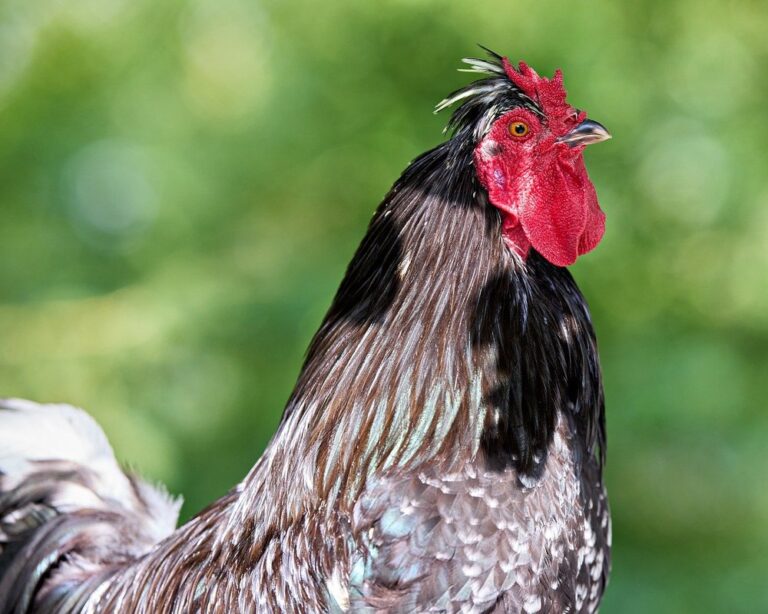
The Speckled Sussex rooster is easily identifiable by its distinctive plumage pattern, which sets it apart from other breeds. The unique speckling effect on its feathers is caused by the small, scattered patches of white on a rich brown background, giving it a charming and rustic appearance. This characteristic pattern has been a hallmark of the breed for centuries, making the Speckled Sussex instantly recognizable.
In terms of temperament, Speckled Sussex roosters are known for their friendly and outgoing personalities. They are highly social birds that thrive on interaction with humans and other animals, making them an excellent choice for backyard flocks or small farms where they can receive regular attention and care. However, it’s essential to note that like any bird breed, the Speckled Sussex requires proper handling and training from a young age to ensure they remain tame and manageable.
Physically, the Speckled Sussex rooster is a medium-sized bird with a sturdy build and strong legs. Males typically weigh between 7-9 pounds and stand around 22 inches tall at the shoulder. Their compact size makes them well-suited for smaller spaces, but their robust build ensures they can still handle cold weather conditions. Overall, the Speckled Sussex rooster’s unique combination of appearance, temperament, and physical traits has made it a beloved breed among chicken enthusiasts worldwide.
Breeding the Perfect Speckled Sussex Rooster
When it comes to breeding a top-notch Speckled Sussex rooster, you’ll want to consider his temperament, plumage quality, and overall performance in the breeding pen. Let’s dive into the key characteristics to look for.
Selecting Foundation Stock
When it comes to breeding the perfect Speckled Sussex rooster, selecting high-quality foundation stock is crucial. The quality of your starting flock will have a direct impact on the health, fertility, and overall performance of your birds.
As you begin evaluating potential breeding birds, look for individuals that exhibit excellent physical characteristics, such as sturdy build, clean feathers, and a well-proportioned body. Observe their temperament – do they display confidence and vigor? Are they friendly and docile?
It’s also essential to consider the genetic diversity of your foundation stock. A diverse gene pool will help prevent inbreeding and promote overall health within your flock. Evaluate the rooster’s ancestry, looking for birds with a strong pedigree from reputable breeders.
When selecting breeding birds, prioritize individuals that have been tested for inherited diseases such as Marek’s disease or infectious bronchitis. This will ensure you’re introducing healthy genetics into your program. By carefully evaluating and choosing high-quality foundation stock, you’ll be well on your way to raising exceptional Speckled Sussex roosters.
Genetic Considerations in Breeding
When breeding the perfect Speckled Sussex rooster, it’s essential to consider the genetic factors that can impact the health and quality of your birds. Maintaining breed purity is crucial to preserve the unique characteristics of the Speckled Sussex. This means selecting breeding stock from reputable sources and ensuring that you’re not introducing outside genetics into your flock.
Genetic disorders can be a significant concern in poultry breeding, particularly if you’re new to the process. Research has shown that genetic disorders such as Marek’s disease and muscular dystrophy are more prevalent in breeds with a high level of inbreeding. To avoid these issues, it’s vital to implement a breeding program that prioritizes diversity and selection for desirable traits.
To maintain breed purity, aim to keep your flock size small and selective, and focus on breeding birds from within the flock rather than introducing outside stock. This will help you identify potential genetic issues early on and take corrective action before they become a problem. By being mindful of these genetic considerations, you’ll be well on your way to raising healthy, high-quality Speckled Sussex roosters that meet your standards.
Raising and Caring for a Speckled Sussex Rooster
If you’re bringing home a Speckled Sussex rooster, it’s essential to understand their unique needs and requirements, from diet to health care. In this section, we’ll walk you through the basics of raising your feathered friend.
Nutrition and Health Requirements
When it comes to raising a Speckled Sussex rooster, providing the right nutrition is crucial for his overall health and well-being. These birds are heavy layers, producing an impressive 200-220 brown eggs per year, so they require a balanced diet that meets their high energy needs.
A good quality layer feed should form the basis of your rooster’s diet, supplemented with fresh fruits and vegetables to provide essential vitamins and minerals. Leafy greens such as kale and spinach are particularly beneficial, while treats like mealworms and sunflower seeds can be given in moderation. Fresh water should always be available, and a calcium supplement may be necessary to support strong eggshell production.
Common health issues in the Speckled Sussex breed include broodiness (the tendency to sit on eggs) and feather pecking (a condition where birds obsessively peck at their own feathers). To mitigate these risks, ensure your rooster has adequate exercise and mental stimulation through access to a secure outdoor run or foraging area. Regular health checks with a veterinarian will also help identify any potential issues early on.
Housing and Environmental Considerations
When it comes to housing and environmental considerations for your Speckled Sussex rooster, it’s essential to provide a safe and suitable living space that meets their needs. A well-designed coop is crucial, as it will protect your rooster from predators, harsh weather conditions, and diseases. Consider a coop with adequate ventilation, windows for natural light, and a secure entrance.
In terms of space requirements, Speckled Sussex roosters are relatively small and active birds that need room to move around. Provide at least 3-4 square feet per bird inside the coop, plus an additional 8-10 square feet in the run area for exercise and activity. Ensure the coop is placed in a quiet location to minimize stress on your rooster.
Noise considerations are also vital, as Speckled Sussex roosters can be loud, especially during mating season or when they feel threatened. You may want to consider sound-reducing materials or strategically placing the coop to minimize disturbance for neighbors.
Behavior and Temperament of the Speckled Sussex Rooster
When it comes to your speckled sussex rooster’s behavior, you’ll want to know if he’s going to be a feisty fellow or a gentle giant, and what kind of temperament you can expect.
Understanding Rooster Behavior
When it comes to understanding rooster behavior, it’s essential to recognize that each breed has its unique characteristics. The Speckled Sussex rooster is no exception. These birds are known for their friendly and docile nature, making them an excellent choice for backyard flocks.
One of the key aspects of a Speckled Sussex rooster’s behavior is its social structure. They thrive in groups and can be quite affectionate with their owners. However, it’s crucial to introduce new chickens to your flock gradually to avoid any potential conflicts. A sudden introduction can lead to stress and even aggression, especially during mating season.
In terms of aggression levels, Speckled Sussex roosters are generally mild-mannered but will defend their territory if threatened. To minimize the risk of attacks, it’s vital to provide a secure coop with adequate space for your birds to move around. Additionally, ensure that any new additions to your flock are integrated slowly and under close supervision.
When it comes to mating habits, Speckled Sussex roosters are prolific breeders and can become quite focused on finding a mate during breeding season. It’s essential to recognize the signs of courtship behavior, which may include strutting, crowing loudly, and attempting to mount hens. If you’re planning to use your birds for breeding purposes, it’s crucial to monitor their behavior closely and separate them promptly to avoid any potential injuries or stress on the females.
Training and Handling Tips
Training and handling a Speckled Sussex rooster requires patience, care, and attention to their unique temperament. To start, it’s essential to understand that these birds are social creatures and thrive on interaction. Begin by building trust with your rooster through gentle and calm interactions. Start with short sessions, perhaps 5-10 minutes daily, allowing him to become comfortable with your presence.
When handling the Speckled Sussex rooster, support his body and wings securely to avoid any accidental flapping or struggling. Be mindful of his size and strength – these birds can grow quite substantial, so be prepared for a workout when lifting or moving them around the coop or yard.
It’s also crucial to introduce gradual exposure to new environments, people, and experiences to prevent stress and anxiety. Reward calm behavior with treats and praise to reinforce positive interactions. With time and patience, your Speckled Sussex rooster will become more confident and trusting of his human caregivers. Regular handling sessions can help strengthen the bond between you and your bird, creating a lifelong friendship.
Eggs and Egg-Laying Capacity
Let’s talk turkey, or rather speckled sussex roosters! This next part is all about their impressive egg-laying abilities and what you can expect from your flock.
The Importance of Roosters in Flock Health
When it comes to maintaining a healthy flock, many backyard chicken keepers often overlook the importance of roosters. However, these magnificent birds play a vital role in ensuring the overall well-being and egg-laying capacity of your ladies. A good rooster can be the unsung hero of your flock, keeping peace and order among the hens while also promoting a balanced ecosystem.
In terms of egg production, a rooster’s presence can actually have a positive impact. Studies have shown that flocks with a rooster tend to have higher egg yields compared to those without one. This is because roosters help to reduce stress levels among the hens, which in turn can lead to improved fertility and increased egg production.
But the benefits of having a rooster don’t stop there. They also play a crucial role in maintaining the overall health of your flock by helping to regulate their behavior and preventing bullying among the hens. With a dominant rooster leading the charge, you’ll be less likely to encounter issues like feather pecking, egg eating, or even cannibalism.
In fact, many experienced chicken keepers swear by the benefits of having a single rooster in their flock, citing improvements in both egg production and overall health. So, if you’re considering adding a Speckled Sussex rooster to your backyard flock, rest assured that it will play a vital role in maintaining the well-being of your ladies – and the quality of your eggs!
Factors Affecting Egg-Laying Capacity
When it comes to egg-laying capacity, several factors come into play. As a Speckled Sussex breeder, understanding these variables is crucial for maximizing the productivity of your hens.
The breed itself plays a significant role in determining egg-laying capacity. Different breeds have varying levels of production, with some hatching from eggs that are more inclined to lay larger numbers of eggs. The Speckled Sussex is known for its moderate to high egg production, laying around 200-220 large brown eggs per year.
Nutrition also affects a hen’s ability to produce eggs. A balanced diet rich in protein, calcium, and other essential vitamins and minerals is vital for maintaining optimal egg production. Ensure your hens have access to clean water, fresh greens, and high-quality commercial feed that meets their nutritional needs.
Environmental factors such as temperature, humidity, light exposure, and space can also impact a hen’s ability to lay eggs. Adequate ventilation, adequate nesting boxes, and sufficient space for foraging are all essential for maintaining the health and productivity of your flock.
Show Standards for the Speckled Sussex Rooster
To be a champion breeder of the Speckled Sussex rooster, you need to know what judges are looking for in terms of standard breed characteristics. Let’s take a closer look at these standards.
Understanding Breed Standards
When evaluating a Speckled Sussex rooster for show, it’s essential to understand the breed standards that define its characteristics and desirable traits. The American Bantam Association (ABA) is one of the primary organizations responsible for setting these standards.
According to the ABA, a Speckled Sussex rooster should have a medium-sized build with a weight range of 3-4 pounds. Its plumage should be predominantly dark brown with distinctive white speckles covering its body. The hackle and saddle feathers should also feature these distinctive markings. In terms of temperament, the breed is known for being friendly and docile.
When assessing your rooster’s conformation, look for a well-proportioned body with a rounded breast and a deep keel. Its comb should be red in color and neatly formed. The eyes should be dark brown or reddish-brown, and its legs should be clean and free of feathers.
To ensure you’re evaluating your Speckled Sussex rooster accurately, familiarize yourself with the breed’s standards by consulting the ABA guidelines. By doing so, you’ll be able to identify any deviations from the desired traits and make informed decisions about breeding or showing your birds.
Tips for Showing Your Rooster
When it comes to showing your Speckled Sussex rooster, presentation and grooming are crucial. First impressions can make a significant difference in winning over judges. Start by keeping your rooster clean and free of dirt, dust, or debris. Regularly brush his plumage to prevent matting and tangling, paying extra attention to areas prone to feathering.
A well-groomed comb and wattle are essential for showcasing the Speckled Sussex’s unique characteristics. Use a soft-bristled brush or a clean cloth to gently remove dirt and mites from these sensitive areas. Ensure your rooster’s beak is trimmed and in good condition, as overgrown beaks can detract from his overall appearance.
For show day, style your rooster with care. Place him on a secure perch or stand that allows him to move comfortably without restriction. Avoid overcrowding the display area, giving your bird sufficient space to showcase his best features. Finally, practice walking your rooster in front of judges before the actual show to help him become accustomed to the process and build confidence. This will make him appear more relaxed and poised during the competition.
Conclusion: The Value of Keeping a Speckled Sussex Rooster
As you’ve come to appreciate the unique charms of your Speckled Sussex rooster, it’s time to consider the long-term benefits of keeping him around. You’ll soon see why this little guy is more than just a pretty face.
Benefits of Raising this Breed
Raising a Speckled Sussex rooster can bring numerous benefits to your farm or backyard flock. For one, their unique characteristics make them an excellent choice for small-scale egg producers. With their friendly and docile nature, they are easy to handle and breed, making them ideal for beginners.
Their hardiness is another significant advantage of keeping a Speckled Sussex rooster. They are resilient and can thrive in a variety of environments, from cold climates to warm weather conditions. This makes them an excellent choice for farmers who want a low-maintenance but high-producing flock.
In addition to their hardiness, Speckled Sussex roosters are also known for their exceptional egg-laying abilities. Hens will lay around 200 large brown eggs per year, making them a valuable asset to any farm or backyard flock. Their docile nature and friendly disposition make them an excellent choice for families with children who want to teach them about responsibility and animal care.
If you’re considering adding a Speckled Sussex rooster to your flock, remember to introduce them slowly to prevent any stress on the bird. With proper care and attention, they will thrive and provide you with years of enjoyment and egg production.
Final Thoughts on Breeding and Keeping the Speckled Sussex
Breeding and keeping the Speckled Sussex rooster is a rewarding experience that requires dedication and attention to detail. As you’ve learned throughout this comprehensive guide, it’s essential to understand the breed’s history and origin, as well as its unique characteristics and needs.
When breeding Speckled Sussex roosters, it’s crucial to prioritize selective breeding programs that emphasize desirable traits such as plumage quality, temperament, and fertility. This can be achieved by identifying top-notch breeding stock and implementing a careful mating strategy. For instance, consider breeding birds with excellent plumage quality to produce offspring with similar characteristics.
In addition to breeding, it’s equally important to provide your Speckled Sussex roosters with a suitable living environment that meets their specific needs. Ensure they have access to adequate space, nutritious feed, and regular veterinary care. Regular grooming and health checks can also help maintain the breed’s exceptional quality. By following these guidelines, you’ll be well on your way to successfully breeding and keeping the magnificent Speckled Sussex rooster.
Frequently Asked Questions
How do I choose the perfect foundation stock for breeding a Speckled Sussex rooster?
Choosing the right foundation stock is crucial for developing a healthy and thriving breed. Look for birds with excellent conformation, strong temperament, and high egg-laying capacity. Consider selecting birds from reputable breeders who prioritize genetic diversity and health. A diverse gene pool will help prevent inbreeding and ensure the long-term viability of your breeding program.
Can I keep a Speckled Sussex rooster as a pet if I don’t plan to breed them?
While Speckled Sussex roosters can make wonderful pets, their primary purpose is for egg production and meat. If you’re not planning to breed them, consider choosing hens over roosters to avoid any noise or aggression issues that may arise from a single male in your flock.
What are some common health issues I should be aware of when raising Speckled Sussex roosters?
As with any breed, it’s essential to monitor for common health issues like Marek’s disease, Newcastle disease, and parasites. Regular vaccinations, good biosecurity practices, and a balanced diet will help prevent these problems. Keep an eye out for signs of illness or stress in your birds, such as lethargy, labored breathing, or changes in droppings.
How do I introduce a new Speckled Sussex rooster to my existing flock?
Introducing a new rooster to the flock requires patience and careful planning. Start by isolating the new bird for a few days to allow it to get used to its surroundings. Next, gradually introduce the new rooster to the rest of the flock under close supervision, monitoring body language and behavior for any signs of aggression or stress.
Can I show my Speckled Sussex rooster in local poultry shows?
While the main focus of breeding a Speckled Sussex rooster is for egg production and meat, showing your birds can be a fun way to engage with other breeders and learn more about the breed. Familiarize yourself with the breed standard and make sure your bird meets the required criteria before entering it into a show. Good luck!