
Are you thinking of adding a new feathered friend to your flock, but not sure where to start? Look no further than the charming Blue Orpington pullet! These gentle girls are a popular choice among backyard chicken enthusiasts, and for good reason. With their stunning blue-gray plumage and friendly demeanor, it’s easy to see why so many people fall in love with them.
But raising happy and healthy Blue Orpingtons requires more than just charm – it also demands knowledge and care. That’s where this article comes in! In the following pages, we’ll explore the ins and outs of choosing the right bird, maintaining its health, and even showing off your lovely pullet in competitions. Whether you’re a seasoned chicken keeper or just starting out, this guide will provide you with everything you need to know about raising successful Blue Orpingtons.
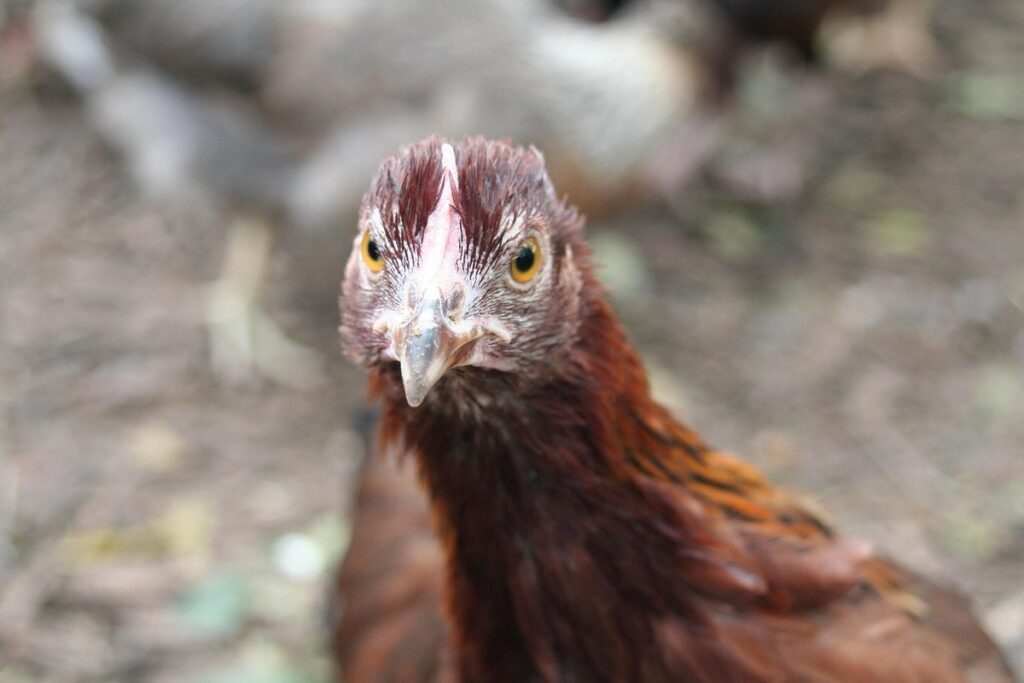
Introduction to Blue Orpington Pullets
If you’re new to raising chickens, let’s start with the basics: what makes a Blue Orpington pullet special and why they make great additions to your flock. We’ll explore their characteristics inside.
What are Blue Orpington Chickens?
Blue Orpington chickens are one of the most popular and beloved breeds among backyard flock owners. Hailing from England in the 19th century, this stunning breed was developed by William Cook for its rich, blue-gray plumage and gentle nature.
As a heritage breed, Blue Orpingtons have retained their original characteristics, which include being large to extra-large in size, with roosters weighing up to 10 pounds. Their distinctive blue-gray feathers are complemented by golden undertones, giving them an attractive sheen. They have a moderate growth rate and mature relatively quickly, making them suitable for growers looking for a rewarding project.
One of the standout features of Blue Orpingtons is their temperament – they’re known to be friendly, docile, and social birds that get along well with humans and other animals in the flock. This makes them an excellent choice for families or those new to chicken keeping. They’re also good layers, producing around 200-220 brown eggs per year.
Their calm demeanor and attractive appearance have made Blue Orpingtons a favorite among breeders and enthusiasts alike, and their popularity continues to grow as more people discover the joys of raising these lovely birds.
History of the Blue Orpington Breed
The Blue Orpington breed has a rich and fascinating history that spans over a century. Originating in England in the late 19th century, the breed was developed by crossing the Black Orpington with a white-crested Plymouth Rock. The goal was to create a bird with a unique blue-gray plumage and friendly disposition.
One of the earliest recorded mentions of the Blue Orpington breed dates back to 1894, when it was exhibited at the Royal Agricultural Show in London. The breed quickly gained popularity due to its striking appearance and excellent egg-laying abilities. In fact, Blue Orpington hens are known to lay an impressive average of 200-220 brown eggs per year.
Throughout the early 20th century, the Blue Orpington breed underwent significant improvements, with breeders selecting for desirable traits such as feather quality, beak shape, and temperament. Today, the breed is recognized by major poultry associations worldwide, including the American Poultry Association (APA) and the British Poultry Standards (BPS).
Why Choose a Blue Orpington Pullet?
Raising a Blue Orpington pullet can be an excellent choice for backyard chicken keepers and farmers alike. One of the primary advantages is their gentle nature, making them a great fit for families with children who want to interact with their chickens.
Not only are they calm and docile, but Blue Orpingtons are also relatively easy to care for. They require less space than some other breeds, which makes them ideal for small backyards or urban areas with limited space. Additionally, they have a moderate egg-laying ability, producing around 200-220 brown eggs per year.
Another benefit of raising a Blue Orpington pullet is their rich and buttery golden-brown eggs, which are highly prized by many chicken enthusiasts. Their friendly demeanor also makes them excellent foragers, allowing you to let them roam freely in your backyard without worrying about damage to your garden or property.
Ultimately, choosing a Blue Orpington pullet can bring numerous benefits to your backyard flock, from their easy-going nature to their impressive egg-laying abilities and striking appearance.
Choosing the Right Blue Orpington Pullet
When it comes to adding new birds to your flock, selecting the right blue orpington pullet can be a daunting task. Let’s break down what makes a great breed and how to choose one that will thrive on your farm.
Understanding Sex-Linked Chickens
Sex-linked chickens are becoming increasingly popular among backyard chicken keepers and breeders. But what exactly are sex-linked chickens? In simple terms, sex-linked chickens are bred to have distinct characteristics that make it easy to identify their sex at a young age.
This is particularly useful when raising chickens for meat production or exhibition purposes. For instance, if you’re breeding Blue Orpingtons for market, being able to accurately determine the sex of your chicks can save time and resources in the long run. Sex-linked chickens often exhibit differences in feather color, beak length, or comb shape.
Blue Orpingtons, in particular, are a bit more challenging to sex due to their similar physical characteristics at birth. However, some breeds within the Blue Orpington family have been developed as sex-linked, making it easier for breeders and keepers to identify male and female chicks early on. For example, the Blue Sex-Linked Chicks program developed by hatcheries like Cackle Hatchery offers a reliable way to determine the sex of your chicks through their distinct feather patterns.
By understanding how sex-linked chickens work, you can make informed decisions about which breeds to choose for your backyard flock or breeding operation.
Identifying a Female Blue Orpington
Identifying a female Blue Orpington chick or young bird can be a bit tricky, but with some guidance and practice, you’ll become an expert in no time. The key is to look for specific physical characteristics that are unique to hens.
First, examine the size of your chicks. Female Blue Orpingtons tend to be smaller than their male counterparts, especially during the first few weeks of life. A female chick will typically weigh around 3-4 ounces at hatch, while a male chick can weigh up to 5 ounces or more. However, as they grow, the size difference becomes less noticeable.
Next, check for comb shape and size. Female Blue Orpingtons have a smaller, less prominent comb compared to males. Their combs are also more rounded and droopy, whereas males have larger, more upright combs.
Finally, observe the behavior of your chicks. Hens tend to be more docile and less aggressive than roosters. If you’re still unsure, check for any visible testicles or genitalia. Female Blue Orpingtons will not have these external reproductive organs.
By paying attention to these distinguishing characteristics, you’ll be able to accurately identify the females in your flock from a young age.
Where to Buy a Blue Orpington Pullet
When it’s time to bring home your very own Blue Orpington pullet, you’ll want to make sure you’re buying from a reputable source. Fortunately, there are several options available to you.
One of the best places to start your search is with breeders who specialize in raising high-quality Blue Orpingtons. You can find breeders through word-of-mouth referrals, online directories like the American Bantam Association or the Poultry Association, or by searching for local breeders on social media platforms. When selecting a breeder, be sure to ask about their breeding program, health guarantees, and customer service.
Another option is to purchase from hatcheries that specialize in poultry. These companies often have large flocks and can provide a wide range of breeds, including the Blue Orpington. Some popular hatchery options include Meyer Hatchery, Metter Hatchery, and Cackle Hatchery. Be sure to research each hatchery’s reputation and read reviews from other customers before making your purchase.
You can also find suppliers through local feed stores or farm supply stores that carry poultry products. These suppliers may not always have a wide selection of breeds available, but they often have knowledgeable staff who can help you choose the best birds for your needs.
Health Considerations for Blue Orpington Pullets
When it comes to bringing home those adorable blue Orpington pullets, it’s essential to consider their unique health needs and take proactive steps to ensure they stay happy and healthy. Let’s dive into some crucial factors to keep in mind.
Common Health Issues in Blue Orpingtons
As an owner of Blue Orpington pullets, it’s essential to be aware of some common health issues that can affect this breed. Respiratory problems are a notable concern for Blue Orps, particularly during times of stress or when exposed to extreme temperatures. This is often due to their heavy build and the fact that they can be prone to obesity if overfed.
Obesity in itself can lead to various health issues, including joint problems and heart disease. To prevent this, ensure your pullets are getting regular exercise and monitor their food intake closely. A good rule of thumb is to provide a balanced diet and limit treats to no more than 10% of their daily caloric intake.
Another issue Blue Orps may face is heat stress during hot summer months. If you live in an area with high temperatures, it’s crucial to provide your pullets with adequate ventilation and access to cool water at all times. Be prepared to take action if you notice any signs of respiratory distress or heat-related issues, such as labored breathing or lethargy.
By being aware of these potential health concerns and taking proactive steps to prevent them, you can help ensure your Blue Orpington pullets live long, healthy lives. Regular check-ups with a veterinarian will also allow for early detection of any emerging health problems.
Nutrition and Diet Requirements
When it comes to nutrition and diet requirements for Blue Orpington pullets, it’s essential to provide them with a balanced and nutritious feed that meets their unique needs. As they grow from chicks into young hens, their dietary needs will change, and you’ll need to adjust their feed accordingly.
For starter pullets (up to 16 weeks), recommend a high-quality starter feed containing around 18-20% protein. This will help them build strong muscles and support healthy growth. Look for a feed that is specifically formulated for young birds, as it will contain the right balance of nutrients for optimal development.
As they transition into layer feed (around 16-24 weeks), you can switch to a layer feed containing around 16-18% protein. This feed is designed to promote egg production and support the bird’s overall health. Always follow the manufacturer’s instructions for transitioning between feeds, as sudden changes can lead to digestive issues.
Remember to provide fresh water at all times, and consider supplementing with calcium to support strong eggshell production. With proper nutrition, your Blue Orpington pullets will thrive and become happy, healthy layers.
Tips for Keeping Your Blue Orpington Pullet Healthy
Keeping your Blue Orpington pullet healthy is crucial to prevent diseases and parasites that can spread quickly through the flock. Start by implementing biosecurity measures such as isolating new birds for a minimum of 30 days before introducing them to the rest of the flock. This will help reduce the risk of disease transmission.
Regularly clean and disinfect living areas, feeders, and waterers with a solution of 1 part bleach to 10 parts water to prevent the buildup of bacteria and viruses. Also, ensure good ventilation in your coop to remove ammonia and moisture that can foster fungal growth.
Parasite control is another vital aspect of maintaining a healthy flock. Regularly check for signs of external parasites like mites, lice, and fleas by looking for small specks on the bird’s feathers or unusual behavior such as excessive scratching or pecking at the skin. Use a gentle insecticidal soap to treat infestations.
Monitor your birds’ droppings for internal parasites like worms, which can cause weight loss, lethargy, and poor feather condition. Regularly deworm your flock with a veterinarian-recommended product during the spring and fall when parasite populations tend to peak.
Raising Blue Orpington Pullets: Tips and Best Practices
If you’re raising blue orpington pullets, it’s essential to provide them with proper care from day one to ensure they grow into healthy and happy hens. This section covers some key tips to keep in mind.
Housing Requirements for Blue Orpingtons
When it comes to providing a suitable home for your Blue Orpington pullets, their coop requirements are crucial for their health and well-being. A minimum of 2-3 square feet per bird is recommended for the coop’s floor space, but more space is always better. This allows them enough room to move around comfortably, stretch their wings, and engage in natural behaviors like foraging and scratching.
Ventilation is also essential in a Blue Orpington coop. These birds are prone to respiratory issues due to their compact bodies and large combs, so good airflow can help prevent this. Ensure that there are windows or vents on opposite sides of the coop to facilitate cross-ventilation. This will keep your flock cool in the summer and draft-free in the winter.
The nesting box is another critical aspect of a Blue Orpington’s living space. Each bird should have its own nesting box, ideally with a roof or canopy to provide shelter from the elements. The boxes should be located at a comfortable height for the birds to access easily, around 2-3 feet off the ground. A good rule of thumb is to provide one nesting box per 4-5 hens, and make sure they’re at least 12 inches wide and 18 inches long.
Managing Your Flock’s Growth and Development
As your blue Orpington pullets grow and mature, it’s essential to monitor their progress closely. This will help you anticipate and prepare for various milestones related to feathering and egg production.
At around 16-20 weeks of age, you can expect your pullets to start developing their adult plumage. Keep an eye out for the blue-gray feathers to emerge from under the downy covering, particularly on the wings and tail. This is a significant transformation that signals they’re approaching adulthood.
Egg production typically begins around 24-26 weeks of age, but it may vary depending on factors like nutrition, health, and genetics. Be prepared for an average of 280-300 eggs per year from your blue Orpington hens.
To ensure healthy growth, make sure to provide a balanced diet that includes protein-rich feed, calcium supplements, and fresh water. Also, consider keeping track of individual pullets’ weights, egg-laying dates, and any notable physical changes to get a better understanding of their development.
By regularly monitoring your flock’s progress, you’ll be able to adjust your care routine accordingly and make the most of this exciting growth phase.
Training Your Blue Orpington Pullet
Training your Blue Orpington pullet is an essential part of her development into a well-behaved and confident hen. Socialization from an early age is crucial to help her become comfortable with human interaction and other animals on the farm or backyard.
Start by gently picking up your pullet and cradling her in the crook of your arm, making sure to support her body. Begin with short handling sessions, gradually increasing the time as she becomes more comfortable. Be gentle and careful not to startle her, as this can lead to stress and fear.
To promote socialization, introduce your pullet to other animals in a controlled environment. Start with calm, well-behaved birds or animals, and monitor their behavior to ensure everyone is getting along. As your pullet grows, she’ll benefit from learning to navigate the flock’s dynamics.
It’s also essential to spend quality time with your pullet outside of handling sessions. Provide her with a safe and stimulating environment that allows her to explore and engage in natural behaviors like foraging and scratching. By investing time and effort into socialization and training, you’ll raise a friendly, calm, and well-adjusted Blue Orpington hen.
Breeding and Showing Blue Orpingtons
If you’re interested in breeding blue Orpington pullets, this is where we’ll dive into the specifics of what to expect and how to get started. We’ll cover essential tips for selecting the right parents and preparing your birds for show.
Understanding the Breeding Process for Blue Orpingtons
When it comes to breeding Blue Orpingtons, understanding the process is crucial for producing healthy and desirable offspring. The first step in breeding these beautiful birds is selecting high-quality breeding stock. Look for birds with excellent conformation, bright blue plumage, and a strong, friendly temperament. It’s also essential to consider the bird’s lineage and ancestry, as this can greatly impact the quality of its offspring.
Once you have selected your breeding stock, it’s time to evaluate their fertility. This is typically done through artificial insemination or natural mating. When choosing a rooster for breeding, look for one with excellent sperm quality and quantity. A good rule of thumb is to select a rooster that has sired at least three healthy chicks in the past.
To ensure successful breeding, it’s also essential to consider factors such as nutrition, genetics, and health. Make sure your birds are fed a balanced diet rich in protein and calcium, and provide them with regular veterinary care. By following these steps and guidelines, you can increase your chances of producing high-quality Blue Orpington chicks.
Showing Your Blue Orpington Pullet
When it’s time to show your Blue Orpington pullet, you’ll want to make sure she’s looking her absolute best. The showing process can seem intimidating if you’re new to poultry competitions, but with some preparation and knowledge of show ring etiquette, you and your bird will be well on your way to success.
First and foremost, it’s essential to prepare your bird for the competition by keeping her in top health and condition. This means providing a balanced diet, plenty of fresh water, and regular exercise. You should also practice handling your pullet regularly to help her become accustomed to being handled, which will make her more confident and calm in the show ring.
On the day of the show, arrive early to get your bird settled into the show pen before the judges begin their rounds. Be prepared to answer questions about your bird’s breed, origin, and any other relevant details. When speaking with judges or fellow exhibitors, remember to be respectful and professional – this is a great opportunity to network and learn from others in the poultry community.
Conclusion: The Joy of Raising a Blue Orpington Pullet
Raising a blue orpington pullet can be an incredibly rewarding experience, and it’s essential to appreciate every moment. From watching them grow from fluffy chicks to majestic hens, you’ll form an unbreakable bond with your feathered friends. One of the most significant joys is witnessing their unique personalities develop. Some blue orpington pullets are friendly and outgoing, while others are more reserved.
To maximize your enjoyment, make time for regular interaction with your birds. Spend quality time with them daily, feeding, grooming, and playing together. This will not only strengthen your bond but also help you identify any potential issues early on. With patience and dedication, you’ll create a harmonious flock that brings endless joy to your life.
As the pullets mature into stunning hens, their egg-laying capabilities will surprise and delight you. Collecting fresh eggs from your backyard coop is an unparalleled experience – it’s like receiving a gift every morning!
Frequently Asked Questions
How Do I Introduce a New Blue Orpington Pullet to My Existing Flock?
When introducing a new pullet, it’s essential to do so gradually to prevent stress and fighting within the flock. Start by keeping the new bird separate from the others for a few days, allowing them to get used to each other’s sounds and scents. Once you’ve introduced the birds under close supervision, monitor their behavior and adjust your introduction process as needed.
Can Blue Orpington Pullets Be Kept in Small Backyards or Urban Areas?
Blue Orpingtons are relatively large birds, requiring at least 2-3 square feet of space per bird inside the coop. While they can thrive in small backyards, it’s crucial to provide adequate space for exercise and movement outside the coop. Consider investing in a fenced area or run to ensure your pullet gets enough physical activity.
How Often Should I Collect Eggs from My Blue Orpington Pullet?
Blue Orpingtons are prolific layers, producing around 280-300 brown eggs per year. To maintain egg production and prevent breakage, collect eggs daily, ideally in the morning when they’re most abundant. Regular egg collection will also help keep your coop clean and encourage your pullet to continue laying.
What Are Some Common Health Issues I Should Watch for in My Blue Orpington Pullet?
As with any breed, Blue Orpingtons are susceptible to common health issues like parasites, respiratory problems, and reproductive issues. Regularly inspect your bird’s droppings, comb, and vents for signs of illness or stress. Consult a veterinarian experienced in poultry care if you notice any unusual behavior or symptoms.
How Do I Know If My Blue Orpington Pullet Is Healthy Enough to Be Kept as a Breeding Bird?
When selecting breeding birds, look for characteristics like good egg production, robust health, and suitable temperament. Consider factors like egg quality, fertility rates, and overall broodiness when deciding whether your pullet is ready for breeding purposes. Consult experienced breeders or poultry experts if you’re unsure about your bird’s suitability as a breeder.