
Are you thinking of adding some charm to your backyard flock? Look no further than the beautiful Buff Brahma pullet. With their stunning golden feathers and friendly demeanor, these birds are sure to captivate anyone who lays eyes on them.
If you’re new to raising poultry or just looking for a unique addition to your flock, learning about the care needs and show preparation tips for Buff Brahma pullets is essential. Not only will they provide you with fresh eggs, but their gentle nature makes them an excellent choice for families and beginners alike. In this article, we’ll delve into the world of Buff Brahma pullets, covering their unique qualities, care requirements, and expert advice on how to show these stunning birds off at local poultry shows.
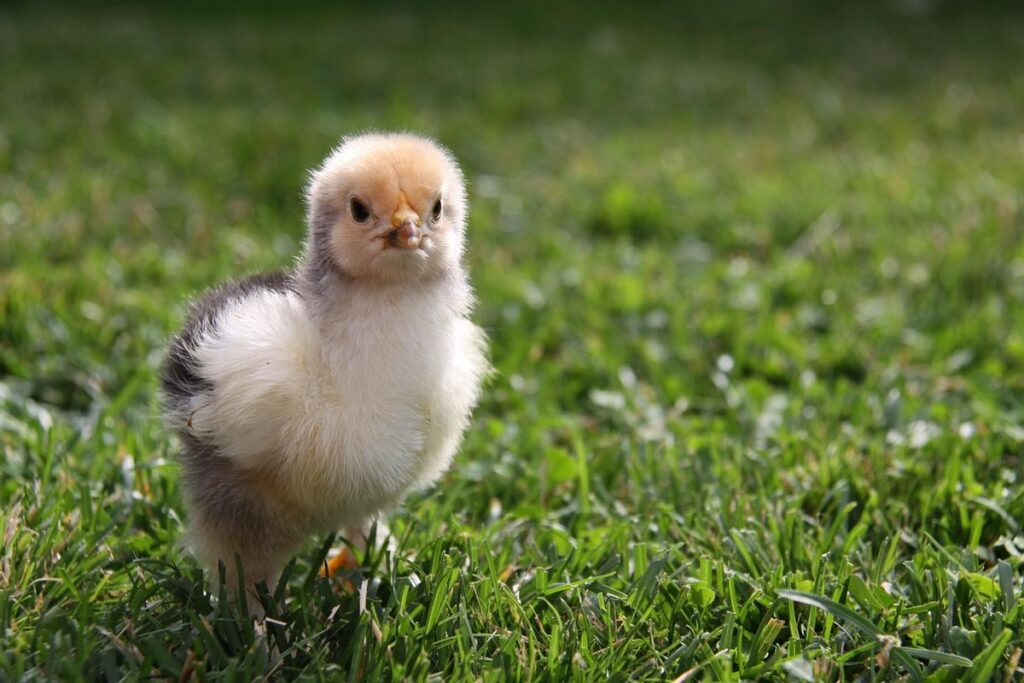
History and Origin of Buff Brahma Pullet
The Buff Brahma pullet has a rich history, originating from the Brahmas bred in the 19th century by French breeders to create an exquisite dual-purpose bird. Let’s dive into their fascinating past.
Early Development and Breeding History
The Buff Brahma breed has its roots in 19th-century England, where it was developed from the large and majestic Cochin chicken. The goal of breeding this magnificent bird was to create a gentle giant that would excel in egg-laying capabilities. In the mid-1800s, a buff-colored variety emerged as a result of crossbreeding between the Cochin and other birds.
This new breed quickly gained popularity among British farmers due to its unique characteristics: soft, lustrous feathers, impressive size (roosters can weigh up to 14 pounds), and friendly demeanor. As demand for the Buff Brahma grew, it was introduced to the United States in the late 1800s, where it became a staple breed on many farms.
The breed’s adaptability and high egg production made it an attractive choice for farmers worldwide. Today, you can find Buff Brahmas on farms across Europe, Asia, and America. If you’re interested in raising this magnificent bird, consider its needs: plenty of space to roam, a balanced diet, and regular health checks will ensure your Buff Brahma thrives.
One key factor to keep in mind is that Buff Brahmas are naturally docile but can be wary of strangers. This means they require gentle handling and early socialization to become confident birds. With patience and proper care, you’ll enjoy the companionship of these lovable giants for years to come.
Key Characteristics Influencing the Breed’s Popularity
The Buff Brahma Pullet’s charm lies in its unique combination of striking plumage and impressive size. One of the breed’s most distinctive traits is its vibrant golden-brown feathers, which give it a sun-kissed appearance. This stunning coloration is not only visually appealing but also serves as a natural deterrent against predators.
In terms of size, Buff Brahmas are truly impressive birds. They boast one of the largest weights among all chicken breeds, with hens reaching up to 4-5 pounds and roosters weighing in at an astonishing 6-7 pounds or more. This substantial size not only makes them a delight to behold but also ensures they have the energy and strength to forage effectively.
Their impressive size is also accompanied by exceptional egg-laying capabilities, with Buff Brahma Pullets consistently producing large brown eggs with excellent fertility rates. This dual advantage of striking appearance and impressive productivity has contributed significantly to their enduring popularity among poultry enthusiasts. Whether you’re an experienced breeder or a newcomer to the world of backyard chickens, there’s no denying that Buff Brahmas have something special to offer.
Physical Characteristics of Buff Brahma Pullets
When it comes to identifying a healthy buff brahma pullet, understanding their physical characteristics is crucial. Let’s take a closer look at what to expect from these lovely birds in terms of size and plumage.
Size and Weight
As you start raising Buff Brahma pullets, it’s essential to understand their average size and weight range. These birds are known for their impressive growth rates, but several factors can influence their development.
On average, Buff Brahma pullets typically reach a height of around 16-18 inches (40-45 cm) and weigh between 3.5 and 4 pounds (1.6 to 1.8 kg) by the time they’re 20 weeks old. However, some birds may grow faster or slower depending on their diet, nutrition, and overall health.
Several factors can impact growth rates in Buff Brahma pullets. For instance, proper nutrition is crucial for healthy development. A balanced diet rich in protein, calcium, and other essential nutrients will support optimal growth. Providing adequate space and exercise opportunities also plays a significant role in maintaining healthy weights and sizes. Ensure your birds have enough room to move around and engage in physical activity to prevent obesity-related issues.
By understanding the average size and weight range of Buff Brahma pullets, you can better monitor their development and make adjustments as needed to support their growth.
Plumage Coloration and Patterns
The buff-colored feathers of the Buff Brahma pullet are a result of a complex interplay of genetics. The dominant gene responsible for this characteristic is known as the “b” gene, which codes for the production of pheomelanin, a type of melanin that gives rise to yellow and red colors. When two birds with the “B” or “bb” genotype (homozygous recessive) mate, they can produce offspring with varying degrees of buff coloration.
You might notice subtle variations in pattern or intensity of color among individual pullets. This is due to other genes that influence feather pigmentation, such as those controlling eumelanin production. For example, some birds may have a more golden or orange tint to their feathers, while others may appear more beige or creamy. These differences are not only aesthetically pleasing but also serve as indicators of the bird’s overall health and genetic diversity.
By understanding the genetics behind Buff Brahma plumage, you can better appreciate the unique characteristics of your flock.
Comb and Earlobe Characteristics
The buff Brahma pullet’s comb and earlobe are two distinctive physical characteristics that set them apart from other breeds. According to the breed standard, the comb should be single and carried forward, with a moderate size, neither too small nor too large for the head. The ideal height of the comb is around one inch or less, making it easy to manage and reducing the risk of pecking damage.
In terms of earlobe length, buff Brahma pullets typically have short earlobes that are nearly absent. This characteristic makes them a great choice for backyard flock owners who want minimal earlobe maintenance. In fact, many breeders consider the absence or near-absence of earlobes to be an advantage in this breed.
When selecting buff Brahma pullets for your flock, look for individuals with combs that are well-fleshed and not too pointed. A well-groomed comb will help keep your birds healthy and reduce stress. Additionally, consider the overall appearance of the earlobe – if it’s long or prominent, it may indicate a genetic anomaly that could impact breeding decisions.
Remember to handle your buff Brahma pullets gently and carefully when selecting them for breeding or showing purposes. A gentle touch can go a long way in ensuring their well-being and helping you make informed breeding choices.
Temperament and Personality Traits
One of the most endearing qualities of buff brahma pullets is their gentle, affectionate nature, making them a beloved companion for many owners. Let’s explore what makes these birds so lovable and unique.
Friendliness and Docility
One of the standout qualities of the Buff Brahma pullet is its reputation for being extremely friendly and docile. This makes them an excellent choice for backyard flocks, especially for families with children or for those who are new to raising chickens. Their gentle nature allows them to be handled easily, even by inexperienced handlers.
In fact, many owners of Buff Brahmas have reported that their birds will often follow them around the yard, seeking attention and interaction. This behavior is a testament to the breed’s affectionate and curious nature. However, it’s worth noting that socialization from an early age is key to developing this friendly temperament in your Buff Brahma.
To encourage good behavior, provide plenty of attention and handling from day one. Let them get used to being picked up, held, and handled gently, and they will quickly learn to trust you. With proper care and socialization, your Buff Brahma pullet will become a beloved member of your flock, entertaining and delighting you with their friendly antics.
Noise Level and Vocalization Patterns
When it comes to noise level and vocalization patterns, Buff Brahmas are often described as quiet birds compared to other breeds. They tend to make less noise than many other chicken varieties, which makes them a great choice for backyard flocks or families who value peace and quiet.
However, don’t expect complete silence from your Buff Brahma pullet! While they’re generally quiet, they do have the occasional loud outburst. This is often triggered by excitement, warning calls to alert others of potential predators, or even just trying to get attention. These loud noises can range from a deep, resonant crow to a high-pitched squawk.
To minimize these occasional outbursts and maintain a peaceful atmosphere in your backyard, consider the following tips: provide plenty of space for your birds to roam and exercise, offer a varied and nutritious diet, and make sure they have plenty of hiding places and visual barriers. By doing so, you can encourage more gentle behavior from your Buff Brahma pullet and reduce those occasional loud noises.
Health Considerations and Common Issues
When raising buff Brahma pullets, it’s essential to be aware of potential health issues that can arise, such as respiratory problems and obesity. Let’s discuss some common concerns you might encounter.
Susceptibility to Certain Diseases
Buff Brahmas are known to be relatively healthy birds, but like all breeds, they can be prone to certain health issues. One of the most common problems Buff Brahmas face is respiratory issues, which can be caused by their large size and compact body type. This can lead to breathing difficulties, especially during hot weather or exercise.
Genetic predispositions are also a concern for Buff Brahmas. They can be susceptible to conditions such as bronchitis and pneumonia due to their tendency to retain heat and moisture in their bodies. Regular health checks and monitoring of their respiratory system are essential to prevent these issues from developing into more serious problems.
To mitigate the risk of respiratory issues, it’s crucial to provide Buff Brahmas with a balanced diet, regular exercise, and adequate ventilation in their living space. This includes providing them with enough room to move around, plenty of fresh air, and a clean and well-maintained coop. Regular health checks by a veterinarian will also help identify any potential problems early on, allowing for prompt treatment and prevention of complications.
Nutrition and Dietary Needs
When it comes to feeding your Buff Brahma pullet, providing a balanced diet is crucial for optimal health. These birds have specific nutritional requirements that need to be met through a combination of commercial feed and supplements.
A starter diet for Buff Brahmas should consist of a high-quality commercial broiler mash or pellet formulated specifically for young chickens. This type of feed provides the necessary protein, energy, and vitamins required for growth and development. It’s essential to follow the feeding guidelines provided on the label to avoid overfeeding or underfeeding your birds.
As your pullet grows, you can transition her to a layer feed that is high in calcium to support strong eggshell production. Fresh fruits and vegetables should also be introduced gradually to provide essential vitamins and minerals. Some good options for Buff Brahmas include leafy greens like kale and spinach, as well as berries such as strawberries and blueberries.
Remember to always provide fresh water and clean feeding areas to prevent disease and maintain your bird’s overall health.
Breeding and Raising Buff Brahma Pullets
When it comes to raising buff brahma pullets, understanding how to breed them is just as crucial as providing the best care possible. In this section, we’ll walk you through the breeding process and optimal raising conditions.
Breeding Programs and Selection Criteria
When it comes to breeding Buff Brahma pullets, careful consideration must be given to selecting breeding stock that embodies the desired characteristics of the breed. This involves not only identifying birds with desirable traits but also ensuring they are healthy and well-suited for reproduction.
To maintain the integrity of the breed, it’s essential to prioritize specific selection criteria. These include a strong, upright stance, deep breast, and full, rounded tail feathers. In terms of temperament, Buff Brahmas should be calm, docile, and friendly, making them an excellent choice as backyard chickens or in small-scale egg production.
When selecting breeding stock, look for birds that exhibit these characteristics consistently across multiple generations. This can involve keeping detailed records of your flock’s ancestry, health, and performance to identify patterns and trends.
It’s also crucial to consider factors like fertility, egg-laying capacity, and disease resistance when making breeding decisions. By prioritizing these criteria and practicing careful selection, you’ll be able to maintain the breed’s integrity and produce high-quality offspring that meet your needs.
Rearing Techniques for Healthy Growth
When it comes to rearing buff Brahma pullet chicks for healthy growth, proper housing is essential. Provide a safe and comfortable environment by setting up a brooder with adequate ventilation and heat sources. Aim for 90-100°F (32-38°C) for the first week, gradually reducing the temperature by 5-10°F (3-6°C) each subsequent week.
A nutritious diet is also crucial for healthy growth. Offer starter feed formulated specifically for young chicks, containing around 20% protein and essential vitamins and minerals. Provide fresh water at all times and maintain a clean feeding area to prevent contamination.
Regular health checks are vital to ensure your pullet chicks remain healthy. Monitor their behavior, appetite, and droppings regularly, looking out for signs of disease or stress such as diarrhea, lethargy, or labored breathing. Consult a veterinarian if you notice any unusual symptoms or concerns.
To prevent common health issues like respiratory problems, maintain good hygiene in the brooder by cleaning it daily and disinfecting equipment regularly. This will help create an environment conducive to healthy growth and development.
Show-Ready Buff Brahmas: Preparation and Tips
If you’re getting ready to show off your buff brahma pullet, you’ll want to make sure it’s looking its absolute best. This section will cover essential preparation tips and tricks to get your bird ready for the big day.
Grooming and Presentation Standards
When it comes to preparing your Buff Brahma for a show, grooming and presentation are just as important as breeding and genetics. A well-groomed bird will not only impress the judges but also reflect positively on you as a breeder.
Beak Trimming is an essential aspect of grooming. A long beak can get in the way of eating and can even cause health problems if it’s too overgrown. Trim your Buff Brahma’s beak every 4-6 weeks to keep it healthy and well-maintained. Use a beak trimmer specifically designed for chickens, and make sure to follow proper trimming techniques to avoid causing any discomfort.
Nail Care is also crucial. Long nails can cause problems when walking or perching, so it’s essential to trim them regularly. You’ll need nail clippers specifically designed for chickens, which you should use carefully to avoid cutting the quick (the pink part of the nail). Trimming every 4-6 weeks will keep your bird’s nails neat and tidy.
Presentation is key at shows, and there are a few things to consider. First, make sure your Buff Brahma has good feather coverage – a good layer of feathers will add to their overall appearance. You should also pay attention to posture: a proud and upright stance will show off their best features. Last but not least, keep them clean! A dirty bird can detract from their overall appearance and give the judges a bad impression.
Understanding Breed Standard Requirements
When it comes to preparing your Buff Brahma pullet for poultry shows, understanding the breed standard requirements is crucial. The American Poultry Association (APA) sets the guidelines for Buff Brahmas, and adhering to these standards will determine your bird’s eligibility for competition.
According to the APA, Buff Brahams should be large birds with a sturdy build and impressive wingspan. They must weigh between 11-13 pounds for females and 15-17 pounds for males. In terms of color, they should have a deep golden buff plumage with a slight copper tint on their neck feathers. The hackle and saddle feathers should be a vibrant orange-red color.
When evaluating your Buff Brahma’s conformation, judges look for a broad chest, well-sprung ribs, and strong legs. Your bird’s comb and wattles should be a deep reddish-pink color, while the earlobes should be red or pink with black centers. Remember to pay attention to your bird’s overall appearance, as it should have a harmonious balance of size, shape, and coloration.
Conclusion: The Value of Buff Brahma Pullets
As we wrap up our exploration of buff brahma pullets, let’s take a moment to discuss their value and why they’re worth considering for your backyard flock.
Recap of Key Points and Benefits
In conclusion to our discussion on Buff Brahma pullets as a backyard flock choice, let’s recap their unique qualities and advantages. As we’ve seen throughout this section, these birds bring a range of benefits to the table.
Firstly, they’re known for their high-quality eggs – rich in nutrients and consistently large in size. Their brown eggs are not only delicious but also make a great addition to any meal or recipe. This is especially true if you’re looking to start an egg-laying flock that will meet your family’s needs.
Another advantage of Buff Brahma pullets lies in their friendly, docile nature – perfect for families with children who want to get involved in poultry-keeping. Their gentle temperament makes them easy to handle and care for, even for those new to raising backyard flocks. This also means they’re less likely to cause stress or damage to your property.
If you’re looking for a breed that’s relatively low-maintenance and adaptable to different climates, Buff Brahma pullets are an excellent choice. With proper care and attention, they’ll thrive in a variety of environments, providing you with a reliable source of fresh eggs year-round.
Encouragement to Try Raising Your Own Buff Brahmas
If you’re anything like us, once you’ve fallen in love with Buff Brahma pullets, you’ll want to share that enthusiasm with others. Raising these wonderful birds can be a truly rewarding experience, and we’d encourage you to consider getting started.
It’s not just about the eggs – although those are certainly a bonus! There’s something special about watching your Buff Brahmas grow from chicks into majestic, gentle giants. And let’s not forget the joy of collecting fresh, home-laid eggs from your very own backyard.
Of course, starting out can seem daunting, but don’t worry if you’re new to poultry-keeping. With a little patience and practice, you’ll be well on your way to becoming a confident Buff Brahma breeder in no time. So why not take the plunge? You could start by reading up on breed characteristics, researching local regulations, or even visiting a reputable hatchery to get a firsthand look at these beautiful birds.
Remember, every successful farm started with a single bird. Who knows – you might just discover a new passion!
Frequently Asked Questions
How do I introduce a Buff Brahma pullet to my existing flock?
When introducing a new Buff Brahma pullet to your backyard flock, it’s essential to ensure a smooth transition for both the bird and your existing animals. Start by isolating the new bird in a separate enclosure or coop for a few days to allow it to settle. Then, under close supervision, let the birds meet each other in a neutral area with adequate space and shelter. Monitor their behavior and body language, intervening if necessary to prevent any aggression.
What are some common health issues that Buff Brahma pullets might face?
Buff Brahma pullets can be prone to certain health issues, including obesity, respiratory problems, and susceptibility to diseases like Marek’s disease and Newcastle disease. Regular veterinary check-ups, proper nutrition, and a clean living environment can help mitigate these risks. Additionally, maintaining a balanced diet and ensuring access to fresh water are crucial for overall health.
Can I keep Buff Brahma pullets in a small backyard or do they require more space?
Buff Brahma pullets need room to roam and exercise, but they don’t necessarily require an expansive area. A well-maintained backyard with adequate shelter and enough space (about 2-4 square feet per bird) can suffice for a small flock. Ensure the coop is clean, dry, and protected from predators, and consider incorporating enrichment activities to keep your birds stimulated.
How often should I groom my Buff Brahma pullet, especially during show season?
Grooming your Buff Brahma pullet regularly will help maintain their plumage’s natural beauty. During show season, you’ll need to pay closer attention to details such as comb and earlobe cleanliness, beak trimming (if necessary), and nail care. Aim for daily inspections and regular grooming sessions (about once a week) with a focus on neatness and overall appearance.
What are some key tips for preparing my Buff Brahma pullet for its first poultry show?
Before entering your Buff Brahma pullet into its first poultry show, ensure it meets the breed standard requirements. Familiarize yourself with the specific show’s rules and regulations, and consider consulting with an experienced breeder or trainer for guidance. Practice handling your bird gently but firmly to help it become accustomed to being handled by different people.