
Are you considering adding some new feathered friends to your backyard flock, or perhaps looking for a show-stopping breed to enter into competitions? If so, you might want to consider the charming Barred Rock Bantam chicken. Originating from the United States in the late 19th century, this compact and energetic bird has gained popularity among backyard chicken keepers and enthusiasts alike.
In this article, we’ll delve into the fascinating history of Barred Rock Bantams, exploring their unique characteristics, temperament, and care requirements. From providing the right nutrition to breeding and showing tips, we’ve got you covered. We’ll discuss their health needs, including any potential issues to watch out for, as well as offer expert advice on how to bring out the best in your Barred Rock Bantams. Whether you’re a seasoned chicken keeper or just starting out, this article is packed with valuable information and insights to help you make informed decisions about adding these lovable birds to your flock.
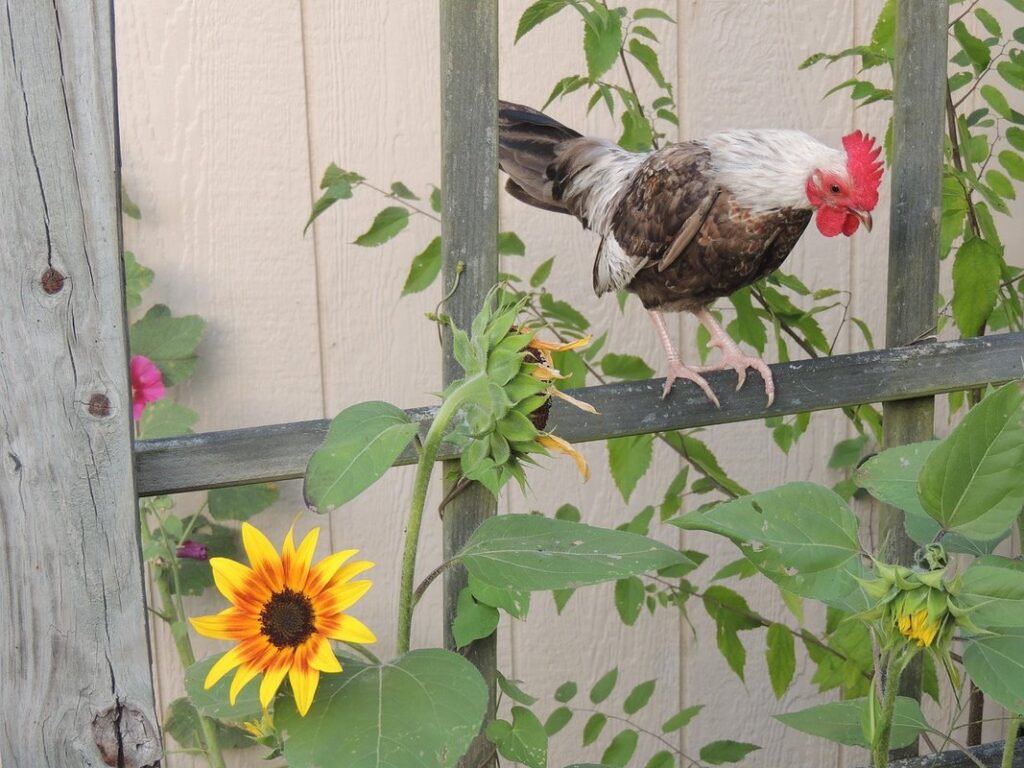
Introduction to the Breed
Let’s dive into the wonderful world of Barred Rock Bantam chickens, where you’ll learn all about their unique characteristics and what makes them such lovable companions.
History and Origin of the Barred Rock Bantam
The Barred Rock Bantam has a rich history that dates back to England in the late 19th century. It’s believed that this breed was developed from the Old English Game Fowl, which was known for its distinctive barred feathers and energetic personality. The Barred Rock Bantam was initially bred as a companion bird, valued for its small size, attractive appearance, and friendly disposition.
In the early 20th century, poultry enthusiasts in North America began importing these birds from England, where they quickly gained popularity among backyard chicken keepers. The breed’s adaptability to different climates and living conditions made it an ideal choice for farmers and hobbyists alike.
One of the key factors that contributed to the Barred Rock Bantam’s success was its ability to thrive in small spaces. With a mature weight of around 2-3 pounds, this breed requires minimal space to roam, making it perfect for urban and suburban areas with limited space for large chicken coops. Its small size also makes it an excellent choice for families with children who want to learn about raising chickens.
The Barred Rock Bantam’s friendly and curious nature has also made it a favorite among poultry enthusiasts. They are known to be social birds that thrive on interaction, making them ideal pets for those looking for a low-maintenance yet engaging companion animal.
Brief Overview of the Breed’s Characteristics
The Barred Rock Bantam chicken breed is a delightful addition to any backyard flock. Physically, these small birds are a sight to behold. They have a compact body, weighing around 1-2 pounds, with a length of about 10 inches. Their plumage is a striking mix of black and white stripes, creating a unique “barred” effect.
Temperament-wise, Barred Rock Bantams are known for their friendly and outgoing personalities. They’re highly social birds that thrive on interaction, making them an excellent choice for families or first-time chicken keepers. With proper handling from an early age, they can become quite tame and enjoy human attention. In fact, many owners report that their Barred Rock Bantams will follow them around the yard in search of treats and scratches.
In terms of behavior, these little chickens are relatively low-maintenance and easy-going. They’re not known to be noisy or aggressive, making them a great choice for apartment dwellers or those with noise restrictions. With regular care and attention, Barred Rock Bantams can live up to 8-10 years, providing hours of entertainment and joy in your backyard flock.
Physical Characteristics of the Barred Rock Bantam
The Barred Rock Bantam is a charming and compact bird, so let’s take a closer look at its distinctive physical characteristics that make it so endearing.
Size and Weight
When it comes to size and weight, the Barred Rock Bantam is a relatively small but sturdy breed. On average, roosters typically weigh between 1.5 and 2 pounds (0.7-0.9 kg), while hens usually tip the scales at around 1.3 to 1.8 pounds (0.6-0.8 kg). In terms of length, they measure approximately 11-13 inches (28-33 cm) from beak to tail, with a similar body length.
One of the distinctive characteristics of this breed is its compact and rounded body shape, which makes them appear slightly larger than they actually are. Their size also allows them to thrive in smaller backyard flocks or even apartments with suitable space for exercise. If you’re considering bringing home a Barred Rock Bantam, keep in mind that their small stature requires less food and care compared to standard-sized chickens.
In addition to their physical characteristics, it’s essential to note that individual birds can vary in size depending on factors like genetics, nutrition, and overall health. Regular monitoring of your flock’s growth and development will help you identify any potential issues early on.
Plumage and Feathers
The Barred Rock Bantam’s plumage is one of its most striking features. This breed boasts a distinctive barred pattern, characterized by horizontal black and white stripes that run across its body. The bars are evenly spaced and can vary in width depending on the individual bird, but always maintain a crisp, clean appearance.
One of the notable aspects of the Barred Rock Bantam’s feathers is their exceptional quality. They are thick, sturdy, and lie flat against the bird’s skin, giving it a neat and polished look. The feathers are also remarkably soft to the touch, making them a pleasure to handle.
In terms of feather maintenance, it’s essential to note that the Barred Rock Bantam sheds its feathers relatively easily due to its compact size. This means regular cleaning and dusting will help keep your bird looking its best. Brushing their feathers gently with a soft-bristled brush can also promote healthy growth and prevent matting.
To showcase your Barred Rock Bantam’s plumage at its finest, consider incorporating some simple grooming habits into your daily routine, such as regular nail trimming and ear cleaning to keep them in tip-top condition.
Beak and Comb Shape and Color
The beak and comb shape and color of the Barred Rock Bantam are key characteristics that set them apart from other breeds. When it comes to their beaks, you’ll notice they’re typically strong and well-suited for pecking at grains and seeds. The shape is generally straight or slightly curved, with a smooth edge that’s neither pointed nor rounded.
As for the size, Barred Rock Bantam beaks are relatively small compared to other breeds, but still robust enough for their needs. You’ll often see them measuring around 1/4 inch (6-8 mm) in length.
The color of the beak is usually a shade of yellow or orange, although some individuals may have a slight pinkish tint. This coloration helps guide food to their mouths and adds visual appeal to their overall appearance.
Moving on to the comb shape, you’ll notice it’s medium-sized and slightly rounded at the tips. Barred Rock Bantams often display an earlobe and single or five-strut combs, which are perfect for regulating body temperature in hot environments.
When choosing a breed with a desirable beak and comb type, consider consulting with a reputable breeder who can help you select individuals that best fit your needs and preferences.
Temperament and Behavior
When it comes to owning a Barred Rock Bantam, understanding their temperament and behavior is essential for creating a harmonious home environment. This means knowing how they interact with people, other pets, and even themselves.
Friendliness and Socialization
When it comes to socialization and friendliness, Barred Rock Bantam chickens are known for their gentle and affectionate nature. They thrive on human interaction and attention, making them an excellent choice for families with children or for those who want a low-maintenance pet that will follow them around the yard.
To socialize your Barred Rock Bantam, start by spending quality time with them from an early age. Handle them regularly, letting them get used to being picked up and cuddled. You can also introduce them to new environments, people, and other animals to help them become confident and calm in new situations.
One key thing to remember is that Barred Rock Bantams are naturally inclined to follow a “pack leader,” so establish yourself as the alpha figure in their lives. This will help them trust and respect you, making socialization and training a breeze.
In terms of friendliness, Barred Rock Bantams are generally excellent with other pets, especially if they’re introduced properly. They’re also relatively quiet, which makes them perfect for apartment dwellers or those who prefer a peaceful backyard experience. With proper care and attention, your Barred Rock Bantam will become an integral part of the family, always eager to interact and play.
Noise Level and Communication Style
Barred Rock Bantams are known for their lively and affectionate nature, but what about their vocalization patterns? One thing’s for sure: these little chickens can be quite loud. In fact, they’re considered medium to high-pitched squawkers, often using a range of sounds to communicate with their human caregivers.
When it comes to noise level, Barred Rock Bantams are not exactly quiet birds. They’ll let you know when they need attention or food, and they won’t hesitate to alert you to potential threats – like a stray cat wandering into the yard. However, if you’re looking for a breed that’s relatively low-maintenance in terms of noise, the Barred Rock Bantam might not be your best bet.
That being said, their communication style is actually quite endearing. They’ll often “talk” to you as they move around the coop or enclosure, using a range of chirps and clucks to express themselves. If you’re willing to invest some time in getting to know them, you can develop a strong bond with your Barred Rock Bantam – one that’s based on mutual understanding and trust.
One key tip for communicating with your Barred Rock Bantam is to pay attention to their body language as much as their vocalizations. A raised hackle or puffed-out feathers can indicate stress or anxiety, while a relaxed posture suggests contentment and trust in you. By tuning into both their noise level and non-verbal cues, you’ll be better equipped to meet their needs and build a strong relationship with your feathered friend.
Handling and Training
When it comes to handling and training Barred Rock Bantams, it’s essential to consider their unique characteristics. These little chickens are known for their friendly and curious nature, but they can also be quite skittish if not handled properly.
To start with, make sure you approach your Barred Rock Bantam calmly and quietly. Avoid sudden movements or loud noises, as these can startle them. Instead, move slowly and deliberately, allowing the chicken to become familiar with your presence. It’s a good idea to let them come to you, rather than trying to pick them up immediately.
Once you’ve gained their trust, you can begin training. Start with simple tasks like teaching them to come when called or follow a specific route around the coop. Be patient and consistent, as Barred Rock Bantams can be stubborn at times. Reward good behavior with treats and praise, and remember to give them plenty of time to relax and recharge.
Some breeders recommend using positive reinforcement techniques, such as clicker training, to help build trust and encourage desired behaviors. By being gentle, patient, and consistent, you can develop a strong bond with your Barred Rock Bantam and enjoy many happy hours together.
Health and Nutrition
As a Barred Rock Bantam chicken owner, you want to ensure your feathered friend stays healthy and thriving. This section will cover essential nutrition tips for optimal health in your small flock.
Common Health Issues in the Breed
As you bring home your new Barred Rock Bantam chicken, it’s essential to be aware of potential health issues that may affect this lovable breed. Respiratory problems are a common concern for small-breed chickens like the Barred Rock Bantam. Their compact chest size can make breathing difficult, especially during hot or humid weather.
Parasites such as mites and lice can also infest your chicken’s feathers and skin. Regular grooming and inspections can help detect these unwanted visitors early on. Keep an eye out for signs like excessive preening, loss of appetite, or visible bugs crawling on their feathers.
To prevent respiratory issues, ensure your chicken has a spacious coop with good airflow and plenty of ventilation. A dust bath area can also help them remove any dirt or debris from their lungs. As for parasites, use gentle shampoos specifically designed for chickens, and follow the manufacturer’s instructions carefully.
Nutritional Requirements
When it comes to providing optimal care for your Barred Rock Bantam chicken, understanding their nutritional requirements is crucial. These small but mighty birds require a balanced diet that meets their unique needs.
A high-quality commercial layer feed should form the foundation of your Barred Rock Bantam’s diet. However, it’s essential to supplement with fresh fruits and vegetables to ensure they receive essential vitamins and minerals. Leafy greens like kale and spinach are excellent choices, as well as carrots and apples for added fiber and antioxidants.
A good rule of thumb is to provide a varied and nutrient-rich diet that includes 50-60% grains (such as oats and barley), 20-30% proteins (like soybean meal or fishmeal), and 10-20% fats. Calcium supplements are also essential, especially for young birds or those laying eggs.
Offer treats in moderation – no more than 5-10% of their daily diet – to keep them engaged and happy. Fresh water should always be available, and a grit supplement can help support healthy digestion. By following these guidelines, you’ll be well on your way to providing the best possible nutrition for your Barred Rock Bantam.
Importance of Grooming and Hygiene
As a barred rock bantam chicken owner, it’s essential to prioritize their grooming and hygiene needs. Regular attention to these aspects can significantly impact their overall health and well-being. A clean and well-groomed barred rock bantam is not only more pleasant to be around but also less prone to health issues.
Dust baths are a crucial part of a barred rock bantam’s life. These frequent baths help remove parasites, dirt, and oils from their skin, keeping them healthy and free from diseases. Make sure your chicken has access to a shallow dish or tray filled with a mixture of sand and soil for dust bathing purposes.
In addition to dust baths, regular nail trimming and beak maintenance are vital for barred rock bantams. Long nails can cause damage to the feet, while overgrown beaks can lead to eating issues. Trim your chicken’s nails every few weeks, and file their beaks regularly using a gentle touch.
Lastly, provide your barred rock bantam with regular access to clean water and food, as well as a clean living space. This includes cleaning their coop and surrounding area frequently to prevent the buildup of bacteria and germs.
Breeding and Raising Barred Rock Bantams
Breeding and raising barred rock bantams is an exciting journey that requires attention to detail and a passion for these small, yet mighty birds. In this section, we’ll guide you through the process of successfully breeding and raising healthy barred rock bantams.
Choosing a Breeder or Hatchery
When it comes to bringing home those adorable Barred Rock Bantam chicks, choosing the right breeder or hatchery is crucial. You want to ensure that you’re getting healthy, well-socialized birds that will thrive in their new environment.
First and foremost, research, research, research! Look for breeders who are reputable and transparent about their breeding practices, health clearances, and customer testimonials. Check online reviews, social media, and poultry forums to see what other customers have to say about their experiences. A good breeder will be proud of their birds and happy to share information with you.
Red flags to watch out for include breeders who are pushy or aggressive in their sales tactics, those who don’t provide health guarantees, or those who seem evasive when asked about their breeding practices. If a breeder is unwilling to share photos or videos of the parents or the facility, it’s best to look elsewhere.
When selecting a hatchery, consider factors like shipping costs, handling procedures, and customer service. Some reputable hatcheries will even offer guarantees on their chicks’ health and viability. Take your time, do your due diligence, and you’ll be rewarded with healthy, happy Barred Rock Bantam chicks that will bring joy to your flock for years to come.
Rearing Chicks and Pullets
When it comes to rearing young Barred Rock Bantams, proper care and attention from the start is crucial for their development into healthy, thriving birds. Start by providing a warm and safe brooding environment with adequate ventilation. A heat source such as a heat lamp or ceramic heat emitter will keep them cozy, but ensure they have enough space to move around freely.
Chicks need a starter feed that’s formulated specifically for young birds, typically 18-20% protein. Provide fresh water at all times and clean the feeder and waterer daily to prevent bacterial growth. As your chicks grow into pullets (around 16-20 weeks), switch them to a layer feed with around 16% protein.
Regular health checks are vital when raising young birds. Look out for signs of illness such as labored breathing, lethargy, or changes in droppings. Check their beak and feet regularly to ensure they’re not overgrown. A well-ventilated coop with plenty of natural light will help prevent diseases.
By following these simple guidelines, you can set your Barred Rock Bantams up for a healthy start and lay the foundation for a long and happy life in your backyard flock.
Showing and Exhibiting Barred Rock Bantams
When it comes to showing off your prized Barred Rock Bantam, you’ll want to make sure you’re prepared for the big day. We’ll cover the essential tips and tricks for exhibiting these adorable birds.
Preparation and Presentation
When preparing your Barred Rock Bantam for showing, it’s essential to focus on grooming, handling, and presentation techniques that showcase the bird’s unique characteristics. Start by giving your bird a thorough cleaning, paying particular attention to the beak, feet, and wings. Use a soft-bristled brush or sponge to gently clean the feathers, working from head to tail.
Next, work on the bird’s posture and demeanor. Hold your Barred Rock Bantam firmly but gently, taking care not to handle it too roughly. This will help it relax and assume its natural stance. To achieve a balanced appearance, make sure the bird is facing directly forward with its wings held slightly back.
Presentation-wise, focus on highlighting the bird’s distinctive black and white feathers. Use a bit of creative staging by placing your bird on a pedestal or platform that shows off its striking plumage. Pay attention to the lighting in the show ring as well – soft, indirect light can help bring out the colors and patterns in your Barred Rock Bantam’s feathers.
Remember, practice makes perfect, so work with your bird regularly to get it accustomed to being handled and presented in a way that showcases its unique qualities. This will not only make the showing experience more enjoyable for both you and your bird but also increase its chances of impressing the judges.
Understanding Breed Standards
When evaluating a Barred Rock Bantam’s conformation and quality for showing purposes, understanding breed standards is crucial. The American Poultry Association (APA) sets the official breed standard for Barred Rocks, which outlines the ideal characteristics for this breed.
To evaluate a bird’s conformity to these standards, consider its physical attributes. According to the APA standard, a Barred Rock Bantam should have a compact, rounded body with a short back and well-sprung ribs. The neck should be of medium length, straight, and carried high. The beak should be black or dark gray in color.
Pay attention to the bird’s tail feathers, which should be long and carried low. The APA standard also emphasizes the importance of feather quality, particularly on the face, throat, and wings. A Barred Rock Bantam’s plumage should be dense, glossy, and well-defined, with a distinct black barring pattern.
When evaluating a bird’s conformity to breed standards, look for consistency in its physical attributes. A bird that meets the APA standard will have a balanced appearance, with no visible defects or deviations from the ideal characteristics outlined by the breed standard.
Conclusion and Final Thoughts
Now that you’ve learned all about these charming barred rock bantam chickens, let’s take a moment to summarize our key findings and wrap up our journey together.
Recap of Key Points
So, you’ve made it to the end of our comprehensive guide on Barred Rock Bantam chickens! We hope this information has been helpful in giving you a well-rounded understanding of these delightful birds. Let’s recap some of the key points we covered throughout this article.
Firstly, let’s talk about history – as one of the most popular bantam breeds, the Barred Rock originated from the Leghorn and Old English Game fowl. With their striking appearance and friendly demeanor, it’s no wonder they quickly gained popularity among backyard chicken enthusiasts.
We also explored the breed’s characteristics in depth, highlighting their compact size (typically weighing between 1-2 pounds), sturdy build, and beautiful barred feathers. If you’re looking to add a few Barred Rocks to your flock, we hope this information will help you make an informed decision.
Temperament-wise, these birds are known for being friendly, docile, and relatively quiet – making them an excellent choice for families or those living in urban areas. With proper socialization and care, they’ll get along famously with other breeds and even become quite the entertainers!
In terms of health, we touched on some common issues to watch out for, such as mites and respiratory problems. To keep your Barred Rocks happy and healthy, make sure to provide regular exercise (even just a few minutes a day can do wonders!), proper ventilation in their coop, and plenty of nutritious feed.
When it comes to nutrition, we emphasized the importance of a balanced diet that includes protein-rich foods like mealworms or crickets. A fun fact: did you know that some Barred Rock breeders swear by adding a small amount of dark leafy greens like kale to their flock’s diet?
Finally, if you’re looking to show off your feathered friends, we covered the essential requirements – from standardizing their plumage and beak shape to ensuring they meet specific weight and size guidelines.
Frequently Asked Questions
How do I ensure my Barred Rock Bantam’s plumage remains healthy and vibrant?
Maintaining a Barred Rock Bantam’s plumage requires regular grooming to prevent matting and tangling. Brush their feathers at least twice a week, paying extra attention to areas prone to matting such as the vent and undercarriage. Additionally, provide access to fresh water for bathing and consider using a dust bath or shallow dish of fine grit to help remove dirt and debris from their feathers.
What are some common health issues to watch out for in Barred Rock Bantams?
As with any breed, it’s essential to monitor your flock for potential health issues. Be on the lookout for signs of respiratory problems, such as labored breathing or wheezing, as well as symptoms of Marek’s disease, a common issue in bantam breeds. Regular vaccinations and proper nutrition can help prevent these issues.
Can Barred Rock Bantams be successfully bred in small backyard flocks?
Yes, with proper planning and attention to detail, breeding Barred Rock Bantams can be done successfully even in smaller flocks. Ensure you have a good understanding of genetics, fertility, and broodiness before attempting to breed your birds. Research reputable breeders or seek guidance from experienced breeders to help you navigate the process.
How do I introduce new Barred Rock Bantams to my existing flock?
Introducing new birds to an existing flock requires patience and careful planning. Start by keeping the new birds separate for a few days before introducing them to the main coop. Supervise interactions closely, watching for signs of aggression or stress in either group.
What are some tips for preparing my Barred Rock Bantams for showing?
Preparing your birds for shows involves attention to detail and a clear understanding of breed standards. Familiarize yourself with show rules and regulations, ensure your birds meet the required height and weight requirements, and practice handling and training to help them become comfortable in their carriers and on show grounds.