
Are you an owner of Buff Orpingtons, those gorgeous and docile backyard chickens? If so, you’re probably eager to know how to maximize their egg-laying potential. These popular breeds are renowned for producing a steady supply of large, brown eggs, making them a favorite among chicken enthusiasts. However, many owners struggle with getting their girls to lay consistently, which can be frustrating and affect the household’s egg supply.
Don’t worry; we’ve got you covered! This article is packed with expert advice on ensuring your Buff Orpingtons reach their full egg-laying potential. We’ll dive into the essential aspects of nutrition, exercise, and health considerations that directly impact their ability to produce eggs regularly. By following our tips and guidelines, you can expect a steady supply of fresh eggs from your backyard flock.
Introduction to Buff Orpington Chickens
Let’s start with the basics: these beautiful birds are a popular choice for backyard flocks, and for good reason. In this next part, we’ll explore what makes Buff Orpington chickens so great for egg-layers.
Brief History of the Breed
The Buff Orpington breed has a rich history that spans over a century. Originating in England in the late 1800s, this breed was developed by William Cook, an English poultry breeder who aimed to create a dual-purpose chicken that excelled in both egg-laying and meat production.
Cook’s vision led him to crossbreed various Orpington lines with other breeds, including the Plymouth Rock and the Sussex. The result was a stunning bird with a buff-colored plumage, gentle temperament, and impressive laying abilities. Initially bred as farm chickens, Buff Orpingtons quickly gained popularity among backyard enthusiasts for their friendly nature and high egg production.
As the 20th century progressed, the Buff Orpington’s popularity soared worldwide, becoming one of the most sought-after breeds globally. Their adaptability to various climates and living conditions made them an ideal choice for farmers and hobbyists alike. Today, Buff Orpingtons remain a beloved breed among chicken enthusiasts due to their easy-going nature, impressive egg-laying capabilities, and stunning appearance.
Their friendly demeanor has also earned them the nickname “lap chickens,” as they are known to form strong bonds with their owners. If you’re considering bringing home a new flock member, the Buff Orpington is definitely worth considering – but be prepared for a lifelong friendship!
Unique Characteristics of Buff Orpingtons
One of the things that makes Buff Orpingtons so beloved by backyard chicken keepers is their unique characteristics. If you’re new to raising chickens, it’s likely you’ve heard of this breed before, and for good reason! Their stunning golden-brown plumage sets them apart from other breeds – a gorgeous shade of yellow with hints of orange that make them look like they’ve been kissed by the sun.
But their looks aren’t the only thing that makes Buff Orpingtons special. They’re known for being friendly, docile birds that get along well with children and other pets in the household. This makes them an excellent choice for families or first-time chicken keepers who want a low-stress bird to care for.
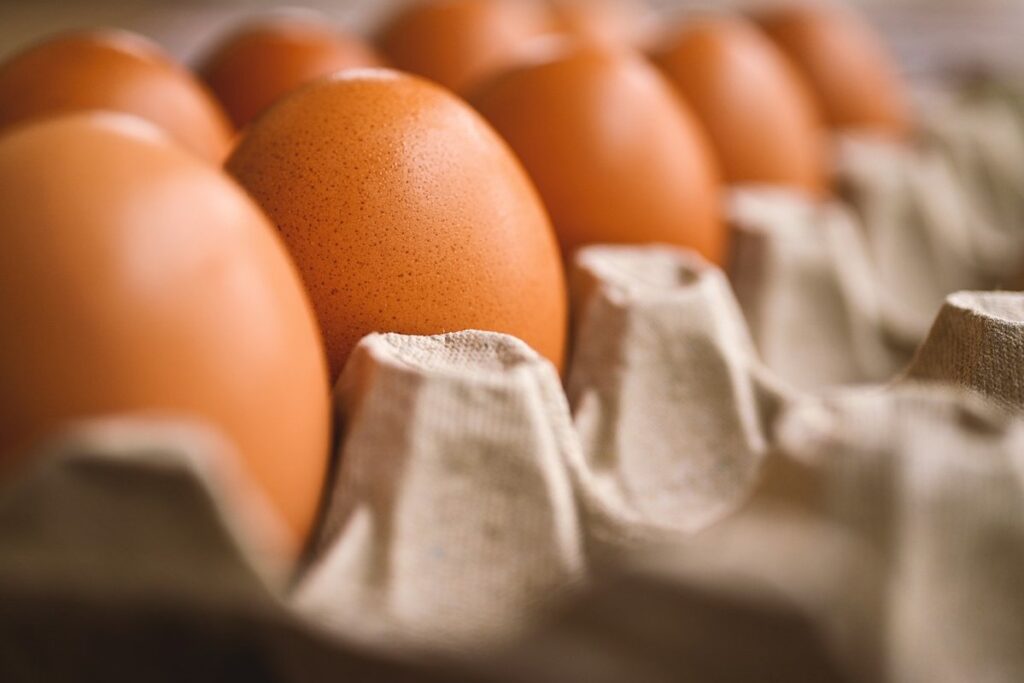
When it comes to egg-laying abilities, Buff Orpingtons are also impressive – they’re moderate to heavy layers, producing around 200-220 large brown eggs per year. That’s around 5-6 eggs per week! With their friendly disposition and impressive egg production, it’s no wonder why many chicken keepers swear by the Buff Orpington as one of the best breeds for backyard flocks.
Egg-Laying Habits of Buff Orpingtons
As you’ve probably wondered, what can you expect from your buff orpington hens when it comes to laying eggs? Let’s dive into their egg-laying habits and see if they meet your expectations.
Factors Affecting Egg Production
When it comes to egg production, Buff Orpingtons are known for their impressive laying abilities. However, several factors can influence their performance, and understanding these will help you optimize their egg-laying potential.
Age is a significant factor, as Buff Orpingtons typically start laying eggs at around 18-20 weeks of age. They’ll reach their peak production between 2-3 years, producing an average of 200-220 brown eggs per year. After that, egg production will gradually decline.
Nutrition plays a vital role in maintaining healthy egg-laying habits. A balanced diet rich in proteins, calcium, and vitamins is essential to support the development of strong, healthy eggs. Ensure your Buff Orpingtons have access to clean water and high-quality feed at all times.
Health issues can also impact egg production. Regular veterinary check-ups will help identify any potential problems early on, preventing them from affecting your flock’s performance. Breed-specific traits, such as feather quality and temperament, can also influence a Buff Orpington’s ability to lay eggs consistently.
By understanding these factors, you’ll be able to create an optimal environment for your Buff Orpingtons to thrive in, maximizing their egg-laying potential.
Average Egg Laying Capacity
When it comes to egg production, Buff Orpingtons are known for their impressive capacity. On average, a healthy Buff Orpington will lay around 200-220 eggs per year, with some exceptional hens producing upwards of 300 eggs annually.
It’s worth noting that these birds reach peak production between the ages of 18 and 24 months. During this time, they’ll typically produce one large brown egg every 25-30 hours. This means you can expect around 5-6 eggs per week from a single Buff Orpington during their prime laying years.
However, several factors can influence your bird’s egg-laying capacity. Nutrition and health play a significant role – make sure they have access to high-quality feed and plenty of fresh water. Stress and environmental conditions also impact production; provide a safe, comfortable coop with adequate space for each bird. By taking these factors into account and maintaining optimal care, you can encourage your Buff Orpingtons to reach their full egg-laying potential.
Tips for Encouraging Optimal Egg Production
To get the most out of your Buff Orpington’s egg-laying abilities, you’ll want to know some essential tips and tricks for maximizing their daily production. Let’s dive into what makes them tick!
Nutrition and Diet for Healthy Eggs
When it comes to buff orpingtons laying eggs, their diet plays a crucial role in ensuring they produce high-quality eggs. To create a balanced diet for your flock, focus on providing essential nutrients that promote optimal egg production.
Start by offering a layer feed specifically formulated for chickens over 16 weeks old. This type of feed is rich in calcium, phosphorus, and other minerals necessary for strong eggshell development. Supplement their diet with fresh fruits and vegetables daily, such as leafy greens, carrots, and berries. These provide essential vitamins A, E, and K, which help maintain healthy egg yolks.
Also, ensure access to clean, fresh water at all times to prevent dehydration, which can negatively impact egg production. Provide oyster shells or crushed eggshells as a source of extra calcium, especially for laying hens that may require it.
A well-balanced diet will not only promote healthy eggs but also support your buff orpingtons’ overall health and wellbeing. Regularly monitor their food intake and adjust as needed to maintain optimal egg production.
Providing Adequate Exercise and Space
Providing adequate exercise and space is crucial for Buff Orpingtons to maintain their optimal egg-laying capacity. These birds need room to move around and stretch their wings, which can be a challenge if you’re raising them in small backyard flocks or even in individual coops.
Aim to provide at least 2-3 square feet of space per bird inside the coop, with additional outdoor runs that offer about 8-10 square feet per bird. This will allow them to exercise and move around freely without feeling cramped. You can also consider adding some toys or scratching posts to keep them entertained and active.
To create a stress-free environment, ensure good air circulation within the coop by providing adequate ventilation. Consider using natural materials like wood or bamboo for the nesting boxes, which can help reduce ammonia levels. Additionally, make sure their water and feeders are easily accessible, so they don’t have to strain themselves while trying to reach them.
Remember, happy birds produce better eggs! By creating a spacious and stress-free environment, you’ll be contributing significantly to your Buff Orpingtons’ overall health and well-being – and that will translate into the quality of their eggs.
Common Health Issues Affecting Egg Laying in Buff Orpingtons
As a buff orpington owner, you might wonder why your girls are producing fewer eggs than usual. Let’s explore some common health issues that can affect their egg-laying abilities.
Signs of Potential Problems
As a Buff Orpington owner, it’s essential to recognize the signs of potential problems that may impact egg production. Reproductive issues are one of the most common concerns, and they can manifest in various ways. For example, if you notice a decrease in egg size or frequency, it could be a sign of reproductive problems. Similarly, if your hen is experiencing difficulty laying eggs, such as straining or discomfort, this may indicate an underlying issue.
Nutritional deficiencies are another critical area to monitor. A diet lacking essential vitamins and minerals can significantly impact egg production. For instance, a lack of calcium can lead to soft-shelled eggs, while a deficiency in vitamin D3 can cause eggs to be misshapen or pale. Be sure to provide your Buff Orpington with a balanced and nutritious feed that meets her dietary needs.
Additionally, diseases such as respiratory issues, parasites, and mites can also affect egg production. Keep an eye out for symptoms like labored breathing, runny eyes, or excessive scratching. Regular health checks, including monitoring your hen’s droppings and overall behavior, will help you identify potential problems early on, allowing for prompt action to prevent long-term damage.
Preventative Measures and First Aid
When it comes to maintaining healthy Buff Orpingtons, preventative measures and first aid are crucial to preventing common health issues from escalating into major problems. Regular checks on the hens’ living conditions can go a long way in keeping them healthy.
For instance, ensuring proper ventilation and cleanliness of the coop is vital. This includes removing droppings daily, providing adequate light, and maintaining a suitable temperature range between 40°F to 80°F (4°C to 27°C).
You should also monitor your hens’ feed and water intake closely. A balanced diet that meets their nutritional needs is essential for optimal health. Fresh vegetables and fruits can be provided as treats to keep them active and healthy.
First aid tips are equally important. For example, if you notice a hen limping or showing signs of discomfort, it may indicate an injury or infection. Provide a safe, comfortable space for her to rest, and administer basic first aid such as cleaning the wound with mild soap and water.
In case of respiratory issues like pneumonia or respiratory infections, provide plenty of fresh air by opening windows, and use a humidifier to alleviate congestion. Keep in mind that minor concerns can quickly become major problems if left unaddressed, so stay vigilant and take prompt action when necessary.
Breed-Specific Considerations for Egg Laying
When it comes to Buff Orpingtons, their egg-laying abilities can be affected by various factors specific to their breed. Let’s dive into what you need to know about this consideration.
Seasonal Variation in Production
As an egg enthusiast who owns Buff Orpingtons, you’re likely aware that these birds are prolific layers, producing an average of 200-220 large brown eggs per year. However, even with the best care and management, egg production can fluctuate significantly due to seasonal changes.
One key factor influencing seasonal variation in production is daylight hours. As the days get shorter in autumn and winter, your Buff Orpingtons will naturally produce fewer eggs. In fact, research has shown that a 1% decrease in daylight hours can result in a 2-3% decrease in egg production. Conversely, longer days during spring and summer stimulate egg laying.
To mitigate this variation, consider implementing some simple strategies. For instance, providing supplemental lighting to maintain optimal daylength can help support consistent egg production. Additionally, ensuring your flock has access to a nutrient-rich diet and maintaining good health practices will also play a crucial role in managing seasonal fluctuations. By being aware of these factors and taking proactive steps, you can better anticipate and prepare for the natural ups and downs in your Buff Orpingtons’ egg-laying abilities.
Climate Adaptability and Cold Hardiness
As an egg layer enthusiast, you might be wondering if Buff Orpingtons can handle varying climates and temperatures. The good news is that these gentle giants are relatively adaptable to different environments. They originated in England, where the climate is quite temperate, but they’ve also thrived in warmer and cooler regions.
One of the key factors to consider when keeping Buff Orpingtons is their cold hardiness. While they can tolerate some frost, prolonged exposure to subzero temperatures can be detrimental. To keep them comfortable during harsh winters, provide a dry coop with adequate ventilation, insulation, and access to unfrozen water. You can also consider adding extra bedding material or a windbreak to shield them from extreme winds.
In warmer climates, Buff Orpingtons may require additional cooling measures, such as providing shade, installing fans, or setting up misting systems to keep them cool. It’s essential to observe your flock’s behavior and adjust their living conditions accordingly. For instance, if you notice they’re seeking shade during the hottest part of the day, it’s a sign that they need some respite from the heat.
By understanding and responding to your Buff Orpingtons’ comfort needs, you can help them thrive in various climate conditions.
Conclusion: Tips for Successful Egg Laying with Your Buff Orpington
Now that you’ve learned all about your Buff Orpington’s egg-laying habits, let’s dive into some practical tips to help maximize their production and keep them happy and healthy. With these expert suggestions, you’ll be well on your way to a bountiful harvest!
Summary of Key Takeaways
In summary, we’ve covered all aspects of egg laying with your Buff Orpingtons. To ensure they lay healthy eggs, it’s essential to provide optimal care and nutrition. A balanced diet rich in protein and calcium is crucial for maintaining strong eggshell production.
Make sure your girls have access to fresh water at all times and a reliable source of light during the winter months when natural sunlight may be scarce. A safe and clean coop with adequate ventilation will also help reduce stress and prevent health issues.
Maintain a regular exercise routine, such as providing a dust bath or a scratching post, to keep your girls active and engaged. Monitor their egg-laying frequency and adjust their diet accordingly if you notice any deviations from the norm.
Additionally, prioritize regular health checks, and be prepared for potential reproductive issues that may arise due to genetics or environmental factors. With these simple tips in mind, you’ll be well on your way to creating a happy and healthy flock that lays eggs consistently throughout the year.
Encouraging a Long-Term Commitment to Egg Production
As you near the end of your Buff Orpington’s egg-laying journey, it’s essential to think about long-term commitment. Maintaining a healthy and happy flock requires ongoing care, attention, and investment. To ensure consistent high-quality egg production, prioritize continued learning and improvement.
Start by regularly monitoring your flock’s health, adjusting their diet, and providing necessary supplements as needed. Keep detailed records of feeding schedules, vaccinations, and breeding cycles to optimize reproductive performance. Be prepared to adapt your management strategies based on weather conditions, seasonal changes, and emerging challenges like pests or diseases.
Another critical aspect is maintaining a robust social structure within the flock. Introduce new birds gradually, ensuring they’re well-integrated into the existing pecking order. Rotate nesting boxes regularly to prevent overuse and maintain cleanliness. Allocate sufficient space for your Buff Orpingtons to roam, exercise, and engage in natural behaviors.
By focusing on these long-term aspects, you’ll be able to enjoy a bountiful harvest of delicious eggs from happy, healthy birds that thrive under your care.
Frequently Asked Questions
What are some common signs that my Buff Orpington is getting enough protein for optimal egg production?
Adequate protein intake is crucial for healthy eggs, and a balanced diet should include around 16-18% protein. Look out for shiny feathers, strong beak growth, and a smooth egg-laying cycle as indicators of sufficient protein consumption.
How often can I expect my Buff Orpingtons to lay eggs during the winter months when daylight hours are shorter?
Egg production does decrease during the winter due to reduced daylight hours. However, some Buff Orpingtons may continue laying at a slower rate. Expect around 20-30% reduction in egg production during this time.
What if I notice my Buff Orpington’s egg-laying cycle slowing down or ceasing altogether? Are there any health issues I should be concerned about?
Yes. If you notice an abrupt change in your bird’s egg-laying habits, check for potential health issues like molting, reproductive problems, or nutrient deficiencies. Ensure a balanced diet and consult a veterinarian if the issue persists.
Can Buff Orpingtons adapt to hot climates, and are there any special considerations I should take when keeping them in warmer environments?
Buff Orpingtons can tolerate warm temperatures but may require extra care in extremely hot climates. Provide adequate ventilation, shade, and access to cool water to prevent heat stress.
Are there specific breed-related considerations for Buff Orpingtons that might impact their egg-laying potential?
While generally reliable egg layers, some Buff Orpington lines may be bred more for meat production or have varying egg-laying capacities. Research the specific characteristics of your bird’s bloodline and adjust care accordingly to optimize egg production.