
You might be familiar with the term “quail” but did you know that within this group, there are over 60 species? One such fascinating bird is the Coturnix coturnix, also known as the common quail. Found in various parts of Europe, Asia, and North Africa, these birds have adapted to living in diverse habitats. From scrublands to grasslands, they can thrive in different environments.
In this article, we’ll delve into the world of Coturnix coturnix, exploring its physical characteristics, habitat, behavior, and conservation status. We’ll also look at some interesting facts about these birds that might surprise you. Moreover, we’ll touch on their cultural significance, which spans across various regions. By understanding more about this bird species, you’ll gain a deeper appreciation for the natural world and the importance of conserving its habitats. Let’s begin our journey into the fascinating world of Coturnix coturnix.
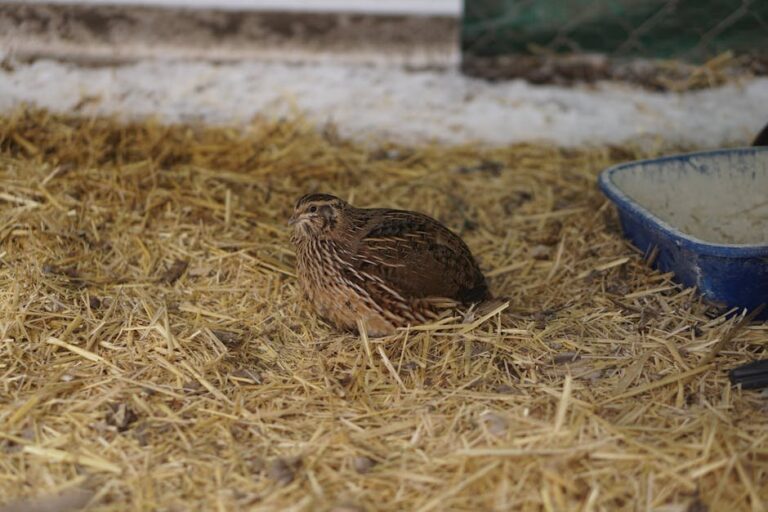
What is Coturnix Coturnix?
Let’s dive right into what makes these birds tick, starting with their scientific name and a brief explanation of their characteristics. This section will provide a foundation for understanding Coturnix coturnix.
Scientific Classification and Taxonomy
Coturnix coturnix belongs to the kingdom Animalia, which is home to all multicellular, eukaryotic organisms that are primarily heterotrophic. This classification places them alongside other animals such as birds, mammals, and insects. Moving down the taxonomy hierarchy, we find that Coturnix coturnix falls under the phylum Chordata, characterized by the presence of a notochord at some stage in their development.
As we further refine our classification, we arrive at the class Aves, which is comprised of all birds. This includes species such as parrots, eagles, and doves, among many others. The order Galliformes is where Coturnix coturnix finds its home within this class. Within this order are pheasants, quails, turkeys, and chickens.
The family Phasianidae is the next level of classification for Coturnix coturnix, which includes pheasants and partridges. This family shares similarities with the chicken’s ancestors but does not include them within its own group. The genus Phasianus is where these birds are grouped together based on their shared characteristics.
At the final step in the scientific classification of Coturnix coturnix is the species designation, denoting that it is a unique and distinct species from others within its taxonomic hierarchy.
Physical Characteristics and Description
Coturnix coturnix, also known as the common quail or Japanese quail, is a small, yet striking bird species. On average, an adult Coturnix coturnix measures around 14-16 centimeters (5.5-6.3 inches) in length and weighs between 60-80 grams (2.1-2.8 ounces). When it comes to plumage, they have a distinctive appearance with a brownish-gray back, white underside, and a black throat patch. The beak of the Coturnix coturnix is short, stout, and dark-colored, perfectly suited for their seed-eating diet.
One of the most noticeable features of these birds is their legs and feet. They are relatively long in proportion to their body size and have strong, sturdy feet that help them navigate through dense vegetation with ease. In terms of plumage, they have a subtle pattern on their legs, which helps in identification. As for variations, there’s not much notable difference between males and females when it comes to physical characteristics, although the male Coturnix coturnix tends to be slightly larger than the female.
The overall appearance of the Coturnix coturnix is characterized by its rounded body shape and broad wings.
Habitat and Distribution
The Coturnix coturnix is a versatile bird species found in various parts of the world, and its habitat and distribution are quite extensive. Let’s dive into where you can spot them naturally.
Natural Habitat and Ecosystems
Coturnix coturnix can be found inhabiting various natural habitats and ecosystems around the world. In their native Europe, Asia, and Africa, they typically reside in forests, where they forage for seeds, fruits, and insects. However, their adaptability has enabled them to thrive in other environments as well.
Grasslands and wetlands are also common habitats for coturnix coturnix. They often inhabit the grassy edges of these areas, feeding on small invertebrates and plant material. In fact, studies have shown that up to 50% of their diet consists of insects, which they actively seek out during their daily foraging activities.
Agricultural areas also provide a suitable environment for coturnix coturnix. They often exploit human-altered landscapes by feeding on seeds, grains, and other crops. This has led some farmers to view them as pests, but it’s essential to remember that they are simply opportunistic birds responding to available food sources.
In their natural habitats, coturnix coturnix often coexist with other bird species, such as sparrows and finches. Understanding their ecological roles in these ecosystems is crucial for effective conservation and management efforts.
Geographic Range and Migration Patterns
Coturnix coturnix is widely distributed across the globe, with a native range that spans across Africa, Europe, and Asia. Its introduced range includes parts of North America, South America, Australia, and New Zealand. In its natural habitat, it can be found in diverse environments, from grasslands to forests and wetlands.
The species’ adaptability is reflected in its ability to thrive in various climates, with some populations migrating between summer and winter habitats. For example, European coturnix coturnix migrate from northern Europe to southern France for the winter months. Similarly, in North America, introduced populations can be found along the eastern seaboard, where they have established breeding grounds.
It’s worth noting that the species’ migratory patterns are influenced by factors such as food availability and predation pressures. While some populations exhibit nomadic behavior, others remain resident, relying on their ability to adapt to changing environmental conditions. This flexibility is a key factor in the species’ success and wide distribution.
Behavior and Diet
When it comes to keeping Coturnix Coturnix happy and healthy, understanding their unique behavior and dietary needs is crucial for any poultry enthusiast. This section will cover essential tips on feeding and interacting with your birds.
Breeding and Nesting Habits
Coturnix coturnix are known to form long-term pair bonds, and their courtship displays are a vital part of their breeding habits. During courtship, males will perform elaborate displays to attract females, including calling, strutting, and performing complex foot-work. Males will also engage in territorial behavior to establish dominance over potential rivals.
Once paired, the female coturnix coturnix will choose a nesting site that provides suitable shelter and protection from predators. This can be a natural cavity, such as an old burrow or hollow log, or even a man-made structure like a nest box. Clutch sizes typically range from 10 to 15 eggs, although this can vary depending on factors such as food availability and habitat quality.
It’s essential for breeders to provide coturnix coturnix with suitable nesting sites to encourage successful breeding. This can be achieved by offering purpose-built nest boxes or creating natural cavities in a secure and predator-free area. By replicating the natural environment, breeders can increase the chances of successful hatching and fledging. A well-placed nest box should be positioned at least 3-4 feet off the ground to prevent predation by snakes, weasels, or other predators.
Foraging and Feeding Habits
When it comes to foraging and feeding habits, coturnix coturnix is a highly adaptable species that has evolved to thrive in various environments. Their diet composition primarily consists of small insects, seeds, and grains, making them opportunistic omnivores. They have been known to feed on a wide range of food sources, including earthworms, beetles, ants, and even plant matter such as leaves and grasses.
In the wild, coturnix coturnix employ various hunting strategies to obtain their food. They use their sharp eyesight to spot potential prey from afar, before swooping down quickly and efficiently to catch their quarry. This stealthy approach allows them to conserve energy while maximizing their foraging success. As a result, they are highly effective at exploiting available food resources in their environment.
One of the key advantages of coturnix coturnix is their ability to adjust their diet according to seasonal changes and resource availability. For example, during periods of drought or extreme weather conditions, they will focus on gathering more abundant plant matter or seeds rather than relying solely on insects for sustenance. By being flexible and adaptable in their feeding habits, coturnix coturnix are able to survive and thrive even in challenging environments.
Conservation Status and Threats
As we delve into the world of coturnix coturnix, it’s essential to understand their current conservation status and the various threats they face in the wild. We’ll examine these pressing issues together.
Current Conservation Status
As of the latest assessment, the coturnix coturnix is not considered to be threatened with extinction at the global level. The International Union for Conservation of Nature (IUCN) Red List categorizes the species as “Least Concern,” indicating that it remains relatively widespread and common across its range. However, this does not mean that local populations are immune to threats.
In some regions, coturnix coturnix is hunted for food or sport, which can impact population numbers. Habitat loss and degradation due to agriculture, urbanization, and other human activities also pose significant risks to the species’ survival. For example, in certain parts of its range, agricultural intensification has led to the destruction of grasslands and wetlands, crucial habitats for coturnix coturnix.
According to a study published by BirdLife International, habitat loss and degradation are major drivers of decline in many bird species, including the coturnix coturnix. To mitigate these impacts, conservation efforts should focus on protecting and restoring natural habitats, as well as promoting sustainable land-use practices. By taking action to protect the coturnix coturnix’s habitats, we can help ensure the long-term survival of this fascinating species.
Major Threats to Coturnix Coturnix Populations
Coturnix coturnix populations are facing numerous threats that can have severe consequences for their survival. Habitat destruction is one of the major concerns, as urbanization and agricultural expansion continue to encroach upon their natural habitats. This loss of habitat not only reduces the availability of food and shelter but also disrupts the delicate balance of the ecosystem.
Climate change is another pressing issue affecting coturnix coturnix populations. Rising temperatures and changing precipitation patterns alter the distribution and abundance of vegetation, insects, and other invertebrates that are crucial to their diet. This can lead to malnutrition, reduced breeding success, and increased mortality rates.
Disease outbreaks also pose a significant threat, with coturnix coturnix being susceptible to various diseases such as avian cholera, coccidiosis, and respiratory infections. These diseases can spread quickly through populations, especially in areas with high densities of birds.
Hunting is another major threat, with coturnix coturnix being hunted for their meat, eggs, and feathers. Overhunting can lead to population declines, making it essential for hunters to adopt sustainable practices and respect local regulations.
Interesting Facts and Cultural Significance
Beyond its practical uses, the coturnix coturnix also holds a special place in various cultures around the world, reflecting unique traditions and symbolism. Let’s explore some fascinating examples together!
Unique Characteristics and Behaviors
One of the most fascinating aspects of coturnix coturnix is their remarkable long-distance migration abilities. These birds are capable of traveling thousands of miles each year, often crossing entire countries and even continents, to reach their breeding and wintering grounds. This incredible feat is a testament to their adaptability and resilience.
But what drives these birds to embark on such epic journeys? Research suggests that coturnix coturnix use celestial navigation, visual cues, and even the Earth’s magnetic field to guide them on their migrations. They are also known to be opportunistic foragers, taking advantage of food sources along the way to fuel their journey.
If you’re lucky enough to observe coturnix coturnix in their natural habitat, you may notice their unique behavior of “stopover” – where they pause en route to refuel and rest before continuing on their journey. This behavior is essential for their survival, allowing them to conserve energy and avoid exhaustion during their long migrations.
By understanding these remarkable behaviors, we can gain a deeper appreciation for the incredible abilities of coturnix coturnix and work towards preserving their habitats and migratory routes for future generations.
Symbolism and Cultural Significance
In various cultures and traditions, the coturnix coturnix has been imbued with symbolic meanings that extend beyond its natural habits. For instance, in ancient Greece, the quail was associated with love, fertility, and abundance. In Japanese culture, it’s considered a symbol of longevity and wisdom due to its ability to thrive in harsh environments.
In many societies, the coturnix coturnix is also seen as an omen of good luck and prosperity. In some African cultures, it’s believed that hearing the quail’s call can bring good fortune and protection from harm. Conversely, in some parts of Asia, the quail is considered a harbinger of bad news or misfortune.
Understanding the cultural significance of the coturnix coturnix requires acknowledging its unique characteristics as a species. For example, its ability to adapt to diverse environments has led to its symbolic representation as resilience and determination. To appreciate these nuances, bird enthusiasts can explore local folklore, mythology, and traditions surrounding this fascinating bird. By doing so, we can gain a deeper appreciation for the complex meanings and associations that people have attributed to the coturnix coturnix over time.
Comparison with Other Bird Species
When comparing the Coturnix Coturnix to other bird species, it’s fascinating to see how its unique characteristics set it apart from its closest relatives and more distant cousins. Let’s take a closer look at what makes it stand out.
Similarities and Differences with Related Species
When it comes to comparing the Coturnix Coturnix with other bird species, several similarities and differences become apparent. One of the most notable similarities is its classification as a game bird, which places it in the same category as quail and partridges.
In terms of physical characteristics, the Coturnix Coturnix bears a striking resemblance to the Japanese Quail, with similar body size, plumage patterns, and wing length. However, it differs from the Rock Pigeon in its smaller size and more compact build. The Coturnix also has a distinctive forehead stripe, which is not present in other species.
In terms of behavior, the Coturnix Coturnix is known for its skittish nature, often becoming easily startled by sudden noises or movements. This is similar to the behavior exhibited by quail and partridges, but distinct from the more docile nature of pigeons. When it comes to habitat requirements, the Coturnix prefers open areas with low vegetation, such as grasslands and farmlands.
For those interested in breeding or keeping Coturnix Coturnix, understanding these similarities and differences can help in creating an optimal environment that meets their specific needs. By recognizing the physical characteristics and behavior of this species, you can provide a suitable habitat that encourages healthy growth and development.
Unique Features and Adaptations
What sets coturnix coturnix apart from other bird species? One of the most notable unique features is their small size, typically weighing between 80-120 grams and reaching lengths of approximately 24-30 centimeters. This compact build allows them to thrive in a variety of environments, making them an ideal choice for backyard chicken keepers.
Another distinct adaptation is their hardiness. Coturnix coturnix are known to be robust birds capable of tolerating temperature fluctuations from -20°C to 38°C (-4°F to 100°F). This ability to cope with changing weather conditions makes them a great option for farmers in areas with extreme climates. Additionally, they are prolific layers, producing an average of 300 eggs per year. Their egg-laying capacity is another key factor that sets them apart from other bird species.
Their omnivorous diet and adaptability also contribute to their unique characteristics. Coturnix coturnix can forage for seeds, grains, fruits, and insects, making them a low-maintenance choice for chicken keepers who want to provide a varied diet.
Conclusion
In conclusion, raising coturnix coturnix can be a fun and rewarding experience for backyard chicken enthusiasts. By following the guidelines outlined in this comprehensive guide, you’ll be well on your way to successfully hatching and raising these hardy birds. Remember to provide them with adequate shelter, food, and water, and make sure they have access to fresh air and exercise. If you’re new to keeping chickens, start small and learn as you go – it’s better to begin with a few birds and gradually expand your flock rather than trying to care for too many at once.
It’s also essential to research local regulations regarding backyard chicken-keeping before bringing home any new additions to your flock. This will help ensure that you’re in compliance with all applicable laws and ordinances, avoiding any potential issues or penalties down the line.
Frequently Asked Questions
How can I attract Coturnix coturnix to my backyard or garden?
To entice these birds, focus on creating a habitat with diverse vegetation, including grasses and scrublands. Provide food sources like seeds, fruits, and insects. Consider installing a bird bath or shallow water source for drinking and bathing. Ensure your area is free from predators and provides adequate shelter.
What are the most significant threats to Coturnix coturnix populations?
Habitat loss and fragmentation due to agricultural expansion, urbanization, and infrastructure development pose significant risks. Hunting and poaching also contribute to population declines. Climate change affects their food supply and breeding habits. Conservation efforts should focus on protecting habitats and regulating hunting practices.
Can I keep Coturnix coturnix as pets or in captivity?
In many countries, it is legal to keep quails as pets, but check local regulations first. Ensure you provide a suitable enclosure with ample space for flight and foraging. Quails are social birds, so maintaining a pair or group can help alleviate their natural behaviors.
How do I support the conservation of Coturnix coturnix populations?
Support organizations dedicated to habitat preservation and restoration efforts. Consider donating to initiatives focused on quail conservation. Educate yourself and others about the importance of protecting these bird species and their habitats. Engage in local citizen science projects or volunteer for conservation activities.
Can Coturnix coturnix adapt to urban environments, and what are some benefits?
While they can tolerate urban areas, quails generally thrive in natural habitats. However, cities with suitable green spaces or parks can provide a habitat for these birds. Urbanization can also lead to increased sightings of quails due to their adaptability and ability to exploit available resources.