
Chickens are incredibly fascinating creatures, and as any backyard farmer or egg enthusiast knows, one of their most impressive features is their ability to produce eggs. But have you ever wondered just how many eggs per day a chicken can lay? This seemingly simple question has sparked debate among poultry experts for years.
The number of eggs a chicken lays each day depends on several factors, including breed, nutrition, health, and even seasonal changes. In this article, we’ll delve into the world of egg-laying chickens, exploring the ideal numbers, common variations, and expert tips to help you maximize your flock’s potential. Whether you’re a seasoned farmer or just starting out, understanding how many eggs per day your chickens can produce is essential for optimizing their care and ensuring a steady supply of fresh eggs from your backyard coop.
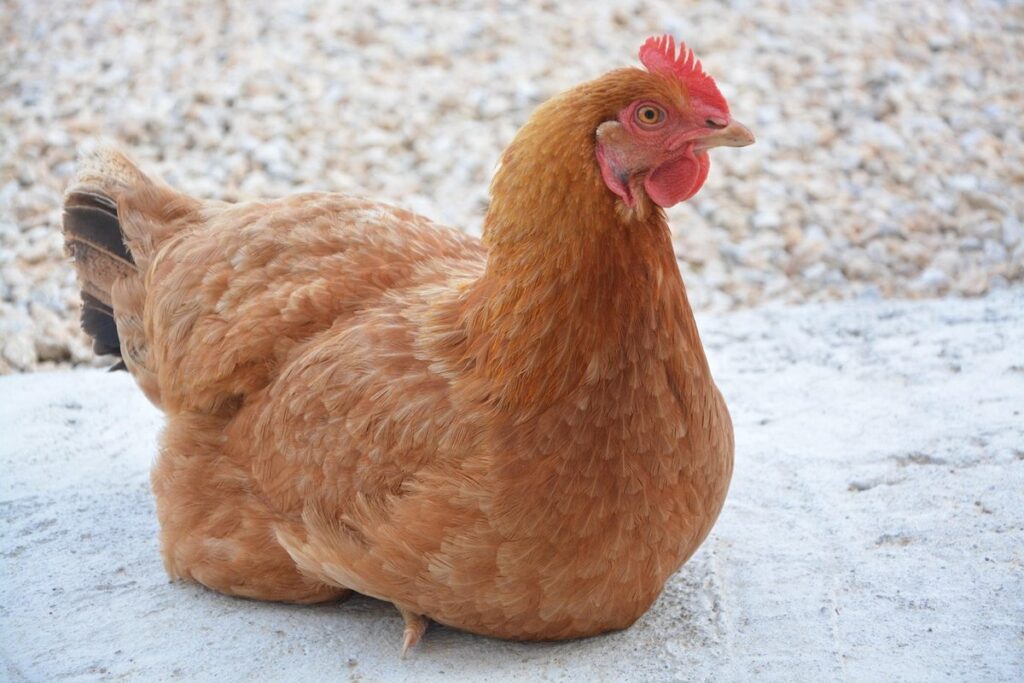
Understanding Egg-Laying Basics
Let’s get down to the basics of egg-laying: we’ll explore how many eggs your chickens can produce daily, including breed-specific averages and factors that influence their output.
Factors Affecting Egg Production
When it comes to determining how many eggs chickens lay per day, several key factors come into play. One of the most significant influences is breed. Some chicken breeds are naturally prolific layers, producing upwards of 300 eggs per year, while others may only manage a fraction of that number.
Age also plays a crucial role in egg production. Chickens typically start laying eggs at around 18-24 weeks old, with their peak production occurring between one and two years of age. As they mature, hens will gradually slow down their egg-laying pace until it finally comes to an end, usually around four to five years.
Nutrition is also essential for maintaining healthy egg production. A balanced diet that includes a mix of proteins, carbohydrates, and vitamins is vital for supporting the hen’s reproductive system. A lack of these nutrients can lead to decreased egg production or even complete cessation of laying.
Maintaining good health through regular vaccinations and parasite control is also crucial in ensuring that your hens remain productive throughout their lives. By considering these factors and making adjustments as needed, you can encourage your flock to lay eggs at optimal levels.
Chicken Breeds and Their Egg Output
When it comes to egg-laying capacity, not all chicken breeds are created equal. Some breeds are prolific layers, producing dozens of eggs per week, while others may lay only a handful. To help you choose the right breed for your home flock or commercial operation, let’s take a look at some popular chicken breeds and their average daily egg output.
The Leghorn is one of the most well-known egg-laying breeds, producing an impressive 280-300 eggs per year, which translates to around 5-6 eggs per week. Another popular breed is the Rhode Island Red, laying around 200-220 eggs per year, or about 4-5 eggs per week.
On the other hand, some heritage breeds like the Plymouth Rock and Orpington are known for their smaller egg output, producing around 180-200 eggs per year, or about 3-4 eggs per week. If you’re looking for a breed with an even higher egg-laying capacity, consider the Marans, which can lay up to 220 eggs per year.
It’s worth noting that these numbers are only averages and can vary depending on factors like nutrition, health, and living conditions. However, this should give you a good starting point when selecting a breed for your needs. Consider what type of eggs you want (large, small, brown, or white), and choose a breed that fits your desired egg-laying capacity and lifestyle.
Average Daily Egg Production by Breed
When it comes to predicting egg-laying capabilities, knowing how different breeds perform is essential. In this section, we’ll break down average daily production by popular chicken breed.
Leghorn Chickens: High-Output Layers
Leghorns are one of the most popular chicken breeds among backyard flock owners, and for good reason. They’re known for their impressive egg-laying abilities, producing an astonishing 280-300 eggs per year. This breed’s high output is due to its unique characteristics, such as a small body size, rapid growth rate, and intense reproductive drive.
To maximize your Leghorns’ potential, it’s essential to provide them with the right environment and care. Make sure they have adequate space to roam, as overcrowding can lead to stress and reduced egg production. A balanced diet rich in calcium is also crucial for maintaining strong eggshell quality.
Some breeders swear by supplementing their Leghorns with oyster shells or crushed eggshells to further boost their calcium intake. Another tip is to maintain a consistent light-dark cycle, as this can help regulate their reproductive hormones and stimulate egg production.
In addition to these tips, it’s worth noting that Leghorns are relatively low-maintenance birds when compared to other breeds. They’re easy-going and don’t require as much attention or handling, making them an ideal choice for those new to backyard chicken-keeping.
Other Breeds: Production Rates Compared to Leghorns
While Leghorns are known for their exceptional egg-laying abilities, other breeds also offer impressive production rates. Let’s take a closer look at some popular alternatives.
Rhode Island Reds, for instance, are a favorite among backyard chicken enthusiasts due to their gentle nature and moderate egg-laying capacity. On average, a Rhode Island Red will lay around 200-220 eggs per year, which translates to about 5-6 eggs per week or roughly 1 egg per day. This breed is an excellent choice for those who want a reliable laying flock without the need for intense management.
Another popular breed is the Barred Rock, known for its hardiness and robust health. These birds typically lay around 200-210 eggs per year, which works out to approximately 5-6 eggs per week or about 1 egg per day. The Plymouth Rock is another breed worth considering, with an average annual production of 200-220 eggs.
When choosing a breed for your flock’s egg-laying needs, consider the following factors: climate, space availability, and personal preferences. By understanding which breeds thrive in your specific conditions, you’ll be able to select the perfect fit for your needs.
Factors Affecting Egg Production in the Broiler Industry
When it comes to egg production, several key factors can influence a chicken’s ability to lay eggs daily, including breed, nutrition, and living conditions. Understanding these variables is crucial for commercial producers.
Genetics vs. Environment: The Role of Nutrition and Health
When it comes to commercial egg production, the age-old debate of genetics vs. environment still holds relevance. While breed selection is a crucial factor in determining an individual chicken’s egg-laying capacity, nutritional and health considerations play a significant role in overall profitability.
Let’s dive into the world of nutrition first. Feed quality is a critical aspect that can significantly impact egg production. Chickens need a balanced diet rich in protein, calcium, and other essential nutrients to maintain optimal health and productivity. A poor-quality feed can lead to nutritional deficiencies, which can negatively affect egg size, shell strength, and fertility.
On the flip side, access to clean water is equally important. Inadequate hydration can cause stress, leading to reduced egg production and compromised immune function. Water quality also plays a vital role in maintaining eggshell integrity.
Disease management is another critical health consideration that affects egg production. Outbreaks of diseases such as avian influenza, Newcastle disease, and Salmonella can decimate flocks and lead to significant financial losses.
Practically speaking, there are steps you can take to optimize nutrition and health for your flock:
* Provide high-quality feed formulated specifically for broiler breeds
* Ensure access to clean water at all times
* Implement robust disease management strategies, including regular vaccinations and biosecurity measures
* Monitor your flock’s health closely and address any issues promptly
By paying attention to these critical factors, you can significantly improve egg production and maintain profitability in the long run.
Understanding Seasonal Variations in Egg Production
As we explore how many eggs chickens lay per day, it’s essential to consider the impact of seasonal changes on their egg-laying habits. Let’s take a closer look at why this matters.
How Temperature and Light Affect Laying Hens
As you’re learning about egg production rates per day, it’s essential to consider the impact of temperature and light on your laying hens. These factors can significantly influence their behavior, particularly during seasonal changes.
Temperature plays a crucial role in regulating chicken metabolism. Laying hens are most productive when temperatures range between 65°F (18°C) and 75°F (24°C). Temperatures above or below this range can affect egg production. For instance, heat stress caused by high temperatures (above 85°F/30°C) can lead to reduced laying rates and even cause birds to stop producing eggs altogether.
Conversely, low temperatures (below 50°F/10°C) can also negatively impact egg production. In extreme cases, cold stress can cause hens to go off lay for extended periods. This is why it’s essential to provide adequate shelter and ventilation in your coop to maintain a comfortable environment.
Light exposure also affects chicken behavior and egg production. Laying hens require 14 hours of daylight to produce eggs efficiently. With the onset of winter, days become shorter, and this reduction in light can impact egg production rates. To mitigate this effect, you can install supplemental lighting in your coop to provide the necessary photoperiod.
To prepare for seasonal fluctuations in egg production, monitor your flock’s behavior and adjust their environment accordingly. For example, during hot summer months, ensure adequate ventilation and cooling systems are in place. In contrast, during winter, increase light hours using artificial lighting to maintain optimal egg-laying conditions.
By understanding the impact of temperature and light on laying hens, you can make informed decisions about your flock’s care and take proactive steps to support their health and productivity throughout the year. This includes adjusting their environment to match seasonal changes and providing adequate resources for optimal egg production.
Managing a Flock’s Health to Optimize Egg Output
To ensure your flock is laying at their best, maintaining good health through proper nutrition, regular vaccinations, and monitoring for signs of illness is crucial. A healthy chicken lays more eggs!
Vaccination and Disease Prevention Strategies
Disease prevention and vaccination strategies are essential components of maintaining a healthy flock, which directly impacts egg-laying capacity. Chickens that are exposed to diseases can experience reduced production, increased mortality rates, and compromised overall health. Implementing effective disease prevention measures can help minimize the impact of disease outbreaks on your flock.
To develop an efficient disease prevention plan, consider the following factors:
* Research local poultry diseases prevalent in your area
* Consult with a veterinarian to determine the best vaccination protocols for your operation
* Prioritize biosecurity measures such as proper ventilation, sanitation, and isolation of new birds
Incorporating vaccination into your flock’s health management plan can also have a significant impact on egg production. Chickens are often vaccinated against diseases like Newcastle disease and infectious bronchitis. These vaccinations help to reduce the risk of disease transmission within the flock, allowing your birds to remain healthy and productive.
Practical tips for implementing a successful vaccination program include:
* Schedule vaccinations at the recommended age or when new birds are introduced to the flock
* Monitor vaccination records closely to ensure compliance with local regulations
* Consider consulting with a poultry health expert to develop a customized vaccination plan
Regular monitoring of your flock’s health and prompt response to any disease outbreaks is crucial. Implementing these strategies can help minimize disruptions to egg production, ensuring that your birds remain healthy and productive throughout the year.
Common Questions About Chicken Egg Production Answered
One of the most common questions we get from backyard chicken enthusiasts is how many eggs their hens will produce daily, so let’s dive into some frequently asked questions about egg-laying.
Frequently Asked Questions (FAQs) on Daily Egg Output
As you delve into the world of chicken egg production, it’s natural to have questions about what to expect from your flock. Here are some frequently asked questions (FAQs) on daily egg output that we’ll address below.
How many eggs can I expect from my backyard chickens? The number of eggs your chickens lay per day depends on several factors, including breed, age, nutrition, and health. On average, a healthy laying hen will produce around 280-300 eggs per year, which translates to about 5-6 eggs per week or approximately one egg every 24 hours.
What are the top egg-laying breeds? If you’re looking for high-producing breeds, consider Leghorns (300+ eggs per year), Rhode Island Reds (200-220 eggs per year), and Barred Rocks (200-220 eggs per year). These breeds tend to produce more eggs due to their genetic predisposition.
How does nutrition impact egg production? A balanced diet is crucial for maintaining optimal egg-laying capacity. Ensure your chickens have access to a nutrient-rich feed that includes essential vitamins, minerals, and proteins. You can also supplement with calcium and oyster shells to promote strong eggshell development.
Can stress affect my chickens’ egg output? Yes, excessive stress can impact egg production. Chickens exposed to high levels of stress may experience a drop in egg-laying rates or even stop laying eggs altogether. Maintain a clean living environment, provide adequate space, and ensure proper ventilation to minimize stress.
What’s the ideal temperature for optimal egg production? Most chickens will thrive between 40°F (4°C) and 80°F (27°C). Temperatures above or below this range can negatively impact egg-laying capacity.
Keep in mind that these are general guidelines, and individual performance may vary depending on your flock’s specific needs. Monitor your chickens’ behavior, health, and production rates to adjust their environment accordingly.
Frequently Asked Questions
Can I expect my chickens to lay eggs every day, even during winter?
No, it’s normal for egg production to slow down or decrease during the winter months due to shorter daylight hours and colder temperatures. Chickens may take a break from laying eggs or produce fewer eggs overall. To mitigate this, ensure your flock has access to sufficient light, nutrition, and warmth.
How do I know if my chickens are not producing eggs because of health issues or poor nutrition?
Monitor your flock’s behavior, appetite, and egg production closely. If you notice a significant decrease in egg output or other signs of illness (such as lethargy, loss of feathers, or changes in droppings), consult with a veterinarian to rule out any underlying health problems.
Can I increase my chickens’ egg production by providing them with more protein-rich feed?
While nutrition plays a crucial role in egg production, overfeeding your flock with high-protein feed can lead to health issues and decreased productivity. A balanced diet that meets their nutritional needs is essential for optimal egg production. Consult with a poultry expert or veterinarian to determine the best feeding strategy for your flock.
How long does it take for a new laying hen to start producing eggs?
Chickens typically begin laying eggs at around 18-24 weeks of age, depending on breed and individual development. It’s essential to provide young hens with a nutrient-rich diet, adequate light, and proper care to support their growth and egg production.
Can I use supplements or vitamins to boost my chickens’ egg production?
While some supplements may be beneficial for maintaining flock health, there is no scientific evidence to support the claim that they can significantly increase egg production. Always consult with a veterinarian before introducing any new supplements or vitamins into your flock’s diet.