
If you’re an aspiring backyard chicken keeper or simply want to ensure your feathered friends are eating well, you might be wondering whether bell pepper seeds are safe for them. As it turns out, many pet owners and farmers are curious about this very topic. But can chickens eat bell pepper seeds at all? While they do contain some nutritional value, bell pepper seeds also pose a potential threat to your flock’s health due to their toxic properties.
In this article, we’ll delve into the details of whether raw or cooked bell pepper seeds are safe for chickens to consume. We’ll discuss the risks associated with feeding them these seeds and highlight essential safety precautions to take when it comes to adding new foods to your chickens’ diets. By the end of this article, you’ll be well-equipped to make informed decisions about what’s on the menu for your flock.
Are Bell Pepper Seeds Toxic to Chickens?
If you’ve been wondering whether bell pepper seeds are safe for your flock, we’ll dive into the details of toxicity in this next section.
What Do We Know About Bell Peppers and Chicken Safety?
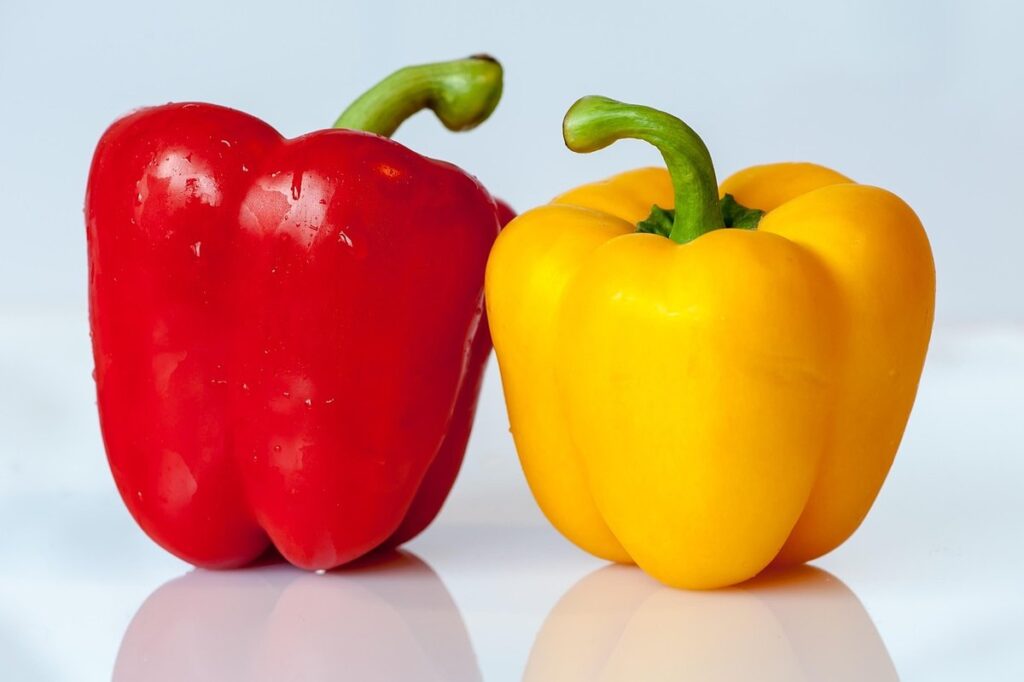
When it comes to bell peppers and chicken safety, there are several key points to consider. Bell peppers are not only a crunchy addition to salads and stir-fries but also a nutritious treat for chickens. They’re rich in vitamins A and C, potassium, and fiber, making them an excellent choice for a balanced flock diet.
However, the seeds of bell peppers pose a potential threat to your chickens’ health. While the flesh of the pepper is safe for consumption, the seeds contain a compound called solanine, which can be toxic to birds in large quantities.
But how much is too much? The exact amount of solanine that’s toxic to chickens varies depending on several factors, including the size and weight of your birds. Generally, it’s recommended not to feed your chickens more than 1-2 teaspoons of bell pepper seeds per pound of body weight per day. To put this into perspective, for a small flock of backyard chickens, this translates to about 1/4 cup of seeds per week.
It’s also essential to note that the toxicity of bell peppers can vary depending on the specific variety and how they’re prepared. For instance, some ornamental bell peppers may contain higher levels of solanine than their edible counterparts.
Incorporating bell pepper seeds into your chickens’ diet requires caution and moderation. It’s crucial to weigh the potential benefits against the risks and consider alternative ways to add nutrition to their meals. If you do decide to feed your flock bell pepper seeds, be sure to introduce them gradually and in small amounts to avoid any adverse reactions.
Understanding the Risks: Bell Pepper Seed Toxins
When it comes to bell pepper seeds and their potential toxicity to chickens, one of the primary concerns is the presence of certain compounds. Capsaicin, for example, is a well-known irritant found in chili peppers and their relatives, including bell peppers. While capsaicin is generally not as prevalent in sweet bell peppers, it can still be present in small amounts.
However, another compound to watch out for is solanine. Solanines are a group of glycoalkaloids produced by plants in the nightshade family (Solanaceae), which includes potatoes, tomatoes, and bell peppers. These compounds can be toxic to chickens if ingested in large quantities, causing symptoms such as vomiting, diarrhea, and even tremors.
To put things into perspective, consider that a single red bell pepper seed contains about 0.1-0.3 milligrams of solanine. While this may seem insignificant, it’s essential to remember that chickens are much smaller than humans and have a more sensitive metabolism.
Can Chickens Eat Cooked or Raw Bell Peppers?
When it comes to bell peppers, you might be wondering if cooked or raw is safe for your feathered friends. Let’s explore what happens when chickens eat cooked or raw bell peppers.
The Importance of Cooking Bell Peppers for Chickens
When it comes to feeding bell peppers to your chickens, cooking them can play a significant role in reducing the toxicity associated with their seeds. The seeds of bell peppers contain a compound called solanine, which is toxic to chickens in large quantities.
However, heat can help break down these toxins, making cooked bell peppers a safer option for your flock. When you cook bell peppers, the heat denatures the solanine molecules, rendering them less potent and reducing their toxicity. In fact, studies have shown that cooking bell peppers at high temperatures (above 190°F) can reduce the levels of solanine by up to 90%.
To safely prepare cooked bell peppers for your chickens, you can try one of two methods: steaming or roasting. Steaming is a great option as it helps retain more nutrients and doesn’t require any added oil. Simply chop the bell peppers into bite-sized pieces, place them in a steamer basket, and steam for 5-7 minutes. Alternatively, you can roast bell peppers in the oven with some olive oil, salt, and pepper until tender.
Raw vs. Cooked: What’s Safe for Your Flock?
When it comes to feeding bell peppers to your flock, you may be wondering whether raw or cooked is the better option. Both have their pros and cons when it comes to nutritional benefits and potential risks.
Raw bell peppers are a nutrient-rich snack for chickens, providing essential vitamins A and C, as well as fiber and antioxidants. However, they can also pose a choking hazard if fed in large pieces. To minimize this risk, chop the raw peppers into small, manageable bits before serving them to your flock.
Cooked bell peppers, on the other hand, are softer and easier for chickens to digest. They retain many of their nutrients, but overcooking can lead to loss of essential vitamins. Avoid microwaving or boiling as these methods can destroy some of the pepper’s nutrients. Steaming or roasting instead will help preserve their nutritional value.
Remember that moderation is key when introducing new foods into your flock’s diet. Feed them in small amounts and monitor for any signs of digestive issues.
Nutritional Value of Bell Peppers for Chickens
Bell peppers are a nutritious treat for your feathered friends, and understanding their value will help you make informed decisions about adding them to your flock’s diet. Let’s explore what bell peppers offer chickens nutritionally.
A Closer Look at the Nutrients Found in Bell Peppers
Bell peppers are an excellent addition to your chicken’s diet, and it’s not just their seeds that make them a great choice. A closer look at the nutrients found in bell peppers reveals why they’re so beneficial for our feathered friends.
One of the key vitamins found in bell peppers is vitamin C, which is essential for immune function and overall health in chickens. Bell peppers are also rich in minerals like potassium and manganese, both of which play a crucial role in maintaining strong bones and muscles. But what really sets bell peppers apart is their high antioxidant content – they contain more antioxidants than many other fruits and vegetables.
For example, bell peppers contain a powerful antioxidant called capsaicin, which has been shown to have anti-inflammatory properties that can help protect your chickens from disease. By incorporating bell peppers into your flock’s diet, you’re giving them a much-needed boost of nutrients that will keep them healthy and thriving.
How to Incorporate Bell Peppers into Your Chicken’s Diet
Incorporating bell peppers into your chickens’ diet is a great way to provide them with essential nutrients. One of the simplest ways to do this is by adding finely chopped bell peppers to their feed mixes. This can be done as an occasional treat or made a regular part of their daily ration.
You can also use bell peppers in dishes that you prepare for your flock, such as omelets or frittatas. Simply chop the peppers into small pieces and mix them with eggs, meat (if desired), and other ingredients. This is not only a nutritious meal but also a fun way to keep things interesting for your chickens.
When using bell peppers in dishes, be sure to choose varieties that are safe for human consumption. Some varieties of bell peppers may contain higher levels of solanine than others, making them potentially toxic to birds. Always err on the side of caution and opt for sweet bell peppers instead.
For a fun twist, try freezing bell pepper puree and mixing it with their regular feed as an occasional treat. This will provide your flock with a nutrient boost without creating any extra work in the kitchen.
Safety Precautions and Preventative Measures
When handling bell pepper seeds around your flock, it’s essential to take necessary precautions to avoid any potential harm. Here are some key safety measures to keep in mind.
Handling Bell Pepper Seeds with Care
When handling bell pepper seeds around chickens, it’s essential to exercise caution and follow proper procedures to avoid potential harm. First and foremost, make sure you’re storing the seeds in a secure location where your feathered friends can’t access them. This means keeping the seeds away from your chicken coop or run, as curious birds might try to investigate or even eat them.
When handling bell pepper seeds, always wash your hands thoroughly afterwards to prevent any potential allergens or contaminants from transferring to your chickens. You should also make sure to clean and disinfect any tools or surfaces that come into contact with the seeds. Disposing of leftover seeds properly is also crucial – consider composting them or burying them in a designated area away from your chicken habitat.
Remember, even small amounts of bell pepper seeds can cause harm if ingested by chickens. By being mindful of how you handle these seeds and taking steps to minimize risk, you’ll be better equipped to create a safe environment for both you and your flock.
Signs of Poisoning and What to Do Next
If you suspect that your chickens have ingested bell pepper seeds, it’s essential to recognize the signs of potential poisoning. Common symptoms can include vomiting, diarrhea, lethargy, and loss of appetite. You may also notice your chicken’s eyes becoming sunken or their feathers looking dull and disheveled.
In severe cases, ingestion of large amounts of bell pepper seeds can cause respiratory distress, seizures, or even organ failure. If you observe any of these symptoms in your flock, it’s crucial to act quickly. Start by isolating the affected bird from the rest of the flock to prevent further spread of potential toxins.
Monitor their water intake closely, as they may be reluctant to drink due to gastrointestinal upset. Provide a shallow dish of fresh water and a separate source of clean drinking water in case the first option is contaminated. In any case, seek immediate veterinary attention if you suspect bell pepper seed poisoning.
Case Studies: Real-Life Experiences with Chickens Eating Bell Pepper Seeds
Let’s dive into some real-life scenarios where chicken owners have given their flocks bell pepper seeds to see how they react and what happens next. We’ll share their experiences and insights.
Personal Accounts from Chicken Keepers
Many chicken keepers have shared their personal experiences with feeding bell pepper seeds to their flock. For instance, Sarah from Texas reported that her hens loved eating bell pepper seeds and showed no adverse reactions whatsoever. In fact, she noticed a significant improvement in their egg quality and shell hardness after incorporating bell pepper seeds into their diet.
On the other hand, Rachel from California had a different experience. She accidentally fed bell pepper seeds to her flock and observed some of them getting stomach issues and diarrhea. However, once she stopped feeding the seeds, the symptoms subsided within 24 hours. This incident taught her to be cautious when introducing new foods to her flock.
Some common mistakes that chicken keepers make include not monitoring their flock’s eating habits closely or assuming that everything is safe for consumption without doing proper research. To avoid such pitfalls, it’s essential to keep a close eye on your chickens’ behavior and health after introducing new foods like bell pepper seeds into their diet.
Lessons Learned and Recommendations for Future Readers
As we’ve explored real-life experiences with chickens eating bell pepper seeds, it’s clear that there are valuable lessons to be learned and recommendations to share. One key takeaway is the importance of proper identification of edible plant parts for your flock. From our case studies, it’s evident that even seemingly harmless materials like bell pepper seeds can cause harm if ingested.
To avoid similar situations, always double-check with a trusted field guide or expert before introducing new foods to your chicken’s diet. Keep in mind that what may be safe for humans is not necessarily safe for birds. If you’re unsure about any plant part, it’s better to err on the side of caution and choose an alternative.
In addition, make sure to monitor your flock closely when introducing new foods, and keep a close eye out for signs of illness or discomfort. By being vigilant and taking proactive steps, you can create a safe and healthy environment for your chickens to thrive in.
Conclusion: Making Informed Choices About Bell Peppers in Your Chicken’s Diet
Now that you’ve learned whether bell pepper seeds are safe for your flock, let’s summarize what we’ve covered and discuss how to incorporate this new info into their diet.
Recap of Key Findings
As we wrap up our exploration of whether chickens can eat bell pepper seeds, it’s essential to recap the key findings. Let’s break down the crucial points that will help you make informed decisions about incorporating bell peppers into your flock’s diet.
First and foremost, it’s clear that not all parts of a bell pepper are safe for your chickens to consume. While the flesh of the fruit is nutritious and can be a tasty treat, the seeds themselves contain compounds that may cause harm if ingested in large quantities. We discussed the potential risks associated with feeding bell pepper seeds, including the possibility of gastrointestinal upset and even more severe health issues.
To ensure your flock’s safety, it’s recommended to remove any seeds from sliced or chopped bell peppers before offering them as a treat. You can also consider using seedless bell varieties, which are specifically bred for human consumption and are safe for chickens to enjoy. By taking these precautions, you can provide your birds with a nutritious and enjoyable snack while minimizing the risk of adverse reactions.
Final Thoughts and Recommendations for Future Research
As we conclude our exploration of whether chickens can eat bell pepper seeds, it’s essential to acknowledge that there is still much to be discovered about the safety and benefits of this common ingredient for our feathered friends. One area worth further investigation is the impact of bell pepper seed consumption on a chicken’s digestive system. While some owners swear by the benefits of adding seeds to their flock’s diet, others have reported issues with impaction or blockages.
Future research should also focus on understanding how different types of bell peppers and their seeds affect chickens at various life stages. For instance, are young chicks more susceptible to seed-related health problems than mature hens? Are certain breeds more resistant to seed consumption than others?
Additionally, studies could explore the optimal ways to incorporate bell pepper seeds into a chicken’s diet, including dosage recommendations and potential interactions with other nutrients or supplements. By shedding light on these questions, we can provide even more informed guidance for chicken owners who wish to incorporate this nutritious ingredient into their flock’s meals.
Frequently Asked Questions
Can I safely feed my chickens bell pepper seeds if they’re cooked?
Yes, cooking bell pepper seeds can reduce their toxicity. However, it’s crucial to note that even cooked seeds may still pose a risk, especially for young or sensitive birds. To err on the side of caution, consider feeding your chickens only the edible parts of bell peppers.
How much bell pepper should I add to my flock’s diet?
A general rule of thumb is to introduce new foods gradually and in moderation. Start by offering small amounts (about 1-2% of their daily ration) and monitor your birds’ behavior, droppings, and overall health before increasing the amount.
What if I accidentally feed my chickens raw bell pepper seeds? What are the signs of poisoning?
If you suspect your flock has ingested toxic bell pepper seeds, watch for symptoms like lethargy, loss of appetite, diarrhea, or difficulty breathing. If you notice any unusual behavior, consult with a veterinarian immediately to prevent further complications.
Can I grow my own bell peppers and save money on chicken feed?
Growing your own bell peppers can be cost-effective and provide fresh produce for both you and your chickens. However, make sure to handle the seeds carefully (as mentioned earlier) and only offer the safe parts of the plant to your flock.
How often should I rotate foods in my chickens’ diet to ensure they’re getting a balanced mix?
Rotating foods regularly is essential to provide your flock with a varied diet. A general rule is to introduce new foods every 2-3 days, while gradually increasing or decreasing the quantity of each item. This will help prevent nutritional imbalances and keep your chickens engaged with their meals.