
If you’re a duck owner or enthusiast, you’re probably no stranger to wondering what your feathered friends enjoy munching on. Providing a balanced diet is crucial for keeping your ducks happy and healthy, but it can be overwhelming to navigate the vast array of options available. From aquatic plants to healthy snacks, there are countless foods that can satisfy your duck’s cravings. However, some human treats might not be suitable for our fine-feathered friends, and knowing what to avoid is just as important as knowing what to offer.
In this article, we’ll dive into the world of duck cuisine, highlighting the best foods for ducks and sharing expert advice on how to keep your flock thriving. We’ll explore the importance of a varied diet and discuss some common mistakes to watch out for when feeding your ducks. Whether you’re a seasoned owner or just starting out, this guide will provide you with everything you need to know about what to feed your ducks and ensure they lead happy and healthy lives.
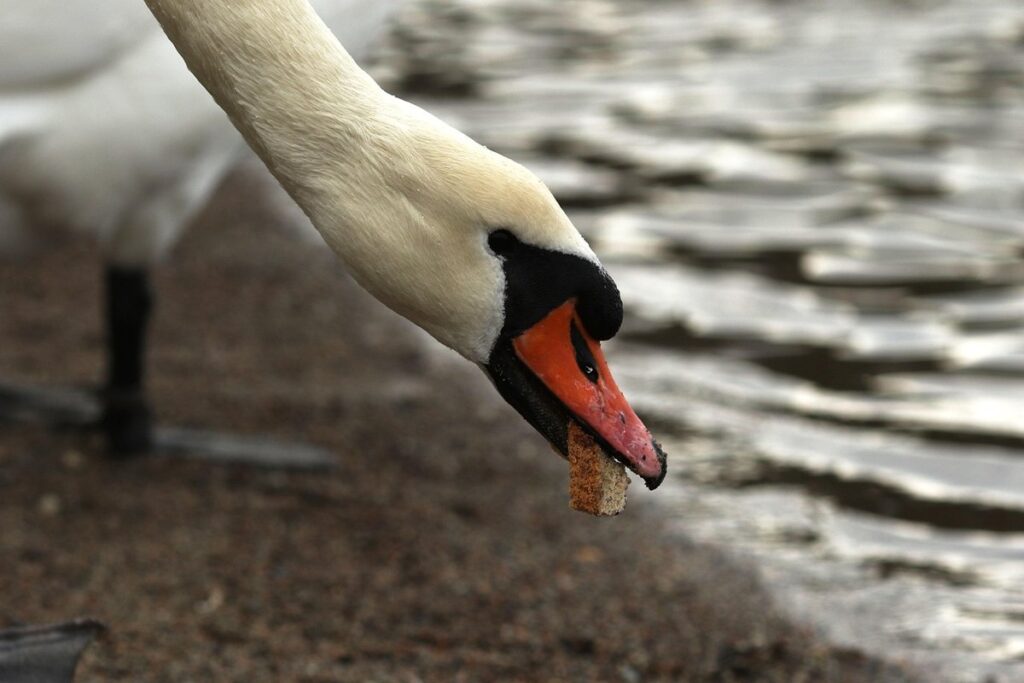
Types of Food Ducks Prefer
Ducks are known to have a unique and varied palate, so let’s dive into the types of food they prefer. From grains to aquatic plants, we’ll explore their favorite treats.
Aquatic Plants and Vegetation
When it comes to aquatic plants and vegetation, ducks have a special fondness for those that grow in and around water. These plants provide essential nutrients, shelter, and hiding spots for our feathered friends. Let’s dive into some of the most popular aquatic plants that ducks love to eat.
Water lilies are a favorite among ducks. They not only provide a tasty treat but also create a cozy spot for them to rest and hide from predators. Duckweed, on the other hand, is a tiny plant that thrives in shallow water. Ducks adore its sweet taste and will often feed on it by the bucketload.
Algae is another aquatic plant that ducks can’t get enough of. It’s rich in nutrients and provides a welcome treat during dry spells when other food sources are scarce. To attract ducks to your pond or lake, consider planting these aquatic delights. By creating an environment that’s teeming with water lilies, duckweed, and algae, you’ll be providing your feathered friends with all they need to thrive.
In fact, research has shown that ducks can eat up to 10% of their body weight in aquatic plants every day. So, if you’re looking to create a duck-friendly habitat, make sure to incorporate these tasty treats into your landscape design!
Insects and Small Animals
In addition to plants and grains, ducks also enjoy consuming insects and small animals as part of their diverse diet. These protein-rich foods are particularly important for ducklings and laying hens, who require a steady supply of nutrients to support growth and egg production.
Mealworms, the larvae of the meal moth, are a staple in many duck feeders. They’re rich in protein, calcium, and iron, making them an excellent supplement to commercial duck food. You can offer mealworms live or dried, depending on your preference. Snails and slugs are another tasty treat for ducks, who enjoy the slimy texture as much as the nutritious benefits.
Frogs and other small amphibians also make a welcome addition to a duck’s menu. If you have a pond or water feature with a frog population, consider introducing them to your duck’s diet. Just be sure to handle the frogs gently and feed them in moderation to avoid overfeeding.
Remember to provide fresh water for your ducks at all times, especially when feeding live insects or small animals. A well-rounded diet that includes insects and small animals will help keep your ducks healthy, happy, and thriving.
Commercial Duck Feed: What’s Included?
When shopping for commercial duck feed, it’s essential to know what ingredients are included and how they support your duck’s nutritional needs. Let’s take a closer look at what you can expect from these feeds.
Nutritional Requirements
Ducks have specific nutritional requirements that must be met for optimal health and growth. As omnivores, they require a balanced diet rich in protein, carbohydrates, fats, vitamins, and minerals. Commercial duck feed is formulated to meet these needs, typically containing around 16-18% protein, 8-10% fat, and various essential nutrients like calcium and phosphorus for strong bone development.
In addition to commercial feed, ducks may also benefit from supplemental foods such as fruits, vegetables, and insects. However, it’s essential to introduce these treats gradually and in moderation to prevent digestive issues. A good example is offering leafy greens like kale or spinach, which are rich in vitamins and minerals but should be fed in limited amounts (about 10% of the duck’s total diet).
To ensure your ducks receive a well-rounded diet, choose commercial feed from reputable manufacturers that adhere to strict nutritional standards. You can also consult with a veterinarian or poultry expert for personalized advice on feeding your flock.
Ingredients and Additives
Commercial duck feed is a carefully formulated blend of ingredients designed to meet the nutritional needs of ducks. At its core, most commercial duck feeds are based on grains such as corn, wheat, and barley, which provide energy and fiber for growth and maintenance. Proteins like soybean meal, fishmeal, and meat meal are also common additives, ensuring that ducks receive the necessary amino acids for building strong muscles and tissues.
Vitamins and minerals are added to the feed in varying amounts depending on the manufacturer’s formulation. For example, vitamin A is crucial for maintaining healthy skin and eyesight, while calcium and phosphorus support strong bone development. Other essential micronutrients like vitamin D3, zinc, and iron may also be included to prevent deficiencies.
When selecting a commercial duck feed, it’s essential to check the ingredient list and ensure that all necessary nutrients are present in adequate quantities. A well-balanced diet is critical for maintaining optimal health and preventing disease in ducks.
Wild Foods That Are Safe for Ducks
When it comes to feeding your ducks, you want to make sure they’re getting a varied and healthy diet. Let’s look at some wild foods that are safe for them to eat.
Fresh Fruits and Vegetables
When it comes to fresh fruits and vegetables, ducks love to indulge in an array of delicious options. One of their favorite treats is berries, including strawberries, blueberries, raspberries, and blackberries. These sweet and juicy fruits are perfect for a duck’s digestive system, providing essential vitamins, minerals, and antioxidants.
Leafy greens like kale, spinach, collard greens, and lettuce are another great option for ducks. Rich in iron, calcium, and other vital nutrients, these greens help maintain healthy feathers, skin, and muscles. You can chop them up or add them to their favorite foods for a nutrient-packed snack.
Carrots, sweet potatoes, and pumpkins are also staples in any duck’s diet. These root vegetables provide essential fiber, vitamins, and minerals that support overall health and well-being. Be sure to chop them into manageable pieces to prevent choking hazards.
When introducing new fruits and veggies, make sure to do so gradually to avoid digestive upset. A mix of 75% regular food and 25% fresh produce is a great starting point. As always, ensure access to clean water and a balanced diet to keep your feathered friends happy and healthy.
Grains and Seeds
When it comes to grains and seeds, ducks have a variety of options that are not only nutritious but also delicious. Oats, for instance, are an excellent choice as they provide a good source of fiber, vitamins, and minerals. You can give your ducks rolled oats or even oat groats, which are less processed than the former. Wheat is another staple in many duck diets, and it’s easily available in most pet stores.
Sunflower seeds, with their high oil content, are also a favorite among ducks. They’re rich in protein, vitamins, and minerals, making them an excellent addition to your duck’s diet. However, be sure to only provide them as an occasional treat, as they can be high in fat. Millet and barley are other grains that are safe for ducks to eat.
It’s essential to note that when introducing new foods, including grains and seeds, do it gradually to prevent digestive issues. A good rule of thumb is to start with small amounts (about 1-2 tablespoons per duck) and observe your duck’s behavior and stool quality before increasing the serving size. This will help ensure a smooth transition and prevent any adverse reactions.
Foods to Avoid Feeding Ducks
While it may be tempting to give your feathered friends a treat, there are certain foods that can harm ducks, so let’s take a look at what to avoid.
Human Food Hazards
When it comes to feeding ducks, it’s essential to avoid giving them human foods that can be toxic or cause health issues. While it may be tempting to share a snack with these feathered friends, some common human foods can have devastating consequences.
Onions and garlic are two such foods that should be strictly avoided. These belong to the Allium family, which contains a compound called N-propyl disulfide that can cause anemia in ducks. Consuming even small amounts of onions or garlic can lead to symptoms like lethargy, loss of appetite, and even organ failure.
Chocolate is another human food that’s toxic to ducks. The main culprit is theobromine, which can cause vomiting, diarrhea, increased heart rate, and hyperactivity in ducks. While it may seem harmless, a single ounce of dark chocolate can be fatal for a duck.
To keep your feathered friends safe, stick to their natural diet and avoid feeding them human foods altogether. If you’re looking for treats, consider providing healthy options like leafy greens, fruits, or specially formulated duck food.
Foods That Can Cause Choking
When it comes to feeding ducks, it’s essential to be mindful of the foods we offer them. While it may seem harmless to share some treats with our feathered friends, certain foods can pose a significant risk to their health and well-being.
Nuts, for instance, are a choking hazard for ducks due to their hard shells and small size. Almonds, walnuts, and pecans are particularly problematic, as they can easily become lodged in the duck’s airway. Popcorn is another snack that should be avoided, as its kernels can also cause blockages.
Candy and sweets are not only unhealthy for ducks but also pose a choking risk due to their sticky or hard texture. Even seemingly harmless treats like raisins or grapes can get stuck in the duck’s esophagus. To keep your feathered friends safe, stick to providing fresh fruits and vegetables, such as lettuce, kale, or berries. If you’re unsure about what foods are safe for ducks, consult with a local wildlife expert or check with park authorities for guidelines on feeding ducks in public areas. By making informed choices, we can help ensure the health and happiness of our duck friends.
Foraging for Wild Foods: Tips and Precautions
When it comes to supplementing your duck’s diet, foraging for wild foods can be a fun and rewarding experience, but it requires some knowledge of what’s safe and healthy for them. Let’s explore the tips and precautions you need to consider.
Finding Safe Foraging Spots
When venturing out with your ducks to forage for wild foods, it’s essential to choose safe spots where they can graze and play without risking their health. One crucial aspect of finding suitable areas is identifying clean water sources.
Look for ponds, lakes, or streams that are free from agricultural runoff, sewage, and other pollutants. Avoid areas with visible signs of contamination, such as algal blooms, unusual odors, or dead plants. Instead, opt for natural bodies of water surrounded by vegetation, which can help filter out impurities.
You can also consider urban parks, gardens, or community spaces that have designated duck-friendly areas. These spots often feature shallow water sources and are less likely to be polluted. When selecting a spot, take note of the local wildlife and observe how other ducks interact with the environment. This will give you an idea of the area’s safety and quality.
Handling Food Safely
When foraging for wild foods that ducks might enjoy, it’s crucial to handle them safely to avoid contamination and foodborne illnesses. First, make sure you’ve correctly identified the plants or fruits as safe for consumption. Be aware of lookalike species that might be toxic.
Once you’ve gathered your finds, store them in a cool, dry place until you’re ready to use them. Clean and sanitize any containers or equipment used to collect or prepare the wild foods. If storing seeds or berries for later use, consider drying them thoroughly to prevent mold growth.
When preparing wild foods for ducks, follow proper food safety guidelines. Wash your hands before handling the food, and make sure all utensils and surfaces are sanitized. When feeding wild animals like ducks, it’s also essential to be mindful of their dietary needs and limitations. Provide a varied diet that includes a mix of grains, fruits, and vegetables.
When introducing new foods to your duck’s diet, do so gradually to prevent digestive upset. Offer fresh water at all times, and keep the feeding area clean to avoid attracting pests or creating an environment conducive to disease transmission.
Supplementing a Duck’s Diet
When it comes to supplementing your duck’s diet, there are several options you can consider adding variety and nutrients. We’ll explore some popular choices here.
When Supplements Are Needed
As a responsible duck owner, it’s essential to know when supplementing their diet is necessary. During molting season, for instance, ducks may require additional protein sources to maintain their energy levels and support feather growth. In such cases, offering supplements like mealworms or soft-boiled eggs can be beneficial.
Similarly, if the natural food supply in your area becomes scarce due to extreme weather conditions or lack of vegetation, supplementing with commercial duck pellets or other nutrient-rich foods may become necessary. It’s also crucial to monitor their water intake and ensure access to a reliable source of fresh water.
To determine whether your ducks require supplements, observe their overall health and behavior. If you notice any signs of malnutrition, such as dull feathers, lethargy, or poor egg production, consult with a veterinarian or experienced breeder for guidance on the best supplement options. Keep in mind that over-supplementation can be detrimental to their health, so it’s essential to strike the right balance between natural and supplementary feeding.
Safe Supplement Options
When it comes to supplementing your duck’s diet, it’s essential to choose safe and healthy options. Probiotics are an excellent choice for maintaining a balanced gut microbiome. These beneficial bacteria help break down complex nutrients, supporting immune function and overall health. You can add probiotics directly to your duck’s feed or mix them with their water.
Vitamin supplements can also be beneficial in certain situations. For example, if you live in an area with limited sunlight during winter months, a vitamin D supplement may be necessary to prevent deficiency. However, always consult with a veterinarian before adding any new supplements to your duck’s diet, as excessive intake of certain vitamins can cause harm.
Some other safe supplement options include kelp meal and flaxseed oil. Kelp meal provides essential minerals like iodine, while flaxseed oil supports skin and feather health through its high omega-3 fatty acid content. When selecting supplements, choose products specifically formulated for waterfowl or poultry to ensure they meet your duck’s unique nutritional needs.
Remember to always follow the recommended dosages on the supplement label and monitor your duck’s response closely. If you’re unsure about which supplements to use or how much to give, consult with a veterinarian or experienced breeder for guidance.
Frequently Asked Questions
How often should I supplement my duck’s diet with fresh fruits and vegetables?
Ducks require a balanced diet that includes a variety of nutrient-rich foods. Supplementing their diet with fresh fruits and vegetables can provide essential vitamins, minerals, and antioxidants. However, it’s essential to limit supplements to 10-20% of their total diet to avoid an imbalance. Consult with your veterinarian to determine the best supplement plan for your flock.
Can I feed my ducks wild berries from my garden?
While some wild berries are safe for ducks to eat, others can be toxic or cause digestive issues. Before feeding your ducks any wild berries, ensure you’ve identified them correctly and only offer those that are considered safe. Common culprits include nightshade family plants like tomatoes, potatoes, and eggplants.
What’s the best way to store grains and seeds for my duck’s feed?
Proper storage is crucial to maintaining the quality of grains and seeds. Store these items in a dry, cool place with good ventilation, such as a rodent-proof bin or container. Keep them away from direct sunlight and moisture, which can cause mold growth.
How do I ensure my ducks have access to clean water for foraging?
Providing your ducks with access to a pond or pool of fresh water is essential for their health and well-being. Ensure the water is at least 2-3 feet deep to allow them to swim and forage comfortably. Regularly test and maintain good water quality to prevent contamination.
Can I give my ducks table scraps from our family meals?
It’s generally not recommended to feed your ducks human food, including table scraps. Human foods can be detrimental to their health if fed regularly or in excess. Instead, focus on providing a balanced diet that includes nutrient-rich duck feed and healthy supplements.