
If you’re like many backyard chicken keepers, you’ve probably found yourself with leftover oranges or peels on your hands. Before tossing them into the coop, it’s essential to consider whether orange peels and seeds are safe for your feathered friends to eat. While chickens can be a bit finicky about their diet, some owners might think that adding orange peels would provide a welcome burst of flavor and nutrition. However, there are risks associated with feeding them orange peels and seeds, particularly when it comes to toxicity from seeds and potential digestive issues from the peels themselves. In this article, we’ll explore these concerns in more detail and look at some safe alternatives for supplementing your chickens’ diet.
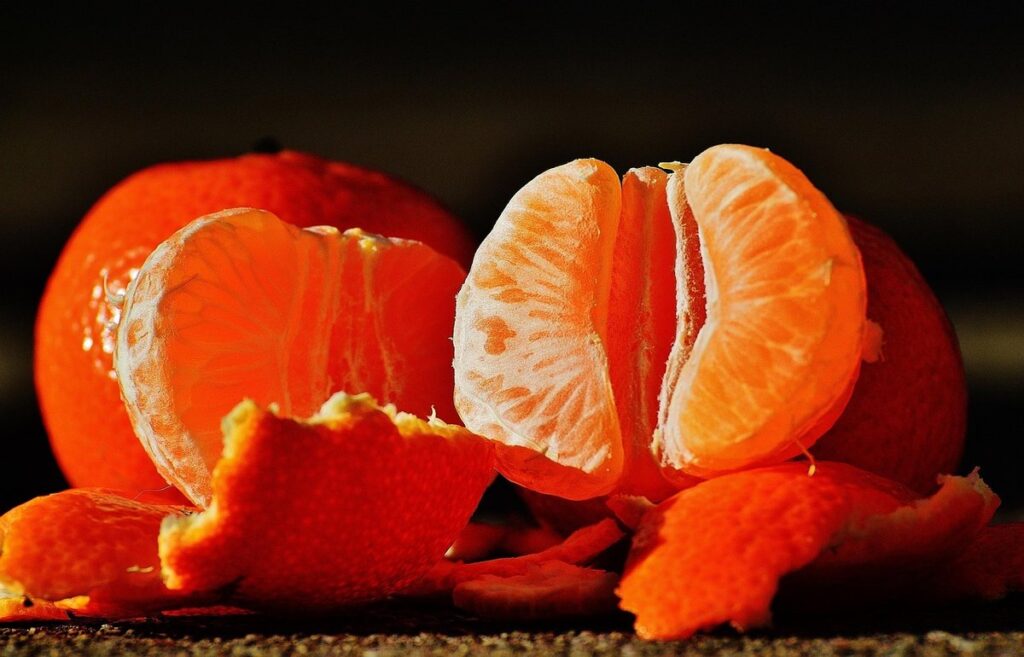
The Risks of Feeding Chickens Oranges
While oranges can be a tasty treat for chickens, feeding them orange peels and seeds poses some serious health risks that you should know about. Let’s dive into the potential dangers of sharing your morning juice with your flock.
Toxicity of Orange Seeds and Pits
Orange seeds are another component of oranges that pose a significant risk to chickens. These tiny seeds contain a compound called amygdalin, which is known for releasing cyanide when ingested. This might not seem like a big deal at first, but the truth is that even small amounts can be toxic to chickens.
For chickens, this toxicity is particularly concerning because they have a lower body mass than humans and therefore, are more susceptible to the effects of cyanide poisoning. Moreover, their digestive system is designed to process food quickly, which means that any toxins consumed in food will also be processed rapidly. This combination can lead to severe health complications or even death.
To keep your flock safe, it’s essential to avoid giving them oranges with seeds altogether. If you’re planning to offer orange peels as a treat, make sure they are seed-free. Better yet, opt for seedless varieties like navel oranges or blood oranges. This will minimize the risk of any accidental ingestion and ensure that your chickens stay healthy and happy.
The Dangers of Eating Rinds and Peels
When it comes to feeding chickens orange peels, there’s more at stake than just their nutritional value. One of the most significant concerns is the potential health risks associated with consuming these edible byproducts.
Chickens are not equipped to digest the high concentration of fiber and other compounds found in orange peels. Eating large quantities can lead to digestive issues such as constipation, impaction, or even diarrhea. In severe cases, this may cause blockages that require emergency veterinary attention.
Moreover, feeding chickens entire orange peels increases the risk of choking on large pieces. This is especially concerning for young chicks and pullets, whose small beaks and throats are more susceptible to obstruction. While an occasional small piece might pass through undetected, regularly consuming large amounts can lead to serious complications.
To minimize risks, it’s best to only offer chickens carefully chopped or grated orange peels in moderation – and under close supervision. Even then, monitor their consumption closely for any adverse reactions or signs of distress.
Nutritional Value of Orange Peels and Seeds
Now that we’ve explored the benefits of feeding oranges to your flock, let’s dive into what exactly you’re getting from those peels and seeds in terms of nutritional value.
Are Orange Peels a Good Source of Nutrients?
Orange peels are often discarded, but they’re actually a rich source of nutrients that can benefit chickens in moderation. A single orange peel contains vitamin C, flavonoids, and carotenoids, which act as antioxidants to protect cells from damage. These compounds also have anti-inflammatory properties, making them beneficial for maintaining overall health.
Orange peels are also a good source of minerals like potassium, magnesium, and iron. Potassium helps regulate muscle and nerve function, while magnesium supports bone growth and development. Iron is essential for producing red blood cells, which carry oxygen throughout the body.
But how do these nutrients impact your flock? When fed in moderation, orange peels can enhance egg production, improve feather quality, and support immune system health. However, overfeeding can lead to an imbalance of essential vitamins and minerals. To incorporate orange peels safely into your chickens’ diet:
* Start with small amounts (about 1/4 cup per pound of feed) to gauge their tolerance.
* Mix with other ingredients to avoid overwhelming them with new flavors and textures.
* Be mindful of any allergies or sensitivities, especially if introducing orange peels alongside new foods.
Can Chickens Benefit from Orange Seed Oil?
Orange seed oil is extracted from orange seeds, which are rich in healthy fats and antioxidants. These essential nutrients can benefit chickens in various ways. For instance, the omega-3 fatty acids present in orange seed oil can help reduce inflammation and promote healthier skin, feathers, and overall well-being in birds.
Moreover, the antioxidants found in orange seed oil can shield chickens from oxidative stress and cell damage caused by free radicals. This can lead to improved egg production, as antioxidants can also increase fertility and hatchability in hens.
When incorporating orange seed oil into your flock’s diet, it is essential to start with small amounts (about 1-2% of their total food intake). Mix the oil with their regular feed or add it directly to their water. Be cautious not to overdo it, as excessive consumption can cause digestive issues.
Incorporating orange seed oil into your flock’s diet may require some experimentation and observation to determine the optimal dosage for your birds. Keep in mind that individual nutritional needs may vary depending on factors such as age, breed, and overall health status.
Preparing Oranges for Chicken Consumption
Before you share those tasty oranges with your flock, let’s take a closer look at how to properly prepare them so your chickens can enjoy every bite safely.
How to Remove Seeds and Pits Safely
When offering oranges to your flock, it’s essential to remove seeds and pits safely to prevent potential harm. Seeds and pits contain a compound called amygdalin, which can release cyanide when ingested. This toxic substance can be lethal to chickens if they consume large quantities.
To remove seeds and pits from oranges safely:
* Cut the orange into quarters or slices, making it easier to access the seeds and pits.
* Gently pry out the seeds with a fork or your fingers, taking care not to squeeze them too hard and release any juice.
* Use a paring knife or small scoop to carefully remove the pits, which are usually located in the center of each orange quarter.
* Rinse the orange slices under cold running water to remove any remaining seeds or pulp.
Remember, it’s always better to err on the side of caution when introducing new foods to your flock. Remove as much pulp and membrane as possible from the oranges before offering them to your chickens.
Dehydrating or Drying Orange Peels
Dehydrating or drying orange peels is an effective way to make them safe for chickens to eat. This process removes excess moisture, which can prevent bacterial growth and spoilage. To dehydrate orange peels, you’ll need a dehydrator or your oven on the lowest temperature setting.
Place the orange peels in a single layer on the dehydrator trays or a baking sheet lined with parchment paper. Set the dehydrator to 135°F (57°C) for 6-8 hours or use your oven at its lowest temperature setting for 2-3 hours. Check on the peels periodically to ensure they’re dry and not too brittle.
Preserving freshness is crucial when drying orange peels. Store them in airtight containers, such as glass jars with lids or plastic bags with zip locks, to maintain their aroma and flavor. You can also add dried orange peels to your chickens’ feed or sprinkle them on top of their meals for a nutritional boost.
Alternatives to Feeding Chickens Oranges Whole
If you’re not a fan of chopping up whole oranges for your flock, don’t worry, there are plenty of other ways to give them their daily dose of vitamin C! We’ve got some creative alternatives to share.
Fruit and Vegetable Treats for Chickens
If you’re looking for ways to provide your flock with a variety of treats beyond oranges, consider introducing fruit and vegetable options that are not only safer but also more nutritious. Leafy greens like kale, spinach, and collard greens make excellent additions to their diet. You can offer them in moderation, either fresh or frozen, as part of their regular meal rotation.
Crunchy carrots and sweet bell peppers provide essential vitamins and minerals, while berries such as strawberries and blueberries offer antioxidants and fiber. Apples are another popular choice among chicken owners, but be sure to remove seeds and cores first. To make mealtime more engaging, try chopping or shredding these treats into smaller pieces before offering them.
Some other options you might consider include squash, pumpkin, and cucumber slices. These should be introduced gradually to prevent digestive upset, just like with any new food item. Remember to provide fresh water at all times and balance treats with a well-rounded diet that includes commercial feed or homemade mixes formulated specifically for your flock’s nutritional needs.
Supplementing with Orange Juice or Oil
When it comes to supplementing your chickens’ diet with orange goodness, you might consider using orange juice or oil as a more efficient and less messy alternative to feeding whole oranges. This way, you can still provide your flock with the essential nutrients they need without the hassle of peels and seeds getting in the way.
You can start by adding a small amount of orange juice to their drinking water or mix it into their feed. However, be cautious not to overdo it – too much citrus can cause digestive issues in chickens. A good rule of thumb is to use about 1-2 tablespoons of freshly squeezed orange juice per gallon of water.
As for using orange oil, you can add a few drops to their feed or mix it with their favorite treats. Orange oil is rich in vitamin C and antioxidants, which can help boost your flock’s immune system and overall health. Just be sure to use high-quality, pure orange oil that’s free from additives and chemicals.
It’s worth noting that both orange juice and oil should be given in moderation as supplements, not as a replacement for their regular feed. Consult with your veterinarian or poultry expert to determine the best ratio for your flock.
Can Chickens Eat Dried Oranges?
You’re probably wondering if chickens can safely enjoy dried oranges as a snack, and we’ve got the answer for you in just a moment. Let’s explore this further.
The Safety of Dried Oranges for Chickens
When it comes to dried oranges, some backyard chicken keepers may wonder if they can be safely added to their flock’s diet. While fresh oranges are nutritious and a tasty treat for chickens, the same can’t be said about dried citrus fruits.
The main concern with feeding dried oranges to chickens is that they retain high levels of acidity, which can lead to stomach problems and digestive issues in birds. Dried orange peels contain concentrated amounts of citric acid and limonene, compounds that may cause stomach upset or even toxicity if consumed in large quantities. It’s also worth noting that chickens have a different gut flora compared to humans and are more sensitive to acidic substances.
To err on the side of caution, it’s best to avoid offering dried oranges as a treat for your flock. If you’re looking for alternatives, consider adding fresh orange slices or whole citrus fruits, minus the seeds and peels, to their diet. This will provide them with essential vitamins and minerals while minimizing potential risks associated with dried citrus products. Always prioritize your chickens’ health by choosing treats that are nutrient-rich and safe for consumption.
Feeding Dried Orange Peels as a Treat
Feeding dried orange peels as an occasional treat for your flock can be a fun and nutritious way to supplement their diet. However, it’s essential to consider the pros and cons before making it a regular part of their menu.
One of the main benefits of feeding dried orange peels is that they are rich in fiber, vitamins, and minerals that chickens love. Dried orange peels can provide your flock with a boost of vitamin C, which is essential for immune function and overall health. Additionally, the high fiber content can help promote digestive health and support healthy egg production.
But, there are some potential drawbacks to consider. For example, dried orange peels can be quite high in calories, so it’s crucial not to overdo it. Overfeeding can lead to obesity and other health issues in your flock. It’s also essential to ensure that the dried peels are completely free of mold, pests, or chemicals, as these can harm your chickens.
To make dried orange peels a safe and healthy treat for your flock, be sure to store them properly and only offer small amounts as an occasional treat. You can also try mixing them with other treats or foods to create a balanced and nutritious mix.
Conclusion and Final Recommendations
Now that you’ve learned whether chickens can safely eat orange peels and seeds, it’s time to summarize our findings and provide some final advice.
Summary of Key Points
In conclusion to our discussion on whether chickens can eat orange peels and seeds, it’s essential to remember that moderation is key. While offering oranges to your flock can be a great way to provide essential nutrients, their peels and seeds should only be given in small amounts.
When preparing oranges for your chickens, make sure to remove any seeds or pits, as they contain high levels of amygdalin, which can release cyanide when ingested. It’s also crucial to wash the peels thoroughly before offering them to prevent pesticide exposure. A good rule of thumb is to limit the amount of orange peels and seeds to about 1-2 tablespoons per chicken, depending on their size and age.
To incorporate oranges into your chickens’ diet safely, consider mixing finely chopped orange peels with their regular feed or adding a few pieces to their scratch grains. This will not only provide them with essential vitamins and minerals but also encourage foraging behavior. Remember to always monitor your flock’s health and adjust the amount of oranges accordingly based on individual needs.
Final Advice on Feeding Oranges to Chickens
In conclusion to our exploration of whether chickens can safely eat orange peels and seeds, it’s essential to provide a comprehensive review of our findings. As we’ve discussed, both the peels and seeds pose potential risks due to their high concentration of oils and toxic compounds. However, this doesn’t mean you should completely rule out incorporating oranges into your flock’s diet.
If you do choose to feed your chickens orange peels and seeds, be sure to do so in moderation. A small amount as an occasional treat is unlikely to cause harm. But remember that a balanced and varied diet is still crucial for maintaining your flock’s health. To incorporate oranges safely, start by mixing a small portion of finely chopped peel or seeds into their regular feed. Monitor their behavior and adjust accordingly.
Ultimately, it’s up to you to decide what works best for your flock. Just be sure to prioritize their well-being and take necessary precautions when introducing new foods. With careful consideration and moderation, you can enjoy the benefits of feeding oranges to your chickens while minimizing potential risks.
Frequently Asked Questions
Can I still provide orange peels as a treat if I remove the seeds?
Yes, you can offer dried or fresh orange peels to your chickens without seeds, but it’s crucial to introduce them slowly and in moderation due to their high concentration of sugars. A good starting point is 1-2% of their daily diet.
Are there any risks associated with dehydrating or drying orange peels?
Drying orange peels can help remove some of the moisture that might cause digestive issues, but it’s essential to check for mold and ensure they are completely dry before offering them to your chickens. It’s also recommended to store dried peels in airtight containers.
How do I know if my chickens have ingested toxic amounts of orange seeds?
Watch for signs of cyanide poisoning in your flock, such as labored breathing, lethargy, or drooping wings. If you suspect ingestion, remove any remaining orange peels and seeds from the coop immediately and contact a veterinarian.
Can I use dried orange peels as a supplement to their regular feed?
Dried orange peels can be used as an occasional treat (about 5-10% of their daily diet), but they shouldn’t replace your chickens’ regular balanced feed. Introduce them gradually, monitoring for any adverse reactions or digestive issues.
How often should I offer dried orange peels as a treat to my flock?
For safety and nutritional balance, it’s recommended to limit treats like dried orange peels to no more than 1-2 times per week. This allows your chickens to maintain their regular diet while still enjoying the occasional burst of flavor and nutrients.
Can I use fresh orange peels in place of dried ones for my flock?
While fresh orange peels can be given as a treat, they might not store well due to moisture content. Dried peels are generally more convenient and longer-lasting options for offering your chickens as an infrequent supplement.