
If you’re looking for a way to give your chickens a nutritious treat, you might be wondering if they can eat banana peels raw. On one hand, banana peels are rich in potassium and other essential vitamins that could benefit your flock’s health. But on the other hand, there are potential risks associated with feeding raw banana peels to chickens.
In this article, we’ll explore both the benefits and the risks of feeding raw banana peels to your backyard chickens. We’ll discuss tips on how to properly prepare banana peels for your chickens, as well as safety precautions to take to avoid any negative effects. By the end of this post, you’ll have a better understanding of whether or not to give your chickens a taste of the yellow stuff – and how to do it safely if you decide to go ahead.
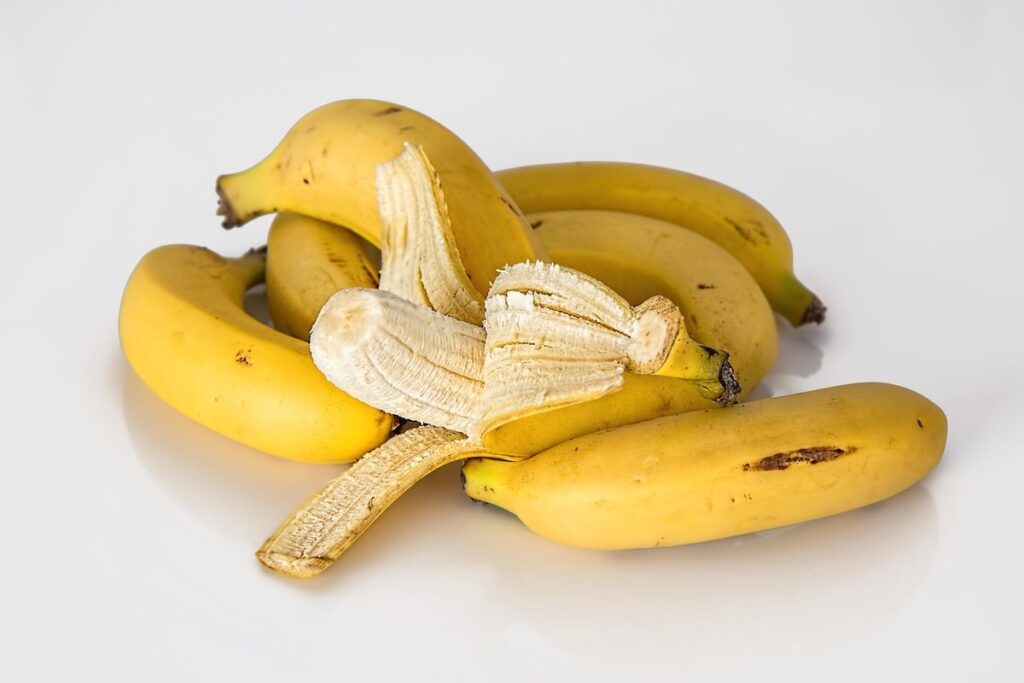
Benefits and Risks of Feeding Chicken Fruit Scraps
When it comes to feeding your chickens fruit scraps, it’s essential to weigh the benefits against potential risks, including digestive issues and nutritional imbalances. Let’s explore these factors together.
Nutritional Value of Banana Peels for Chickens
Banana peels are often discarded as waste, but they can be a valuable source of nutrition for chickens. Rich in vitamins and minerals, banana peels offer several potential health benefits for our feathered friends.
One of the most significant nutritional advantages of banana peels is their high content of potassium, an essential mineral for maintaining healthy blood pressure, nerve function, and muscle contractions. A single banana peel can provide up to 0.5 grams of potassium, making it a valuable addition to your chicken’s diet.
Banana peels are also rich in other vital nutrients like vitamin B6, manganese, and dietary fiber. Vitamin B6 is crucial for healthy red blood cell production, while manganese plays a key role in bone health and metabolism. The high fiber content in banana peels can help regulate digestion and support a balanced gut microbiome.
When feeding your chickens banana peels, make sure to chop them into small pieces or shred them finely to ensure easy digestibility. You can also mix them with their regular feed or use as a treat to add variety to their diet.
Potential Health Risks Associated with Raw Banana Peels
When it comes to feeding raw banana peels to your chickens, there are potential health risks that you should be aware of. One of the main concerns is the possibility of digestive issues. Banana peels contain a type of fiber that can be difficult for chickens to digest, leading to constipation or even impaction in severe cases. Additionally, if your chickens eat too much banana peel, they may experience bloating, gas, and discomfort.
Another risk associated with feeding raw banana peels is the potential for contamination from pesticides. Bananas are often sprayed with pesticides during cultivation, which can linger on the peels. If you’re not careful to properly wash the peels before feeding them to your chickens, you may be exposing them to toxic chemicals that can cause a range of health problems.
To minimize these risks, it’s essential to take precautions when feeding raw banana peels to your flock. Wash the peels thoroughly with soap and water before cutting them into small pieces or grinding them into a pulp.
Preparing Banana Peels for Chicken Consumption
Before feeding banana peels to your chickens, you’ll want to prepare them properly to ensure they’re safe and easy to eat. Let’s cover the steps to prepare banana peels for your feathered friends.
How to Clean and Prepare Banana Peels for Chickens
Cleaning and preparing banana peels for your flock is a crucial step to ensure their safety. Before offering banana peels as a treat, make sure to remove any debris, such as twigs or seeds, that may be attached to the peel. You can do this by gently pulling them off with your fingers or using a small brush to sweep away loose particles.
It’s also essential to wash the banana peels thoroughly to eliminate any pesticide residue. Rinse them under running water and then soak them in a bowl of water for about 30 minutes. This will help loosen any dirt or chemicals that may be present on the surface. After soaking, scrub the peels with your fingers or a soft brush to remove any remaining impurities.
Next, dry the banana peels thoroughly with a clean towel before offering them to your chickens. You can also chop or tear them into smaller pieces to make them easier for your flock to eat. By following these simple steps, you’ll be able to provide your chickens with a healthy and safe snack that’s rich in nutrients.
Safety Considerations When Feeding Raw Foods to Chickens
When introducing raw foods like banana peels into your chicken’s diet, it’s essential to prioritize their safety and well-being. Raw foods can carry bacteria like Salmonella and E. coli, which can be detrimental to chickens if not handled properly.
To minimize the risk of contamination, make sure to wash your hands thoroughly before and after handling raw food. This may seem obvious, but it’s crucial in preventing cross-contamination. Also, always store raw banana peels in a clean, dry container until you’re ready to feed them to your chickens. If you’re planning to reuse the same container, ensure it’s been properly sanitized between uses.
Before feeding raw banana peels to your flock, inspect them for any signs of spoilage or mold. Discard any damaged or rotting peels to prevent the spread of disease. You can also consider freezing or dehydrating the banana peels as an alternative way to store and feed them to your chickens.
Remember to introduce new foods gradually to allow your chickens’ digestive systems to adjust. Start with small amounts and monitor their behavior, appetite, and stool quality closely. By following these simple guidelines, you can enjoy feeding your chickens raw banana peels while ensuring their safety and health.
Can Baby Chicks Eat Banana Peels?
When it comes to feeding baby chicks, you might be wondering if banana peels are a safe and healthy option for them. We’ll examine whether they can eat raw banana peels in this section.
Nutritional Needs of Young Chicks
When it comes to feeding baby chicks, their nutritional needs are quite different from those of adult chickens. Young chicks require a diet rich in protein and calcium to support their rapid growth and development. Banana peels can provide some essential nutrients like potassium and fiber, but they also contain compounds that might be detrimental to young chicks.
Feeding banana peels to baby chicks could lead to an imbalance of essential vitamins and minerals in their diet. For instance, banana peels are high in oxalic acid, which can bind to calcium and prevent its absorption. This is particularly concerning for young chicks as they need calcium to develop strong bones and beak structure.
As a responsible chicken keeper, it’s crucial to ensure your baby chicks receive a balanced and nutrient-rich diet. Consider supplementing their feed with a high-quality chick starter mix that meets the nutritional requirements of growing birds. If you still want to incorporate banana peels into their diet, do so in moderation (about 5-10% of their daily ration) and ensure they have access to fresh water at all times.
Feeding Banana Peels to Chicks: Guidelines and Precautions
When introducing banana peels into a young chick’s diet, it’s essential to consider their sensitive digestive systems. Chicks have delicate gut microbiomes that are still developing, and a sudden change in food can lead to digestive issues.
Begin by mixing finely chopped banana peels with their regular feed in small amounts (about 1/4 teaspoon per pound of starter feed). Monitor their behavior and watch for signs of discomfort or illness. If they seem okay, gradually increase the amount over the next few days. It’s crucial not to overwhelm them with too much new food at once.
Some things to keep in mind: banana peels are high in fiber and potassium, which can be beneficial for chicks but may cause gastrointestinal upset if fed excessively. Also, be sure to remove any seeds or brown spots from the peel before offering it to your chicks, as these can be toxic.
As you introduce banana peels into their diet, also ensure they have access to fresh water at all times. This will help them digest the new food and prevent any potential complications.
Can Chickens Eat Green or Unripe Banana Peels?
Let’s dive into whether your chickens can safely snack on green or unripe banana peels, and what to avoid when feeding them. We’ll explore the potential risks involved.
Impact of Green vs. Ripe Banana Peels on Chicken Health
When it comes to feeding banana peels to chickens, the ripeness of the peel can significantly impact their health. Green or unripe banana peels are different from ripe ones, and understanding these differences is crucial for a healthy flock.
Green banana peels have a higher concentration of starch than ripe peels, which can be beneficial for chickens as it provides energy and fiber. However, they also contain more resistant starch, a type of carbohydrate that’s difficult to digest in its raw form. If fed excessively, this could lead to digestive issues such as diarrhea or constipation.
In contrast, ripe banana peels are sweeter and softer than green ones, making them easier for chickens to digest. They’re also rich in potassium, vitamins, and minerals, which can contribute to a balanced diet. But overfeeding ripe peels can cause an imbalance of electrolytes in the chicken’s body, potentially leading to health problems.
To feed banana peels safely, start with small amounts (about 1-2% of their daily diet) and monitor your flock’s reaction. You can also mix green peels with other foods to help break down resistant starches or add ripe peels as a treat in moderation. Always ensure the peels are clean and free from pesticides before offering them to your chickens.
What Happens if Chickens Eat Too Much Banana Peel?
If you’re considering feeding banana peels to your flock, it’s essential to be mindful of the quantity. While a small amount won’t harm them, overfeeding can lead to digestive issues and nutrient imbalances. Chickens that eat too much banana peel may experience gastrointestinal problems, such as diarrhea or constipation.
Consuming large amounts of banana peels can also cause an imbalance in your chicken’s diet, leading to nutritional deficiencies or excesses. For example, banana peels are high in potassium, which is essential for chicken health. However, if fed excessively, it can lead to hyperkalemia – a condition where the chicken has too much potassium in its system.
To avoid these issues, only feed small amounts of banana peel (about 1-2 inches per chicken per day) and make sure to balance their diet with other nutrient-rich foods. Monitor your flock’s health closely and adjust feeding quantities accordingly. Additionally, consider the age and breed of your chickens when introducing banana peels into their diet – some may be more susceptible to digestive issues than others.
Alternatives to Feeding Raw Banana Peels
If you’re still unsure about feeding raw banana peels, there are plenty of alternatives you can try that might be just as beneficial for your flock. Let’s take a look at some options.
Composting Banana Peels for Chicken Manure
Composting banana peels as an addition to chicken manure offers several benefits over feeding them raw. One key advantage is that it allows for a more controlled and balanced nutrient intake for your chickens. When you compost banana peels, the high levels of potassium, sulfur, and other nutrients become available to your flock in a more manageable form.
Composting also reduces the risk of nutritional imbalances or even toxicity that can occur when feeding raw banana peels. For instance, if fed in excess, raw banana peels can lead to an overabundance of certain micronutrients like potassium, which can cause health issues for chickens. By composting them first, you ensure a steady release of nutrients as the materials break down.
To start composting banana peels with chicken manure, gather equal parts of both and add a small amount of brown materials (e.g., dried leaves or straw) to help balance moisture levels. Aeration is key; regularly turn the pile to speed up decomposition. In 2-3 weeks, you’ll have a rich nutrient source for your chickens’ manure that’s far more nutritious than feeding them raw banana peels.
Better Fruit Options for Chickens
When it comes to providing fruit options for your flock, there are many healthier and safer alternatives to raw banana peels. One of the best things about fruits is their seasonal availability, which means you can easily incorporate a variety into your chickens’ diet as they come in season.
Apples, for instance, are a great option. Rich in fiber, vitamins, and minerals, apples make an excellent addition to your flock’s menu. Simply chop them up into bite-sized pieces or core them before serving to prevent choking hazards. Oranges and grapefruits are also safe for chickens, providing essential vitamin C and other nutrients.
Berries like strawberries, blueberries, and raspberries are another great choice, offering antioxidants, vitamins, and minerals that promote overall health. Be sure to remove any stems and wash the berries thoroughly before serving them to your flock. Consider using seasonal fruits to keep things interesting and ensure a balanced diet for your chickens.
Case Studies and Real-Life Experiences
Let’s dive into real-life scenarios where chicken owners have fed their flock banana peels, including successes and setbacks to consider when making your own decision. We’ll examine what happened in each case.
Examples of Successful Banana Peel Feeding in Backyard Flocks
Many backyard chicken keepers have successfully incorporated banana peels into their flock’s diet. For instance, Sarah from California reported feeding her 10 hens a few shredded banana peels every week. She noticed improved egg yolk color and consistency after just two weeks of adding the banana peels to their feed. However, she also noted that the hens preferred the peels when mixed with other fruits or vegetables.
Another example is Mark from Florida, who started feeding his 20-strong flock banana peels as a treat during molting season. He observed reduced stress and healthier plumage in his birds after introducing the peels to their diet. To avoid digestive issues, Mark made sure to chop the banana peels finely before adding them to the feed.
To replicate these successes at home, consider the following tips: provide fresh banana peels, not frozen or dried ones, as chickens may find the texture unappealing; mix the peels with other nutrient-rich ingredients for better palatability and absorption; and monitor your flock’s response closely, adjusting the quantity of peels according to their individual needs.
Common Mistakes to Avoid When Introducing New Foods
When introducing new foods to your flock, it’s essential to be aware of potential pitfalls that could harm your chickens’ health. One common mistake is not doing a gradual introduction, which can lead to digestive issues and allergic reactions. When adding banana peels or any other novel food, make sure to introduce them in small amounts (about 10% of their diet) for the first few days to monitor their reaction.
Another mistake is overfeeding your flock with treats like banana peels. While they may seem harmless, excessive consumption can cause an imbalance of nutrients and lead to malnutrition. For example, if you’re feeding too much potassium-rich foods, it can result in kidney damage or other health problems. To avoid this, stick to a balanced diet and only supplement with small amounts of treats.
Also, be aware that some chickens may have individual sensitivities to certain ingredients, including banana peels. Keep an eye on your flock’s behavior and adjust their diet accordingly. If you notice any signs of illness or discomfort, consult with a veterinarian for advice. By being mindful of these potential mistakes, you can ensure a safe and healthy transition to incorporating banana peels into your chickens’ diet.
Conclusion: Balancing Nutrient-Rich Diets with Safety Precautions
Now that we’ve discussed feeding banana peels to chickens, let’s review the key takeaways and provide guidance on balancing nutrient-rich diets with necessary safety precautions.
Recap of Key Takeaways
When it comes to feeding raw banana peels to chickens, there are several key takeaways to consider. On one hand, banana peels are a nutrient-rich food source that can provide essential vitamins and minerals, such as potassium, vitamin C, and dietary fiber. They can also help support healthy digestion and bowel movements in chickens.
However, it’s equally important to be aware of the potential risks associated with feeding raw banana peels. For instance, if not properly cleaned or cooked, they can harbor harmful bacteria like E. coli or Salmonella. Moreover, eating large quantities of banana peels can cause an imbalance of certain nutrients, potentially leading to health issues in chickens.
Before making any dietary changes for your flock, be sure to carefully consider the pros and cons. If you do choose to feed raw banana peels, ensure they are thoroughly cleaned, washed, and free of pesticides or other contaminants. A good rule of thumb is to introduce new foods gradually, monitoring your chickens’ health and adjusting their diet accordingly.
Final Advice for Chicken Keepers
As you continue on your chicken-keeping journey, it’s essential to remember that even with thorough research and planning, our understanding of what chickens can safely consume is always evolving. The world of poultry nutrition is constantly shifting, and new discoveries are being made regularly.
To ensure the long-term health and well-being of your flock, stay vigilant and open to adjusting their diet as necessary. Continuously monitor for signs of adverse reactions or nutrient deficiencies, and be prepared to make changes in response. Consider consulting with veterinarians, poultry experts, or online forums to share knowledge and best practices with fellow chicken keepers.
For example, you may need to reassess your flock’s diet if new research emerges that highlights potential toxicity risks associated with a particular food source – including banana peels. Always prioritize caution when introducing new foods, and be willing to adapt as new evidence arises. By embracing this mindset of ongoing learning and flexibility, you’ll better equip yourself to provide the best possible care for your feathered friends.
Frequently Asked Questions
Can I give my chickens banana peels that have been sitting out for a few days?
While it’s best to provide fresh banana peels, lightly ripe or slightly past-ripe banana peels can still be safely fed to your flock. However, avoid feeding moldy or rotting peels as they may cause digestive issues.
What if I notice my chickens are having trouble digesting banana peels? How do I know it’s related?
Monitor your chickens’ behavior and droppings closely when introducing new foods like banana peels. If you notice changes in droppings, appetite, or overall health, discontinue feeding the banana peels for a few days to see if symptoms improve.
Can I feed banana peels to my chickens as a regular staple diet?
No, it’s essential to provide a balanced and varied diet that meets your flock’s nutritional needs. Banana peels should be given in moderation (about 1-2% of their total daily intake) as an occasional treat or supplement to enhance nutrition.
How do I clean and store banana peels for later use?
Wash the banana peels gently with water, then dry them thoroughly before storing them in a sealed container or freezer bag. Store in the refrigerator for up to 3-5 days or freeze for longer-term storage.
What are some common mistakes to avoid when feeding raw banana peels to my chickens?
Be cautious of overfeeding and ensure your chickens have access to fresh water at all times. Avoid giving them green, unripe, or moldy peels as these can be toxic or cause digestive issues.