
If you’re an avid gardener or duck enthusiast, chances are you’ve wondered if it’s safe to feed your feathered friends raw tomatoes. Not only can ducks enjoy this juicy treat, but they also need a balanced diet rich in nutrients. The good news is that raw tomatoes can provide essential vitamins and minerals for your ducks. However, not all varieties of tomatoes are created equal, and improper preparation or excessive consumption can lead to health issues. In this article, we’ll delve into the nutritional benefits of feeding raw tomatoes to ducks, explore safe varieties to offer, and discuss supplement considerations to ensure a healthy diet for your beloved waterfowl. We’ll also cover essential tips on how to prepare these treats safely, so you can provide your ducks with the best possible care.
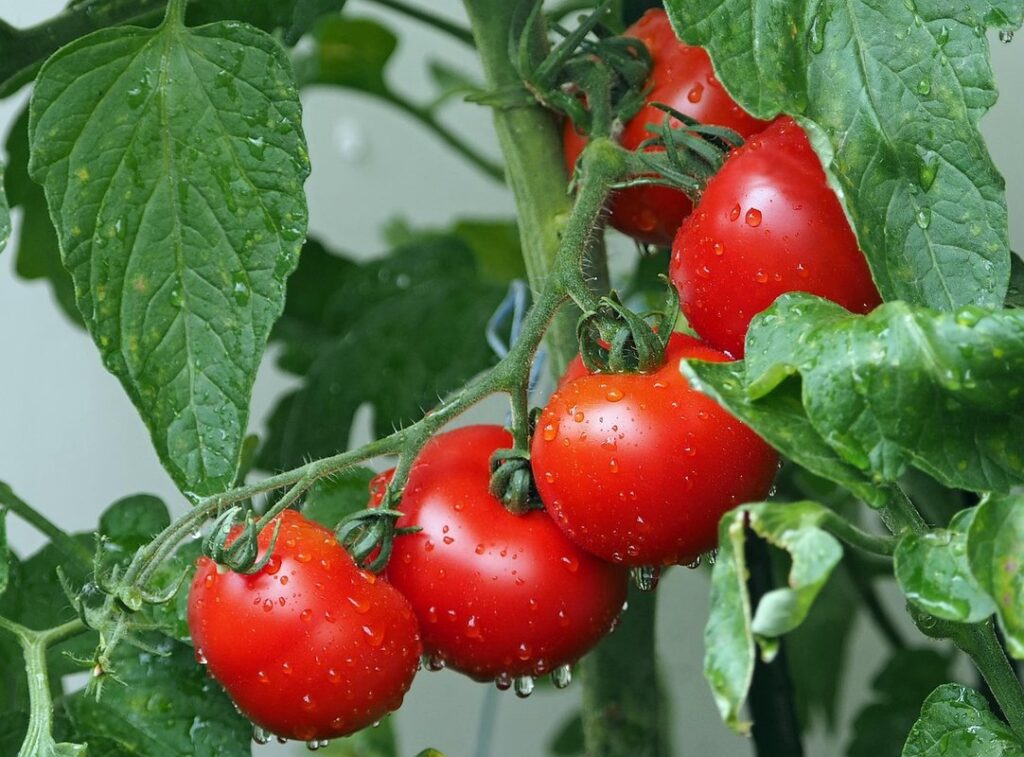
Benefits and Risks of Feeding Ducks Fresh Produce
Now that you’ve considered the safety of feeding your feathered friends raw tomatoes, let’s explore the benefits and risks of supplementing their diet with fresh produce. We’ll examine what to expect.
Nutritional Value of Raw Tomatoes for Ducks
Raw tomatoes are an excellent addition to a duck’s diet due to their impressive nutritional profile. With approximately 95% water content, they provide hydration without adding excess calories. Tomatoes also contain high levels of vitamins A and C, which support the duck’s immune system and overall health.
Potassium is another essential nutrient found in abundance in raw tomatoes. This mineral helps regulate a duck’s electrolyte balance, which can become disrupted due to stress or illness. Including fresh tomatoes in their diet can help alleviate symptoms such as lethargy, weakness, and poor appetite.
When feeding your ducks raw tomatoes, be sure to introduce them gradually into their diet to prevent digestive upset. Start with small amounts (about 1-2 tomatoes per duck) and monitor their response. As a general rule of thumb, 10% of a duck’s daily calorie intake should come from fresh produce. By incorporating raw tomatoes in moderation, you can provide your feathered friends with a nutrient-rich treat that supports their overall well-being.
Potential Health Risks Associated with Tomato Consumption
Feeding raw tomatoes to ducks can pose some potential health risks that you should be aware of. One of the main concerns is digestive issues. Raw tomatoes contain a high amount of water and fiber, which can cause stomach problems if fed in excess. For instance, ducks may experience diarrhea, vomiting, or even become lethargic due to an upset stomach.
Another risk associated with feeding raw tomatoes to ducks is allergic reactions. While rare, some ducks may be allergic to the proteins present in tomatoes. Symptoms of a tomato allergy in ducks can include skin lesions, respiratory problems, and inflammation. If you suspect your duck has a tomato allergy, it’s essential to discontinue feeding them raw tomatoes immediately.
Nutrient imbalances are also a concern when feeding raw tomatoes to ducks. Tomatoes are relatively low in protein and calcium, which are crucial nutrients for ducks. A diet lacking these essential nutrients can lead to malnutrition and weakened immune systems over time. To avoid these risks, it’s recommended to feed raw tomatoes in moderation and as part of a balanced diet that includes a variety of fruits and vegetables.
Can Ducks Digest Raw Tomatoes?
Let’s get straight to the point: ducks can indeed eat raw tomatoes, but it’s essential to understand how their digestive system handles them. We’ll explore what happens when a duck eats a juicy tomato.
Anatomy of a Duck’s Digestive System
Ducks have a unique digestive system that is well-suited to their herbivorous diet. The anatomy of a duck’s digestive system begins with the beak, which is used to tear and grind food into smaller pieces before it enters the mouth. From there, the food passes through the esophagus and into the crop, where food is stored before being digested in the gizzard.
The gizzard is a muscular organ that grinds food using small stones and grit ingested by the duck. This process breaks down tough plant material, making it easier for nutrients to be absorbed in the intestines. The intestines are long and thin, with a large surface area that allows for efficient absorption of nutrients from the digested food.
One notable aspect of a duck’s digestive system is its ability to digest cellulose, a complex carbohydrate found in plant cell walls. This is due to the presence of specialized bacteria in the gut that can break down cellulose and release energy-rich compounds that are then absorbed by the duck.
In terms of processing raw tomatoes specifically, it’s worth noting that ducks have been known to feed on tomato plants, including leaves and stems, as well as ripe fruit. However, this doesn’t necessarily mean they’re able to digest raw tomatoes without any issues. We’ll discuss this further in a later section.
How Ducks Process Fiber and Cell Walls in Vegetables
Ducks are able to digest fiber and cell walls in vegetables like raw tomatoes due to their unique digestive system. Unlike humans who require cooking to break down plant cell walls, ducks have a gizzard that acts as a grinding organ, helping to break down tough fibers.
When it comes to processing cell walls, ducks rely on their specially adapted gut flora, which contains microbes such as protozoa and bacteria. These microorganisms work together to break down complex carbohydrates into simpler sugars, allowing the duck’s body to absorb essential nutrients. In addition, the high concentration of cellulase in a duck’s gizzard enables them to efficiently digest cell walls.
It’s worth noting that while ducks can process fiber and cell walls effectively, raw tomatoes are relatively low in fiber compared to other vegetables like carrots or broccoli. However, even though they may not be as nutrient-dense as cooked tomatoes, raw tomatoes can still provide valuable vitamins A and C for your duck.
Tomato Varieties: Safe or Not for Ducks?
If you’re considering adding fresh tomatoes to your duck’s diet, you’ll want to know which varieties are safe and healthy for them to enjoy. Let’s take a look at some common tomato types.
Discussion on Common Tomato Varieties Suitable for Ducks
When it comes to feeding your ducks raw tomatoes, some varieties are safer and more beneficial for their health than others. Let’s explore some popular tomato types that are perfect for a duck’s diet.
Cherry Tomatoes: These bite-sized fruits are an excellent choice for ducks due to their sweet taste and firm texture. They’re also low in acidity, making them less likely to cause digestive issues. With cherry tomatoes, you can provide your feathered friends with a nutritious treat while minimizing the risk of adverse reactions.
Beefsteak Tomatoes: While they might be too large for individual servings, beefsteak tomatoes are rich in lycopene and antioxidants. You can chop or slice them into manageable pieces to avoid any choking hazards. As a bonus, their meaty texture makes them easy to incorporate into your duck’s diet.
Better Boy Tomatoes: These hybrid tomatoes offer an excellent balance of sweetness and acidity, making them a great option for ducks. They’re also relatively small in size, reducing the risk of overfeeding. When feeding Better Boy tomatoes, ensure you chop them into smaller pieces to prevent any discomfort or digestive issues.
Keep in mind that while these varieties are safe for your ducks, it’s essential to maintain moderation and balance in their diet. A mix of fresh fruits and vegetables will keep your feathered friends happy and healthy.
Warning Signs for Inadvisable Tomatoes
When it comes to feeding raw tomatoes to ducks, there are certain varieties that you should be aware of and avoid. Some tomato varieties have higher acidity levels than others, which can lead to health issues for your feathered friends. For instance, the popular ‘Roma’ and ‘Cherry Roma’ varieties tend to be more acidic than others.
Another variety to steer clear of is the ‘Brandywine’, known for its exceptional flavor but also high acidity levels. These tomatoes have a pH level that can cause stomach upset and discomfort in ducks. The same goes for other heirloom varieties like ‘Black Krim’ and ‘Yellow Pear’. If you suspect your duck is experiencing any adverse effects, monitor their behavior closely and consult with a veterinarian.
If you still want to offer raw tomatoes to your ducks, it’s best to stick with milder varieties like ‘Beefsteak’, ‘Better Boy’, or ‘Early Girl’. These have lower acidity levels and are less likely to cause problems. Always wash the tomatoes thoroughly before offering them to your ducks as a treat.
Tips for Feeding Raw Tomatoes to Ducks Safely
If you’ve decided to give your ducks a taste of fresh tomatoes, make sure to follow these essential guidelines for safe feeding. Here’s how to do it right!
Preparing and Serving Fresh Tomatoes to Your Flock
When serving fresh tomatoes to your flock, it’s essential to follow proper preparation and presentation techniques to minimize food safety risks. First, make sure to wash the tomatoes thoroughly with clean water to remove any dirt, bacteria, or pesticides that may be present.
Cut or chop the tomatoes into bite-sized pieces to ensure easy consumption for your ducks. You can also remove the seeds and excess liquid from the tomatoes to reduce the risk of bacterial contamination. To make serving even easier, consider using a feeding trough or dish specifically designed for poultry.
When presenting raw tomatoes to your ducks, place them in an area where they can easily access and eat without creating a mess. Consider offering a small amount at first to gauge their interest and appetite. As with any new food item, monitor your ducks’ behavior and digestive health closely after introducing raw tomatoes into their diet.
Recommended Amounts and Frequency of Tomato Consumption
When introducing raw tomatoes into your duck’s diet, it’s essential to consider the ideal amounts and frequency of consumption. The key factors to keep in mind are age, size, and individual needs.
For young ducklings (up to 4 weeks old), start with small amounts – about 1/4 teaspoon per pound of body weight per day. For example, a 2-pound duckling would get 1-2 teaspoons of finely chopped tomatoes daily. As they grow, increase the amount gradually until you reach 1-2% of their total diet.
For adult ducks, the general guideline is to offer no more than 5-10% of their diet as raw vegetables, including tomatoes. This translates to about 1/4 cup to 1/2 cup per duck daily. Remember that individual needs may vary depending on factors like breed, size, and activity level.
To ensure you’re not overfeeding your ducks, observe their appetite, droppings, and overall health. If they show signs of digestive issues or excessive consumption, adjust the amount accordingly. Always provide a balanced diet with plenty of whole grains, fruits, and vegetables for optimal nutrition.
The Role of Supplements in a Balanced Duck Diet
While it’s exciting to share fresh veggies with your feathered friends, we’ll take a closer look at how supplements fit into their well-rounded diet and overall health. This section will explore their role in maintaining peak duck wellness.
Importance of a Well-Rounded Diet for Healthy Ducks
When it comes to providing for our feathered friends, it’s essential to remember that ducks require a well-rounded diet to thrive. A healthy duck’s nutritional needs are complex and multifaceted, and meeting these requirements is crucial for maintaining their overall health and well-being.
A balanced diet should consist of a mix of protein sources like insects, grains, and commercial pellets, as well as fresh fruits and vegetables. Ducks also need access to calcium-rich foods like crushed eggshells or dark leafy greens to support strong beak and feather growth. It’s equally important to avoid overfeeding, which can lead to obesity and related health issues.
For example, a duck’s daily diet might include 1-2 cups of commercial pellets, supplemented with fresh vegetables like kale, spinach, or carrots. Fresh fruits like berries or apples can also provide essential vitamins and minerals. However, it’s crucial to introduce new foods gradually to prevent digestive upset. By providing this balanced mix, you’ll be well on your way to creating a happy and healthy environment for your feathered friends.
Can Raw Tomatoes Replace or Supplement Commercial Pellets?
While commercial pellets are still the primary staple of a duck’s diet, incorporating raw tomatoes can be a nutritious and delicious addition. One of the main advantages of using raw tomatoes is their high water content, which can help keep your ducks hydrated, especially during hot summer months.
In terms of nutritional value, raw tomatoes are rich in vitamins A and C, potassium, and lycopene – an antioxidant that’s great for eye health. However, they lack essential amino acids and calcium found in commercial pellets, so it’s not recommended to replace them entirely.
As a supplement, you can try adding 1-2 medium-sized raw tomatoes per duck per day, chopped or sliced into their regular pellet mix. Be sure to introduce new foods gradually to prevent digestive upset. Also, consider the ripeness and freshness of your tomatoes – unripe or wilted ones might cause more harm than good.
To make it work seamlessly in your duck’s diet, consider the following:
• Start with small amounts to gauge tolerance
• Balance raw tomato intake according to season (more during summer)
• Combine with other nutrient-rich foods like leafy greens and fruits
Conclusion: Navigating the World of Fresh Produce for Ducks
Now that we’ve explored whether ducks can safely eat raw tomatoes, let’s summarize what you’ve learned and discuss practical tips for incorporating fresh produce into your duck’s diet.
Recap of Key Takeaways from this Article
As you’ve navigated through this article, it’s essential to recap the key takeaways on feeding raw tomatoes to your feathered friends safely. Let’s summarize the crucial points:
When introducing raw tomatoes into your duck’s diet, make sure they’re ripe and fresh. Avoid giving them unripe or green tomatoes, as they contain higher levels of toxic compounds like solanine. Keep in mind that even small amounts of contaminated produce can cause issues for your ducks.
Raw tomatoes are a nutritious addition to your duck’s meals, rich in vitamins A and C, potassium, and antioxidants. However, it’s crucial to introduce them gradually to prevent digestive upset. Start with small portions (about 1-2% of their daily diet) and monitor their reaction closely. If you notice any signs of discomfort or illness, adjust the quantity or discontinue feeding altogether.
We’ve also discussed the importance of proper handling and storage when it comes to fresh produce. Ensure your tomatoes are washed thoroughly before serving them to your ducks to minimize exposure to pesticides, bacteria, and other contaminants.
To incorporate raw tomatoes safely into your duck’s diet:
* Start with small portions (1-2% of their daily diet)
* Monitor their reaction closely for signs of digestive upset
* Introduce new produce gradually to prevent overfeeding or underfeeding
* Handle and store fresh produce properly to minimize exposure to contaminants
By following these guidelines, you can enjoy the nutritional benefits of raw tomatoes while ensuring your ducks’ health and well-being. Remember that every duck is different, so adjust their diet accordingly based on individual needs and reactions.
Frequently Asked Questions
Can I feed my ducks raw tomatoes if they have existing health issues?
Yes, even with pre-existing conditions, your ducks can still benefit from a balanced diet that includes fresh produce like raw tomatoes. However, it’s essential to consult with a veterinarian or poultry expert to determine the best course of action for your flock’s specific needs.
What if I’m concerned about my duck’s potassium levels being too high?
While potatoes and bananas are also rich in potassium, they are not the only food sources that can provide this nutrient. Tomatoes, in moderation, should not cause an excessive buildup of potassium in your ducks’ bodies.
Are there any specific precautions I need to take when preparing fresh tomatoes for my ducks?
Yes, ensure you’re washing the tomatoes thoroughly to remove any dirt or pesticides. Remove seeds and stems as they can cause digestive issues if ingested. Cut the tomatoes into small pieces to prevent choking hazards.
How do I know which tomatoes are safe for my flock?
Stick to varieties that are low in acidity, such as cherry tomatoes or beefsteak tomatoes. Avoid using raw tomato varieties high in acidity like Roma or plum tomatoes.
Can I mix raw tomatoes with commercial pellets without causing digestive issues?
Yes, but remember that a well-balanced diet is crucial for your ducks’ health. Mix the fresh produce with their regular feed in moderation and observe your flock’s response to any changes in their diet.