
When it comes to setting up your backyard chicken coop, one crucial aspect is often overlooked: providing your flock with adequate perching space. A well-designed perch system not only keeps your birds safe and healthy but also happy and comfortable. The perfect chicken perch size can be a matter of trial and error, especially for new chicken keepers. However, getting it right is essential for preventing feather pecking, stress, and even disease transmission among your flock. In this article, we’ll explore the importance of measuring space, selecting suitable materials, and designing an optimal perch system to meet your chickens’ needs. We’ll also provide you with practical tips on how to choose the perfect chicken perch size for a harmonious and thriving coop environment.
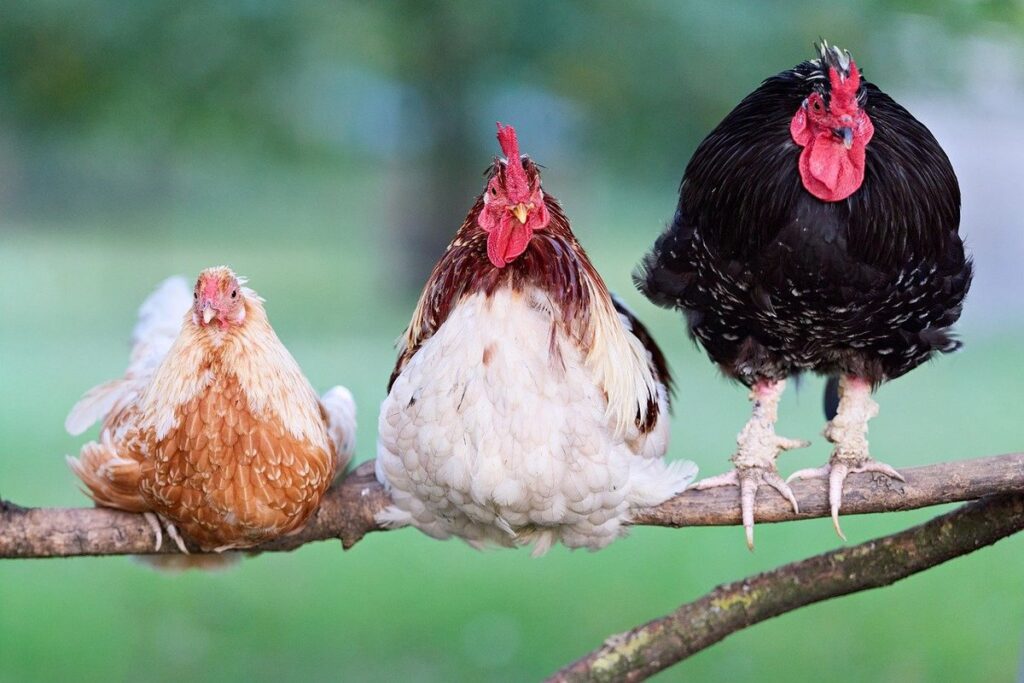
Understanding Chicken Behavior and Space Requirements
To raise happy and healthy chickens, it’s essential to understand their natural behavior and space needs, which can be directly tied to your choice of perch size. This section will explore these crucial factors in more detail.
Why Chickens Need Vertical Space
In their natural environment, chickens are known to use vertical space to roost, forage, and exercise. Observing wild birds, you’ll notice that they often perch on branches to escape predators, find food, or simply take a break from the ground. Similarly, domesticated chickens have an innate desire to climb and explore heights.
For their well-being, providing ample vertical space is crucial. Chickens need to stretch their wings, exercise their muscles, and engage in natural behaviors like scratching and pecking. Without sufficient vertical space, they may become stressed, bored, or even aggressive. A chicken’s ideal perch size should accommodate their instinctual desire for climbing and roosting.
To determine the right chicken perch size for your flock, consider a few things: the breed, age, and number of birds you have. Generally, a good rule of thumb is to provide at least 2-3 square feet of space per bird at floor level and an additional 1-2 feet of vertical space. You can also provide multiple tiers or levels to cater to different bird preferences and needs.
Measuring Your Flock’s Activity Level
When it comes to choosing the right chicken perch size for your flock, understanding their activity level is crucial. A high-energy flock will require more space and a sturdy perch that can withstand their weight and movements. Conversely, a calm flock may need less space and a smaller perch.
To assess your flock’s activity level, observe them during peak hours when they’re most active. Note how much time they spend foraging, scratching, and moving around the coop or run. Consider factors like breed characteristics, age, and sex ratios. For example, Leghorns are known to be highly energetic and require more space than quieter breeds like Plymouth Rocks.
Use a simple activity level scoring system: 1-3 (low-moderate-high). Based on your observations, determine the minimum amount of space your flock requires. A good rule of thumb is to provide at least 4 square feet per bird inside the coop and 8-10 square feet in the run for moderate-energy breeds.
Regularly monitor your flock’s behavior by tracking changes in their activity level, which can be influenced by factors like weather, nutrition, and health issues. Adjust their living space accordingly to ensure a happy and healthy flock. By understanding and adapting to your chickens’ unique needs, you’ll choose the perfect perch size for their comfort and safety.
The Impact of Perch Size on Chicken Health
When it comes to choosing the right chicken perch size, there’s more at stake than just aesthetics. A lack of suitable space can have a significant impact on your flock’s overall health and well-being.
Chickens need room to stretch their legs, exercise, and engage in natural behaviors like perching, roosting, and dust bathing. When these needs aren’t met, it can lead to stress, boredom, and increased aggression among hens. In fact, research has shown that chickens kept in cramped or unsuitable environments are more likely to exhibit abnormal behaviors, such as pacing, feather pecking, and egg-eating disorders.
A perch that’s too small can also exacerbate existing health issues, like arthritis, muscle strain, and respiratory problems. For example, a large breed hen may require a perch with a minimum width of 2-3 inches to accommodate her weight comfortably. Failure to provide adequate space can lead to discomfort, pain, and even long-term damage.
To avoid these issues, make sure to measure your flock’s individual needs and choose perches that offer sufficient room for each bird to roost comfortably.
Choosing the Right Material for Your Chicken Perch
When it comes to building a chicken perch, selecting the right material is crucial for both durability and your chickens’ comfort. Consider factors like weight capacity, weather resistance, and ease of cleaning when making your decision.
Pros and Cons of Different Materials
When it comes to building a chicken perch, choosing the right material is just as important as selecting the perfect size. Different materials offer varying levels of durability, ease of cleaning, and safety for your feathered friends.
Wooden perches are a popular choice due to their natural look and feel. However, they can be prone to splintering, especially if not properly treated or maintained. Plastic perches are low-maintenance but may crack over time. Metal perches are sturdy but can be noisy and pose a risk of injury if the bars are too far apart.
Rope perches offer an interesting alternative, providing a natural scratching surface for chickens to exercise their claws. However, they require regular replacement due to wear and tear. On the other hand, rope perches can also harbor bacteria and mites if not properly cleaned.
Ultimately, consider your climate, the number of birds you’re housing, and their individual personalities when making your decision. A well-designed perch made from a durable material will last longer and provide better comfort for your flock.
Considerations for Durability and Maintenance
When choosing a material for your chicken perch, it’s essential to consider its durability and maintenance requirements. Different materials can withstand wear and tear better than others, which affects the overall lifespan of your perch.
For instance, cedar wood is known for its natural resistance to rot, decay, and insect damage. However, it does require regular oiling to maintain its protective properties. On the other hand, pressure-treated pine or fir may be more affordable but can leach chemicals into the surrounding environment and potentially harm your chickens if not properly sealed.
Other considerations include metal perches, which are often made from rust-resistant materials like aluminum or galvanized steel. While they’re low-maintenance, they can be noisy when hens move around and might become uncomfortable for birds with sensitive feet. Plastic perches are another option but tend to absorb moisture, creating an ideal environment for bacteria growth.
In terms of maintenance, look for materials that are easy to clean and resistant to stains. Consider your climate and the specific needs of your flock when selecting a material. With proper care and attention, a well-chosen perch can last for years, providing a safe and comfortable roosting spot for your hens.
Measuring Your Chicken Coop’s Space and Perch Requirements
When choosing a chicken perch, it’s essential to consider not just the birds’ comfort but also their safety, which starts with accurately measuring your coop’s space and requirements. Let’s get started on that calculation!
Calculating Space per Bird
Calculating space per bird is crucial when determining the ideal chicken perch size for your flock. To do this, you’ll need to consider two key factors: your flock’s size and activity level. A good rule of thumb is to provide at least 3-4 square feet of floor space per bird in a stationary coop, and up to 10 square feet of outdoor run space. However, if your birds are highly active or have a tendency to scratch and flap, you may need to provide more space to prevent overcrowding and stress.
To calculate the required space per bird, start by multiplying the number of birds in your flock by the recommended space per bird (3-4 square feet). For example, if you have 5 birds, you’ll need at least 15-20 square feet of floor space. When it comes to perch height and spacing, a good starting point is to provide a minimum of 2-3 inches between perches and 12-18 inches from the floor to the lowest perch. This will give your birds enough room to comfortably roost without feeling cramped or competing for space.
Common Mistakes in Chicken Coop Design
When designing a chicken coop, it’s easy to overlook crucial details that can lead to unhappy hens and health issues. One of the most common mistakes is inadequate space within the coop. Chickens need room to move around comfortably, stretch their wings, and engage in natural behaviors like foraging and dust bathing. A good rule of thumb is to provide at least 3-4 square feet per chicken inside the coop, but ideally more if you can.
Another critical mistake is poor perch placement. Perches should be placed off the ground, with enough space between them for each hen to roost comfortably without being crowded or competing for a spot. Aim for a minimum of 12 inches of perch space per bird, and consider installing multiple levels or tiers to give your girls their own private spaces.
Insufficient ventilation is another critical oversight that can lead to health problems in chickens. Make sure your coop has adequate airflow, with windows, vents, or other features that allow fresh air to circulate inside. This will help regulate temperature, reduce ammonia buildup from waste, and prevent respiratory issues in your flock.
Designing an Optimal Perch System for Your Flock
When designing a perch system, it’s essential to consider your flock’s unique needs and behavior, including their roosting preferences and comfort levels. This is where careful planning comes into play.
Factors to Consider When Building a Perch System
When building or purchasing a perch system for your flock, there are several key factors to consider. First and foremost, think about ease of cleaning. A well-designed perch system should be easy to clean and maintain, with removable parts that can be washed regularly. This will help prevent the buildup of bacteria and diseases that can harm your chickens.
Another crucial factor is durability. Your perch system will likely see a lot of wear and tear over time, so it’s essential to choose materials that can withstand heavy use. Consider using durable woods like cedar or pine, or even metal perches with a powder-coated finish.
Accessibility is also vital when designing a perch system. Make sure the perches are spaced far enough apart for your chickens to comfortably roost without fighting over space. A good rule of thumb is to provide at least one foot of roosting space per bird. Finally, consider the size and layout of your coop and run when selecting a perch system – you’ll want to make sure it fits seamlessly into your existing infrastructure.
By carefully considering these factors, you can create a perch system that meets the needs of both your chickens and yourself.
DIY vs. Purchased Perch Systems
When it comes to designing an optimal perch system for your flock, one of the main decisions you’ll face is whether to build your own or purchase a pre-made system. Both options have their advantages and disadvantages.
Building your own perch system allows for complete customization and flexibility. You can design it specifically to meet the needs of your chickens, taking into account factors such as coop size, ventilation, and even aesthetics. This DIY approach also often proves cost-effective, with the added benefit of being able to reuse or repurpose materials from other projects. However, building a perch system requires time, effort, and expertise – if you’re not comfortable with carpentry or don’t have experience working with wood, this option may not be feasible.
On the other hand, purchasing a pre-made perch system offers convenience and ease of installation. These systems are designed to meet specific standards and requirements, ensuring they provide adequate space and comfort for your chickens. They also come with instructions and support from manufacturers, reducing the risk of errors or accidents. However, pre-made systems can be more expensive upfront and may not offer the same level of customization as a DIY approach.
It’s worth noting that some chicken keepers opt for a hybrid approach – building their own perch system but using pre-fabricated components or kits to streamline the process. This approach combines the benefits of both worlds, offering flexibility while still providing a safe and comfortable environment for your flock.
Ultimately, the decision between DIY and purchased perch systems comes down to your individual circumstances and preferences. If you’re comfortable with building and have experience working with wood, a DIY system may be the way to go. However, if time or expertise is limited, a pre-made system can provide peace of mind knowing that your chickens are safe and happy.
Before making a decision, consider factors such as:
* Space constraints: Measure your coop’s dimensions carefully to ensure you have enough room for both perches and other essential features.
* Budget: Calculate the upfront costs of building versus purchasing, including materials, tools, and potential errors or mistakes.
* Time commitment: Consider how much time you’re willing to dedicate to designing, building, and installing a custom perch system.
By weighing these factors and considering your specific needs, you can make an informed decision about whether to build or purchase a perch system for your flock.
Benefits of Using Elevated Perches in Your Chicken Coop
When it comes to designing a chicken coop, incorporating elevated perches can bring numerous benefits for both your chickens and you as their caretaker, including improved health and reduced stress.
Reduced Stress and Boredom
Elevated perches are an often-overlooked feature of a chicken coop, but they offer numerous benefits for our feathered friends. One significant advantage is the reduction of stress and boredom that comes with being able to observe their surroundings from a safe height.
By providing elevated perches, you’re giving your chickens a vantage point to watch predators or other potential threats from a distance, allowing them to feel more secure in their environment. This is particularly important for hens that are naturally vigilant, such as Silkies or Polish chickens.
In addition to feeling safer, elevated perches also offer a stimulating experience for your flock. Chickens are curious birds and love to watch the world go by. From a perch, they can observe insects, birds, and other wildlife, keeping them engaged and entertained. For example, if you place a perch near a window or door, your chickens will enjoy watching the outside activity while staying safely indoors.
To maximize the benefits of elevated perches for reducing stress and boredom, position them in areas where your flock can easily access and observe their surroundings. Consider installing multiple levels or tiers to create a sense of variety and interest.
Improved Egg Production and Health
When it comes to maintaining a healthy and productive flock, elevated perches play a crucial role. Research has shown that hens who have access to elevated perches tend to produce more eggs than those without this amenity. In fact, a study published in the Journal of Applied Poultry Research found that hens on elevated perches increased their egg production by an average of 10% compared to those on floor-level nesting boxes.
But why is this the case? Elevated perches provide several benefits that contribute to improved egg production and overall health. For one, they allow hens to exercise more freely, reducing stress and promoting a healthy weight. This, in turn, can lead to better calcium absorption, which is essential for strong eggshell production. Additionally, elevated perches give hens the opportunity to engage in natural behaviors like roosting and dust bathing, further boosting their overall well-being.
To maximize the benefits of elevated perches, be sure to provide them at a height that’s comfortable for your hens – around 2-3 feet off the ground is ideal. Also, ensure that the perch is sturdy and wide enough to accommodate all birds comfortably. By incorporating elevated perches into your chicken coop design, you’ll be taking a significant step towards creating a happy, healthy flock that produces plenty of delicious eggs.
Conclusion: Choosing the Right Chicken Perch Size for Your Flock’s Success
In conclusion, choosing the right chicken perch size is crucial for your flock’s success. By considering their breed, age, and comfort level, you can create a safe and comfortable space for them to roost. Remember that chickens need room to spread their wings comfortably without being cramped or exposed to predators. A general rule of thumb is to provide at least 3-4 square inches of space per bird on the perch. If you’re unsure about your flock’s specific needs, consult with a veterinarian or experienced chicken keeper for personalized advice.
Ultimately, investing time and effort into selecting the right chicken perch size will pay off in the long run. Happy and healthy chickens are less stressed, which leads to increased egg production and overall well-being.
Frequently Asked Questions
What is the ideal chicken perch size for a small flock of laying hens?
The ideal chicken perch size will depend on several factors, including your chickens’ breed, age, and activity level. A general rule of thumb is to provide at least 12-18 inches of roosting space per bird, with a minimum width of 2-3 inches for comfort. However, if you’re housing older or mobility-impaired birds, consider providing wider perches (24-36 inches) to ensure their safety.
How often should I clean and maintain my chicken perch system?
Cleaning your chicken coop regularly is essential for maintaining a healthy environment. We recommend cleaning the perch system every 2-3 months, or more frequently if you notice droppings accumulating. Use a gentle detergent and rinse thoroughly with water to prevent bacterial growth. Also, inspect your perches regularly for signs of wear and tear.
Can I use reclaimed wood or pallets as materials for my chicken perch?
While eco-friendly options like reclaimed wood or pallets can be appealing, we advise against using them for chicken perches due to potential health risks. Wood can harbor bacteria, fungi, and parasites that may harm your flock. Instead, opt for durable, easy-to-clean materials like metal or plastic.
How do I accommodate chickens with mobility issues on my perch system?
If you have older or mobility-impaired birds, consider providing ramps or wider perches to facilitate access to roosting bars. You can also install a lowered roosting bar (around 2-3 feet off the ground) for easier access. Make sure to consult with your veterinarian for advice on creating a comfortable and safe perch system for your flock.
What are some common mistakes to avoid when designing my chicken coop’s perch system?
Some common errors include inadequate perching space, poor ventilation, and neglecting ease of cleaning. To create an optimal perch system, ensure sufficient vertical space (at least 2-3 feet) and position perches at a comfortable height for your flock. Also, consider the age, breed, and size of your birds when designing your coop.