
Are you excited to collect those first eggs from your quails, but wondering when exactly they’ll start laying? It’s natural to be curious about this milestone in your backyard chicken-keeping journey. The timing of quail egg production depends on various factors, including breed and individual health. Some quail breeds are known to start laying as early as 18 weeks old, while others may take up to 24 weeks or more.
In this comprehensive guide, we’ll break down the age ranges for different quail breeds, discuss the key factors that affect egg production, and share expert tips on how to optimize your quails’ yield. Whether you’re a seasoned breeder or just starting out, understanding when your quails start laying eggs will help you better manage their health, nutrition, and overall productivity.
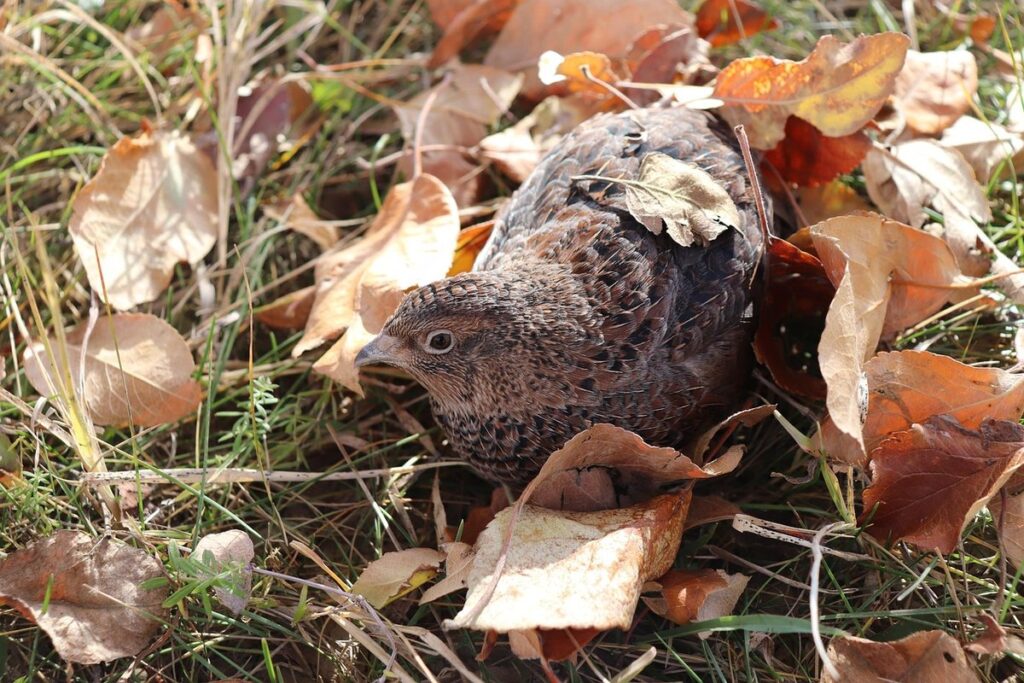
Understanding Quail Breeds and Their Lifespan
There are over 100 recognized quail breeds, each with unique characteristics that can affect their lifespan. Let’s take a closer look at some of these breeds and what you can expect from them in terms of longevity.
Factors Affecting Egg Laying in Quails
When choosing a quail breed for egg production, it’s essential to consider their lifespan and its impact on egg-laying abilities. Some breeds are bred specifically for high egg production, while others prioritize longevity over quantity. For example, the Japanese Coturnix Quail is a popular choice among backyard farmers due to its high egg production rate of up to 300 eggs per year. However, these birds typically have a shorter lifespan of around 2-3 years.
In contrast, breeds like the Pharaoh Quail can live for up to 5 years and produce around 100 eggs per year. While their egg-laying capacity may not be as high as some other breeds, they make up for it with their longevity. If you’re looking for a quail breed that will provide a steady supply of eggs over several years, choosing a longer-lived breed might be the better option.
When selecting a breed, consider your desired level of egg production and how much time you’re willing to invest in caring for the birds. Some breeds require more attention and care than others, so it’s crucial to choose a breed that fits your lifestyle and goals.
Importance of Age and Maturity in Quail Egg Laying
When young quails reach maturity, it’s natural to assume they’ll start laying eggs immediately. However, this isn’t always the case. In fact, many factors influence a quail’s egg-laying age, and nutrition plays a significant role. A balanced diet rich in protein, calcium, and vitamins is essential for optimal reproductive health.
Genetics also come into play, as some breeds are bred specifically for early maturity and high egg production. For instance, Japanese Quails typically reach reproductive maturity around 4-5 months of age, while other breeds may take up to 6-7 months.
Environmental conditions such as temperature, humidity, and lighting can also impact a quail’s ability to lay eggs. Even with proper nutrition and genetics, stress caused by environmental factors can delay egg production. Quails require a stable and controlled environment to thrive, and this includes providing adequate light (around 14 hours of daylight) and maintaining optimal temperatures between 65-75°F.
Quail owners should be patient and allow their birds time to mature naturally. Aim for providing the best possible care, including a nutritious diet and suitable living conditions, to ensure your quails reach their full egg-laying potential.
Quail Developmental Stages: From Hatching to First Egg
To help you better understand when your quail will start laying eggs, let’s take a look at their developmental stages from hatching to first egg. This process typically takes around 4-6 weeks.
Quail Growth Phases and Developmental Milestones
Quails go through several distinct growth phases as they develop from chick to laying hen. The first phase is called the embryonic stage, where the quail develops inside the egg. After hatching, the quail enters the brooder stage, during which it relies on its parents or a heat source for warmth.
As the quail grows, it reaches the pullet stage around 4-6 weeks of age. At this point, the quail is nearly fully grown and begins to develop its reproductive organs. Around 16-18 weeks, the quail reaches sexual maturity and starts producing eggs. However, not all breeds will start laying at the same time.
Some quail breeds, such as the Coturnix, can begin laying eggs as early as 8-10 weeks of age, while others like the Button Quail may take up to 24 weeks or more. Factors that influence egg-laying include breed, nutrition, and overall health. By understanding these developmental stages, you can better prepare your quails for a healthy reproductive life and maximize their potential.
It’s essential to provide optimal care during each stage, including a balanced diet, clean living conditions, and adequate light exposure.
Role of Nutrition in Supporting Quail Growth and Reproduction
As quails approach reproductive maturity, their nutritional needs undergo significant changes. A balanced diet is crucial during this critical period just before egg laying begins. Adequate protein intake is essential to support the development of ovaries and oviducts. Quail require about 16-18% crude protein in their feed to promote optimal growth.
A study on quail nutrition found that a high-quality diet rich in vitamins, minerals, and energy helped improve reproductive performance. The inclusion of calcium and phosphorus is also vital for eggshell formation. A good rule of thumb is to ensure the quails have access to fresh vegetables like leafy greens, carrots, and sweet potatoes daily.
Maintaining proper hydration is equally important as it helps in waste removal and nutrient distribution. Providing a clean and well-ventilated environment with adequate lighting will further support their growth and reproductive health. Monitor your quail’s feed intake and adjust the quantity accordingly to prevent overfeeding or underfeeding, which can affect egg production negatively.
First-Time Egg Layers: When Do Quails Start Laying Eggs?
For first-time quail keepers, it can be exciting and a little intimidating to wait for your feathered friends to start laying eggs. Let’s dive into when you can expect those first eggs to appear.
Average Age for First-Laid Eggs in Different Quail Breeds
The age at which quails start laying eggs can vary significantly depending on their breed. While some breeds are known to begin producing eggs as early as 6 weeks of age, others may not reach maturity until they are over a year old.
For example, Japanese Coturnix Quails are one of the earliest starters, with an average age at first lay of around 18-20 days. On the other hand, Button Quails tend to take longer, typically starting to lay eggs between 30-40 weeks of age. Other breeds, such as the California White and the Pharaoh Quail, fall somewhere in between, usually beginning production between 22-28 weeks.
When selecting a breed for egg-laying purposes, it’s essential to research their specific needs and average age at first lay. This will help you plan accordingly and ensure that your quails are receiving optimal care during their growth phase. By understanding the breed-specific characteristics of your quail, you can expect more successful outcomes from your flock.
Some popular breeds and their corresponding average ages at first lay include:
* Japanese Coturnix Quails: 18-20 days
* Button Quails: 30-40 weeks
* California White Quails: 22-28 weeks
* Pharaoh Quails: 24-32 weeks
Factors Influencing Egg-Laying Frequency and Quality
As a first-time quail owner, it’s essential to understand that environmental factors play a significant role in determining egg-laying frequency and quality. Temperature, for instance, can have a substantial impact on quail productivity. Quails are most productive at temperatures between 60°F and 80°F (15°C and 27°C). Temperatures above or below this range can lead to decreased egg production.
Light exposure is also crucial for quails. Natural light promotes healthy digestion, which in turn affects egg quality. Ensure your quail’s enclosure receives sufficient natural light during the day, but avoid direct sunlight as it can cause stress.
Living conditions such as humidity, cleanliness, and social interaction also influence egg-laying frequency. A clean and well-ventilated coop with adequate hiding places for the quails to feel secure is vital. A mix of individual nesting boxes or communal nests will encourage more frequent laying. Maintaining a healthy environment will not only boost egg production but also contribute to the overall well-being of your feathered friends.
Quails require about 14 hours of daylight to produce eggs, so consider investing in supplemental lighting if you live in areas with limited natural light during winter months or shorter days.
Identifying Signs of Quail Maturity for Optimal Egg Production
To ensure your quails reach their full egg-laying potential, it’s essential to recognize signs of maturity and take proactive steps towards optimal production. Look out for these key indicators.
Recognizing Physical Indicators of Maturity in Quails
As you care for your quails, it’s essential to recognize physical indicators of maturity that signal they’re ready to start laying eggs. At around 4-6 months of age, quails typically reach sexual maturity, but this can vary depending on breed and nutrition.
One way to identify a mature quail is by observing its plumage. A fully grown quail’s feathers will be dense and well-maintained, whereas younger birds may still have a sparse or uneven coat. Additionally, a mature quail’s eyes will appear more alert and vibrant, with a distinct sheen that’s indicative of good health.
Another indicator of maturity is the quail’s weight. A healthy adult quail should weigh around 6-8 ounces (170-225 grams), which is roughly twice its birth weight. You can also check for visible fat deposits on the breast and thighs, as these are signs of optimal nutrition and reproductive readiness.
By paying attention to these physical characteristics, you’ll be able to determine when your quails have reached maturity and are ready to start laying eggs.
Understanding Behavioral Changes in Matured Quails
As quails mature and approach reproductive readiness, they often exhibit distinct behavioral changes that signal their preparation for egg production. One of the most noticeable signs is increased activity, where quails become more energetic and restless. You may observe them pacing back and forth within their enclosure or strutting around with a more purposeful gait.
Courtship behaviors are another key indicator of maturity in quails. Males will often engage in elaborate displays to attract females, which can include bobbing their heads, spreading their feathers, or even performing a “dance” to impress potential mates. Females, on the other hand, may start to show more interest in nesting materials and begin preparing a brood chamber.
If you’re keeping quails for egg production, it’s essential to recognize these behavioral cues and respond accordingly. For instance, providing a suitable mate or creating a conducive environment can help stimulate egg-laying behavior in matured quails. By being attentive to these subtle changes, you can ensure optimal conditions for your quails to reach their full reproductive potential.
Managing Expectations: When to Expect Regular Egg Laying
When you finally see your quail starting to lay eggs, it can be a thrilling moment. But how do you know when to expect regular egg laying from your new feathered friends?
Factors Affecting Long-Term Egg Production in Quails
As you wait for your quails to start laying eggs, it’s essential to consider the long-term factors that can affect their ability to produce eggs regularly over time. Health issues are a significant concern, and quails are prone to respiratory problems, parasites, and vitamin deficiencies if not properly cared for.
Nutritional deficiencies can also impact egg production, as a balanced diet is crucial for maintaining optimal health. Ensure your quails have access to fresh water, high-quality feed, and supplements like calcium and protein to support their reproductive needs. Environmental stressors such as temperature fluctuations, poor ventilation, and overcrowding can also contribute to decreased egg production.
To maintain healthy quails, monitor their living conditions closely. Make sure the coop is well-ventilated, clean, and free from drafts. Provide a balanced diet and fresh water daily, and consider supplementing with probiotics or vitamin E to support immune function. Regular health checks can also help identify potential issues before they become severe.
By addressing these long-term factors, you can create an optimal environment for your quails to thrive and produce eggs regularly over time.
Strategies for Optimizing Quail Egg Yield Over Time
To optimize quail egg yield over time, it’s essential to focus on creating a healthy and thriving environment for your birds. Start by providing a balanced diet that meets the nutritional needs of your quails. A high-quality commercial quail feed should be supplemented with fresh fruits and vegetables daily. Ensure access to clean water at all times, as dehydration can significantly impact egg production.
Another crucial aspect is maintaining optimal living conditions. Quails require adequate space, ventilation, and temperature control to stay healthy. Aim for a stocking density of about 2-3 quails per square foot in the enclosure. Regular cleaning and disinfection of their habitat will help prevent diseases that can affect egg laying.
You can also implement strategies like providing nesting boxes, ensuring a consistent light-dark cycle, and minimizing stress triggers. By focusing on these factors, you’ll be able to boost your quail’s egg-laying performance over time.
Common Issues: Why Your Quails May Not Be Laying Eggs
If you’re finding that your quails aren’t laying eggs, it’s essential to identify the possible causes and take corrective action to get them back on track. We’ll explore some common issues that may be affecting their productivity.
Health-Related Reasons for Reduced or No Egg Production
Quails that are not laying eggs can be caused by several health-related issues. Respiratory infections are common in quail flocks and can lead to a decrease in egg production. These infections can cause inflammation and damage to the reproductive organs, making it difficult for the quail to lay eggs. To identify respiratory infections, look for symptoms such as coughing, sneezing, and labored breathing.
Parasites are another common health issue that can affect quails’ ability to lay eggs. Internal parasites like worms and protozoa can cause malnutrition, anemia, and reproductive problems in quails. Regular fecal checks and deworming treatment can help prevent or manage parasite infestations.
Reproductive problems such as egg binding, ovarian issues, and testicular problems can also lead to reduced or no egg production. Quail owners should monitor their birds’ behavior for signs of stress or discomfort during mating, nesting, or egg-laying processes. Providing a nutritious diet, ensuring proper ventilation, and maintaining a clean environment can help prevent health-related issues that affect quails’ reproductive abilities. Regular veterinary check-ups can also help identify any underlying health problems early on.
Nutritional Deficiencies Impacting Egg Laying in Quails
Nutritional deficiencies can significantly impact a quail’s ability to lay eggs regularly. For egg production, essential nutrients like protein, calcium, phosphorus, and vitamins A, D3, E, K, and B12 are crucial. Without adequate intake of these nutrients, quails may experience reproductive issues, such as delayed or stopped egg laying.
For instance, a lack of calcium can lead to softening of the shell, causing eggs to break easily during handling. Phosphorus is equally important for eggshell development and strength. A balanced diet rich in protein sources like mealworms, sunflower seeds, and fresh vegetables should be prioritized.
To address nutritional deficiencies, you can supplement your quails’ diet with grit and oyster shells high in calcium. Adding cuttlebone or crushed eggshells to the feed will also provide essential minerals. Ensure that fresh water is always available for your quails, as hydration plays a significant role in overall health and egg production.
By paying attention to nutritional needs and making adjustments to their diet, you can help promote healthy egg laying in your quails.
Conclusion: When Do Quails Start Laying Eggs?
Now that we’ve discussed factors affecting quail egg-laying, let’s summarize when you can expect your quail flock to start laying eggs regularly.
Recap of Key Findings on Quail Egg Production
As we conclude our exploration of when quails start laying eggs, it’s essential to recap the key findings from this article. If you’re considering adding quail egg production to your farm or simply want to know how often your pet quails will lay eggs, these takeaways are crucial.
Quails typically start laying eggs at around 4-6 weeks of age, with some breeds starting as early as 3 weeks old. However, it’s not uncommon for them to continue laying eggs throughout their lives, with some quails producing up to 300 eggs per year. Factors such as breed, nutrition, and health can significantly impact the frequency and quantity of egg production.
A key consideration when raising quails is providing a nutritious diet that includes adequate protein and calcium. A diet rich in fruits, vegetables, and whole grains will support optimal egg production, while also promoting overall health and well-being. It’s also essential to ensure your quails have access to clean water and a safe, stress-free environment.
Some important tips for maintaining healthy and productive quail flocks include:
* Providing adequate space (around 2-3 square feet per bird)
* Ensuring proper ventilation and temperature control
* Monitoring flock health and addressing any issues promptly
* Regularly cleaning the coop and replacing bedding material
By following these guidelines and understanding your quails’ individual needs, you can optimize egg production and create a thriving quail farm or pet-friendly environment.
Frequently Asked Questions
What are some common mistakes beginners make when raising quails for egg production?
Some common mistakes include inadequate nutrition, poor health management, and insufficient space or environment control. To avoid these issues, ensure your quail’s diet is well-balanced, provide a clean and secure living environment, and monitor their health closely. Regularly cleaning their coop, providing fresh water and feed, and maintaining optimal temperatures can help prevent common problems.
How often should I collect eggs from my quails to encourage continuous laying?
Collecting eggs regularly, ideally daily, will not affect egg production but may actually help maintain a healthy balance in the flock. Overcrowding can be prevented by collecting eggs frequently, ensuring that your quails have enough space to move around and forage comfortably.
Can I mix different breeds of quails to optimize egg production?
Mixing breeds can lead to unpredictable results due to differences in lifespan, egg size, and laying frequency. For best results, choose a breed specifically suited to your needs and provide the right environment and nutrition to maximize their potential.
How do I identify signs of quail maturity for optimal egg production?
Look for changes in behavior, such as increased activity levels, or physical indicators like fully grown plumage and a developed reproductive system. Maturity is often accompanied by an increase in vocalization and social interaction within the flock.