
If you’re considering bringing Coturnix quails into your backyard, or if you already have them as pets, one crucial question likely comes to mind: how long do Coturnix quails live? Understanding their lifespan is essential for providing proper care and making informed decisions about these charming birds. While they may seem tiny, Coturnix quails can live surprisingly long lives – with some reaching up to 5 years or more in ideal conditions.
In this article, we’ll explore the average and maximum lifespan of Coturnix quails, discussing the key factors that influence their longevity. We’ll also offer practical tips on how to improve your quail’s life expectancy, from nutrition and health care to habitat and socialization. Whether you’re a seasoned breeder or a new quail owner, this guide will help you provide the best possible life for your feathered friends.
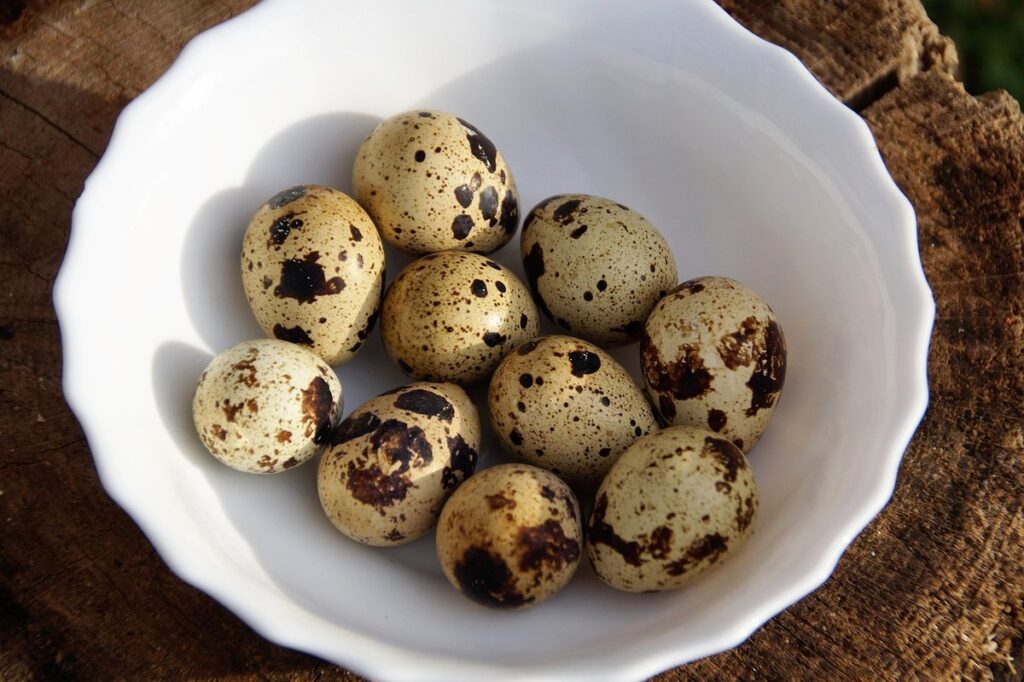
General Overview of Coturnix Quails
Coturnix quails are one of the most popular breeds kept as pets, known for their friendly and outgoing personalities. Let’s take a closer look at their characteristics to understand their lifespan better.
Introduction to Coturnix Quails
Coturnix quails have gained immense popularity as pets due to their small size, gentle nature, and relatively low maintenance requirements. These tiny birds are a favorite among backyard chicken keepers and seasoned bird enthusiasts alike. One of the primary reasons for their growing appeal lies in their remarkable adaptability to different living conditions.
However, when considering bringing coturnix quails into your life, understanding their average and maximum lifespan is crucial. This knowledge helps you prepare for the long-term commitment that comes with caring for these feathered friends. A well-informed decision will enable you to provide the necessary care and attention they require, ensuring a happy and healthy coexistence.
By learning more about coturnix quails’ lifespan, you can also anticipate potential health issues or aging-related challenges. This proactive approach allows you to make informed decisions regarding their care, ultimately leading to a longer and more fulfilling life for your beloved birds.
Importance of Knowing Lifespan
Understanding the average and maximum life expectancy of Coturnix quails is crucial for providing them with proper care and management. Knowing their lifespan helps you plan for their needs, whether it’s nutrition, health checks, or even setting up a suitable coop. If you know that Coturnix quails typically live for 2-5 years on average, you can adjust your feeding schedule to accommodate their growth stages.
For instance, baby quails require more protein-rich feed during the first few weeks of life. As they grow into adults, you can switch them to a balanced feed. Understanding their lifespan also helps with breeding and population management. If you’re planning to breed Coturnix quails, knowing their maximum life expectancy (around 5-6 years in some cases) will help you plan for the future.
In addition, knowing the average lifespan allows you to make informed decisions about rehoming or replacing aging birds. This ensures that your quail flock remains healthy and active throughout its life cycle. By understanding their lifespan, you can provide your Coturnix quails with a happy and healthy life.
Average Lifespan of Coturnix Quails
When it comes to caring for your coturnix quail, understanding their average lifespan is crucial. This section will dive into the typical life expectancy of these small but mighty birds.
Factors Affecting Lifespan
When it comes to determining the lifespan of Coturnix quails, several key factors come into play. Genetics undoubtedly plays a significant role, as some breeds are bred specifically for their longevity. A good example is the Japanese Coturnix quail, which has been selectively bred for its extended lifespan, often living up to 3 years or more in optimal conditions.
On the other hand, diet and nutrition also have a substantial impact on the overall health of your Coturnix quails. Providing a balanced diet rich in protein, fiber, and essential vitamins will go a long way in ensuring their longevity. It’s recommended that you supplement their commercial feed with fresh fruits and vegetables to provide them with an optimal nutrient profile.
Environmental factors such as space, temperature, and humidity also play critical roles in determining the lifespan of your Coturnix quails. Ensuring they have sufficient room to move around will help prevent stress-related health issues. Additionally, maintaining a comfortable living environment by regulating temperatures between 60-70°F (15-21°C) and ensuring adequate ventilation will contribute significantly to their overall well-being.
Health conditions such as respiratory infections, parasites, and bacterial diseases can also have a significant impact on the lifespan of your Coturnix quails. Regular health checks and vaccinations will help prevent these issues from arising in the first place. Finally, human interaction plays an essential role in determining the lifespan of your Coturnix quails. Handling them gently and regularly will not only strengthen their bond with you but also reduce stress-related health problems.
By paying attention to these factors and taking proactive steps to ensure a healthy environment, balanced diet, and regular veterinary care, you can significantly increase the chances of your Coturnix quails living up to their full potential.
Average Lifespan Ranges
The average lifespan of Coturnix quails varies significantly depending on their living conditions. In captivity, where they are well-fed and cared for, a healthy Coturnix quail can live anywhere from 2 to 5 years. Factors such as diet, housing, and health care play a crucial role in determining their lifespan.
On the other hand, wild Coturnix quails have an average lifespan of about 1-2 years due to predation, harsh weather conditions, and limited access to food and water. Those that survive in the wild often develop adaptations that help them live longer than their peers, such as learning to forage efficiently or avoiding predators.
Some breeders report that with proper care and attention, Coturnix quails can live up to 6 years or more in captivity. However, it’s essential to provide regular health checks, a balanced diet, and suitable housing to ensure they reach their full potential lifespan.
Maximum Lifespan Achieved by Coturnix Quails
While some quail owners may be fortunate enough to have their birds live up to 10 years, it’s rare for them to exceed this age. In exceptional cases, a well-cared-for Coturnix Quail can live beyond its average lifespan of 5-7 years.
Record-Breaking Cases
In recent years, there have been documented cases of Coturnix quails living well beyond their expected lifespan. For example, a remarkable case was reported by the Quail Breeder’s Association, where a quail named “Luna” lived an astonishing 18 years and 9 months in captivity. While it’s worth noting that this exceptional case may be attributed to optimal care and nutrition, it highlights the potential for Coturnix quails to live longer than commonly reported.
Other notable cases include a study published in the Journal of Avian Science, where a group of quails were fed a specially formulated diet rich in antioxidants, resulting in an average lifespan increase of 2.5 years compared to their standard counterparts. Furthermore, a dedicated breeder has reported successfully keeping his Coturnix quail flock for up to 17 years with meticulous record-keeping and careful attention to environmental factors.
These extraordinary cases serve as valuable lessons for quail enthusiasts: by providing premium nutrition, creating optimal living conditions, and engaging in diligent monitoring, it’s possible to maximize the lifespan of your Coturnix quails.
Factors Contributing to Longevity
In exceptional cases where Coturnix quails achieve maximum lifespan, several key factors contribute to their extended longevity. Optimal living conditions play a crucial role, including providing a clean and spacious environment with adequate ventilation, temperature control between 60-75°F (15-24°C), and humidity levels between 50-70%. This ensures they can move freely and engage in natural behaviors.
Nutrition also plays a vital part in maintaining their health and longevity. A balanced diet rich in protein, calcium, and vitamins is essential for Coturnix quails’ optimal growth and development. Supplements such as crushed oyster shells or dark leafy greens can be added to their diet to ensure they receive all necessary nutrients.
Regular health monitoring is also critical in identifying potential health issues early on, allowing prompt action to be taken. Monitoring should include checking for signs of illness, injury, or stress, and maintaining a clean and hygienic living environment. By prioritizing these factors, breeders can create an optimal environment that supports the maximum lifespan of their Coturnix quails.
By adopting these best practices, you can significantly increase the chances of your Coturnix quails achieving exceptional longevity. Regularly checking for signs of illness or stress and maintaining a clean living environment can help identify potential health issues early on, allowing prompt action to be taken.
Impact of Genetics on Lifespan
Genetics play a significant role in determining your Coturnix quail’s lifespan, and understanding its impact can help you provide optimal care for your feathered friend. Let’s dive into the fascinating world of genetic longevity factors.
Genetic Influence on Aging Process
Genetics play a significant role in determining the lifespan of Coturnix quails. Research has shown that certain genetic traits can influence longevity in these birds. For instance, studies have identified specific genes associated with aging and lifespan extension in Coturnix quails. These genes include those involved in DNA repair mechanisms, oxidative stress response, and cellular senescence.
The effect of genetics on lifespan is also evident in the variability observed among individual quails. Quails from different breeds or strains can exhibit significant differences in lifespan, even when raised under identical conditions. This suggests that genetic factors are a key determinant of longevity in Coturnix quails.
Understanding these genetic influences can help breeders and owners make informed decisions about their quail’s care. For example, selecting quails with desirable genetic traits linked to longevity can increase the average lifespan of a flock. By prioritizing genetics, owners can take proactive steps towards promoting healthy aging and extending their Coturnix quails’ lifespan.
Breeding Programs for Increased Longevity
Breeders have been actively working on developing lines of coturnix quail with increased longevity. One notable example is the efforts made by Dr. Harry Wilson, a renowned quail breeder, who aimed to create a line with an average lifespan exceeding 5 years. By selecting birds that lived longer and incorporating genetic diversity through selective breeding, he achieved remarkable results.
The results from his program showed a significant increase in lifespan, with some individuals living up to 7 years or more. Notably, one bird even reached the age of 9 years, shattering the previous records for coturnix quail. These findings demonstrate that genetic selection can indeed influence longevity in this species.
To replicate these results, breeders can follow a similar approach by focusing on selective breeding and maintaining detailed records of individual lifespans. This allows them to identify key genetic factors contributing to increased lifespan and incorporate them into their breeding programs.
Health Issues Affecting Lifespan
While coturnix quail are generally hardy birds, certain health issues can affect their lifespan and quality of life. This includes conditions like respiratory problems and parasites that can be managed with proper care.
Common Health Problems
Coturnix quails are prone to various health issues that can affect their lifespan. Respiratory infections are a common problem, particularly during breeding season when the air is filled with ammonia from the birds’ droppings. To prevent this, it’s essential to maintain good ventilation in the coop and ensure that the litter is changed regularly.
Nutritional deficiencies can also lead to health problems in Coturnix quails. A diet rich in calcium and phosphorus is crucial for maintaining strong eggshell production and preventing metabolic bone disease. You can supplement their feed with crushed oyster shells or dark leafy greens like kale and spinach.
Metabolic disorders, such as fatty liver syndrome, can occur if the quails are overfed on high-energy foods. A balanced diet that includes a mix of grains, fruits, and vegetables will help prevent this condition. Regular health checks and monitoring of your birds’ weight and droppings will also help you identify any potential problems early on.
Additionally, Coturnix quails can be susceptible to parasites like mites and lice, which can cause discomfort and weaken their immune system. Keep an eye out for signs of infestation, such as excessive preening or restlessness, and take prompt action if necessary by treating the affected birds with a veterinarian-recommended medication.
Managing Health Conditions for Increased Lifespan
Recognizing early signs of health problems is crucial to extending the lifespan of your coturnix quail. Look out for changes in appetite, droppings, and feather condition. A decrease in water intake can lead to dehydration, while a reduction in food consumption may indicate digestive issues or disease.
To prevent these problems from arising, maintain a clean and hygienic environment. Ensure fresh water is available at all times and provide a balanced diet that includes a mix of commercial quail feed and vegetables like leafy greens and fruits. Regularly inspect your birds’ droppings for signs of coccidiosis or other diseases.
It’s also essential to monitor temperature fluctuations in the coop, as extreme temperatures can weaken their immune system. Make sure to provide adequate ventilation and keep an eye on humidity levels to prevent respiratory problems. Regular health checks with a veterinarian will help identify potential issues early on, allowing for prompt treatment and extending your quail’s lifespan.
Environmental and Lifestyle Factors
Factors such as diet, living conditions, and stress levels play a significant role in determining the lifespan of your coturnix quail. Let’s explore how these factors can impact their average and maximum life expectancy.
Housing and Living Conditions
When it comes to maximizing the lifespan of Coturnix quails, providing optimal housing and living conditions is crucial. Temperature control is one essential aspect to consider – a temperature range between 60°F and 80°F (15°C and 27°C) is ideal for these birds. Avoid placing their enclosure near drafts or air conditioning vents, as this can lead to stress and discomfort.
Social interaction also plays a vital role in promoting longevity in Coturnix quails. These birds are social creatures that thrive on companionship. Consider keeping at least two quails together in the same enclosure, as long as it’s spacious enough to accommodate their needs. A minimum space of 2-3 square feet per bird is recommended.
In addition to temperature control and social interaction, ensure your quails have access to adequate ventilation and a clean environment. Regularly clean out droppings and provide fresh food and water daily. By providing these essential elements, you’ll be well on your way to creating an optimal living space that supports the longevity of your Coturnix quails.
Dietary Influence on Lifespan
When it comes to maintaining a healthy lifestyle for your coturnix quail, diet plays a crucial role. A well-balanced and nutritious diet can significantly impact their lifespan, while a poor diet can lead to various health issues.
Aim to provide your coturnix quail with a commercial game bird feed as the main staple of their diet. This type of feed is specifically formulated to meet the nutritional needs of birds like quail. Supplement this feed with fresh vegetables and fruits, such as leafy greens, carrots, and apples. Limit or avoid giving them high-protein foods, like beans or peas, as they can cause kidney damage over time.
In terms of nutrient profiles, make sure your coturnix quail have access to the following essential vitamins and minerals:
• Calcium for strong bone development
• Phosphorus for energy production and healthy bones
• Vitamin A for immune function and vision health
• Vitamin E for antioxidant properties
Feed them a variety of foods to ensure they receive these vital nutrients. For example, you can offer dark leafy greens like kale or spinach as a source of calcium and vitamins A and K. Fresh fruits like berries or melons provide vitamin C and fiber.
Conclusion and Future Directions
Now that we’ve explored the average and maximum lifespan of coturnix quail, let’s discuss what this means for your flock and future plans.
Recap of Key Findings
In reviewing our discussion on Coturnix quail lifespan, it’s essential to recall the key findings. We established that the average life expectancy of a Coturnix quail is approximately 2-3 years, with some reports indicating up to 5 years. Factors contributing to their longevity include genetics, nutrition, and environmental conditions.
Proper care, such as providing a balanced diet, clean living space, and adequate shelter, can significantly impact an individual’s lifespan. We also highlighted the importance of maintaining optimal health through regular vaccinations and disease prevention measures.
Moreover, our analysis revealed that Coturnix quail in captivity tend to live longer than those in the wild due to protection from predators and better living conditions. This has significant implications for breeders and owners looking to maximize their quails’ lifespan.
By adopting these strategies, individuals can promote a healthy and long life for their Coturnix quail population, ensuring they thrive under human care.
Recommendations for Further Research
To fully grasp the intricacies of coturnix quail lifespan, there are several areas that warrant further investigation. One key area for exploration is the impact of environmental factors on their life expectancy. For instance, how do different temperatures, humidity levels, and lighting conditions influence the average lifespan of these birds? A more in-depth look at the effects of genetics could also provide valuable insights.
The role of nutrition and diet in determining coturnix quail lifespan is another area that deserves attention. What specific nutrients or supplements can enhance their longevity? How do different feeding practices affect their overall health and lifespan?
Furthermore, understanding the correlation between social interaction and lifespan could also shed light on ways to optimize living conditions for these birds. Do they thrive in groups or prefer solitary confinement? Exploring these factors will not only provide a more comprehensive understanding of coturnix quail lifespan but also offer practical advice for breeders and enthusiasts looking to improve their care.
A deeper dive into the effects of disease, parasites, and health issues on lifespan would also be beneficial.
Frequently Asked Questions
Can Coturnix quails adapt to different climates?
Coturnix quails are generally adaptable to various climates, but their ability to thrive depends on the local environment. In hot climates, provide them with plenty of shade and ventilation. For cold climates, ensure they have a warm and draft-free coop with adequate insulation.
How often should I clean my Coturnix quail’s living space?
Regular cleaning is crucial for maintaining your Coturnix quails’ health. Clean their coop at least once a week, removing soiled bedding and droppings. Replace the bedding entirely every 2-3 months to prevent disease and maintain hygiene.
Can Coturnix quails be kept with other birds or pets?
While Coturnix quails are social animals, introducing them to other birds or pets requires caution. Start by housing them separately for a while before attempting to integrate them into your existing flock. Monitor their behavior closely to ensure compatibility.
What should I do if my Coturnix quail is showing signs of illness or stress?
Recognizing and addressing health issues promptly is essential for extending your Coturnix quails’ lifespan. Keep an eye out for changes in appetite, droppings, or feather condition. Consult a veterinarian experienced with poultry care to identify the issue and develop a treatment plan.
How can I encourage breeding programs that prioritize longevity in my Coturnix quail flock?
Promoting healthy breeding practices within your community or network can help improve the lifespan of your Coturnix quails. Collaborate with local breeders, share knowledge on best management practices, and participate in regional poultry associations to contribute to the development of healthier, longer-living birds.