
Are you waiting with bated breath for your adorable duck eggs to hatch? Or perhaps you’ve just brought home some fluffy ducklings and are wondering how to care for them? Either way, raising happy and healthy waterfowl from egg stage to maturity can be a daunting task. As a responsible duck breeder or owner, it’s essential to provide the best possible care for your feathered friends. In this comprehensive guide, we’ll take you through the ins and outs of caring for your ducklings, covering everything from their nutrition and health needs to providing the perfect housing and handling them with care. With expert advice and practical tips, you’ll be well on your way to raising a thriving flock in no time!
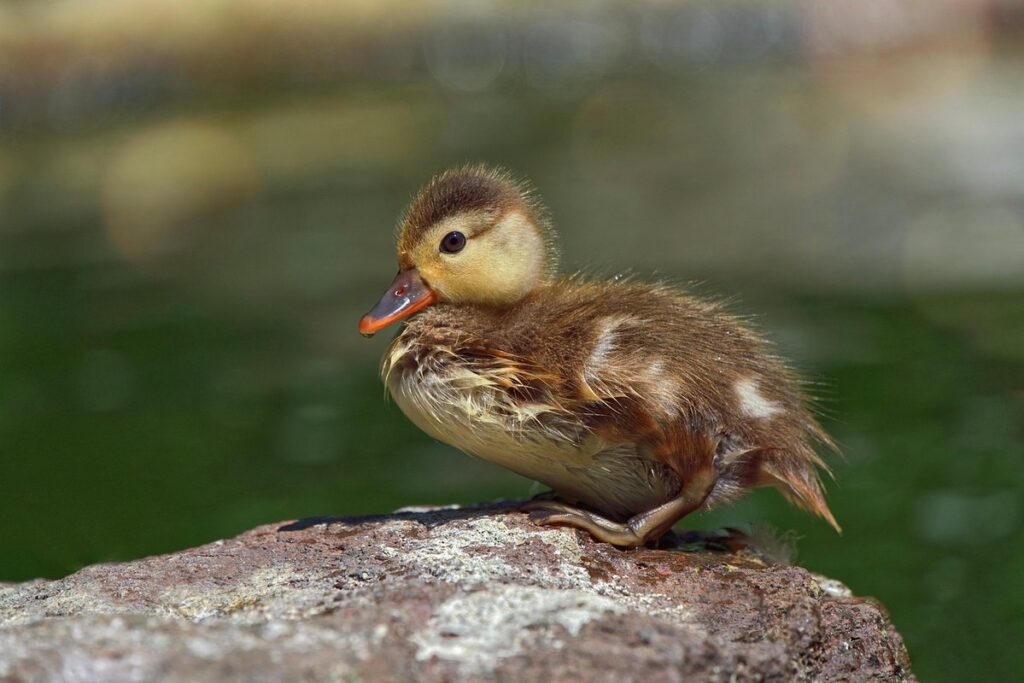
Introduction to Caring for Ducklings
When it comes to caring for ducklings, there are several essential factors to consider, from providing a safe and suitable environment to establishing a healthy feeding routine. Let’s dive into the basics of caring for your new feathered friends.
Importance of Proper Care
Ducklings require specialized care to ensure they grow into healthy adult ducks. This is especially true during their first few weeks of life when they are most vulnerable to disease and environmental stressors.
A proper diet is crucial for duckling development, providing the necessary nutrients for growth and energy. You should offer a starter feed specifically formulated for ducklings, which typically contains a mix of grains, proteins, and vitamins. Supplement with fresh vegetables like leafy greens and fruits in moderation to add variety and essential minerals. For example, offering a shallow dish of water with finely chopped kale or spinach can provide a nutrient-rich snack.
Habitat also plays a significant role in duckling care. Provide a warm, draft-free enclosure with adequate ventilation and protection from predators. The temperature should be kept between 90°F to 100°F (32°C to 38°C) during the first week, gradually decreasing as they mature. A shallow pool of water for swimming is also essential for exercise and enjoyment.
Understanding Your Duckling’s Needs
As you welcome ducklings into your home, it’s essential to understand their unique needs at different stages of development. From the moment they hatch to around 16 weeks old, ducklings have distinct dietary requirements that will shape their growth and overall health.
During the first week or two, ducklings rely heavily on their yolk sac for nutrition. However, as they transition to solid food, a starter feed with 18-20% protein is ideal. You’ll also need to provide fresh water and electrolytes to prevent dehydration and maintain optimal gut health. A crucial aspect of their diet is vitamin D3, which supports bone growth and immune function.
At around 4-6 weeks old, ducklings begin to transition from starter feed to grower feed with a slightly lower protein content (15-16%). It’s also essential to introduce fruits and vegetables as treats, but be cautious not to overdo it. A balanced diet will prevent potential health issues such as feather pecking, stunted growth, or even heart problems.
Keep an eye out for signs of illness, like labored breathing, lethargy, or unusual droppings, and consult a veterinarian experienced in waterfowl care if you notice any irregularities. Regular monitoring and adjustments to their diet will ensure your ducklings grow into healthy, happy adults.
Nutrition and Feeding Habits
When it comes to raising happy and healthy ducklings, providing the right nutrition is crucial. This section will cover the essential dietary needs of your feathered friends during each stage of growth.
Types of Food Suitable for Ducklings
When it comes to feeding your ducklings, providing a balanced diet is crucial for their growth and development. Commercial duck starter feed is an excellent choice, as it’s formulated specifically for waterfowl and contains all the necessary nutrients. However, it’s essential to supplement with fresh fruits and vegetables to ensure they receive a broad range of vitamins and minerals.
Some nutritious food options for ducklings include leafy greens like kale and spinach, carrots, sweet potatoes, and apples. Avoid giving them avocado, onions, and raw or undercooked beans, as these can cause digestive issues or even be toxic. Also, limit their intake of high-fat foods, such as nuts and seeds.
In addition to fruits and vegetables, you can offer whole grains like oats and barley in moderation. A good rule of thumb is to provide a mix of around 50-60% commercial feed, 20-30% fresh produce, and 10-20% whole grains. This will help ensure your ducklings receive the nutrients they need to grow strong and healthy.
Supplementing with Fresh Foods
When it comes to providing the best nutrition for your ducklings, introducing fresh foods can be a wonderful way to supplement their diet. Leafy greens like kale, spinach, and collard greens are all excellent choices, rich in vitamins A, C, and K. Carrots and sweet potatoes are also great additions, offering essential fiber, vitamins, and minerals.
To safely prepare fresh foods for your ducklings, make sure to wash them thoroughly before presentation. Chop or tear the food into manageable pieces, taking care not to create choking hazards. For example, you can chop a carrot stick into smaller sections or shred kale leaves into bite-sized bits.
Present fresh foods in moderation, as overfeeding can lead to digestive issues and other health problems. A good rule of thumb is to provide 1-2 tablespoons of fresh food per duckling per day, alongside their regular starter feed. Keep the presentation area clean and free from contamination to prevent the spread of disease. By introducing a variety of fresh foods in a safe and balanced manner, you’ll be providing your ducklings with a nutrient-rich diet that will support optimal growth and development.
Waterfowl Health and Hygiene
When it comes to raising happy and healthy ducklings, maintaining their health and hygiene is crucial. We’ll dive into some essential tips on keeping your feathered friends clean and free from diseases.
Common Health Issues in Ducklings
As a duckling owner, it’s essential to be aware of the common health issues that can affect your feathered friends. Bacterial infections, such as E. coli and Pasteurella, are a significant concern for young ducklings. These infections can cause symptoms like labored breathing, lethargy, and diarrhea. Regularly cleaning and disinfecting their enclosure is crucial in preventing the spread of these bacteria.
Respiratory problems are another common issue affecting ducklings. Pneumonia and bronchitis can be caused by viruses or bacteria and may lead to coughing, sneezing, and difficulty breathing. Keeping your ducklings’ environment well-ventilated and providing a balanced diet can help prevent respiratory issues.
Parasites like mites, lice, and fleas can also infest ducklings, causing discomfort and stress. Regularly inspecting your ducklings for signs of parasites, such as excessive scratching or feather loss, is vital in preventing infestations.
Regular veterinary check-ups are crucial to ensure your ducklings receive necessary vaccinations and treatments to prevent these health issues. Schedule a vet visit within the first few weeks after hatching to ensure your ducklings are healthy and thriving.
Maintaining a Clean Environment
Creating a clean environment for your ducklings is crucial to their overall health and well-being. A dirty enclosure can lead to stress, disease, and even death. To keep your duckling’s home spotless, establish a regular cleaning schedule. Set aside time each day or week to remove soiled bedding, disinfect food and water containers, and scrub any surfaces that come into contact with the birds.
When it comes to enclosures, consider using a dry litter such as wood shavings or straw, which can be easily cleaned out and replaced. For smaller spaces, use a deep layer of absorbent material to prevent waste from accumulating. Disinfect all equipment, including feeders, waterers, and perches, with a pet-safe solution at least once a week.
Managing waste is also essential in maintaining a clean environment for your ducklings. Remove soiled bedding promptly, and consider setting up a designated area for disposing of waste materials. Regular cleaning will help prevent the buildup of bacteria, viruses, and other pathogens that can harm your ducklings. By keeping their environment clean, you’ll be taking a huge step towards raising happy and healthy waterfowl.
Housing and Shelter for Ducklings
When it comes to duckling care, providing a safe and suitable environment is crucial. This section will guide you on how to create a happy and healthy home for your growing ducklings.
Essential Features of a Duckling’s Home
When it comes to creating a suitable enclosure for ducklings, there are several essential features to consider. Firstly, ensure that the space is adequate and spacious enough to accommodate the growing number of ducklings comfortably. A good rule of thumb is to provide at least 2-3 square feet of floor space per duckling, with some areas allowing for more free movement. This will help prevent overcrowding, reduce stress, and promote healthy growth.
Ventilation is another critical aspect to consider when designing a duckling enclosure. Proper airflow helps maintain good air quality, prevents the buildup of ammonia from their droppings, and minimizes the risk of disease transmission. You can achieve this by installing windows or vents that allow for cross-ventilation or using fans to circulate the air.
Protection from predators is also essential. A secure fence around the enclosure will prevent foxes, raccoons, and other potential threats from entering. A height of at least 3 feet is recommended to deter climbing predators like raccoons and opossums.
Creating a Safe Outdoor Area
When creating an outdoor area for ducklings, it’s essential to prioritize their safety and well-being. To achieve this, you’ll want to design a secure space that provides adequate shelter, access to clean water and food, and protection from predators.
Start by installing sturdy fencing around the outdoor area, making sure it’s at least 3 feet high to prevent ducklings from flying over or escaping. The fencing should also be buried at least 12 inches underground to prevent burrowing predators like foxes or raccoons from getting in. Consider using chicken wire with openings no larger than 1 inch to keep out smaller predators.
Provide a sheltered area for your ducklings to take cover during extreme weather conditions, such as rain, wind, or direct sunlight. You can use a wooden shed, a gazebo, or even a simple canopy. Ensure the shelter is well-ventilated and dry, with bedding materials like straw or hay to keep them clean.
For access to water and food, consider installing a self-filling pool or a pond with a built-in filter system. Make sure the pool or pond is at least 2 feet deep to allow your ducklings to swim safely. Place their feeding area nearby, using a trough or a dish that’s easy for them to access.
Handling and Socialization Techniques
When it comes to raising happy and healthy ducklings, proper handling and socialization are crucial for their emotional well-being and future behavior. Here’s how to handle and socialize your ducklings successfully.
Basic Handling and Restraint Methods
When it comes to handling ducklings, it’s essential to do so gently and carefully to avoid injuring them. Start by getting them used to human presence from an early age by spending time near their enclosure, speaking softly, and offering treats. As they grow more confident, you can begin gentle handling sessions.
To safely restrain a duckling, use one hand to support its body while the other lifts it carefully under the wings. Make sure to support its head and neck as well, taking care not to constrict or twist them in any way. For older ducklings, you may need to hold them more securely, but always ensure their safety by cradling them rather than holding them upright.
In case of an emergency, such as a duckling escaping or getting injured, stay calm and act quickly. Provide a safe space for the duckling to recover, away from predators or other hazards. If the injury is severe, consult with a veterinarian immediately for proper care and advice.
Promoting Socialization in Ducklings
Socialization is a crucial aspect of raising happy and healthy ducklings. From an early age, they need to be introduced to their environment and other waterfowl to develop essential skills for a stress-free life. Ducklings that are socialized properly tend to grow into confident birds that can interact with humans and other ducks seamlessly.
To encourage interaction between your ducklings, start by introducing them to each other at around 2-3 weeks old. Begin with small groups of 2-3 birds and gradually increase the number as they become more comfortable. You can also introduce toys and objects that mimic the sounds and movements of adult ducks, such as rubber balls or feathered wands.
As your ducklings grow older, make sure to spend quality time with them daily, handling them gently but firmly, and letting them explore their surroundings under close supervision. Be patient and remember that socialization is an ongoing process – it’s never too late to teach a duckling new tricks!
Tips for Raising Robust and Resilient Ducklings
When raising ducklings, it’s essential to create a nurturing environment that fosters their physical and emotional growth. By following these expert tips, you’ll be well on your way to raising robust and resilient ducklings.
Early Life Stage Development
As duckling owners, it’s essential to understand that their early life stages are critical for determining their overall health and resilience. The first few weeks of a duckling’s life can be divided into three main developmental stages: brooding, feathering, and fledging.
Brooding is the initial stage, typically lasting around 2-3 weeks. During this time, ducklings rely heavily on their mother or caretaker for warmth, nutrition, and protection. It’s crucial to provide a safe and draft-free environment with adequate ventilation to prevent respiratory issues. You can achieve this by maintaining a consistent temperature between 90°F to 100°F (32°C to 38°C) in the brooder.
As ducklings grow into the feathering stage, around 3-5 weeks old, they begin to develop their flight feathers and downy plumage. It’s essential to ensure they have enough space to move around and exercise, as this will aid in muscle development and prevent leg problems.
In the final fledging stage, ducklings usually leave their mother or caretaker’s care and venture out on their own, around 5-7 weeks old. This is a significant milestone and requires careful supervision to ensure they learn essential foraging skills and navigate potential hazards like predators and water hazards.
By understanding these critical developmental stages and providing the necessary support, you can help your ducklings grow into robust and resilient individuals, setting them up for a long and healthy life.
Long-Term Health Considerations
As you care for your ducklings from hatch to maturity, it’s essential to consider potential long-term health issues that can arise. One of the most common problems faced by mature ducks is respiratory disease, which can be caused by bacteria such as Pasteurella or Mycoplasma. To prevent this, ensure your ducklings have a well-ventilated enclosure with access to fresh air and provide regular vaccinations against diseases.
Another concern for mature ducks is obesity, which can lead to liver problems, heart disease, and other complications. To avoid this, make sure your ducklings get enough exercise by providing them with adequate space to roam and engage in activities that promote physical activity, such as swimming and foraging.
In addition to these health issues, it’s also essential to monitor your ducks’ water intake, as excessive salt consumption can lead to kidney damage. Regularly inspect their living area for signs of mold or mildew, which can exacerbate respiratory problems. By taking preventative measures and maintaining a clean environment, you can help ensure the long-term health and well-being of your mature ducks.
Additional Care Considerations for Special Cases
If you’re raising ducklings that don’t quite fit into the norm, such as those with health issues or from different breeds, there are some special considerations to keep in mind. These extra steps can ensure a smooth transition for both you and your feathered friends.
Orphaned or Injured Ducklings
Caring for orphaned or injured ducklings requires special attention to their nutritional needs and rehabilitation techniques. If you’ve found a duckling that’s been separated from its mother or has suffered an injury, it’s essential to provide the right care to ensure its survival.
Start by providing a warm, safe environment with adequate ventilation. A heat lamp or a brooder can help maintain a temperature range of 90-100°F (32-38°C), which is crucial for ducklings’ development. Next, focus on feeding. Orphaned ducklings need a diet rich in protein and nutrients, so supplement their food with commercial duckling starter or a nutrient-rich homemade mixture of oats, milk powder, and vitamins.
Medication may be necessary to treat injuries or illnesses. Always consult a veterinarian before administering any medication to ensure the proper dosage and treatment plan. Rehabilitation techniques involve gentle handling and gradual exercise to prevent further injury. Monitor your duckling’s progress closely and seek professional help if you notice any signs of distress or illness.
Managing Aggressive Behavior in Ducks
Managing aggressive behavior in ducks can be challenging for even the most experienced duck breeders. It’s essential to identify triggers and address underlying issues before implementing strategies to reduce aggression. Aggressive behavior in ducks can manifest in different ways, such as feather pecking, hissing, or chasing.
Some common triggers of aggressive behavior in ducks include changes in their environment, social hierarchy, or access to food and water. For example, if you’ve recently introduced new ducklings to your flock, they may exhibit aggression due to territorialism. Similarly, if you notice that a particular duck is being bullied or harassed by others, it’s crucial to address the situation promptly.
To identify underlying issues, observe your ducks’ behavior carefully and look for patterns. Do they exhibit aggressive behavior when competing for food or water? Are there any injuries or health problems that may be contributing to their aggression?
When addressing underlying issues, provide a safe and stress-free environment by ensuring adequate space, proper nutrition, and sufficient access to clean water. Provide plenty of hiding places and visual barriers to reduce competition and stress among ducks. For instance, you can add plants or trees to your duck enclosure to create separate areas for each group.
Implementing strategies to reduce aggression requires patience, consistency, and positive reinforcement training. One effective approach is to use a combination of punishment-free methods, such as redirection and desensitization. For example, if a duck exhibits aggressive behavior when approached, try to associate the presence of humans with positive experiences, like treats or playtime.
In addition to these strategies, consider using pheromone diffusers or calming aids specifically designed for ducks to reduce stress and aggression. These products can be especially helpful in situations where you’re dealing with a large number of ducks or have limited time to devote to individualized training.
Some practical tips to keep in mind when managing aggressive behavior in ducks include:
* Keeping your duck enclosure clean, well-maintained, and free from predators
* Providing a balanced diet and fresh water at all times
* Offering plenty of opportunities for exercise and playtime
* Creating a stable social hierarchy by introducing new ducks gradually and under close supervision
* Monitoring your ducks’ behavior regularly and addressing any issues promptly
By following these tips, you can create a harmonious environment where your ducks feel safe, happy, and relaxed.
Frequently Asked Questions
How often should I check the temperature of my ducklings’ environment?
A stable temperature between 90-95°F (32-35°C) is crucial for duckling development. Check the thermometer at least twice a day to ensure the heat lamp or brooder isn’t too hot or cold.
Can I mix adult duck feed with starter feed, or do they require separate nutrition?
No, mixing adult and starter feeds can lead to nutritional imbalances. Provide separate feeders for each stage of growth to meet their distinct dietary needs. Consult a veterinarian or poultry expert for guidance on switching feeds at the right time.
What if I notice one of my ducklings is lethargic or not gaining weight? How do I identify potential health issues?
Monitor your ducklings’ behavior and body condition closely. If you notice any unusual symptoms, such as lethargy, labored breathing, or diarrhea, consult a veterinarian experienced in waterfowl care for proper diagnosis and treatment.
Can I keep my ducklings outdoors immediately after hatching, or do they need a warm indoor brooder?
Ducklings typically require a warm, draft-free brooder until they’re about 4-6 weeks old. At this stage, you can gradually introduce them to outdoor housing with adequate shelter and protection from predators.
How often should I clean the ducklings’ living area and waterers to prevent disease?
Maintain a clean environment by removing soiled bedding daily and disinfecting food and water areas weekly. Change the entire brooder or enclosure every 4-6 weeks, depending on usage and environmental conditions.