
Are you considering bringing home some lovable guinea hens, but not sure where to start with their care? Or maybe you already have a flock and want to ensure they’re happy and healthy? Either way, learning how to properly care for your guinea hens is crucial for their well-being and can make all the difference in enjoying their companionship. In this article, we’ll dive into the world of guinea hen care, covering essential topics such as nutrition, health, housing, and handling tips. From managing egg production and broodiness to providing a suitable environment, our comprehensive guide will give you expert advice on how to create a happy home for your feathered friends.
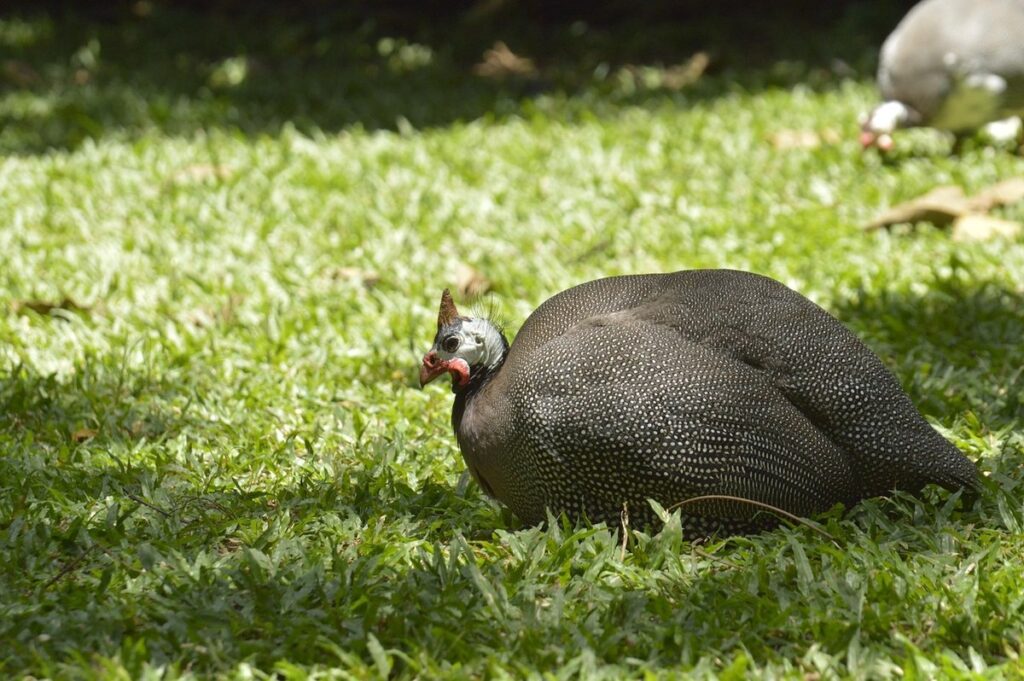
Introduction to Guinea Hen Care
Welcome to our comprehensive guide on how to care for guinea hens! In this crucial first step, we’ll cover the essential basics of providing a happy and healthy home for your feathered friends.
Importance of Proper Care
Guinea hens require specialized care and attention to thrive. Unlike other backyard poultry, they have unique needs that must be met to ensure their health and well-being. Proper care is essential for guinea hens as it directly impacts their behavior, fertility, and overall lifespan.
For instance, guinea hens need a significant amount of space to roam and exercise. They require at least 2-4 square feet of outdoor space per bird, which translates to a large enclosure or aviary. Without adequate room to move around, guinea hens can become stressed, aggressive, and prone to health issues.
Additionally, guinea hens are sensitive to extreme temperatures and weather conditions. They need protection from the elements, such as shade from direct sunlight and shelter from harsh winds and rains. Proper ventilation and housing also play a crucial role in maintaining their respiratory health.
In summary, providing proper care and attention for guinea hens involves meeting their unique needs for space, climate control, and specialized housing. By doing so, you can create a healthy and happy environment for your feathered friends to thrive in.
Setting Up Your Flock
When bringing home your new guinea hen flock, it’s essential to have everything ready for their arrival. Start by setting up a safe and comfortable living space. Guinea hens need a secure enclosure that protects them from predators and provides ample space to roam. A minimum of 2 square feet per bird is recommended, but more space is always better.
In addition to the enclosure, you’ll also need equipment such as feeders, waterers, and nesting boxes. Feeders and waterers should be designed for guinea hens’ unique feeding habits and placed in a quiet area where they can eat without feeling stressed. Nesting boxes are essential for guinea hens’ reproductive health and should be provided at a rate of one per 3-4 birds.
Before introducing your guinea hens to their new home, perform a thorough health check on each bird. Look for signs of disease or injury, such as labored breathing, pale comb, or unusual droppings. It’s also a good idea to quarantine new birds for 30 days before integrating them with existing flock members. This will help prevent the spread of diseases and ensure a healthy start for your guinea hen family.
Nutrition and Feeding
When it comes to caring for guinea hens, providing a balanced diet is crucial, so let’s dive into the specifics of their nutritional needs.
Providing Adequate Food and Water
Guinea hens are opportunistic foragers and require a balanced diet that includes protein-rich foods to maintain their overall health. As herbivores, they need access to high-quality hay, grass, and vegetables daily. A mix of timothy hay, alfalfa pellets, or oats can provide the necessary fiber and nutrients.
In addition to these staples, guinea hens require a source of calcium for strong bone growth and eggshell production. Crushed oyster shells or dark leafy greens like kale and spinach are excellent sources of calcium. Fresh fruits like berries, apples, and oranges should be given in moderation due to their high sugar content.
A good rule of thumb is to provide 1-2 cups of fresh vegetables daily, along with 1/4 cup of pellets and 1-2 pounds of hay per bird. Divide the feeding into two sessions: morning and afternoon. Avoid overfeeding, as guinea hens are prone to obesity. Offer a shallow dish of water at all times, and make sure it’s changed frequently to prevent bacterial growth.
Supplementing with Fresh Fruits and Vegetables
Guinea hens require a balanced diet that includes a variety of fresh fruits and vegetables to stay healthy. Fresh produce offers numerous benefits for guinea fowl, including improved digestion, boosted immune system, and enhanced overall well-being.
When it comes to selecting fruits and vegetables for your guinea hen’s diet, focus on leafy greens like kale, spinach, and collard greens. These rich in iron and calcium help maintain strong bones and feathers. Other beneficial options include carrots, sweet potatoes, and berries such as blueberries or strawberries. Limit the amount of high-starch fruits like bananas and citrus fruits.
It is essential to introduce new foods gradually to prevent digestive upset. Start with small amounts (about 10% of their regular diet) and observe your guinea hen’s reaction before increasing the serving size. Rotate the types of produce regularly to ensure a varied intake. For example, switch between leafy greens one week and focus on root vegetables the next. Fresh fruits and veggies can be served as treats or mixed with their regular feed.
Health and Hygiene
To keep your guinea hens happy and healthy, it’s essential to provide a clean living space by establishing a regular cleaning routine for their coop. This includes disinfecting surfaces and removing soiled bedding.
Vaccinations and Health Checks
Regular vaccinations and health checks are crucial for maintaining the overall well-being of your guinea hens. Just like their human counterparts, guinea hens can fall prey to various diseases and health issues if not properly cared for.
It’s essential to schedule a consultation with a veterinarian who has experience in caring for birds to determine the best vaccination and health check schedule for your flock. Typically, guinea hens should receive vaccinations against diseases such as infectious bronchitis, Newcastle disease, and Marek’s disease, usually starting at around 4-6 weeks of age.
In addition to vaccinations, regular health checks are vital in preventing and identifying potential health issues early on. These checks should include monitoring for signs of illness, injury, or stress, as well as a thorough examination by the veterinarian.
Some key points to consider during health checks include:
* Checking for mites, lice, and other external parasites
* Monitoring for signs of respiratory problems, such as wheezing or labored breathing
* Examining the bird’s droppings and urine for any abnormalities
* Conducting a thorough examination of the bird’s overall physical condition
By prioritizing regular vaccinations and health checks, you can help prevent serious health issues in your guinea hens and ensure they live long, happy lives.
Managing Common Health Issues
Guinea hens are generally hardy birds, but like all living creatures, they can fall prey to various health issues. One of the most common problems you may encounter is respiratory distress. This can manifest as labored breathing, wheezing, or even open-mouthed breathing in extreme cases. If you notice any of these symptoms, it’s essential to consult a veterinarian experienced in caring for poultry.
Mites and lice are another frequent issue affecting guinea hens. These external parasites feed on the bird’s skin, causing irritation and discomfort. To detect mites or lice, gently lift your guinea hen’s feathers to inspect their skin. If you notice any movement or tiny specks of dust (which can be lice droppings), take immediate action.
To manage these issues, ensure good ventilation in the coop by providing adequate airflow and keeping it clean. Regularly misting with water can also help reduce mite infestations. A sulfur-based powder is a safe and effective treatment for both mites and lice; however, follow the product’s instructions carefully to avoid harming your birds.
When treating health issues, always prioritize using organic or natural products over chemical solutions whenever possible. For example, apple cider vinegar can help maintain an optimal pH balance in the guinea hen’s digestive system, while diatomaceous earth is a gentle and non-toxic way to control internal parasites like worms.
Housing and Environment
When it comes to housing and environment, guinea hens require more than just a cozy coop – they need space to roam and a healthy ecosystem to thrive. Providing the right environment is crucial for their overall well-being.
Coop Design and Maintenance
When it comes to housing your guinea hens, providing a safe and healthy environment is crucial. A well-designed coop will not only keep them protected from predators but also ensure their overall well-being.
The ideal coop design for guinea hens should prioritize ventilation. Guinea hens are sensitive to ammonia fumes, which can be produced by their droppings. To prevent this, the coop should have adequate windows or vents that allow fresh air to circulate. This will help maintain a clean and dry living space for your birds.
In addition to ventilation, consider including nesting boxes specifically designed for guinea hens. These boxes should be at least 12 inches deep and have a sloping roof to make it easy for the hens to enter and exit. The number of nesting boxes will depend on the size of your flock, but as a general rule, provide one box per three birds.
Predator protection is also essential when designing the coop. Securely locking the doors and using hardware cloth around any openings can help prevent predators from getting inside.
Outdoor Run Safety
When introducing guinea hens to an outdoor run or enclosed area, it’s essential to prioritize their safety and security. A secure enclosure will not only provide exercise but also safeguard them from predators, escape attempts, and potential hazards.
Fencing materials for guinea hen enclosures should be sturdy and durable enough to withstand weather conditions and the birds’ energetic nature. Hardware cloth is an excellent choice due to its flexibility, ease of installation, and affordability. The mesh size should be around 1-inch to prevent escape or injury from getting their heads stuck in larger openings.
When constructing the enclosure, ensure it’s at least 2-3 feet high to prevent predators like foxes, coyotes, or raccoons from jumping over. You may also consider adding a roof or netting to provide extra protection and shade. It’s crucial to bury fencing materials underground for at least 12 inches to prevent digging escape attempts.
When building the enclosure, keep in mind that guinea hens are skilled diggers and can quickly damage a run if it’s not secure enough. Consider enlisting help from an experienced friend or consulting online resources for tips on constructing a safe and durable outdoor run.
Handling and Socialization
Now that you’ve got your guinea hens settled into their new home, it’s time to focus on handling and socializing them, which is crucial for their overall well-being.
Introducing New Guinea Hens to Your Flock
Introducing new guinea hens to an existing flock can be a challenging process if not done correctly. It’s essential to ensure a smooth transition for both the new birds and the established flock. A gradual introduction method is recommended to prevent stress and aggression.
Start by keeping the new guinea hens in a separate enclosure or aviary, where they can get used to their new surroundings without feeling overwhelmed. Allow them to explore and become familiar with each other’s sounds, sights, and scents before introducing them to the main flock.
Begin the introduction process by letting the birds see and smell each other through a barrier, such as a fence or a screen door, while under close supervision. Once they seem comfortable with each other’s presence, it’s time to start mixing them in a controlled environment.
Gradually increase their interaction time over several days or weeks, monitoring their behavior closely for any signs of aggression or stress. Reward calm behavior and intervene promptly if you notice any issues. With patience and careful planning, your new guinea hens will soon become an integral part of the flock.
Basic Handling and Grooming Techniques
When it comes to handling and socializing guinea hens, gentle and patient care is essential. To begin with, always approach them calmly and quietly, allowing them to become familiar with your presence. When picking up a guinea hen, support its body and legs securely, making sure not to grab or lift it by the wings or tail.
It’s crucial to handle guinea hens regularly from an early age to help them develop trust in humans. Start with short sessions of gentle petting and stroking, gradually increasing the duration as they become more comfortable. For safe restraint, use a towel or blanket to gently wrap around their body, keeping their wings secure but not constricted.
When grooming your guinea hens, check for any signs of mites, fleas, or lice on their feathers, legs, and vent area. Use a soft-bristled brush or comb specifically designed for birds to remove tangles and debris from their plumage, taking care not to cause discomfort or stress.
Regular handling and grooming will help strengthen the bond between you and your guinea hens, making them more receptive to socialization and easier to care for in general. Remember to respect their boundaries and never force handling if they seem stressed or resistant.
Egg Production and Management
When it comes to raising guinea hens for eggs, understanding their unique needs is crucial. This section will cover how to optimize egg production and manage your flock’s health effectively.
Understanding Guinea Hen Egg Laying
Guinea hens are prolific layers, and understanding their egg-laying habits is essential to providing optimal care. On average, a healthy guinea hen will lay around 100-120 eggs per year, although this number can vary depending on factors such as breed, age, nutrition, and overall health.
Proper nutrition plays a significant role in maintaining egg production. A balanced diet rich in protein, calcium, and other essential nutrients is crucial for supporting the hen’s reproductive system. Ensure that your guinea hens have access to high-quality layer feed, supplemented with fresh fruits and vegetables daily.
Other factors can impact egg laying as well. For example, guinea hens tend to lay more eggs during warmer months when daylight hours are longer. Conversely, egg production may decrease during winter months due to shorter days and reduced foraging opportunities.
Collecting Eggs and Managing Broodiness
Collecting Eggs and Managing Broodiness in Your Flock
Collecting eggs from your guinea hens can be a delightful experience, but it’s essential to do so safely. Guinea hens are social birds and can get stressed if you disturb their nesting area too frequently. To avoid this, try to collect eggs at the same time every day, ideally when they’re most active in the morning or late afternoon.
To manage broodiness, which is a natural behavior in guinea hens where they stop laying eggs and focus on incubating their own eggs, make sure you’re not providing too many nesting boxes per hen. This can encourage them to become broody more often. Also, avoid separating new mothers from their chicks until they’ve been weaned, as this can lead to stress and reduced egg production.
To encourage continued egg laying, provide your guinea hens with adequate food and water, ensure a balanced diet, and offer plenty of space for exercise and movement. With proper care and attention, you’ll enjoy a steady supply of fresh eggs from your happy and healthy flock.
Tips for Advanced Guinea Hen Keepers
If you’re already familiar with caring for guinea hens and want to take your expertise to the next level, keep reading for expert tips on managing their unique needs.
Extending Flock Lifespan with Good Nutrition
As an advanced guinea hen keeper, you’re likely familiar with providing a balanced diet for your flock. However, to truly extend their lifespan and promote optimal health, it’s essential to delve deeper into the world of nutrition. A well-planned feeding strategy can make all the difference in maintaining your birds’ overall wellbeing.
One key approach is to incorporate a variety of nutrient-rich foods into their daily menu. This might include supplementing with fruits and vegetables, such as leafy greens, berries, or sweet potatoes, which provide essential vitamins and minerals. You can also consider offering probiotics or probiotic-rich foods like yogurt or kefir to support digestive health.
Another strategy is to focus on the guinea hen’s natural foraging behavior by creating a foraging-friendly environment in their enclosure. This might involve hiding treats or meals around the coop or run, encouraging them to search and forage for food naturally. Not only does this stimulate their minds and bodies but also helps maintain their natural instinct to forage.
By implementing these advanced nutrition strategies, you can set your guinea hens up for a long and healthy life, filled with energy, vitality, and a strong immune system.
Natural Methods for Pest Control
When it comes to caring for guinea hens, one of the most important aspects is maintaining their health and well-being. External parasites like mites, lice, and fleas can cause significant discomfort and stress for these beautiful birds. Fortunately, there are many natural methods you can use to control external parasites in your guinea hens.
One of the simplest ways to prevent external parasites is through good housekeeping. Keep your coop clean and free of debris, as this will reduce the likelihood of pests taking up residence. Remove any soiled bedding material and replace it with fresh pine shavings or another safe option for your guinea hens. Regularly inspect your birds’ feathers and skin for signs of parasites, such as tiny brown specks or white flakes.
Apple cider vinegar is a popular natural remedy for mites and lice. Mix equal parts water and apple cider vinegar in a spray bottle and gently mist your guinea hens with the solution. The acidity will help to repel these pesky insects without harming your birds. You can also try using diatomaceous earth, a non-toxic powder made from fossilized algae, to dehydrate and kill external parasites.
To keep fleas at bay, make sure your guinea hens have access to plenty of fresh water and a balanced diet rich in essential fatty acids and omega-3s. You can also try sprinkling a small amount of salt or sugar around the coop entrance to deter these pesky insects. Regularly vacuuming the coop area with a gentle suction setting can also help reduce flea populations.
In addition to these preventative measures, it’s essential to monitor your guinea hens regularly for signs of external parasites. Keep an eye out for symptoms like excessive scratching, shaking, or restlessness, which can indicate a parasite infestation. If you do suspect that your birds have been affected by external parasites, isolate them immediately and consult with a veterinarian for proper treatment.
By incorporating these natural methods into your guinea hen care routine, you’ll be well on your way to creating a healthy and happy environment for these wonderful animals. Remember, prevention is key when it comes to maintaining the health of your guinea hens, so make sure to stay vigilant and proactive in your parasite control efforts.
Frequently Asked Questions
What should I do if my guinea hens are not laying eggs as expected?
If your guinea hens are not meeting their egg-laying potential, it’s essential to assess their nutrition, health, and living conditions. Ensure they have a balanced diet rich in calcium, protein, and vitamins. Check for signs of stress or health issues that may impact fertility. Consult with a veterinarian or poultry expert to rule out any underlying problems.
How often should I clean the guinea hens’ coop and run?
Cleaning the coop and run regularly is crucial to maintaining your guinea hens’ health and hygiene. Aim to clean the coop at least once a week, removing soiled bedding and replacing it with fresh material. Clean the run daily, removing any debris or waste that may attract pests.
Can I keep guinea hens with other types of poultry?
Yes, you can keep guinea hens with other birds, but it’s crucial to ensure compatibility and introduce them gradually to prevent stress and fighting. Guinea hens are social animals and prefer the company of their own kind, but they can adapt to mixed flocks if done correctly.
How do I recognize signs of a healthy guinea hen?
Healthy guinea hens typically exhibit bright, shiny feathers, active behavior, and a robust appetite. Look for signs of illness or disease, such as labored breathing, lethargy, or changes in droppings or egg-laying patterns. Monitor their overall health and consult with a veterinarian if you notice any unusual symptoms.
What’s the best way to introduce new guinea hens to my existing flock?
Introducing new guinea hens to your existing flock requires patience, careful planning, and gradual introduction. Start by separating the new birds from the main group and allowing them to become familiar with each other through visual observation. Gradually reintroduce them under close supervision, monitoring their behavior for signs of stress or aggression.